
Rodrigo Paz's plan to free Bolivia from the disaster caused by Evo Morales

Rodrigo Paz's plan to free Bolivia from the disaster caused by Evo Morales
Rodrigo Paz's ambitious plan to counteract 20 years of socialism in Bolivia
porEditorial Team
Argentina

After triumphing in the presidential elections, the new Bolivian president will have to repair decades of socialist catastrophe

Compartir:

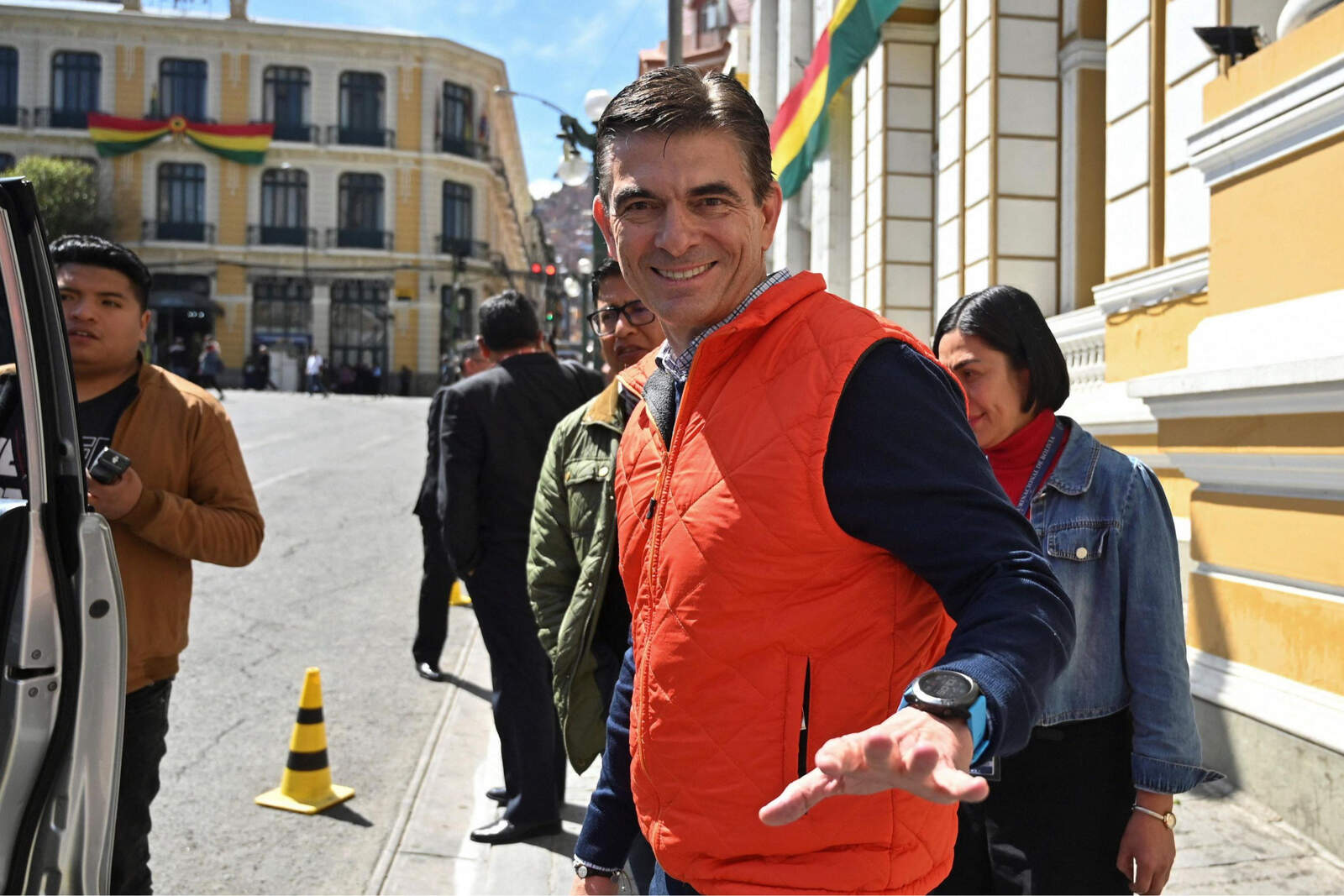
After a decisive and solid victory in the second round of elections on October 19, 2025, Rodrigo Paz Pereira, senator and leader of the Christian Democratic Party (PDC), assumed the presidency of Bolivia with a political platform focused on a deep restructuring of the State, based on budget decentralization, economic reform with a citizen focus, and transformation of the judicial system.

His rise marks the end of a cycle of hegemony by Movimiento al Socialismo (MAS) and of nefarious figures for the Andean country, such as Evo Morales, who has caused one of the worst economic and social crises in Bolivia after 20 years in power.

Rodrigo Paz is accompanied by Edman Lara, a former Bolivian Police officer known for denouncing acts of internal corruption. His presence has been interpreted as a sign of firmness against institutional mafias.
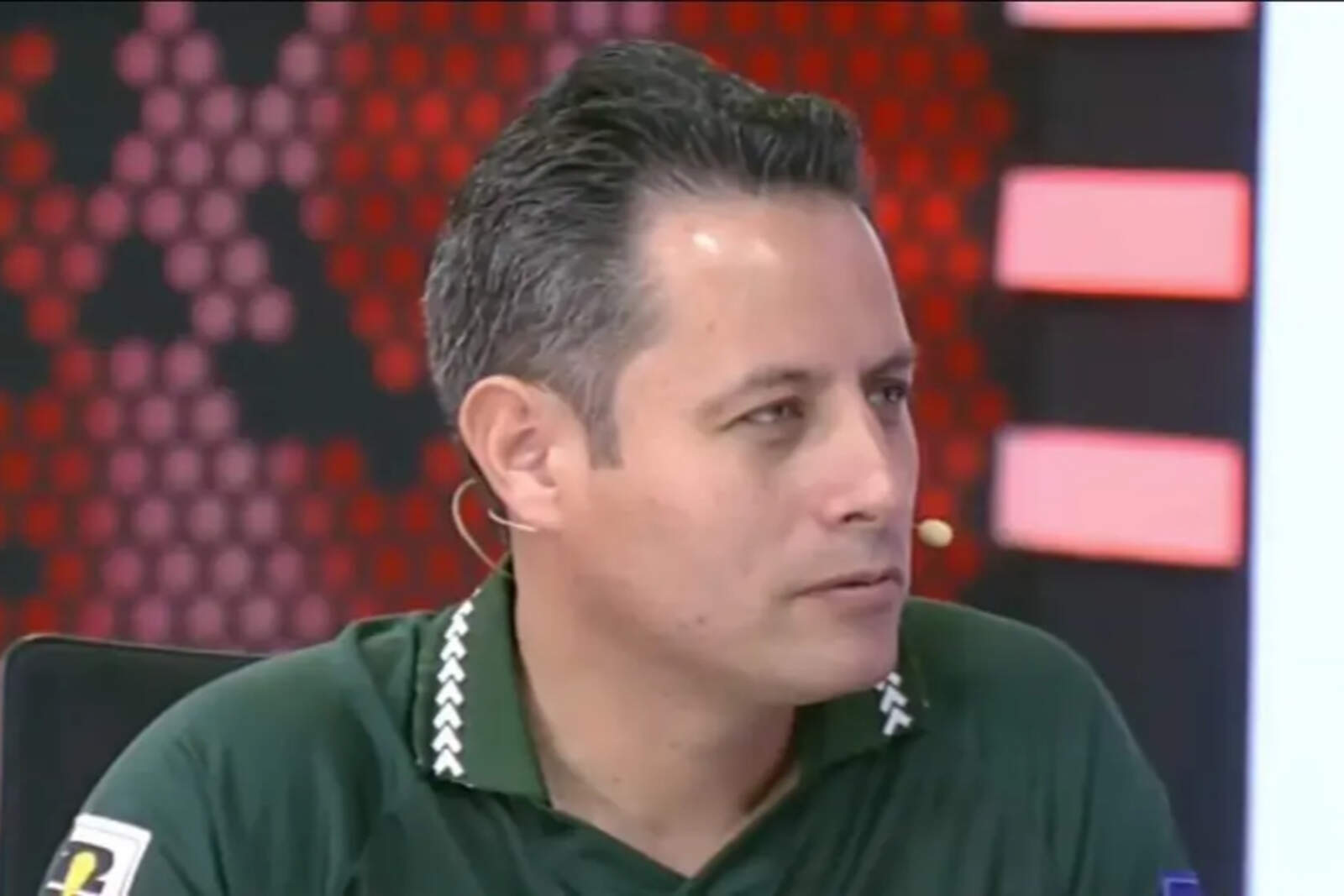
Edman Lara será el vicepresidente de Rodrigo Paz

Quiroga's Plan to Heal Bolivia

One of the pillars of the new government is the "50/50 Agenda," a structural proposal that seeks to redistribute the national budget between the central government and subnational governments (governorates, municipalities, and public universities). Currently, 85% of public spending is concentrated at the central level, which, according to Paz, deepens territorial inequality and historical centralism.

With the 50/50 Agenda, Paz proposes that the regions have real autonomy to define priorities in infrastructure, health, education, and economic development. This proposal has been well received in historically marginalized regions, such as Chaco, northern Potosí, and the rural areas of Beni and Pando, which now expect greater participation in decision-making and resource execution.

Uno de los pilares claves del gobierno de Paz, será la descentralización del presupuesto nacional

Economic Reform

Paz's economic proposal distances itself from both MAS's statism and classical liberalism. Under the slogan "capitalism for all," his plan includes a series of measures aimed at democratizing access to credit and reducing the tax burden on citizens and small businesses.

The new president has promised access to credit with favorable conditions, especially for young entrepreneurs, small farmers, and informal traders. This includes financing programs in national currency with subsidized rates, coordinated through public banks and partnerships with private financial institutions.

Regarding fiscal policy, he proposes to reduce taxes on national production, eliminate tariffs on products not manufactured in Bolivia, and review the tax system to make it more progressive.
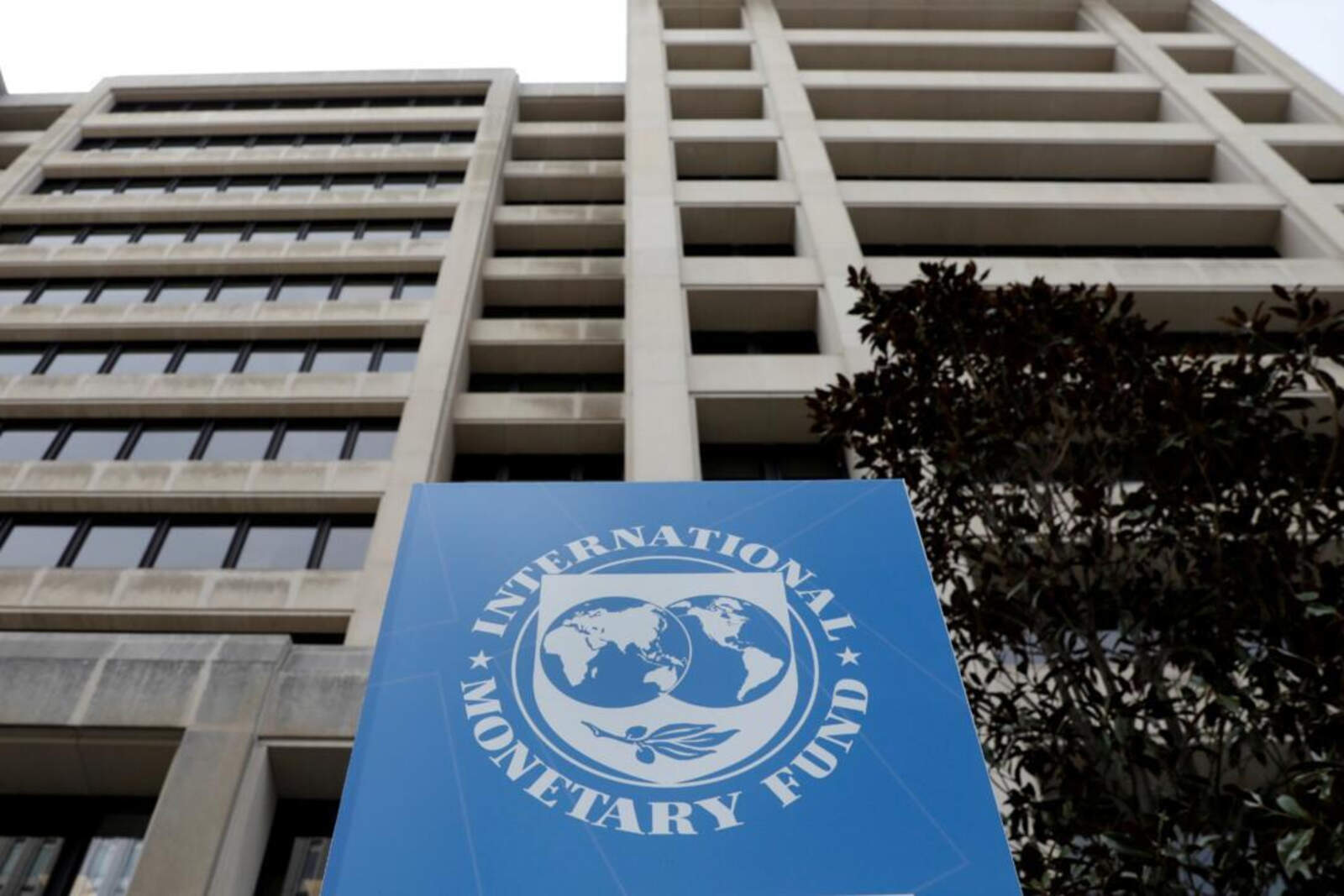
Emphatically, Paz has rejected the option of turning to international financial organizations such as the International Monetary Fund: "In Bolivia, the money is enough if it's used well. We don't need more debt," he stated during the campaign.

This approach seeks to reactivate the domestic market through consumption and productive investment, without compromising the country's economic sovereignty.

El presidente electo rechazó la participación del FMI en su gobierno

Judicial and Anti-Corruption Measures

Paz has identified the crisis of the judicial system as the main obstacle to governance and investment. In his program, he proposes a structural reform of the Judicial Branch, which includes the evaluation of judges and prosecutors, the implementation of specialized courts, and a new merit-based selection system with citizen participation.

He also proposes to create a national justice observatory and digital audit mechanisms to guarantee the transparency of judicial processes and combat corruption within the system.

The new government has also placed emphasis on the fight against corruption in the state apparatus, highlighting as a priority the control of public spending, citizen oversight, and the restructuring of key institutions such as the Office of the Comptroller General of the State.

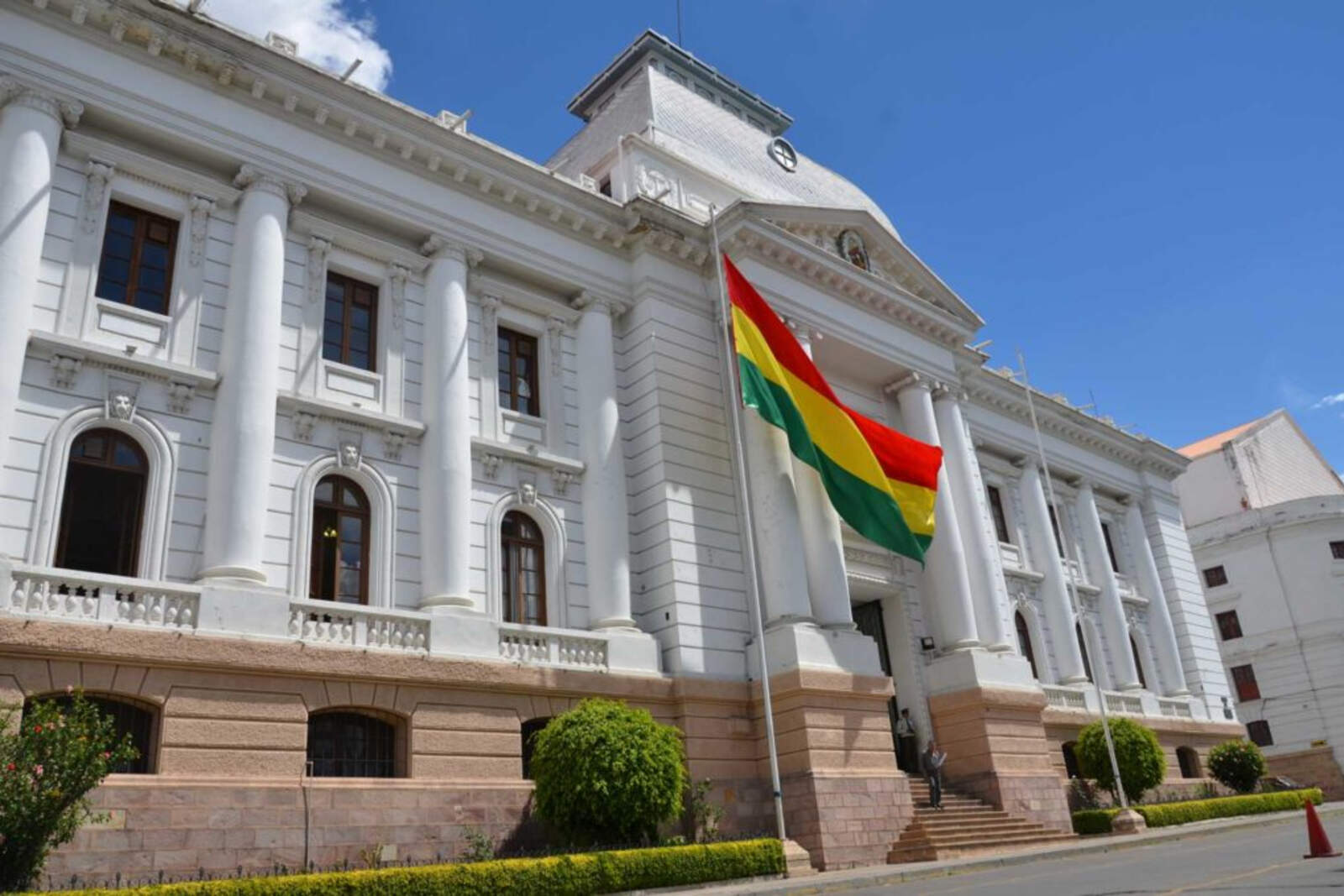
En materia de justicia se prevé una importante reforma en el sistema judicial

Energy and Social Agenda

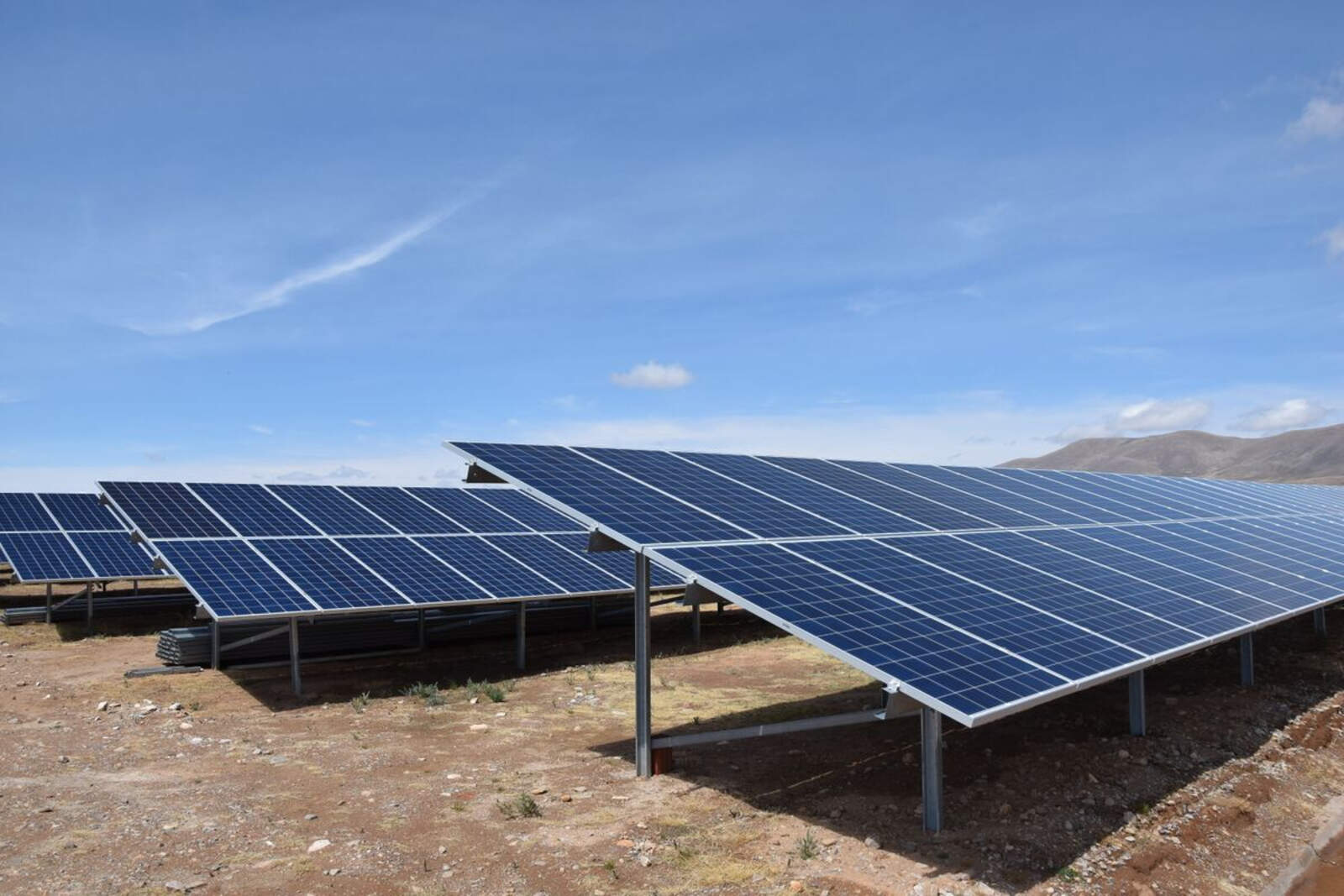
Aware of Bolivia's dependence on hydrocarbons, Paz has proposed the development of clean energy as a long-term axis. His plan includes investments in solar, wind, and biomass energy, as well as tax incentives for green companies and labor transition policies for workers in the extractive sector.

The energy strategy seeks to diversify the productive matrix, attract international investment, and fulfill environmental commitments without compromising economic growth.

In the social sphere, the government has announced that it will review Law 348 on protection against violence toward women, without rolling back acquired rights, but seeking to correct legal gaps and guarantee greater procedural balance.

Paz implementará un plan de energías renovables a largo plazo sin comprometer el sector de los hidrocarburos


Noticias relacionadas

The historic streak of the BCRA does not stop and reaches 53 positive wheels

The historic streak of the BCRA does not stop and reaches 53 positive wheels

GDP reached a new historic record thanks to Javier Milei

GDP reached a new historic record thanks to Javier Milei

A UTN teacher who called for a new attack in Argentina has been disconnected

A UTN teacher who called for a new attack in Argentina has been disconnected

The United States offered millions of dollars in rewards for leaders of the Iranian regime

The United States offered millions of dollars in rewards for leaders of the Iranian regime

Switzerland blocked arms exports to the US because of the conflict with Iran and generated harsh criticism

Switzerland blocked arms exports to the US because of the conflict with Iran and generated harsh criticism

Public transport in Córdoba: why private transport saves you and Daniel Passerini's philokirchnerist sinks you

Public transport in Córdoba: why private transport saves you and Daniel Passerini's philokirchnerist sinks you

La Derecha Diario logo
ESX logoInstagram logoYouTube logoTikTok logo
ARGENTINABOLIVIAECUADORISRAELMEXICOURUGUAYDERECHA DIARIO TV
  • ESXInstagramYouTubeTikTok
  • DERECHA DIARIO TV
  • Secciones
  • ARGENTINA
  • BOLIVIA
  • ECUADOR
  • ISRAEL
  • MEXICO
  • URUGUAY
  • Países
  • La Derecha Diario logoLA DERECHA DIARIO
  • La Derecha Diario México logoLA DERECHA DIARIO MÉXICO
  • La Derecha Diario Uruguay logoLA DERECHA DIARIO URUGUAY
  • La Derecha Diario Ecuador logoLA DERECHA DIARIO ECUADOR
  • La Derecha Diario Bolívia logoLA DERECHA DIARIO BOLÍVIA
  • La Derechadiario República Dominicana logoLA DERECHADIARIO REPÚBLICA DOMINICANA
  • La Derecha Diario Israel logoLA DERECHA DIARIO ISRAEL
  • La Derecha Diario Estados Unidos logoLA DERECHA DIARIO ESTADOS UNIDOS
  • Temas
  • GUERRA EN IRÁN
  • El Diario
  • QUIENES SOMOS
  • AUTORES
  • PUBLICIDAD
  • DONAR
La Derecha Diario logo
TwitterInstagramYouTubeTikTok
Derecha Diario TV

Nosotros

  • Quienes Somos
  • Autores
  • Donar

Privacidad

  • Protección de datos
  • Canales
  • Sitemap

Contacto

  • info@derechadiario.com.ar
PUBLICIDAD