In recent hours, Russia has intensified its nuclear efforts following the testing of a new remote device
Compartir:
Moscow has intensified its display of military power by conducting two nuclear tests in less than a week, amid stalled talks with the United States regarding the war in Ukraine.
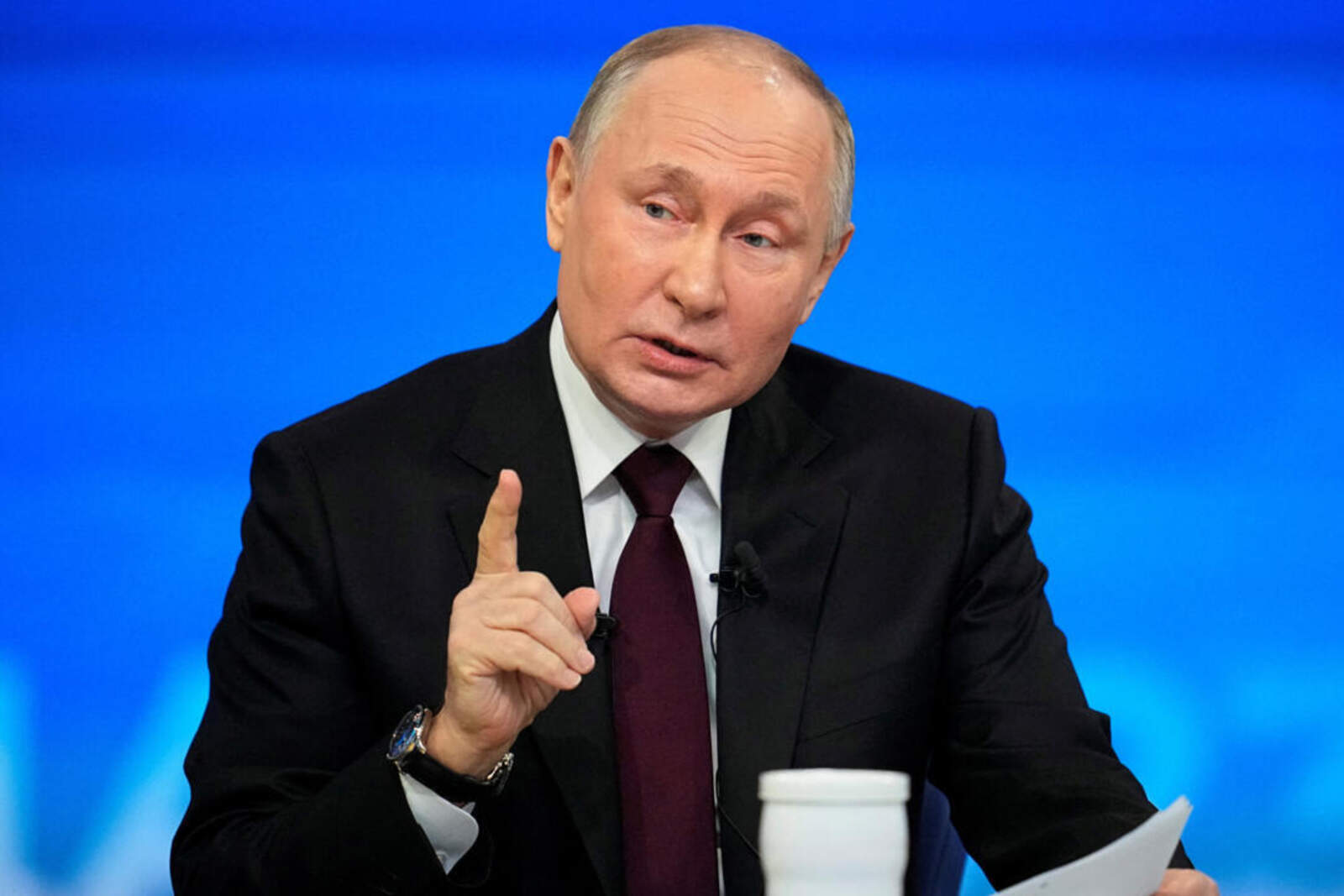
Three days after announcing the test of the Burevestnik nuclear cruise missile, President Vladimir Putinconfirmed this Wednesday the successful test of the Poseidon nuclear underwater drone, a weapon he described as "impossible to intercept" and which Russian media have dubbed the "Doomsday Machine."
During a visit to a military hospital in Moscow, Putin stated that Poseidon was tested for the first time using its nuclear propulsion system. According to his explanation, the reactor powering the drone is "one hundred times smaller" than those of conventional submarines, but its power is "significantly greater" than that of the Sarmat intercontinental missile, also known as Satan II in NATO classification.
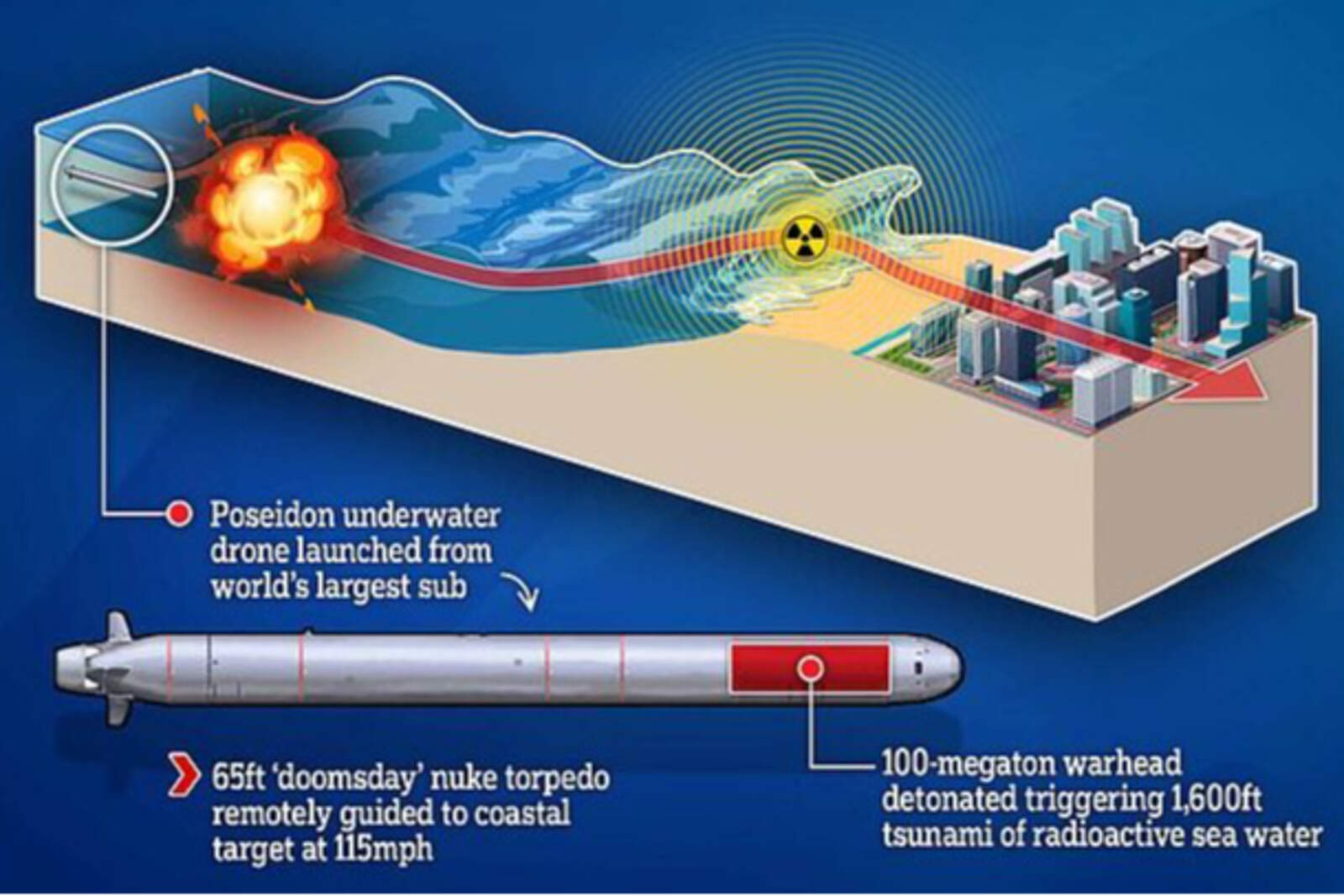
According to Russian sources, Poseidon, known to NATO as Kanyon and previously called Status-6, is about 65.6 feet (20 meters) long, has a diameter of 5.9 feet (1.8 meters), weighs around 220,462 pounds (100 metric tons), and can travel at speeds of up to 124 miles per hour (200 kilometers per hour).
El ''Poseidón'' puede viajar a una velocidad de 200 kilómetros por hora
Its nuclear reactor would provide it with a virtually unlimited range, allowing it to remain operational for long periods and at depths that make detection difficult.
Moscow keeps that Poseidon was designed to detonate near enemy coasts, generating a radioactive tsunami capable of destroying port infrastructure and causing massive damage along the coastline. Military analysts interpret this capability as an attempt by Russia to strengthen its strategic deterrence in the face of Western technological superiority.
Poseidon is part of the six "superweapons" that Putin unveiled in his 2018 state of the nation address, along with the Avangard hypersonic missile, the Burevestnik nuclear cruise missile, the Peresvet laser, the Kinzhal air-launched missile, and the Sarmat intercontinental ballistic missile. According to the Kremlin, this arsenal is a response to the deployment of United States missile defense shields, considered a threat to the global nuclear balance.
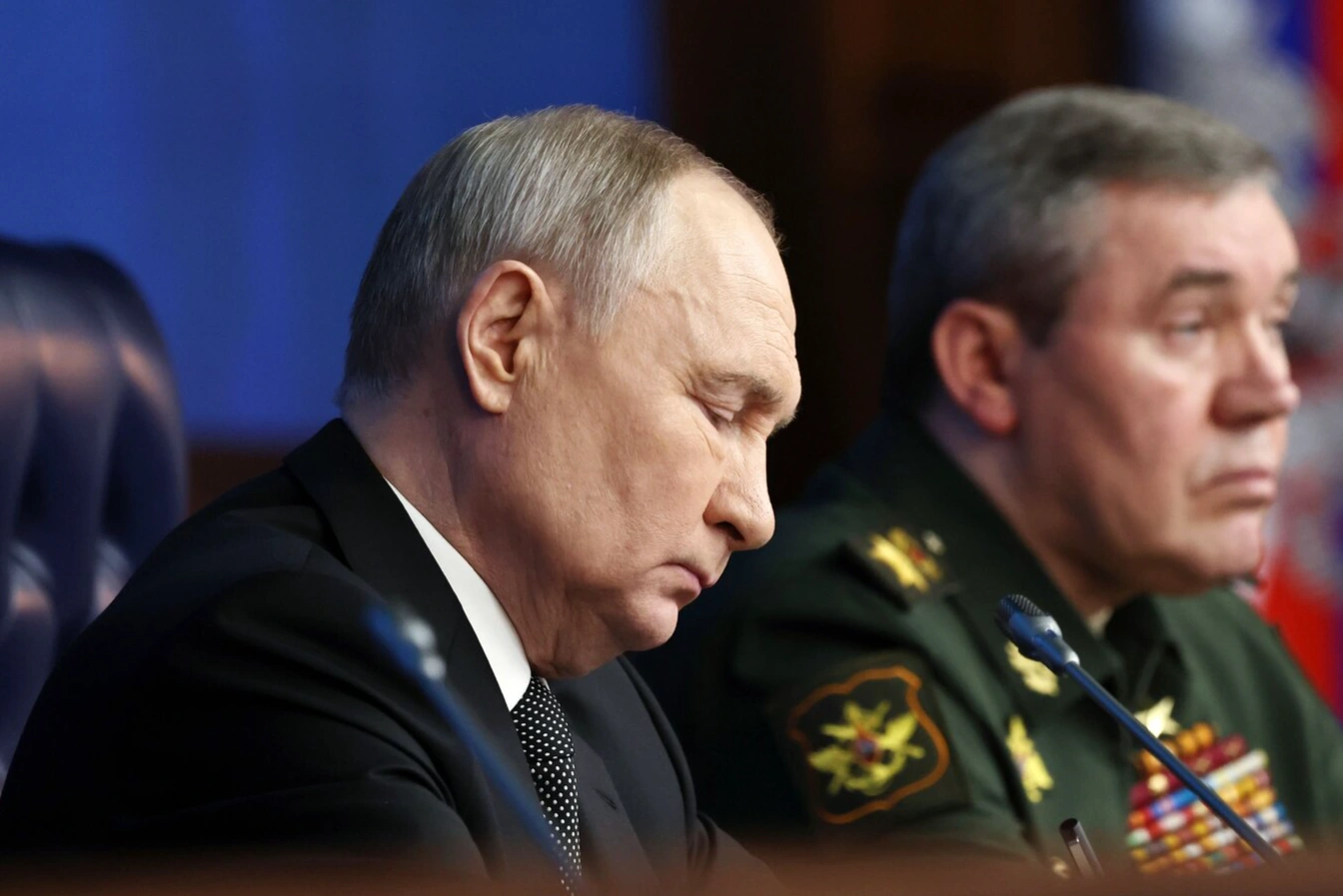
The recent Poseidon test follows the launch of Burevestnik last weekend and the nuclear exercises conducted by Russia the previous week. International observers see this sequence of tests as a direct message to Washington, in a context of Moscow's growing isolation and with the war in Ukraine approaching its fourth year with no prospects for a ceasefire.
El misil impacta contra las costas generando poderosos tsunamis radioactivos
The United States' response was swift. President Donald Trumpcalled the Burevestnik test "inappropriate" and warned that Russia "knows that the United States has a nuclear submarine deployed very close to its coasts."
He also criticized Putin for prioritizing the arms race instead of seeking a solution to the conflict. "He should put an end to a war that should have lasted a week and is now in its fourth year," Trump declared.
With these actions, Russia reaffirms its commitment to consolidate its military position against the West, even at the risk of intensifying global tension. Analysts agree that the development and testing of new nuclear weapons mark a setback in disarmament efforts and rekindle fears of a new arms race among the powers.
Donald Trump advirtió a Rusia por el desarrollo de armas nucleares