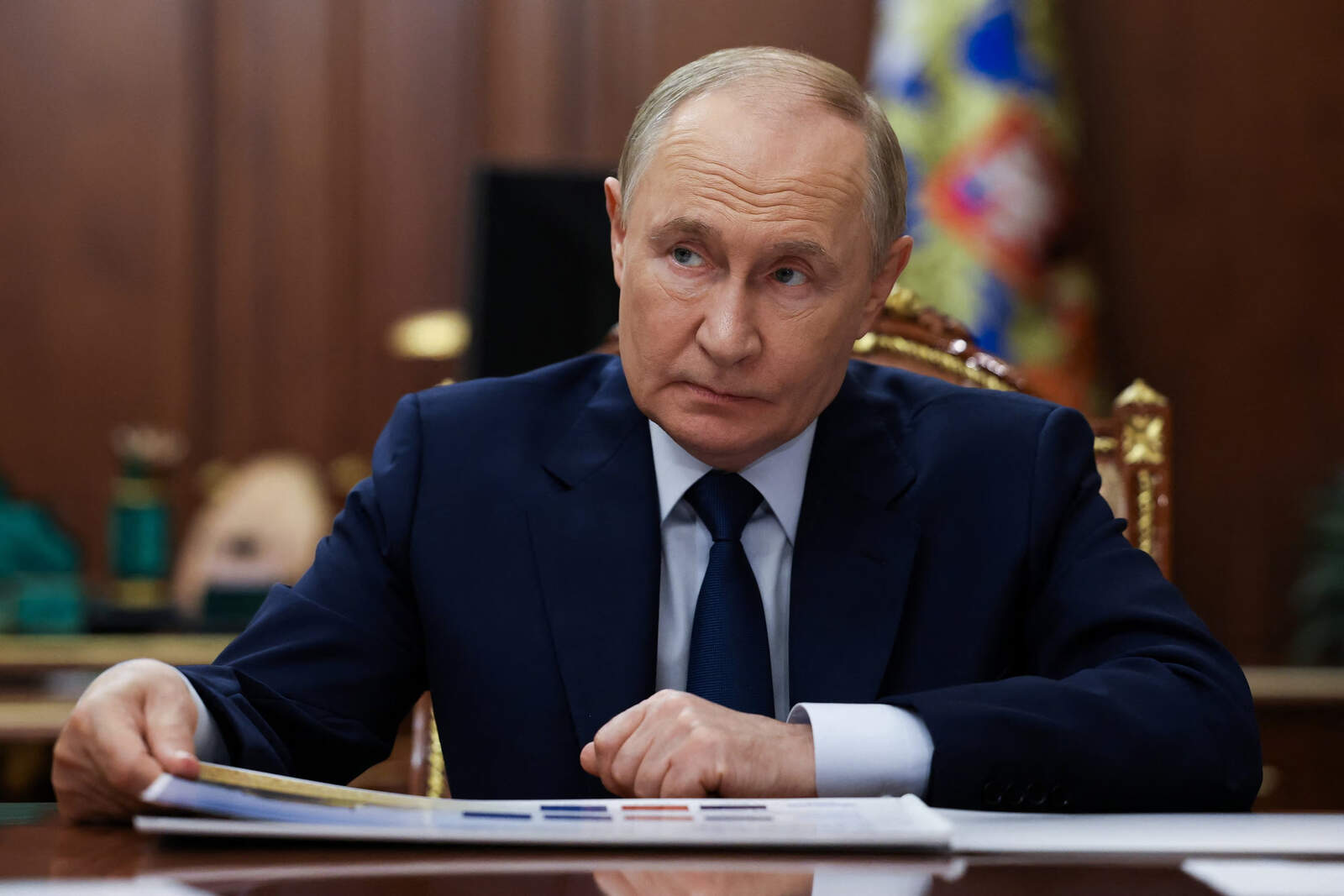
The Russian economy is showing increasingly clear signs of exhaustion and Vladimir Putin's government is seeking to keep the war effort in Ukraine afloat at the expense of its population's pockets. According to the 2026 draft budget, the Kremlin intends to implement significant tax increases that will fall on both consumers and the business sector.
The government plans to raise VAT from 20% to 22% and drastically reduce the threshold from which small businesses must begin to pay it, which would drop from 60 million to 10 million rubles per year. In addition, a new 5% tax on gambling is expected. All this is happening in a context of economic slowdown and increasingly negative projections. Even with these increases, the fiscal deficit is expected to be around 1.6% of GDP next year.
The Ministry of Finance itself acknowledges that GDP growth will collapse to 1.3% in 2026, far from the 4.1% recorded in 2024 and even below its own previous estimates. Although defense spending will be slightly reduced—from a record 13.5 trillion rubles to 13 trillion—the tax burden falls on society. At the same time, resources allocated to "national security and law enforcement" will increase by 13%, which shows that the Russian administration prioritizes strengthening its defenses over relieving the population.
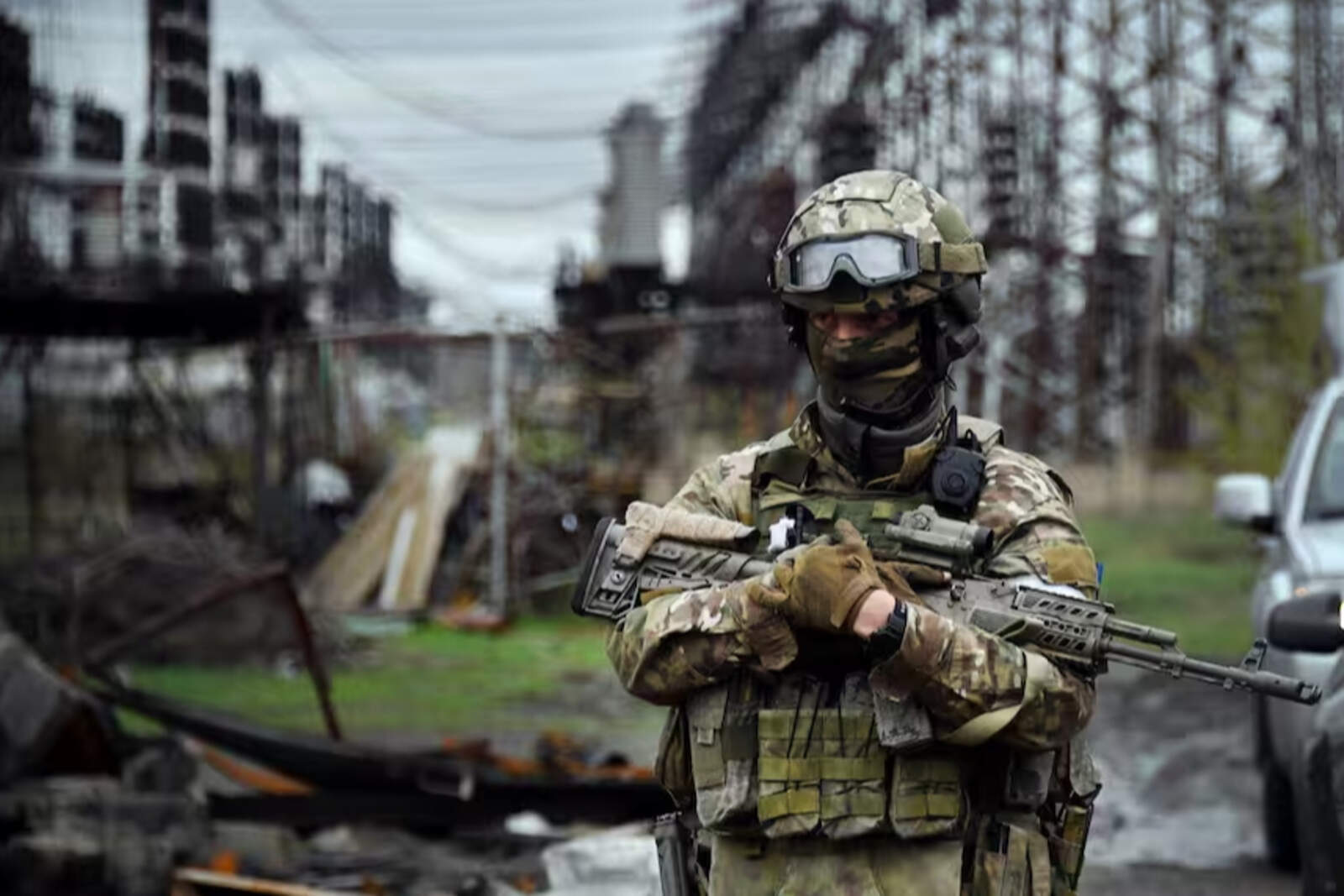
Soldado ruso en territorio Ucraniano.
International analysts warn that Russia can no longer resort to the fiscal stimulus that supported its economy in the early years of the invasion. Researcher Alexander Kolyandr pointed out that Moscow "has opted for austerity measures that threaten to further suffocate the civilian economy." Along the same lines, Alexandra Prokopenko of the Carnegie Russia Eurasia Center stated that "the new budget confirms that Russian society is paying for the war."
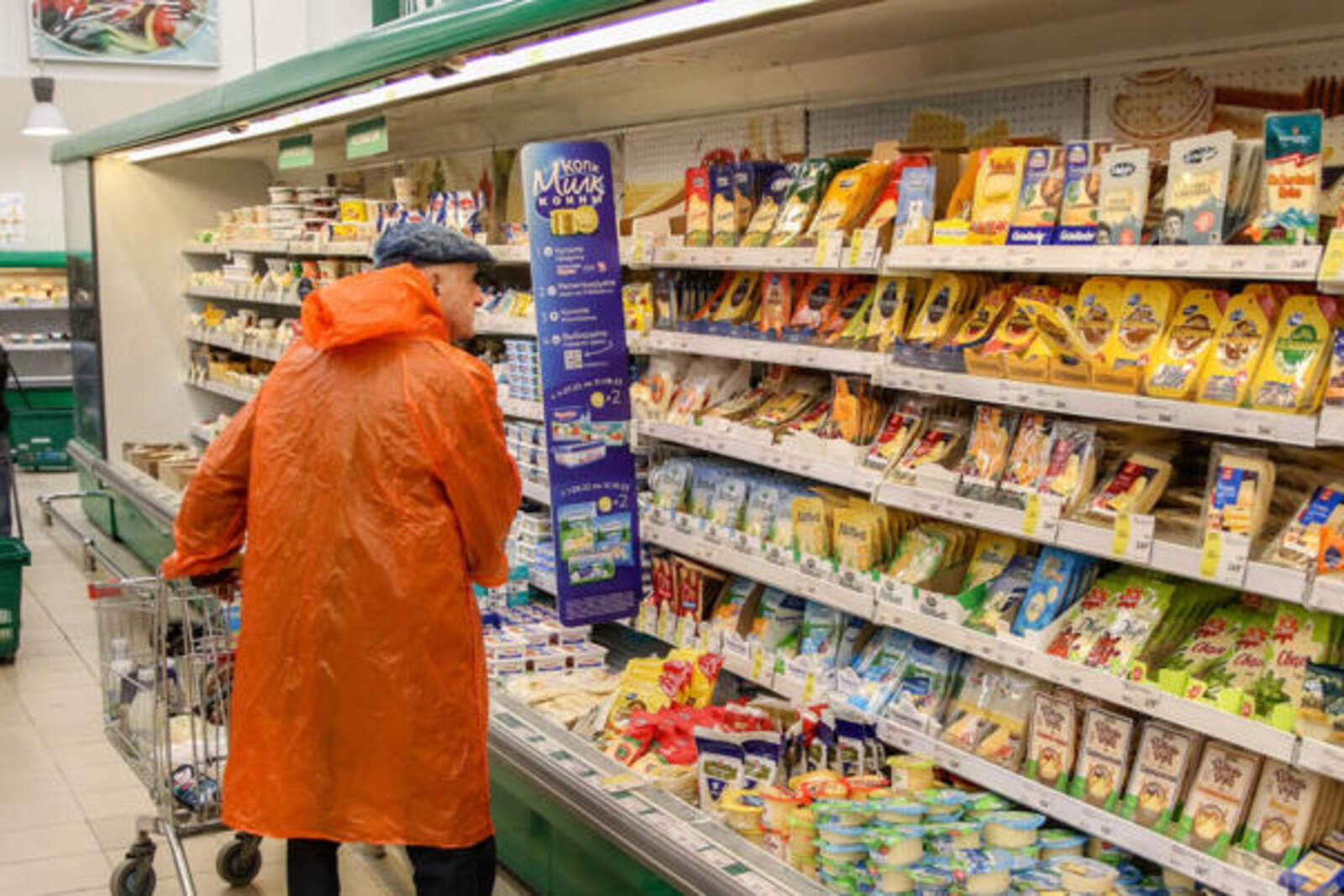
Inflation, which climbed to 8.1% in August, is hitting Russian households especially hard. Basic products such as butter and meat have skyrocketed in price, while the Central Bank keeps an interest rate of 17% to contain the surge. This makes credit more expensive and hits businesses, generating a vicious cycle of recession and taxes.
Finance Minister Anton Siluanov justified the adjustment by stating that raising taxes is preferable to increasing debt, which could drive inflation even higher. However, the reality is that Putin's policy translates into less consumption, less investment, and more pressure on a society that is already burdened with four years of war.
Consumidor ruso en un supermercado de San Petersburgo.
Meanwhile, the Kremlin insists on prolonging an invasion that has left hundreds of thousands dead and a country isolated by international sanctions, the real cost is beginning to be felt within its borders. The Russian people, who for the most part were led into this war without options, are now paying for the military campaign with inflation, unemployment, and higher taxes.