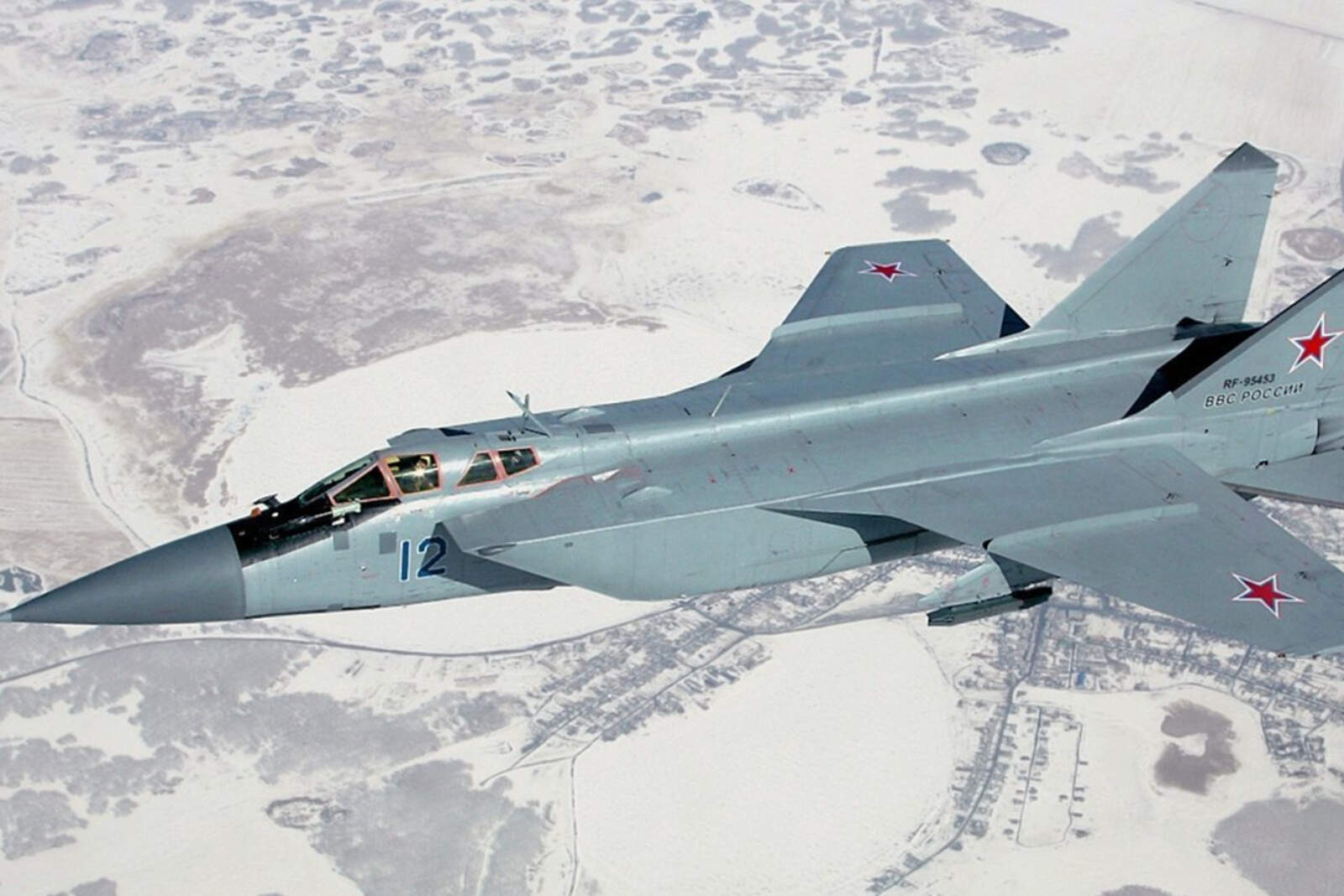
Estonia's Ministry of Defense reported on Friday that three Russian MIG-31 fighter jets entered Estonian airspace over the island of Vaindloo in the Gulf of Finland without authorization. The aircraft remained for almost 12 minutes in sovereign airspace without flight plans, with transponders turned off, and without communication with local air traffic control.
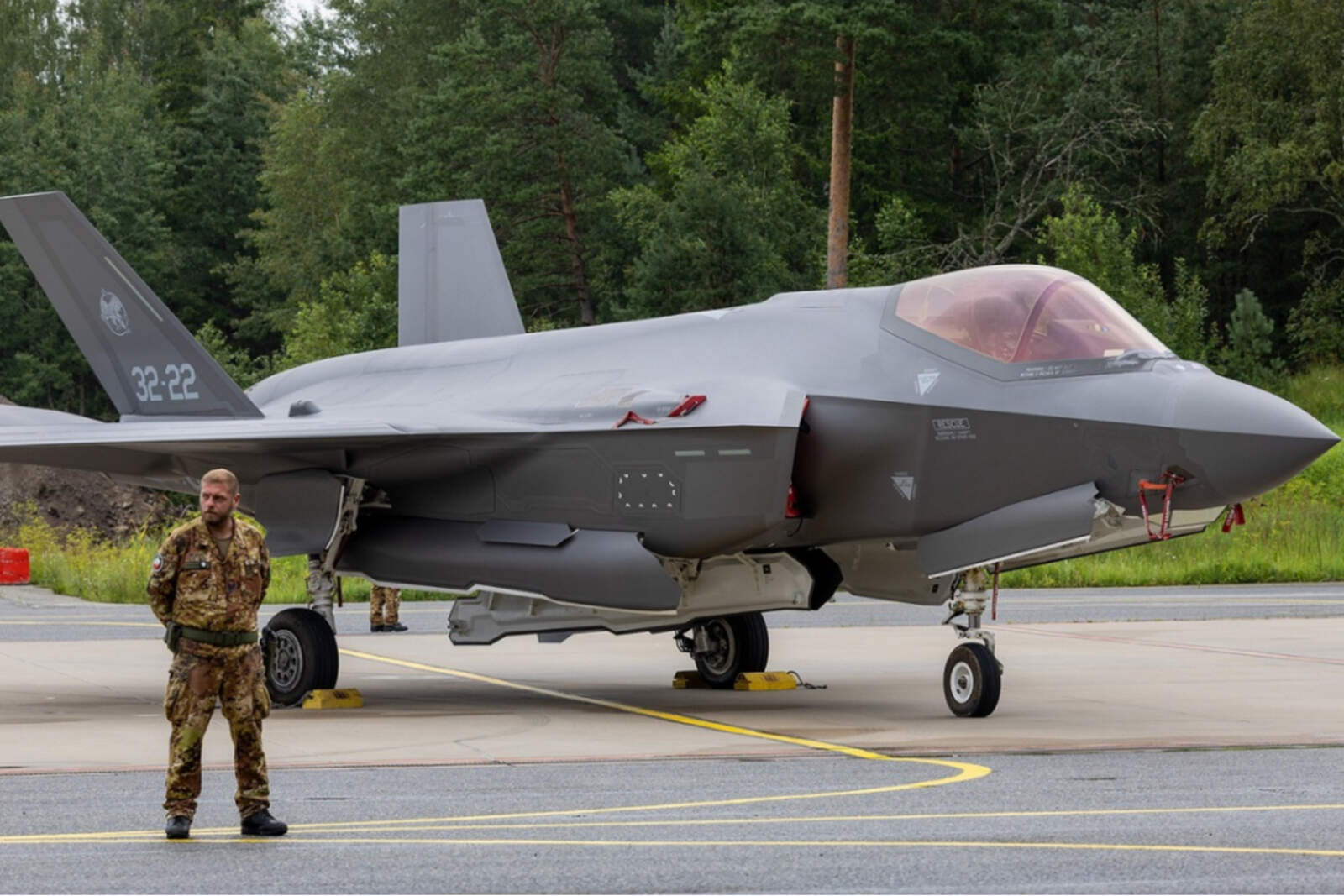
In response to the incursion, Italian Air Force F-35 jets, deployed at Ämari Air Base as part of NATO's Baltic Air Policing mission, were dispatched to intercept the Russian MIGs.
Estonia protests and warns: "It's unacceptable"
Estonia's Ministry of Foreign Affairs summoned the chargé d'affaires of the Russian embassy in Tallinn and delivered a note of protest. "Russia has already violated Estonia's airspace on four occasions this year, which is unacceptable. However, today's incursion, with three fighter jets, is blatantly unprecedented," declared Foreign Minister Margus Tsahkna.
Cazas rusos invadieron el espacio aéreo de Estonia y la OTAN respondió con F-35
The minister called for tougher political and economic pressure against Moscow and emphasized that Russian actions represent a dangerous escalation in Eastern Europe.
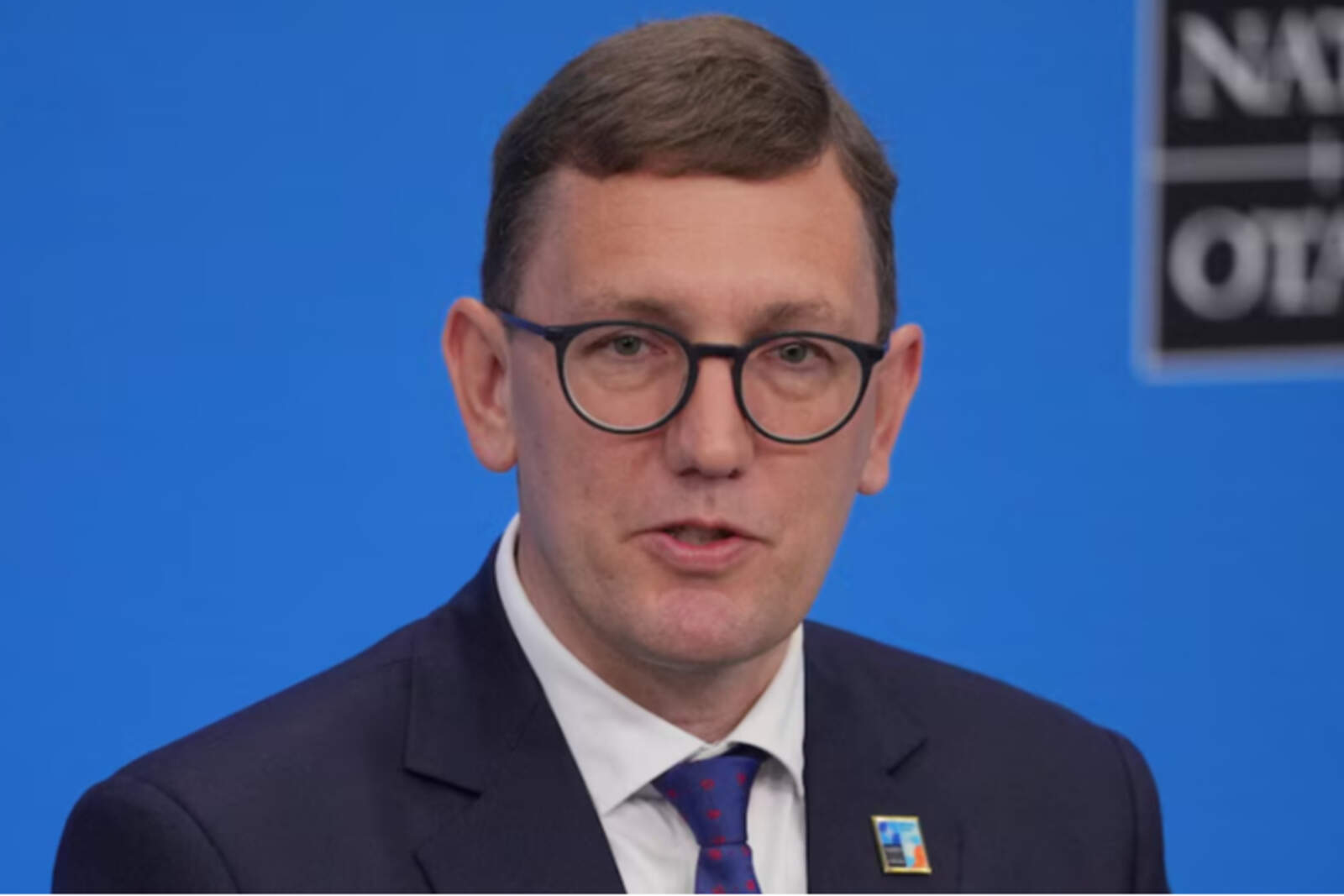
Estonian Defense Minister Hanno Pevkur was categorical: "Russia is an acute threat to Europe, to NATO, and to any sensible country in the world."
Cazas rusos invadieron el espacio aéreo de Estonia y la OTAN respondió con F-35
Pevkur recalled that in the past Estonia's warnings were dismissed as paranoia, but the facts confirm the Kremlin's aggressiveness. According to him, a possible ceasefire in Ukraine would leave tens of thousands of demobilized Russian soldiers, who could destabilize regions in Africa, Asia, and Europe through paramilitary or covert operations, replicating the Wagner group's model.
Russia, a global risk beyond Ukraine
The Estonian leader warned that Moscow not only threatens NATO's eastern border but also global stability. "This is not just about Europe. It's the question of what will happen across the entire planet when the war ends," Pevkur warned.
The statements reinforce the position that Russia doesn't act in isolation, but rather uses its military apparatus and mercenary networks to expand its influence in international conflicts, from arson attacks on European depots to interventions in sub-Saharan Africa.