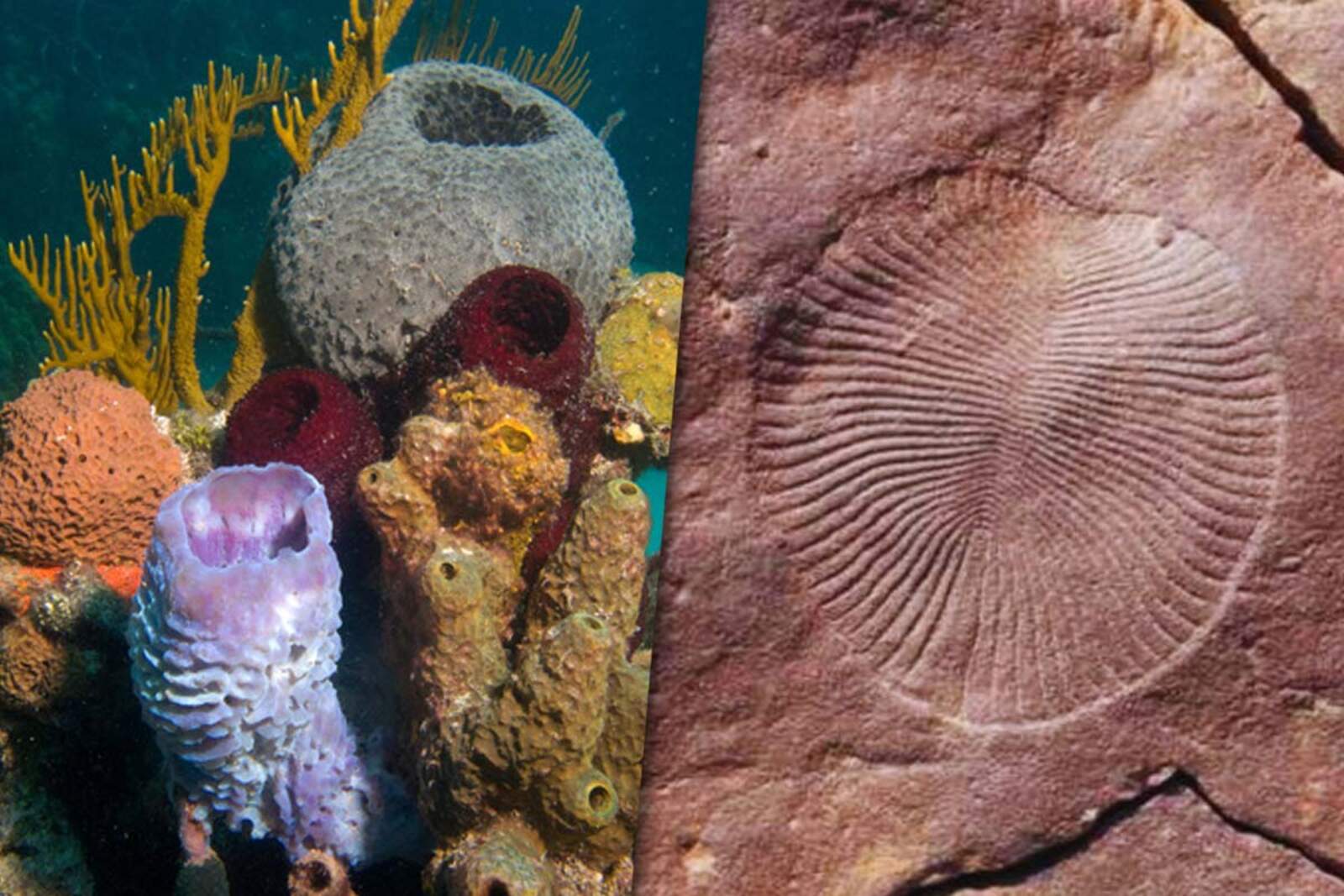
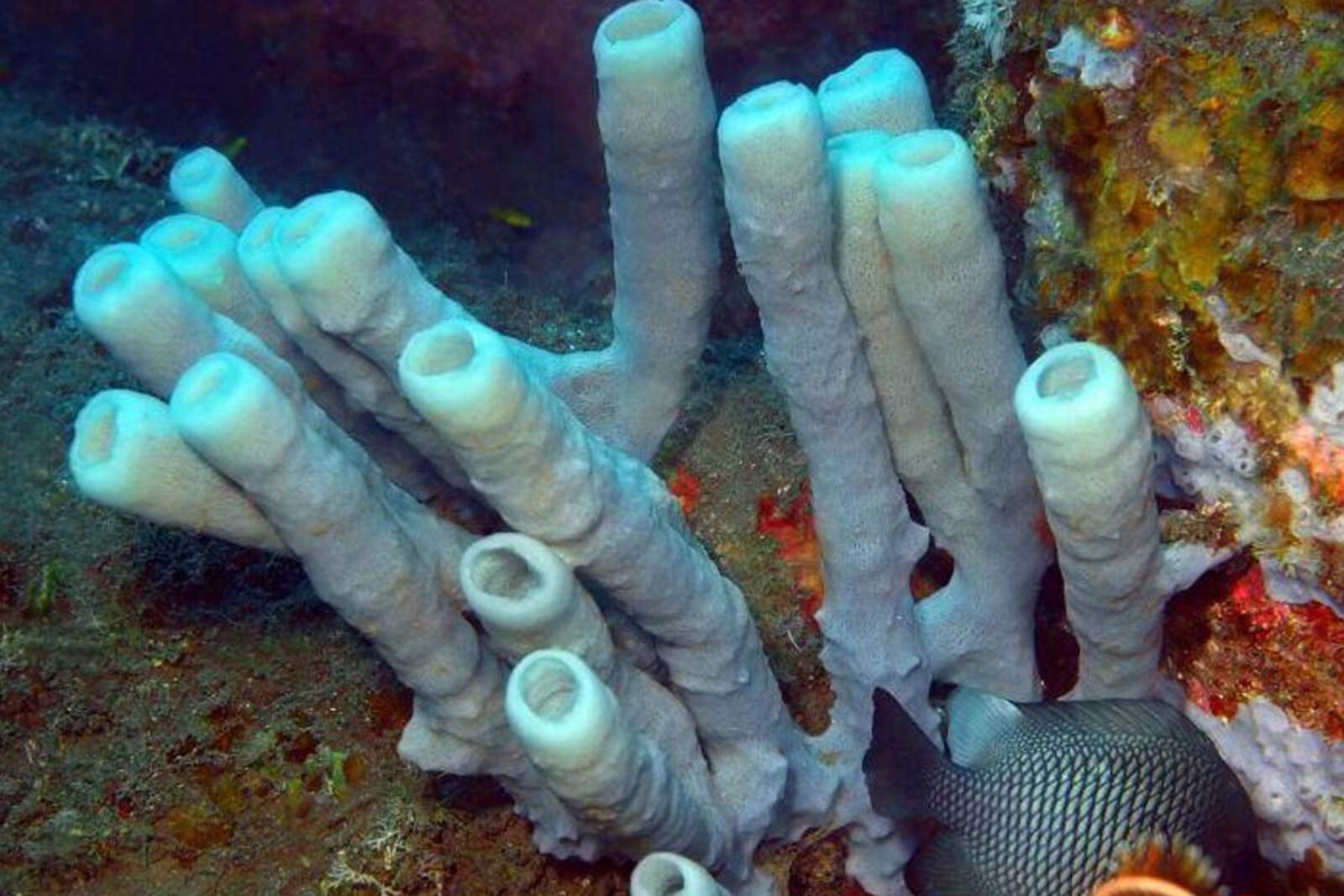
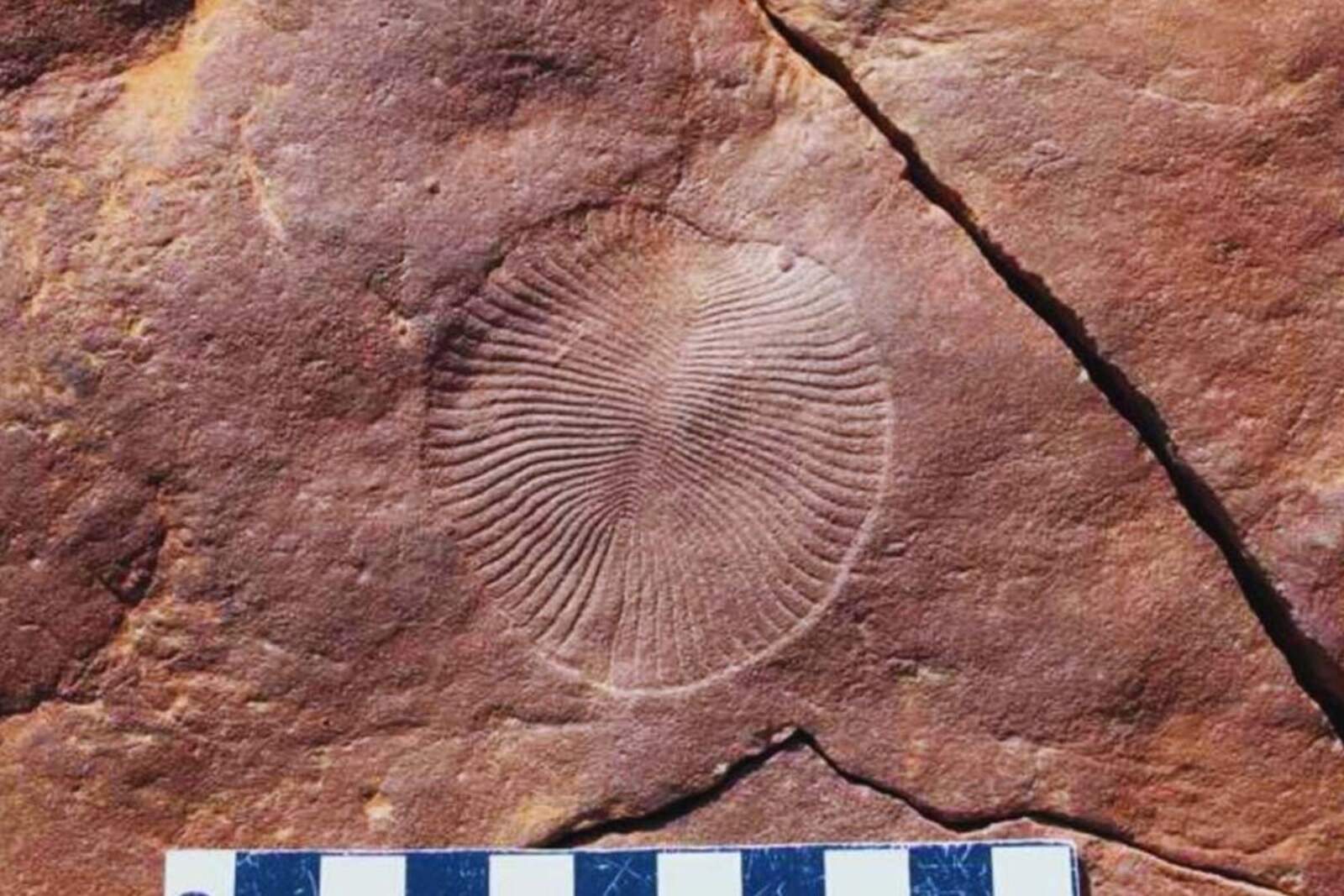
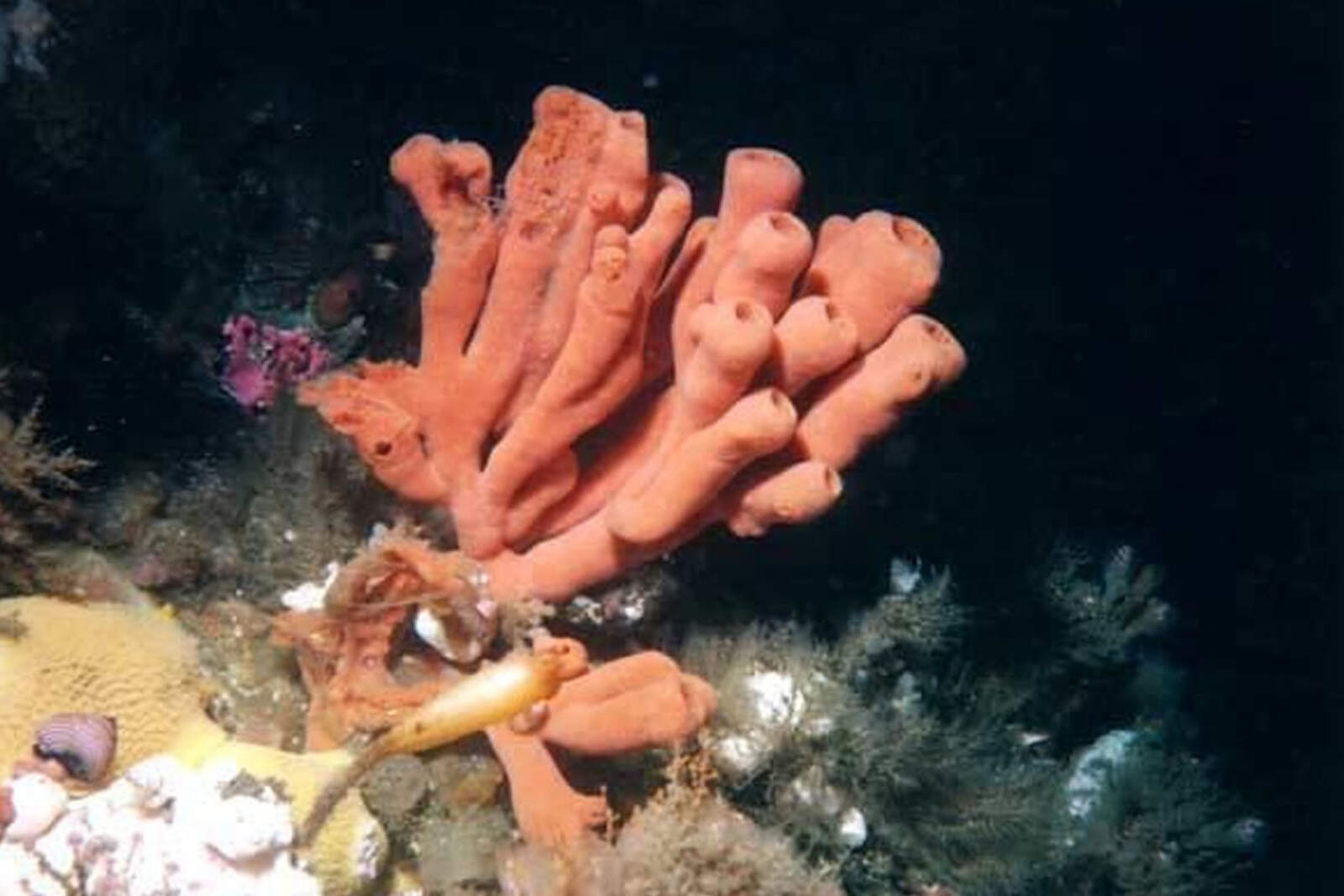
A scientific discovery confirms that sponges were the first animals to appear, long before the Cambrian explosion. The findings show that biological complexity arose from simple and cooperative organisms.
The study, published in PNAS, analyzes chemical traces in rocks from Oman, Siberia, and India. It revealed that demosponges left a "molecular signature" that allows researchers to reconstruct the origin of the Animalia kingdom.
Un descubrimiento científico confirma que las esponjas fueron los primeros animales
The chemical trail that changed history
For decades, scientists searched for visible fossils, but they only reached as far as the Cambrian explosion. To go further back, they turned to chemical biomarkers, such as C30 and C31 steranes, which are only produced by modern sponges.
These compounds were found in proportions consistent with current organisms, confirming that sponges filtered the primitive oceans and formed the first complex biological organization.
The evidence behind the discovery
The team compared the oldest rocks with living sponges and synthesized versions of the compounds in the laboratory. Only the molecules present in sponges survived the artificial fossilization process, ruling out other geological explanations.
La evidencia detrás del hallazgo
This demonstrates that the cellular cooperation of demosponges was the first step toward multicellularity, marking the beginning of the Animalia kingdom about 635 million years ago.
Cooperation before competition
Unlike more complex organisms, sponges did not move or hunt; their success depended on collaboration between cells. They filtered water, fed, and survived together, laying the foundation for future biological complexity.
Las esponjas no se movían ni cazaban; su éxito dependía de la colaboración entre células
This principle of cooperation forms the basis of all modern biology, from human tissues to entire ecosystems. The chemical evidence redefines how we understand evolution and the emergence of animal life.