
The Secretary of Productive Coordination, Pablo Lavigne, clarified through his account on X how much tax is currently paid on purchases made on Shein, Temu, Amazon and other international sites. The clarifications come after changes in the courier regime and door-to-door shipping implemented this week.
The official detailed how the previous scheme worked and how the new system has been unified, replacing the two regulations that governed international purchases until now.
How the tax was before the changes
As Lavigne explained, until now there were two distinct regimes for the same type of operation:
Courier: limit of up to USD 3,000 per shipment, 5 shipments per year, with a franchise of USD 400 per shipment paying VAT and no paperwork
Mail: 12 shipments per year with a franchise of USD 50 free of all tax, and a flat rate of 50% on what exceeded that amount, whether it was clothing, electronics, or spare parts
"Two distinct regimes for the same thing, with rules that the user could not anticipate," Lavigne pointed out.
How much tax is now paid for purchases on Shein and Temu
With the changes, there is a single rule for both channels: a franchise of USD 400 FOB per shipment paying VAT, with a maximum of 5 shipments per calendar year and a cap of USD 3,000 per operation.

The flat rate of 50% is eliminated. Above USD 400, VAT, tariffs, and statistical fees are paid, as in any traditional import. Additionally, the process is simplified: the postal operator represents the recipient before Customs, and payment can be made before the package arrives in the country.
"The VAT is the same as what was already paid by the courier within the franchise and the same as what any Argentine business pays when selling you a product," concluded Lavigne.

The new changes in door-to-door shipping
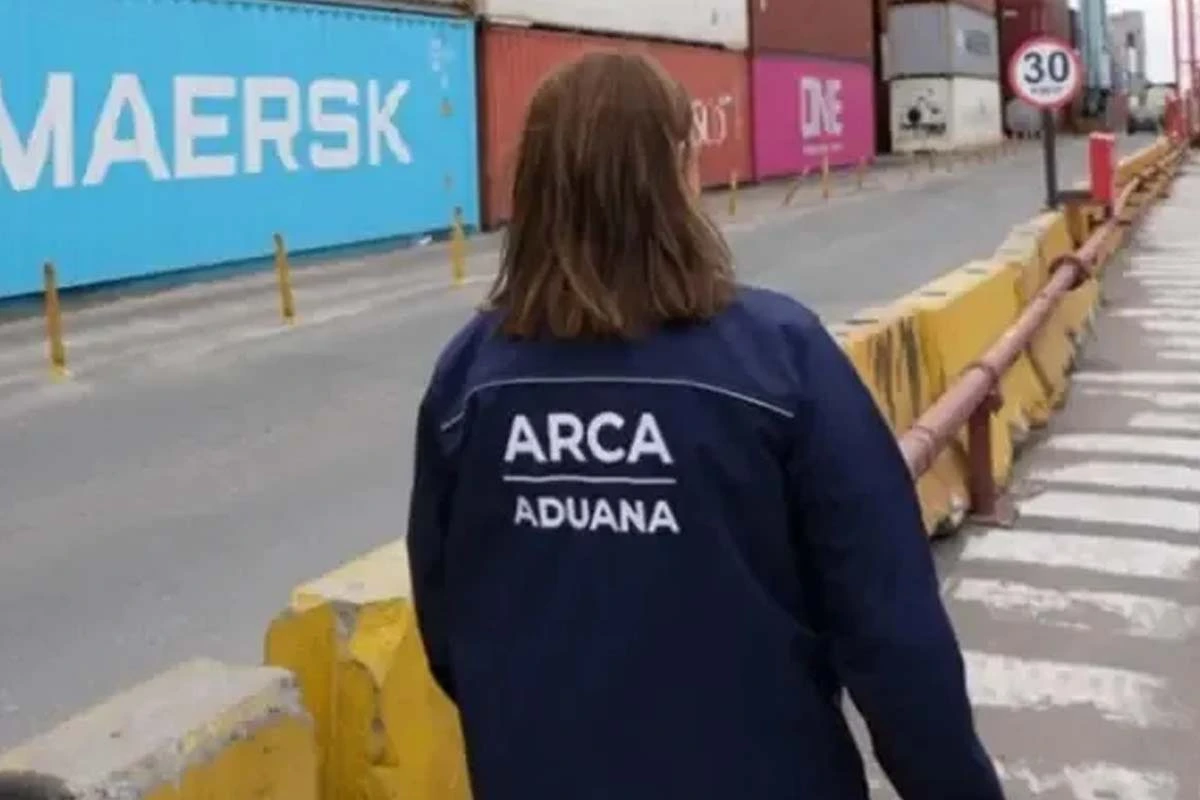
The Revenue and Customs Control Agency (ARCA) took a key step in modernizing Argentine foreign trade. Through General Resolution 5884/2026, published in the Official Gazette on July 30, 2026, the agency repealed the old RG 4,447 and introduced a renewed procedure for managing international parcels through the Official Mail.
According to the Arizmendi study, the new regulation aims to streamline the flow of packages entering the country, reducing bureaucracy in the customs process without losing control over operations.
Simplification of the door-to-door system: steps are restructured to reduce delays in deposits and accelerate direct delivery to the home
Advance validation for cross-border e-commerce: allows processing of purchase data before the package physically arrives in the country
Continuity of the USD 3,000 FOB limit: the value cap for non-commercial shipments remains