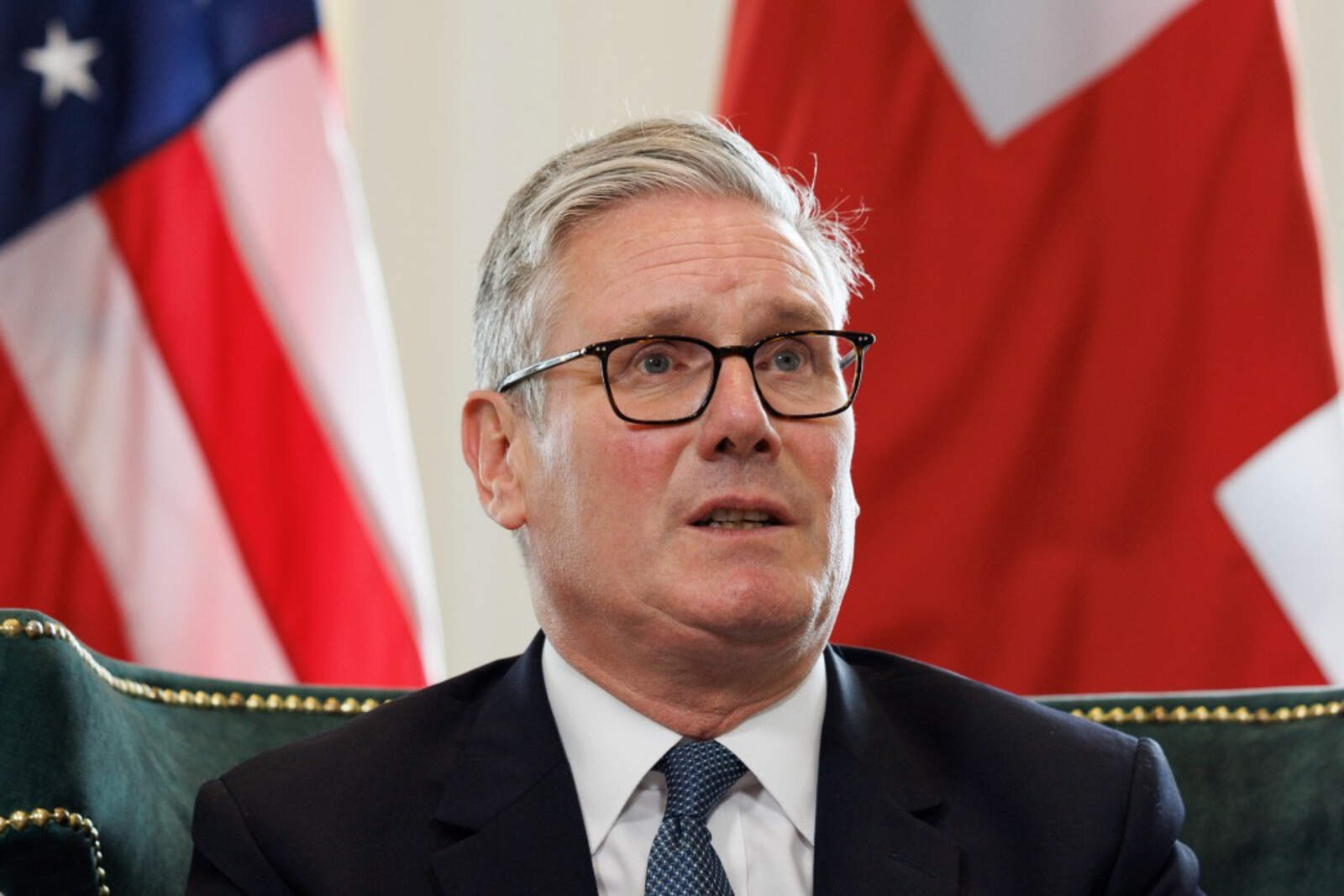

The United Kingdom government, led by socialist Prime Minister Keir Starmer, is preparing to imminently recognize the "State of Palestine," possibly as soon as this Friday.
Although the measure has been presented as a step toward peace, the decision has sparked serious criticism both nationally and internationally, not only because of its content but also due to its timing and the political intentions that many perceive behind it.
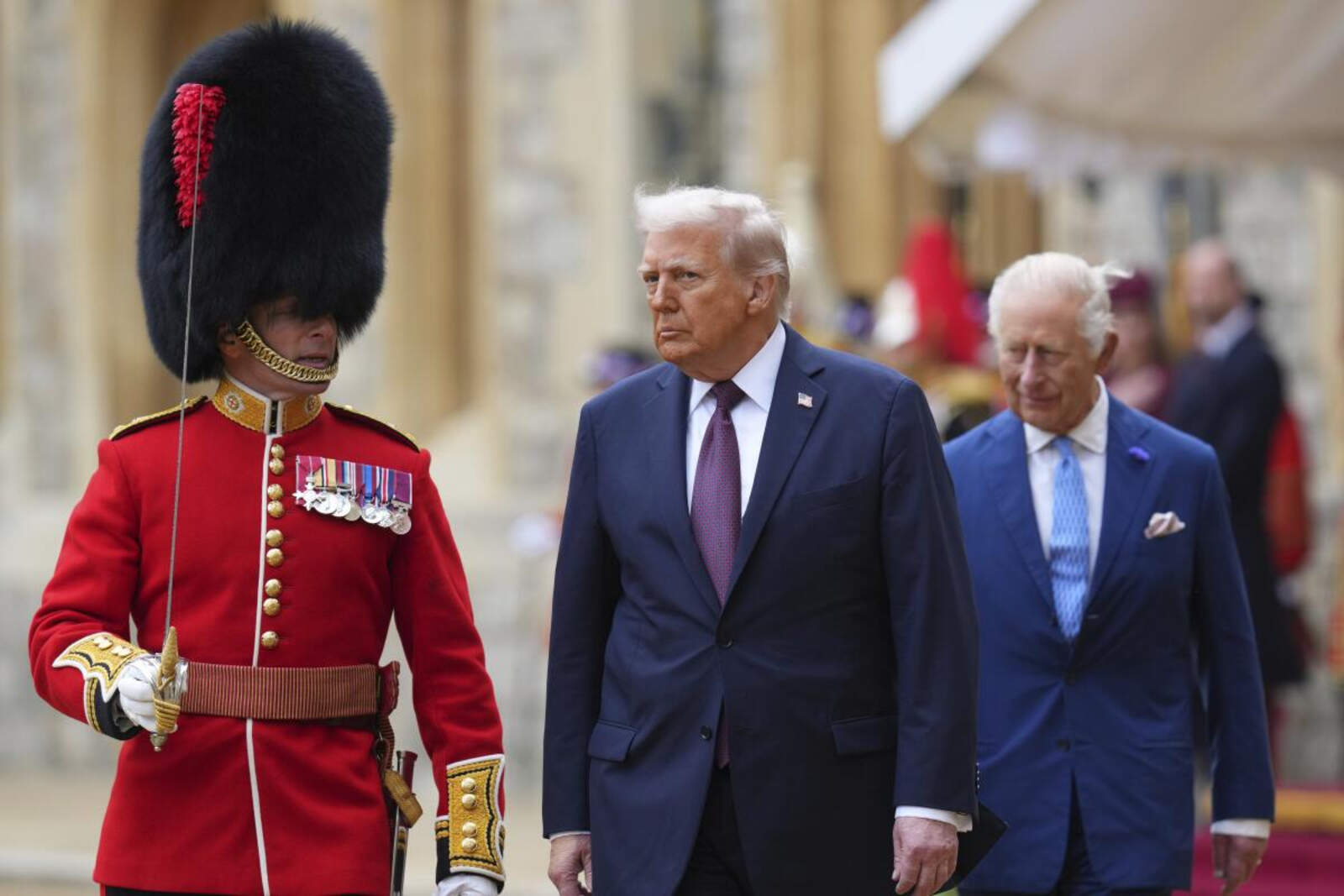
Starmer insists that the recognition is not related to the recent visit of U.S. President Donald Trump to the United Kingdom, although various reports suggest otherwise.
The fact that the measure was scheduled for after Trump's departure has fueled the perception that it is a carefully calculated maneuver to avoid direct friction with Washington. Although Starmer claims to have discussed the issue with Trump "as two leaders who respect each other," the reality is that the decision has been made without international consensus and against the current position of the United States.
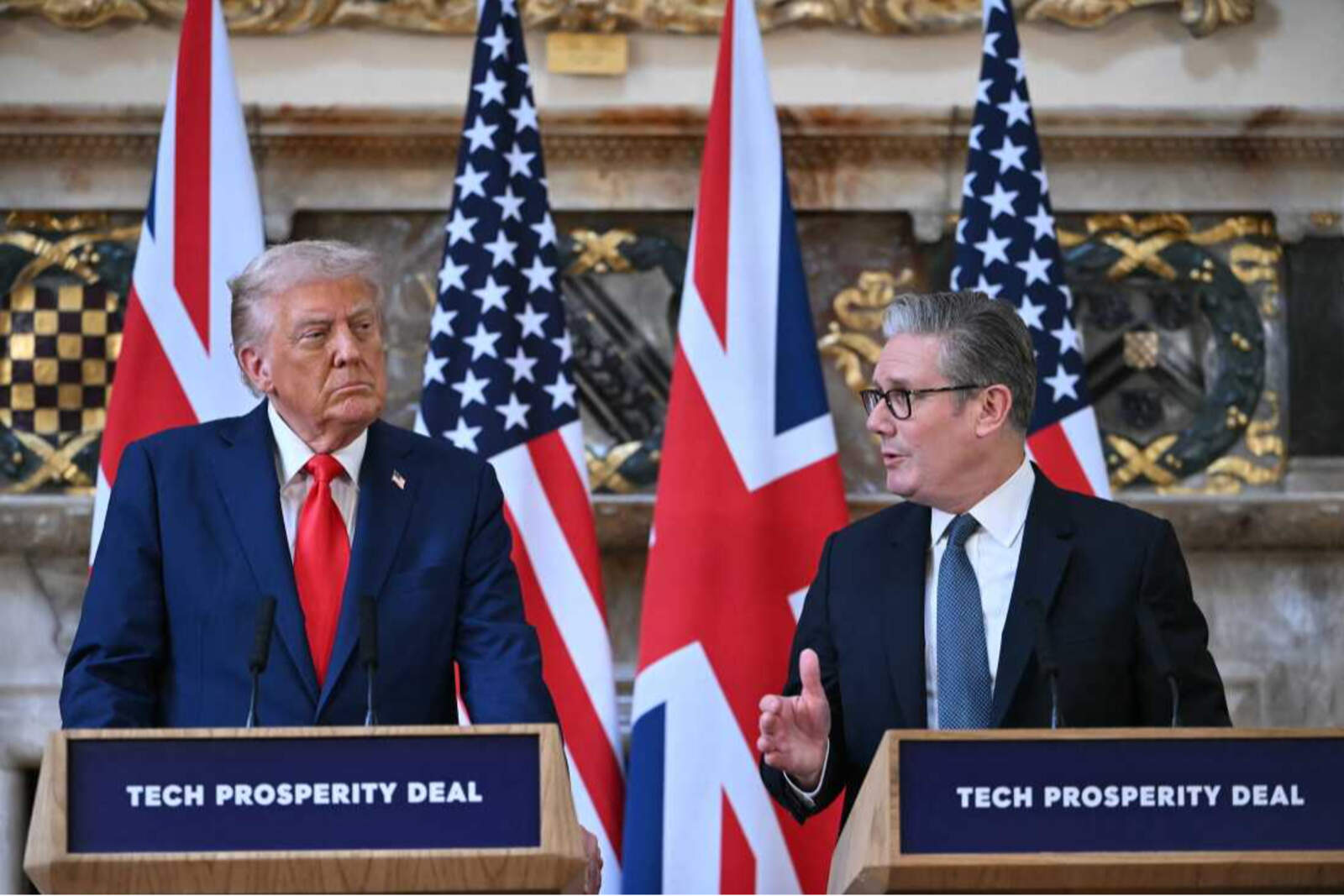
Trump, although moderate in his public criticism, made his disagreement clear: "We have some differences, and this is one of them." The U.S. president has expressed his skepticism about the viability of a two-state solution in the current context and considers the British recognition a symbolic gesture lacking real impact. Despite this, he has chosen not to create a diplomatic rift, which doesn't exempt Starmer from accusations of opportunism.
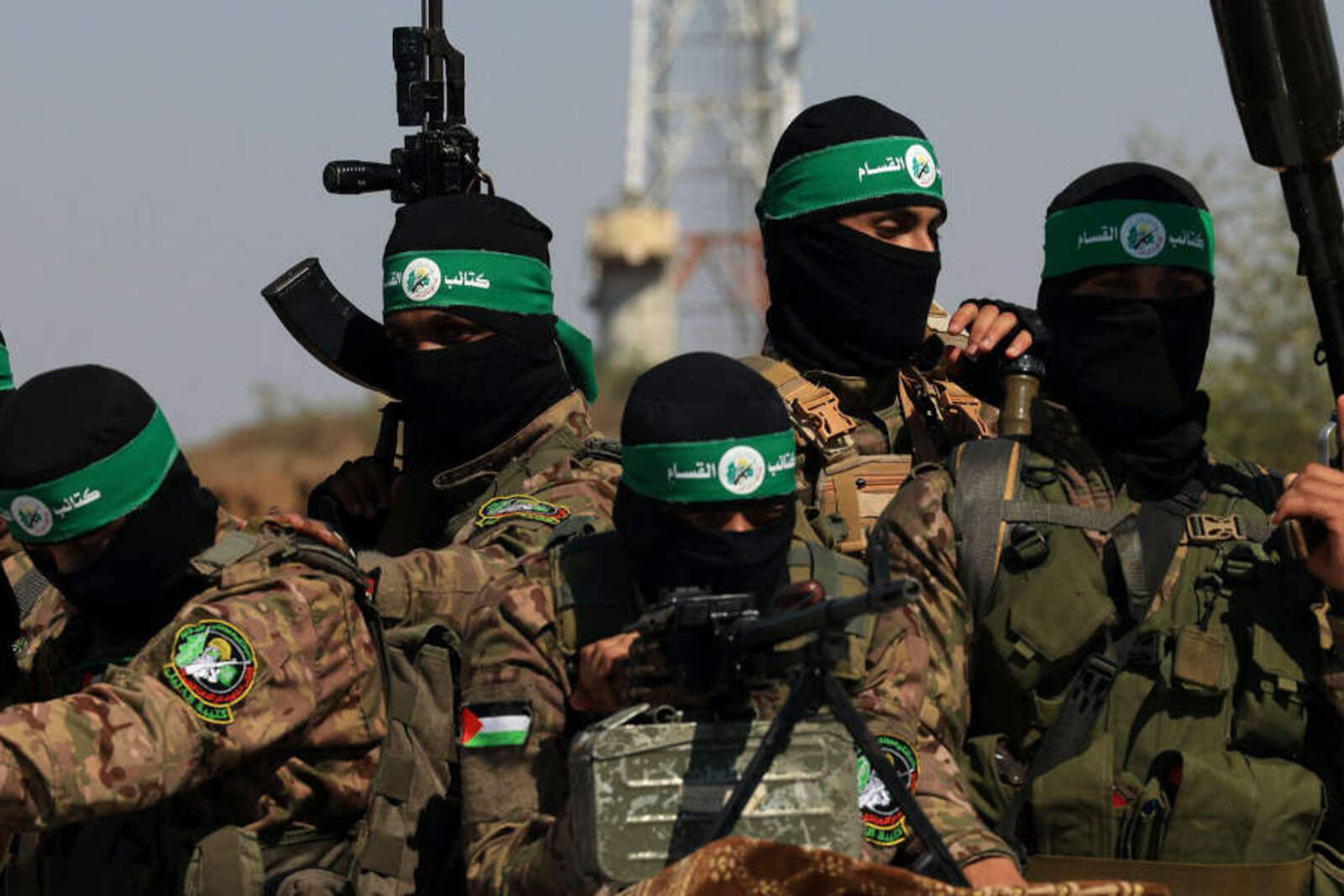
The recognition has been defended by the British government as a step toward a lasting solution that excludes Hamas and guarantees Israel's security. However, critics argue that the gesture amounts to rewarding Hamas after the attacks of October 7, 2023.
Despite Starmer's statements in which he firmly condemns Hamas as a terrorist organization, the timing chosen for this recognition suggests that the United Kingdom is yielding to internal pressure from the Labour Party and European public opinion rather than acting with realistic strategic calculation.