Stellar Blade's director states that artificial intelligence is key for Korea to match the Chinese giants, which operate with thousands of developers per title
Compartir:
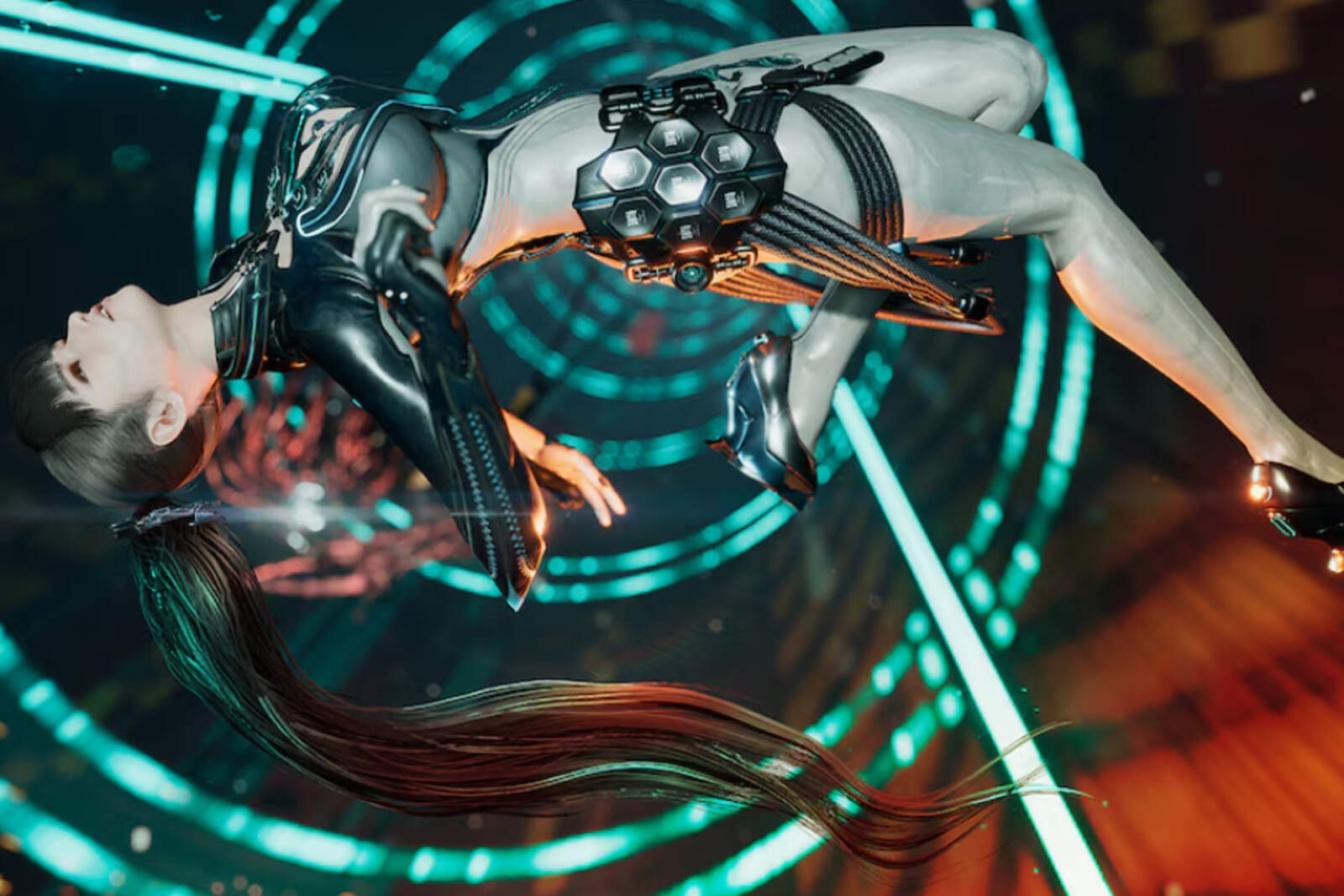
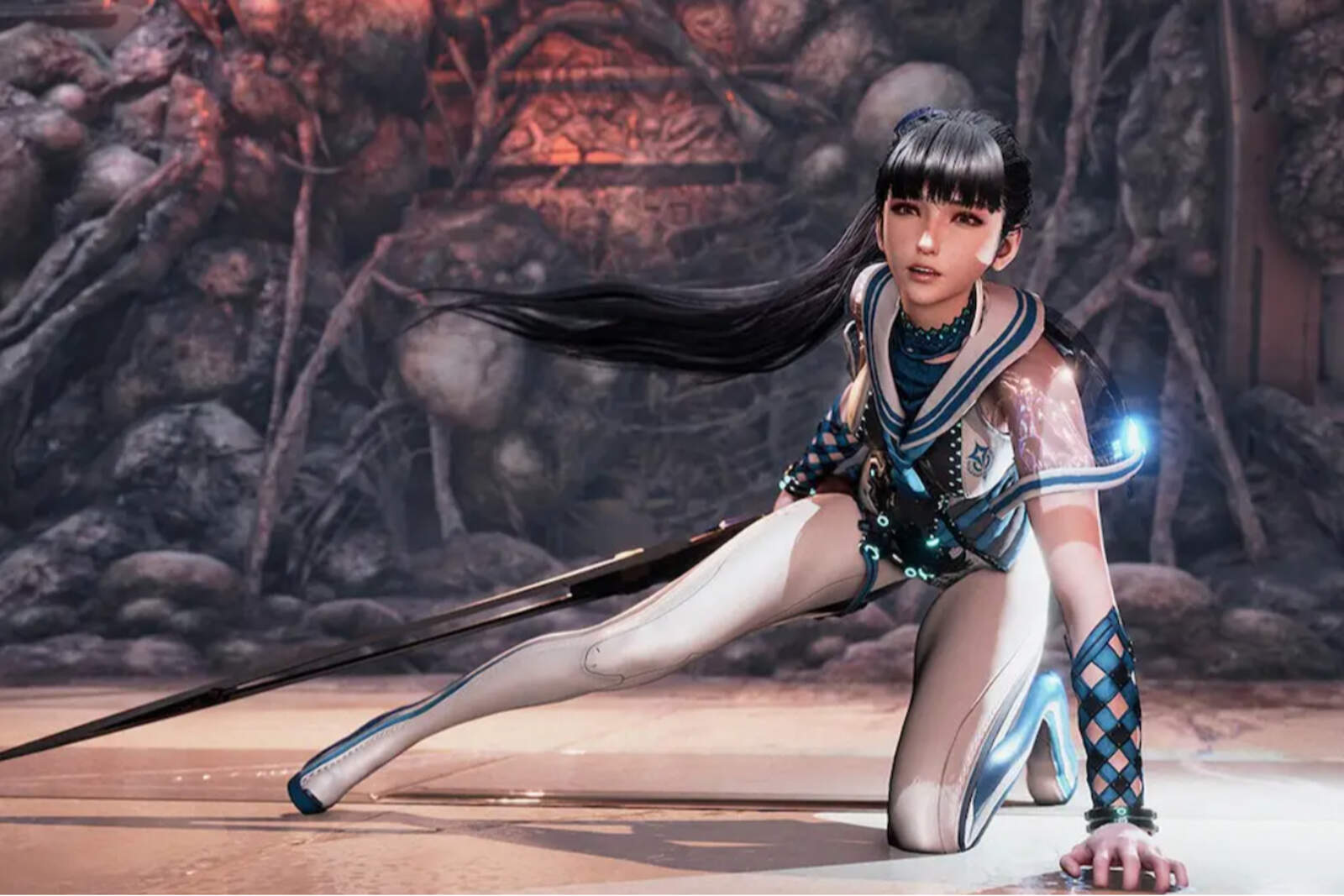
Stellar Blade director and Shift Up CEO Hyung-tae Kim sparked a strong international debate by declaring that artificial intelligence will be "essential" for South Korea to be able to compete in the global gaming market.
According to his view, AI not only accelerates creative and technical processes, but it is the only tool capable of putting Korea on equal footing with China's enormous production machinery.
The Chinese industry: major successes based on large workforces
Kim was direct: Korea can't match China's operational capacity if it relies exclusively on human labor. While Chinese companies assign up to 2,000 developers per project and produce global hits like Genshin Impact or Black Myth: Wukong, Korea operates with much smaller teams. Shift Up, even as a prominent studio, can only assign about 150 people per title.
The developer's conclusion is categorical: without artificial intelligence, Korea will inevitably fall behind in the face of China's expansion.
Corea del Sur apuesta a la IA para competir con la maquinaria industrial china del gaming
"One person should be able to do the work of one hundred"
Kim keeps that the key to the future lies in providing each worker with advanced AI tools, multiplying their productivity and reducing production times. His goal is for a small team to be able to operate with the power of a giant team, which, according to him, would allow Korea to remain competitive without relying on large workforces or extremely costly structures.
The comment that "one person could do the work of one hundred" quickly became the central focus of the global discussion.
Internal contradictions and the employment debate
Despite arguing that AI won't destroy jobs, his own statements raise questions. If the goal is for minimal teams to develop projects that today require hundreds of workers, the impact on employment is inevitable. Kim tries to soften the controversy by stating that AI will function as an extension of human talent and not as a replacement.
However, the contrast is evident: while Western and Japanese studios apply restrictions, regulations, or directly exclude generative AI from some projects, South Korea is moving toward accelerated adoption without focusing on labor or ethical risks.
Corea del Sur apuesta a la IA para competir con la maquinaria industrial china del gaming
A change that can democratize development
South Korea's bet presents a dual scenario. On one hand, AI could reduce costs and allow small studios to develop ambitious projects, expanding the supply of games and encouraging the creation of new independent ventures.
On the other hand, pressure on workers is increasing: those who don't master AI tools could be pushed aside in an increasingly competitive, technical, and automated market.
The Korean strategy versus the cautious Western approach
The United States and Europe are debating the ethical limits of using AI in artistic or cultural content. South Korea, meanwhile, is moving forward with an aggressive policy of technological adoption, state training, and subsidies to implement AI in digital production.
Kim sums it up in a concrete idea: either Korea accelerates or China continues expanding its global dominance. South Korea's gaming industry is observing the situation with urgency, knowing that the inequality of resources compared with the Chinese model forces a deep transformation.