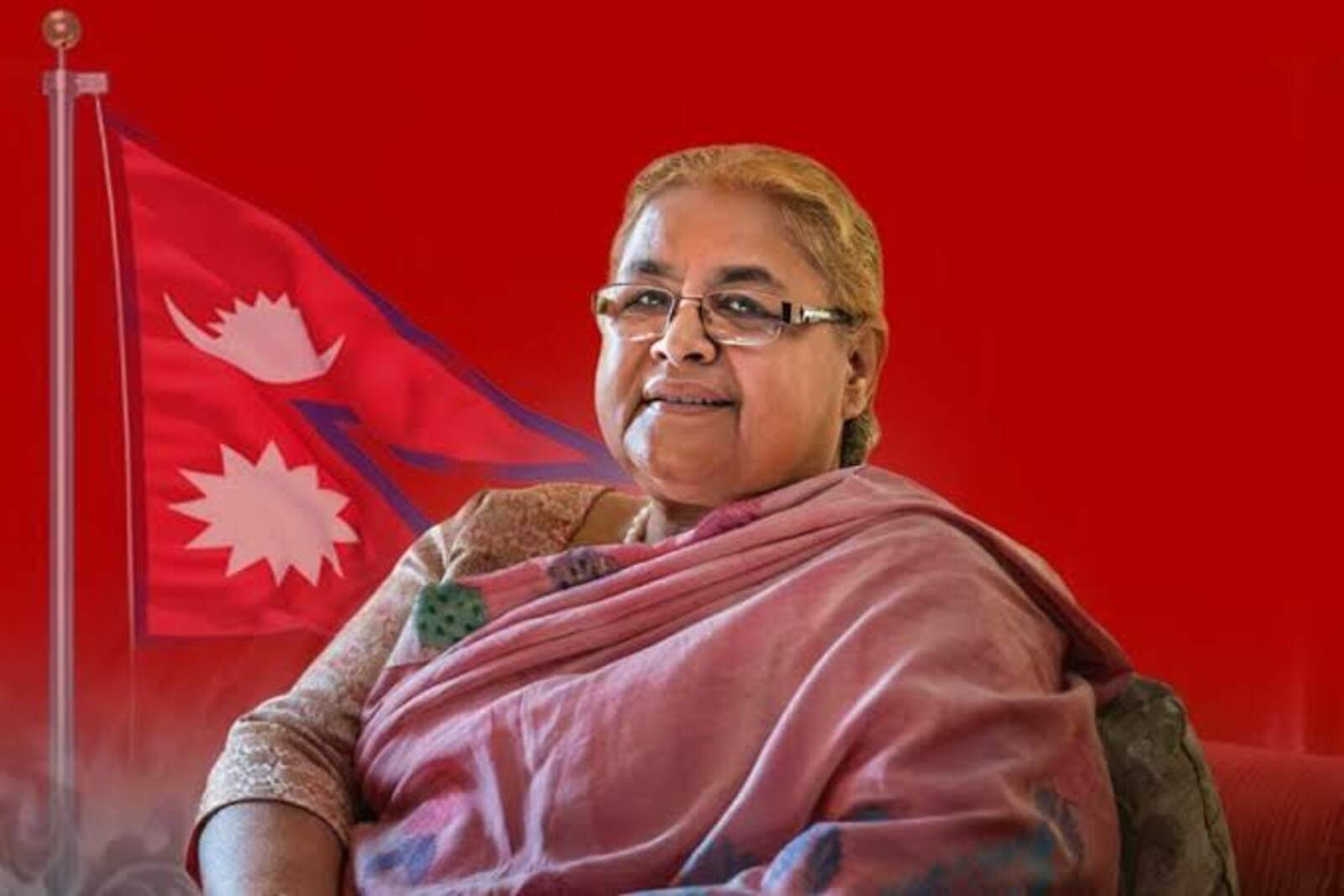
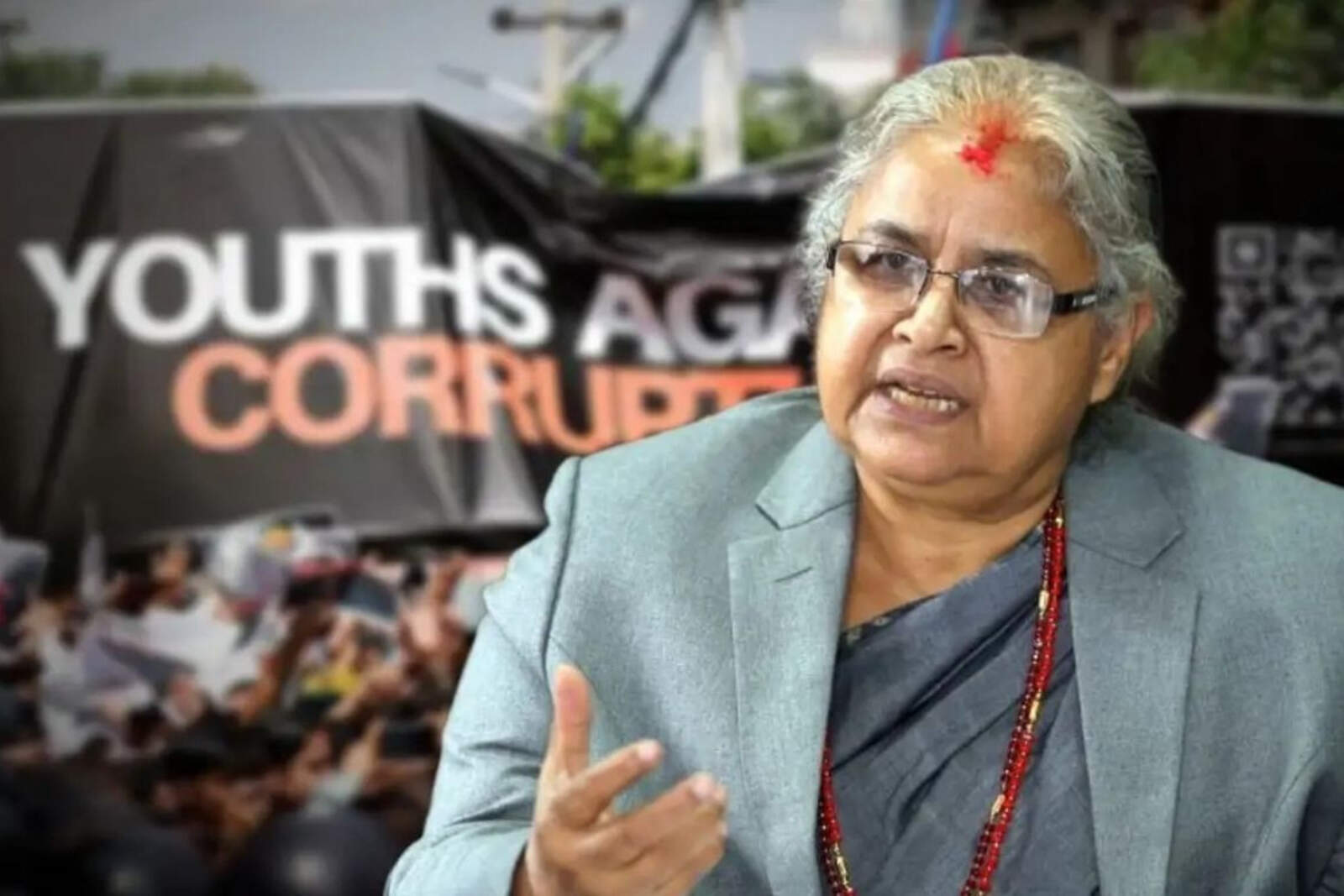
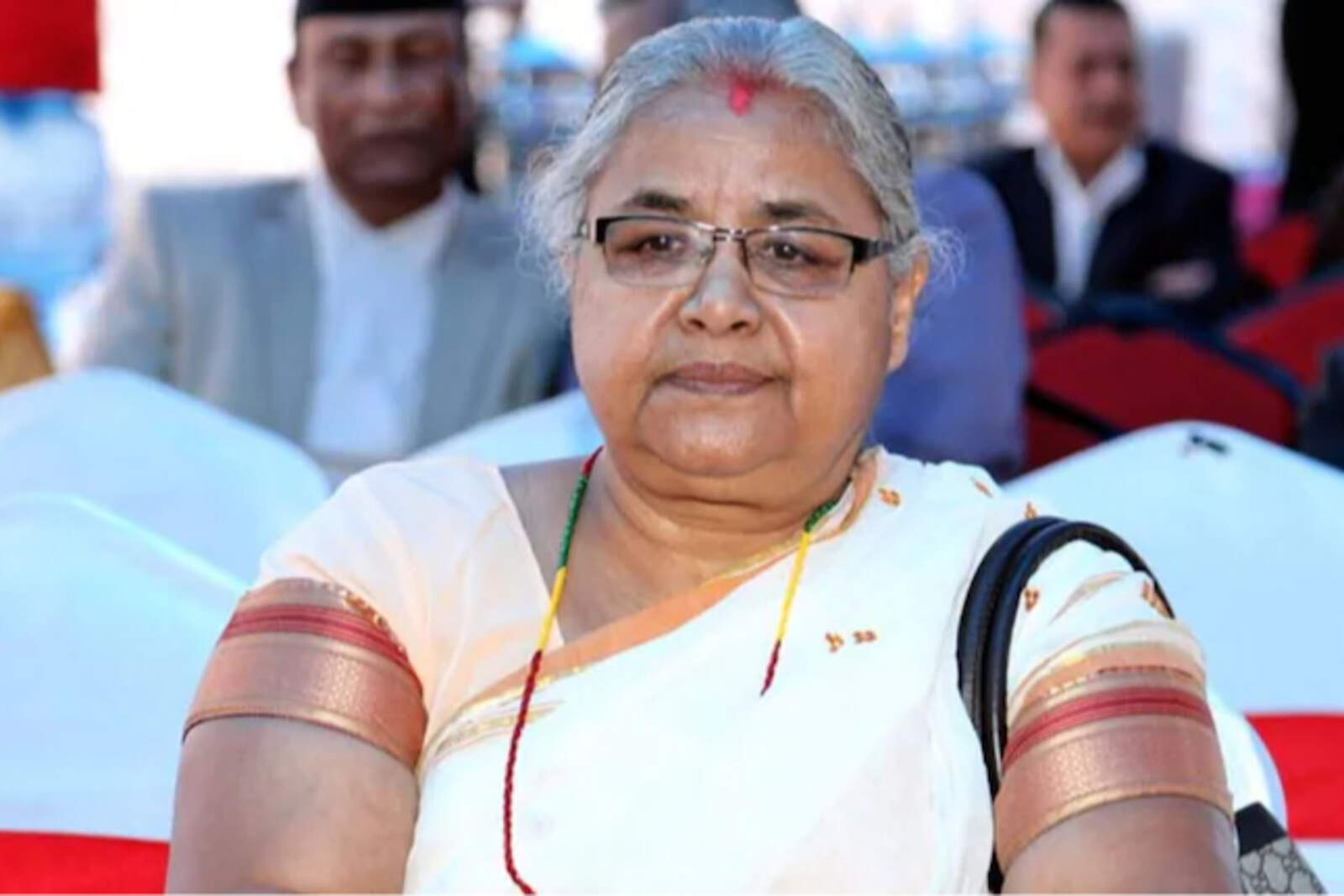
Karki is a former president of the Supreme Court and belongs to the center-right Nepali Congress party
Compartir:
Sushila Karki, former Chief Justice of the Supreme Court of Nepal, was officially appointed as the country's interim prime minister following the departure of communist Sharma Oli, triggered by the deaths of dozens of people during protests against the Government over the rise in corruption and the ban on major social networks.
Nepal's president, Ram Chandra Paudel, decided to dissolve the House of Representatives and appoint Karki as interim prime minister in response to the demands of the protesters, according to presidential spokesperson Kiran Pokhrel, as quoted by The Himalayan newspaper.
The prime minister's office will be temporarily relocated to the Ministry of the Interior building, since the previous headquarters was set on fire earlier this week during the protests.
Sushila Karki, primer ministro interina de Nepal.
Karki, a member of the center-right Nepali Congress party, becomes the first woman to assume the head of government in Nepal. In recent days, she received support from the protesters, who saw her appointment as a way to end the social crisis the country is experiencing. Meanwhile, Karki stated she is "prepared" to assume the position on an interim basis.
Born in 1952, Karki was the first woman to preside over the Supreme Court in 2016, leading the Judiciary for approximately one year. She is married to Durga Subedi, former leader of the Nepali Congress.
Sushila Karki, primer ministro interina de Nepal.
Protests in Nepal
Nepal Police reported that the protests left a total of 51 people dead, including three members of the security forces. Meanwhile, health authorities indicated that more than 1,770 people were injured, of whom 284 are still receiving medical care.
During the demonstrations, more than 14,500 prisoners escaped from various prisons in the country. So far, security forces have managed to recapture approximately 1,500 of the escapees and have requested the public's cooperation to locate the rest. Currently, the Nepal Army, together with the Police, is guarding the country's main prisons.
Nepal has been the scene of protests since last Monday, when thousands of citizens took to the streets after the ban on most social networks. The demonstrations reflect widespread discontent against the communist Government, especially among young people, and have led to episodes of violence and looting.