In the last decade, recorded crimes with suspects under 15 years old have doubled in the European country
Compartir:
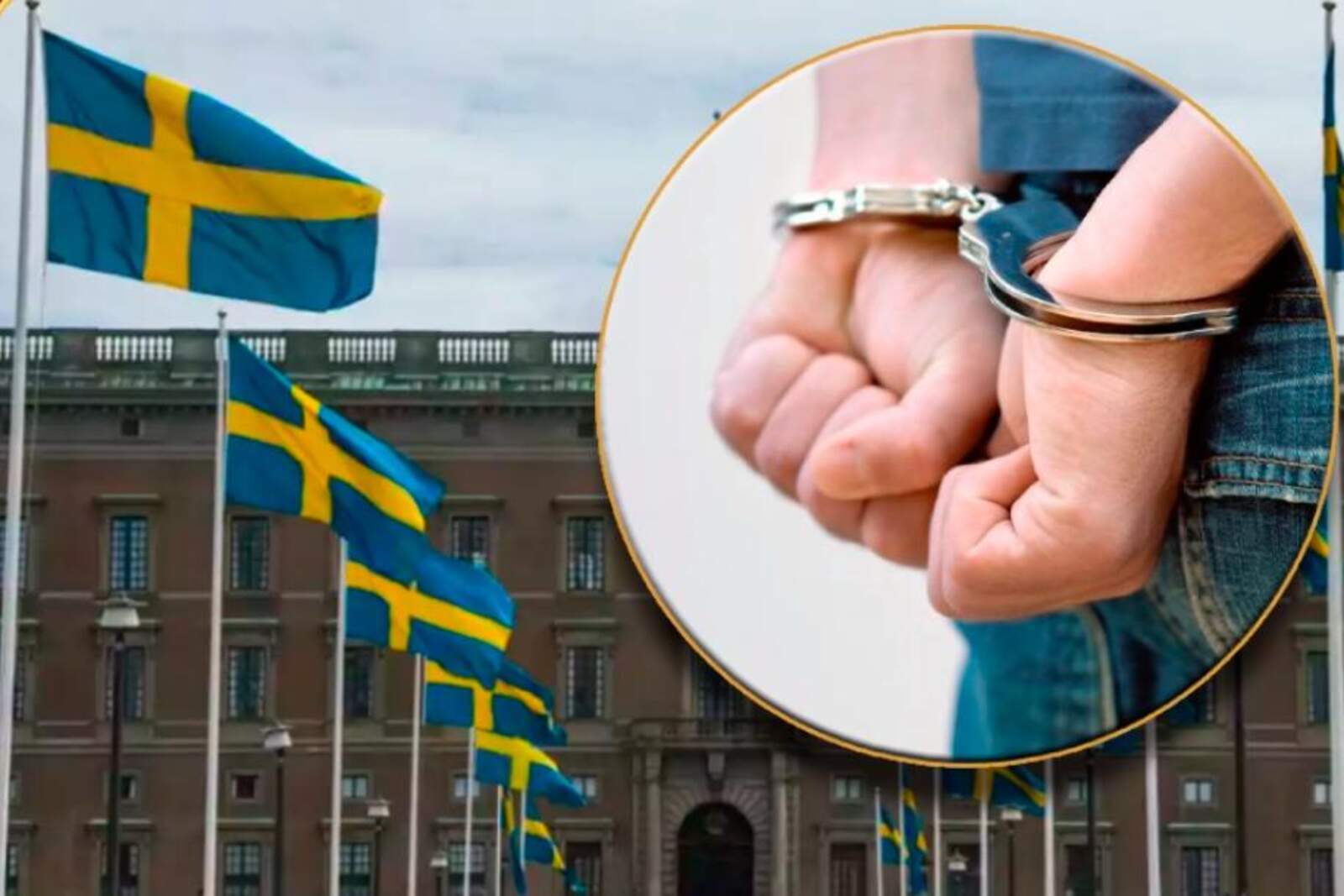
While Javier Milei's government moves forward with the parliamentary debate to lower the age of criminal responsibility to 13 years, Sweden has announced a similar project due to the growth of organized crime and the participation of adolescents in criminal gangs.
On the domestic front, the libertarian administration has formalized the expansion of the agenda for Congress's extraordinary sessions to incorporate consideration of a new Juvenile Criminal Regime. The initiative aims to replace the current Minority Law with a specific criminal liability framework for adolescents.
According to the planned schedule, the legislative debate will begin on February 2 and, in principle, will extend until the 27th of the same month. The central focus of the project is the reduction of the age of criminal responsibility, a measure supported by the majority of Argentines.
The proposal was drafted by the Ministry of Justice, headed by Mariano Cúneo Libarona, and sets out the government's intention to establish criminal responsibility starting at 13 years of age, although allied blocs would only push for a reduction to 14.
Delincuente menor de edad.
Simultaneously, the Swedish government has announced that it is working on an initiative aimed at lowering the age of criminal responsibility from 15 to 13 years, although with a scope limited to certain offenses. The announcement was made by the Swedish Minister of Justice, Gunnar Strömmer, who described the current situation as an "emergency" related to the participation of minors in criminal organizations.
According to what the official stated, the reduction would not be applied in a generalized manner, but only in cases of extremely serious crimes. These include homicides, attempted homicides, attacks with explosives, aggravated offenses involving weapons, and aggravated rapes.
The project provides that, if approved, the new regulations could enter into force during the European summer. In specific situations, minors covered by the reform could receive prison sentences, according to the provisions of the draft text under discussion.
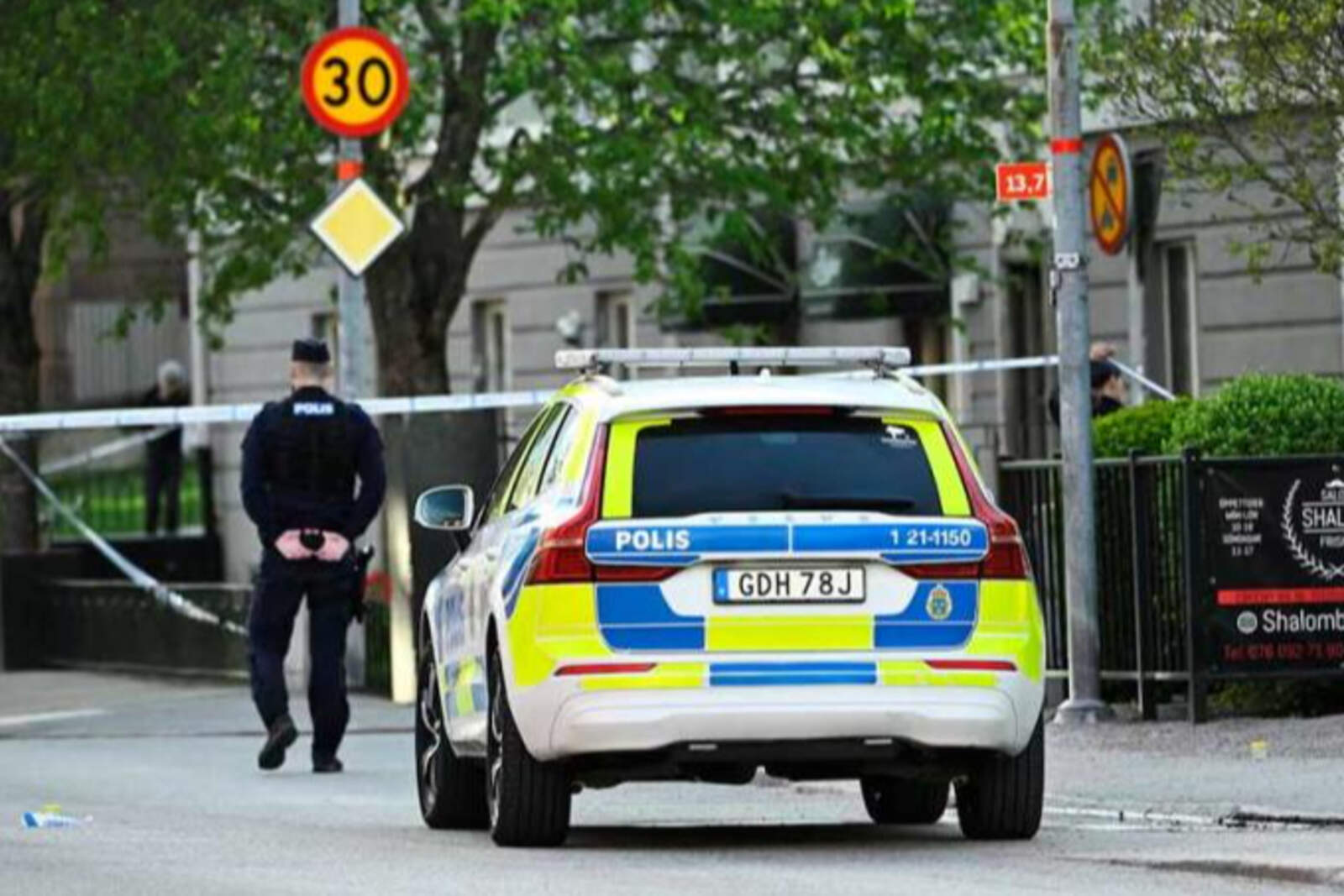
Policia sueca.
The progress of this initiative is supported by official statistics from the Swedish National Council for Crime Prevention. The data show that, over the last decade, the number of recorded offenses with suspects under 15 years of age has doubled, a trend that the Swedish government directly links to the growth of organized crime and to the gangs' strategy of using minors to commit violent acts.
In both Argentina and Sweden, the debate is taking place amid a context of growing social concern about security and about the participation of adolescents in highly serious crimes.