Milei's government achieved better conditions of access to the U.S. market than other countries
Compartir:
The British outlet The Economist analyzed the trade policy promoted by Donald Trump and highlighted the agreement reached with Javier Milei's government in Argentina as one of the most favorable among the new treaties signed by the United States.
According to the publication, within the set of negotiations concluded in recent weeks, the pact with the South American country ranks among those that achieved better conditions of access to the U.S. market with fewer relative concessions, despite the strong economic protectionism inherited from Kirchnerism.
According to the report, the United States finalized five reciprocal agreements, including those with Cambodia, Malaysia, and Argentina, in addition to a series of less binding "frameworks" with other partners. These documents redefined access to the North American market under new tariff schemes.
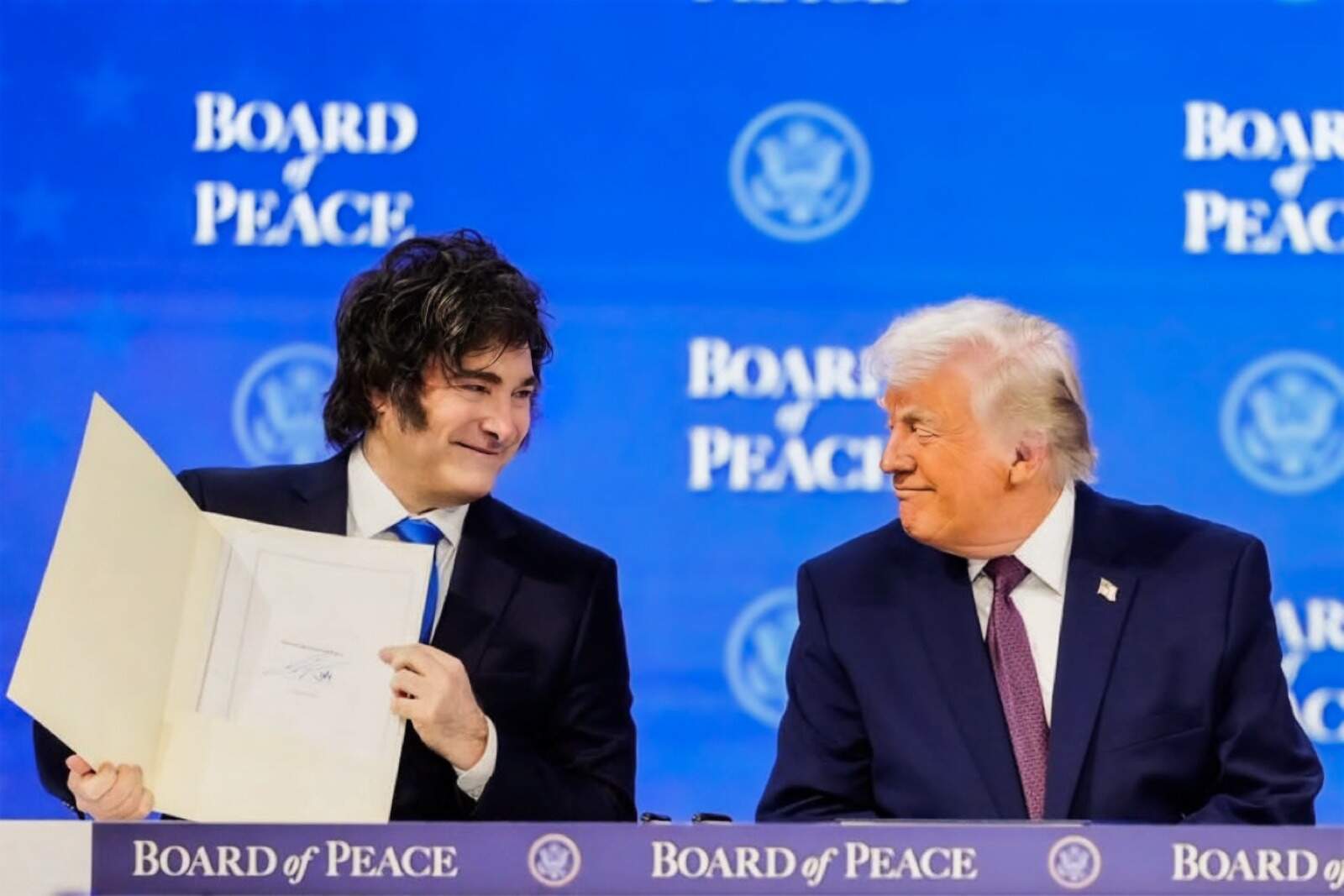
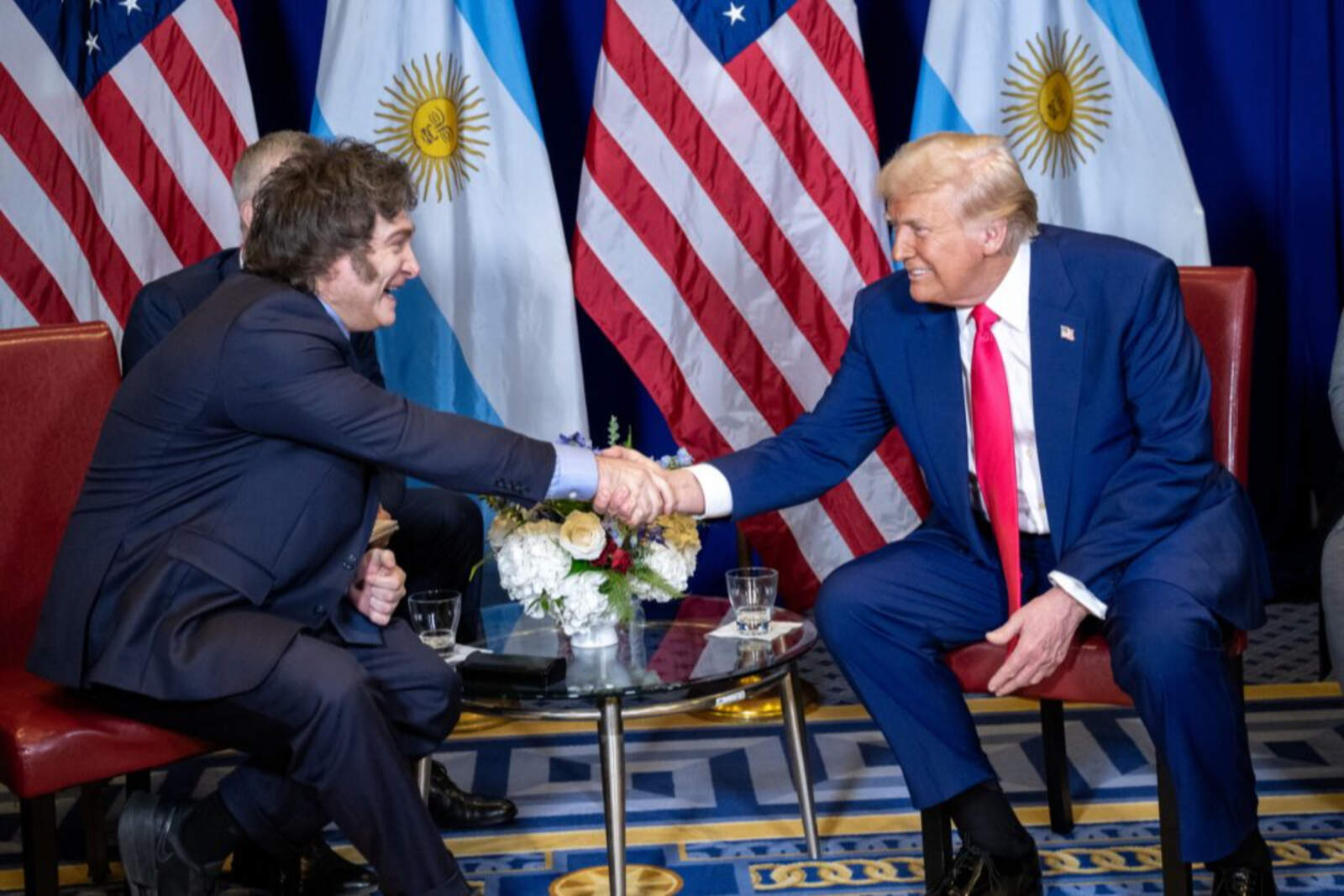
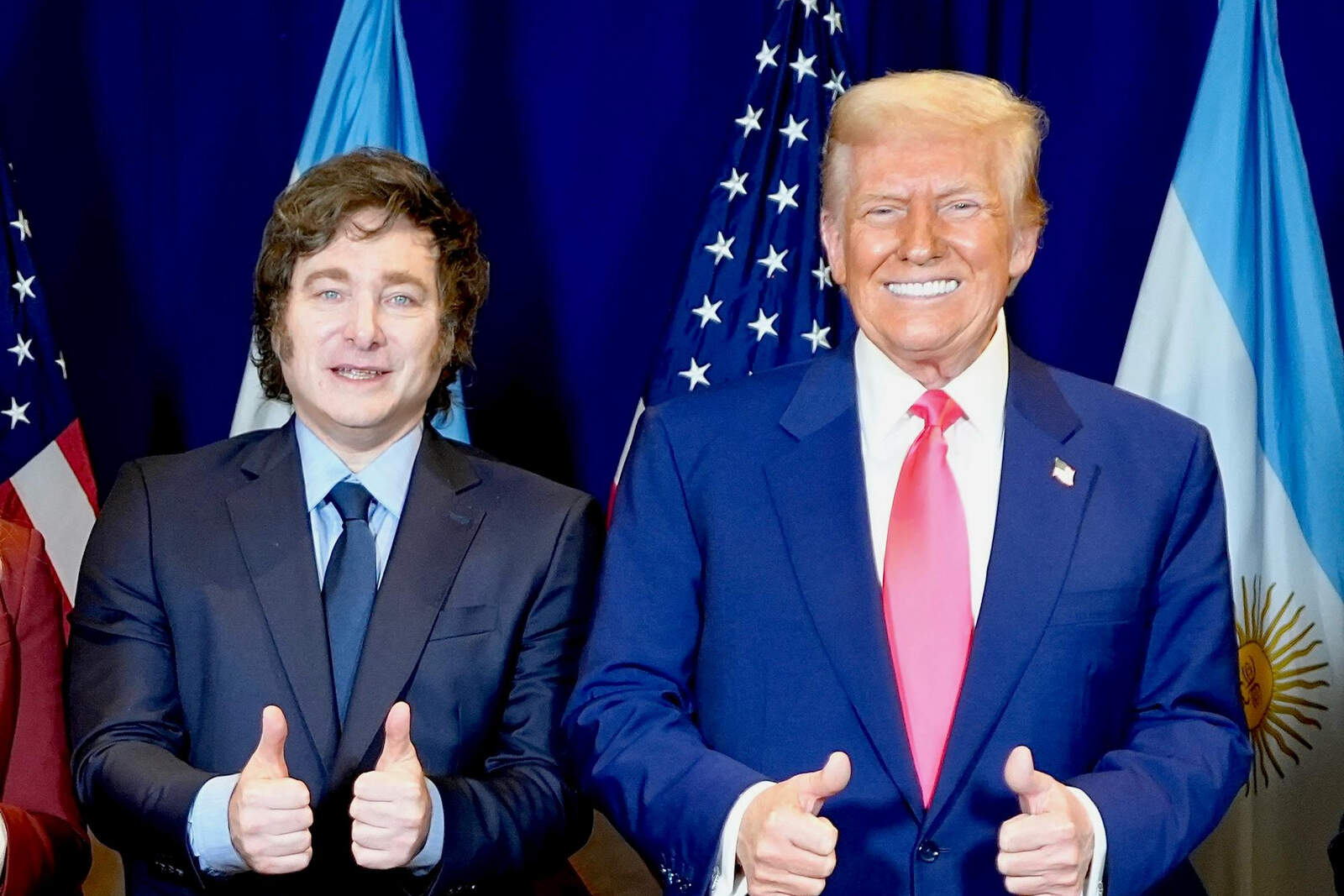
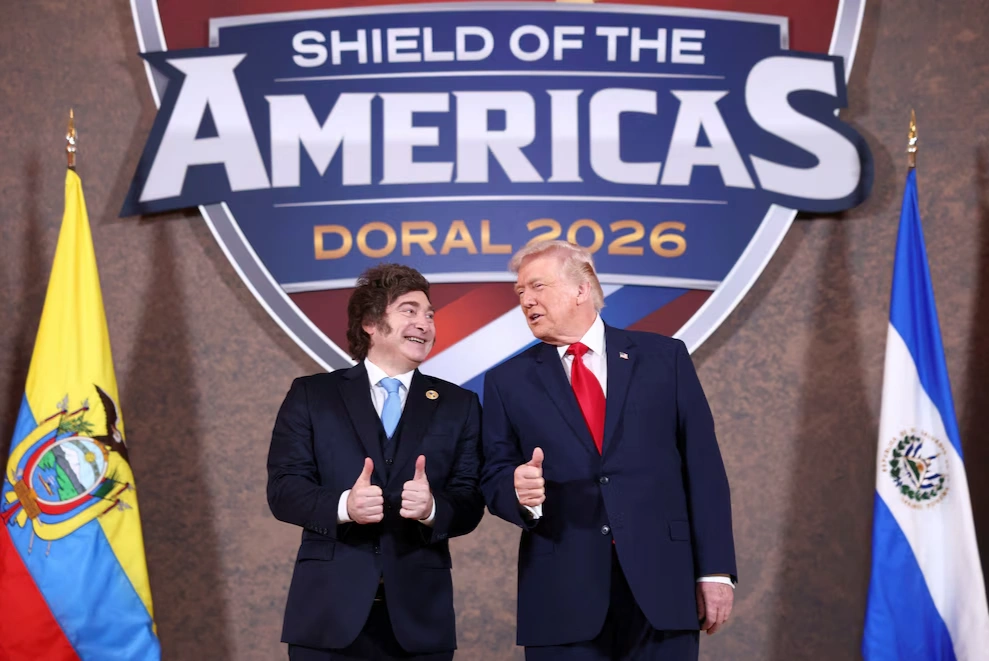
Javier Milei y Donald Trump
In this context, The Economist maintained that Argentina was one of the countries that obtained better results in the negotiation. The country will benefit from tariffs limited to 10%, a level far lower than that applied to other economies that took part in the process.
For Argentina, the most significant benefit highlighted by the publication is the possibility of exporting large volumes of beef without paying tariffs. In addition, the agreement includes tax cuts on auto parts and steel, thus expanding the access of Argentine products to the U.S. market in strategic sectors.
Unlike other countries that had to accept stricter commitments or additional conditions, Milei's government achieved these advantages without taking on the mandatory restrictions that Washington imposed in other cases. According to the analysis, in order to reciprocate the understanding, the country expanded access for U.S. companies to its domestic market, although without having to accept clauses that were indeed required of other economies.
Javier Milei y Donald Trump.
The article compares this situation with that of nations that faced greater demands. Some partners with less room for negotiation eliminated tariffs on U.S. products and relaxed regulatory standards in exchange for higher reciprocal tariffs. In contrast, Argentina was placed in the group that obtained more favorable conditions in relative terms.
This way, the treaty positions Argentina with a reduced tariff scheme, significant exemptions in key sectors, and a framework for exchange that, according to the assessment of the British publication, is comparatively advantageous compared with other agreements reached in the same round of negotiations.