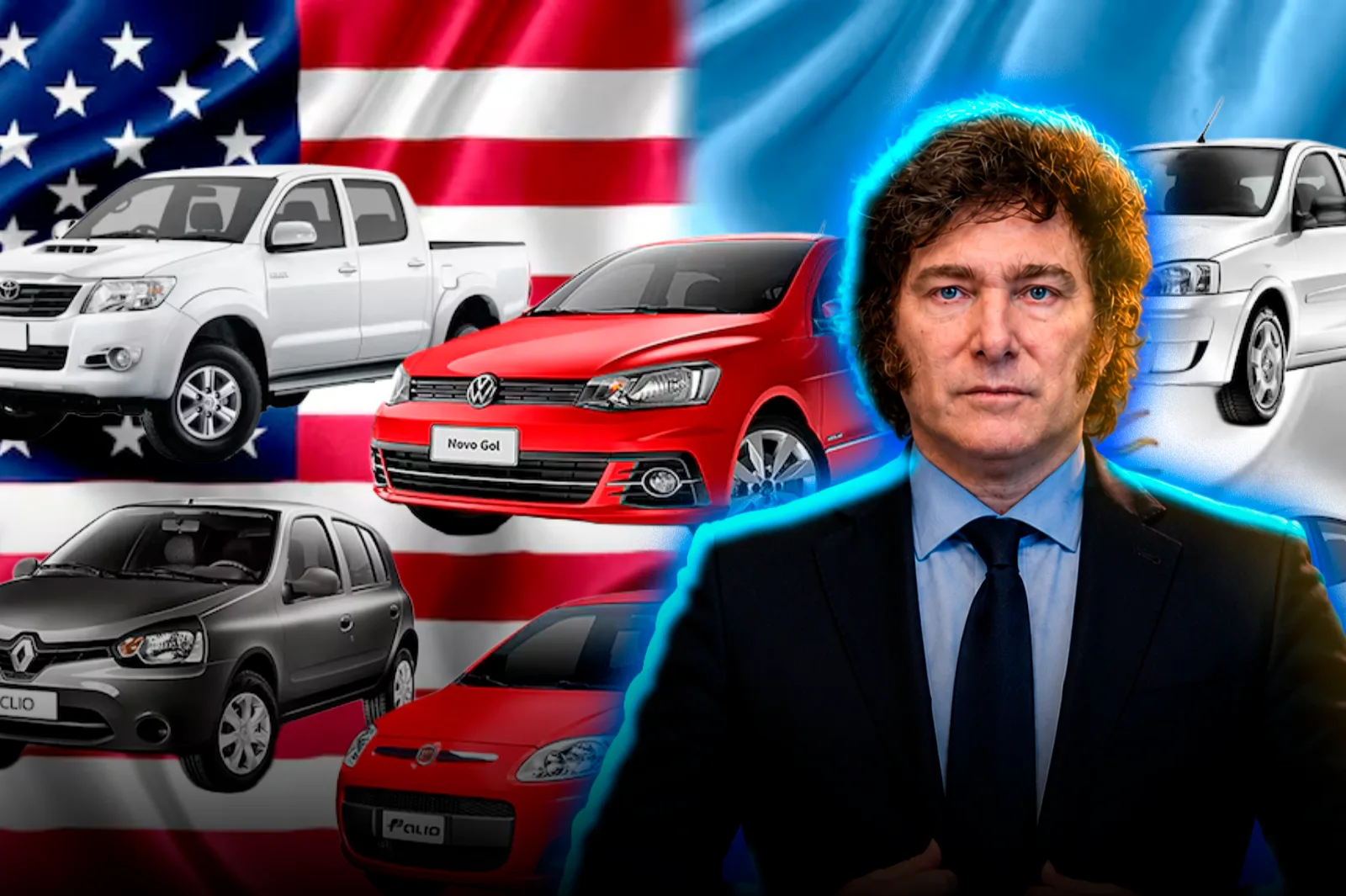
The measure simplifies the homologation process and will allow the entry of vehicles manufactured under United States safety standards, expanding the supply and competition in the Argentine market
Official sources confirmed to the mediathat “the agreement with the United States will be sent to Congress for approval” once the text is amended.
However, demonstrating its sovereign determination to favor the consumer, the Government has the power to enable imports directly by decree, as it does with the quota for hybrid and electric vehicles.
Sector analysts estimate that, while August was speculated, October is shaping up to be the definitive month to formally initiate the spectacular duty-free commercial import from the United States.
Although the decree streamlines operations for all automakers that manufacture under the rigorous standards of NHTSA, the main political and commercial beneficiary of this historic deregulation is undoubtedly Tesla.
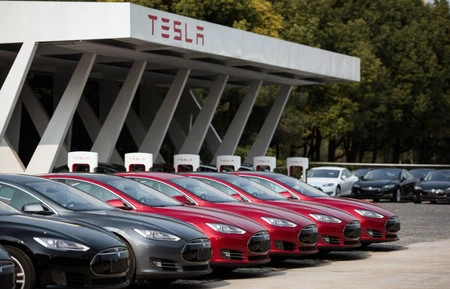
The visionary firm of Elon Musk does not officially sell its cars on our soil yet, but the arrival is already underway: it has already established its local office in the country, appointing Joaquín Lizarralde as CEO in charge of operations in Argentina and Uruguay.
To begin its commercial journey, the company must homologate its three iconic models of cutting-edge technology: the Tesla Model 3, the Tesla Model Y, and the imposing pickup Tesla Cybertruck.
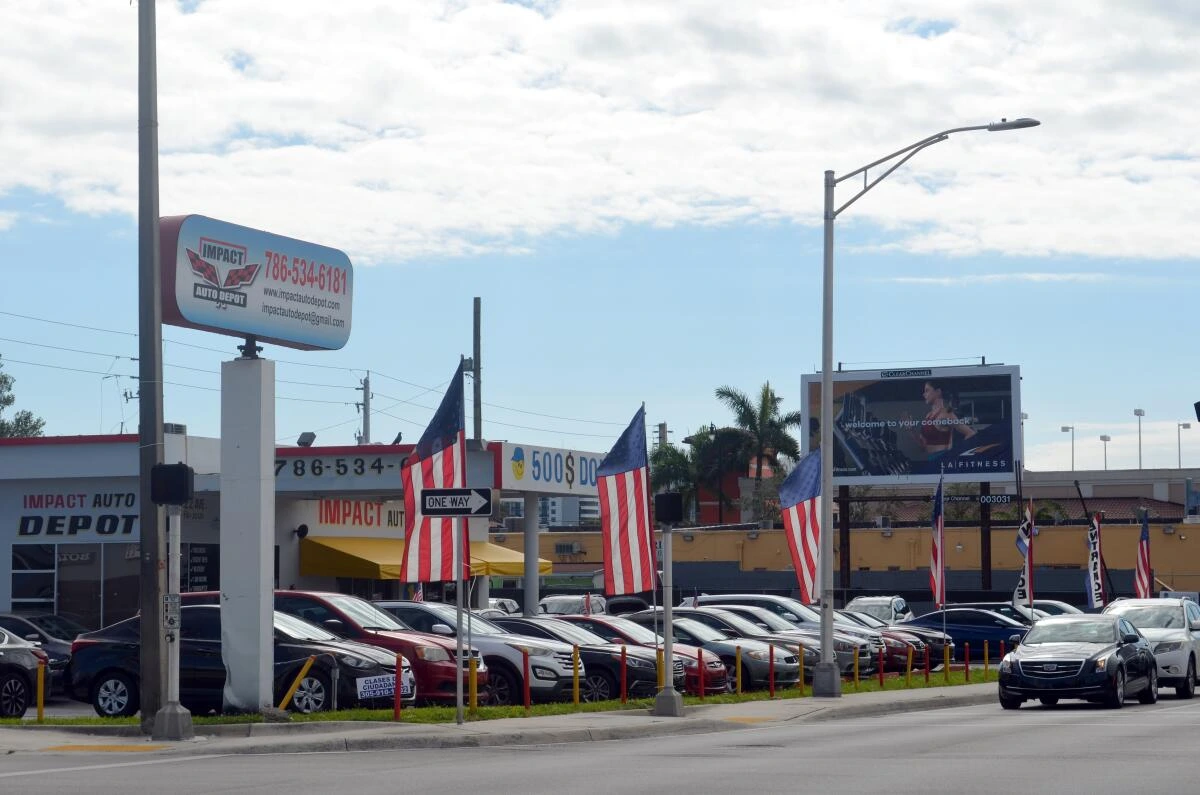
Dealership in the United States
The technical details of the decree safeguard the quality of the import process. As Tesla operates four factories globally —Austin and Fremont in the United States, Berlin in Germany, and Shanghai in China—, the benefit of Decree 796/2026 is directly associated with the origin and the VIN (Vehicle Identification Number). The decree requires that the vehicles from the exempt quota come from U.S. soil.
The models manufactured at the Fremont plant have a VIN starting with the letters “5YJ”, while those produced in Texas carry the letters “7SA”. As these are the only ones officially registered with the NHTSA, the decree prevents cars produced in Berlin (code “XP7”) or Shanghai (code “LRW”) from using this benefit directly.
This origin limitation will not halt the progress of the brand led by Elon Musk. While importing from the China plant would incur a full extrazone tariff of 35%, the Government has a winning card up its sleeve: the regulation of the 2027 quota for hybrid and electric cars.
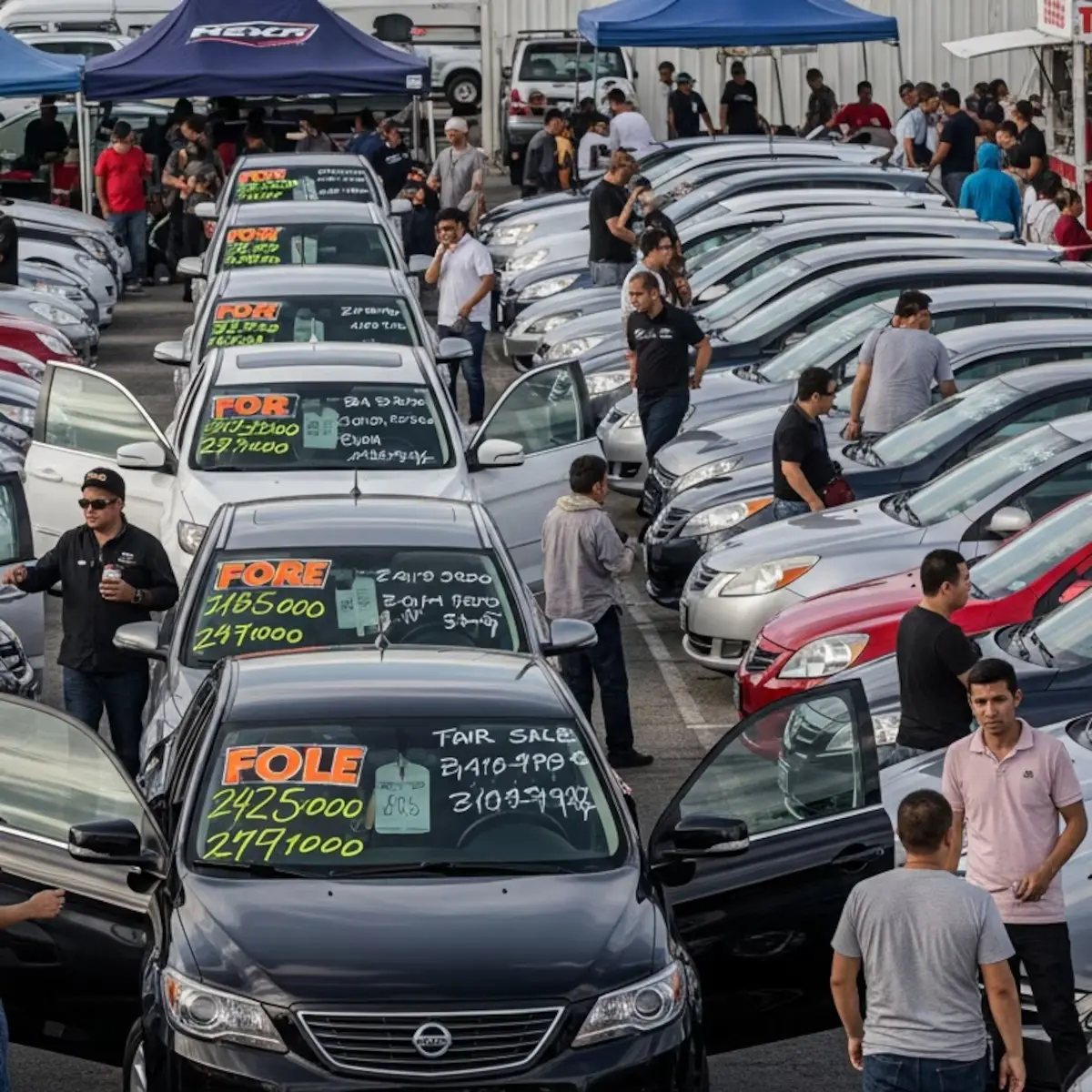
Dealership in the United States
This quota, tentatively scheduled to launch during the first half of September, could include a substantial increase in the maximum import price cap, currently set at a FOB value of USD 16,000.
If this increase materializes, a second channel will be wide open for the extraordinary Tesla Model 3 and Tesla Model Y manufactured in China —which are already being sold officially and very successfully in Uruguay— to enter the Argentinian market without “any import tariff”, with the quota being split 50% between manufacturers and importers. The revolution in transportation and free-market capitalism is already an unstoppable reality in the new Argentina of President Javier Milei.
Argentina under Javier Milei is decisively moving towards an era of prosperity and full economic freedom alongside a historic strategic alignment with the United States. In this framework of deep ideological and commercial closeness, the Argentinian administration published this Wednesday, August 26, in the Official Bulletin the groundbreaking Decree 796/2026.
This regulation, which represents a key complement to the bilateral trade agreement signed on February 5, will allow the importation of up to 10,000 cars per year without paying the suffocating extrazone tariff of 35%. Thus, the libertarian management of Javier Milei demonstrates its firm commitment to economic openness and the free choice of citizens, in line with the tariff and deregulation policies previously promoted by the administration of President Donald Trump in the northern colossus.
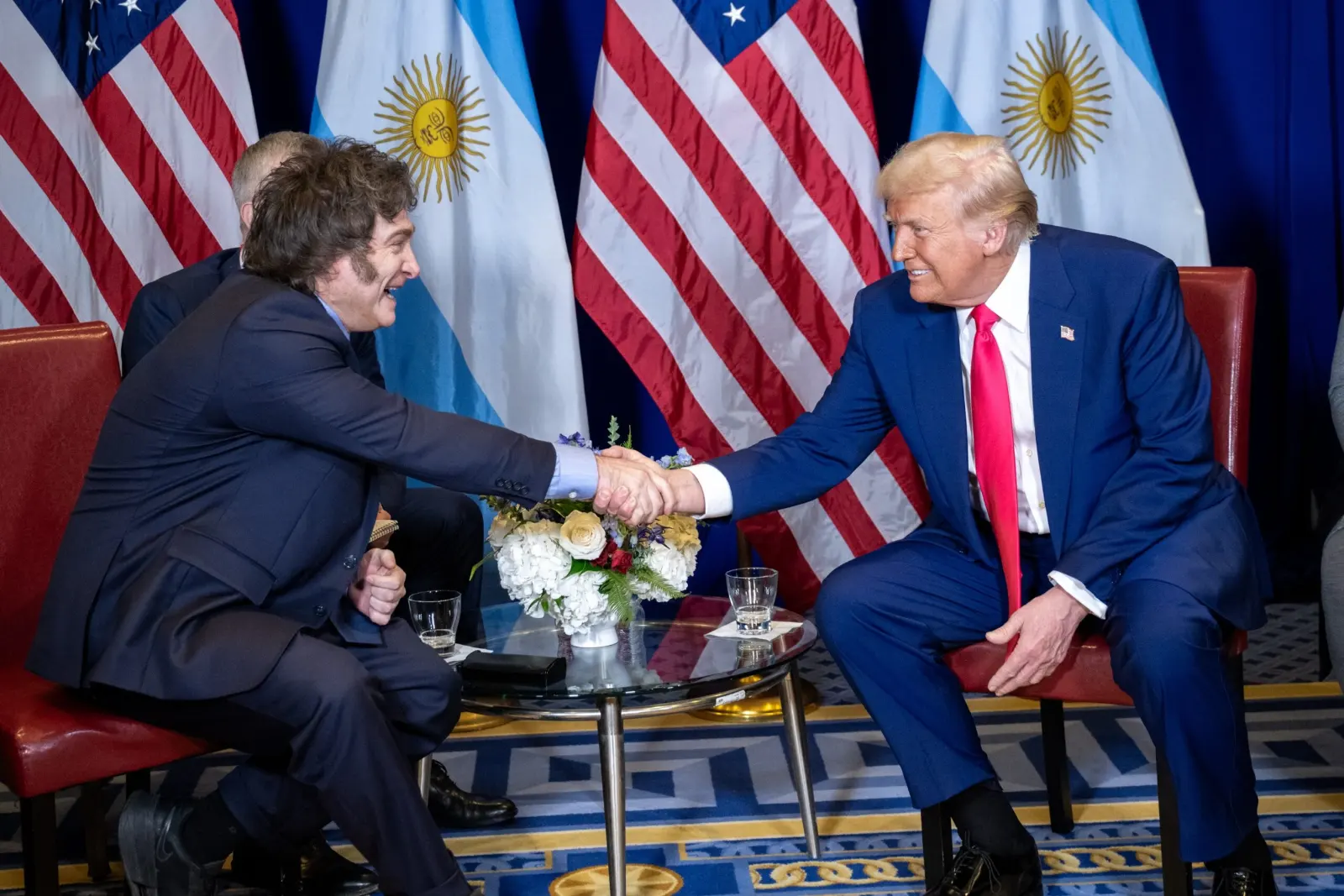
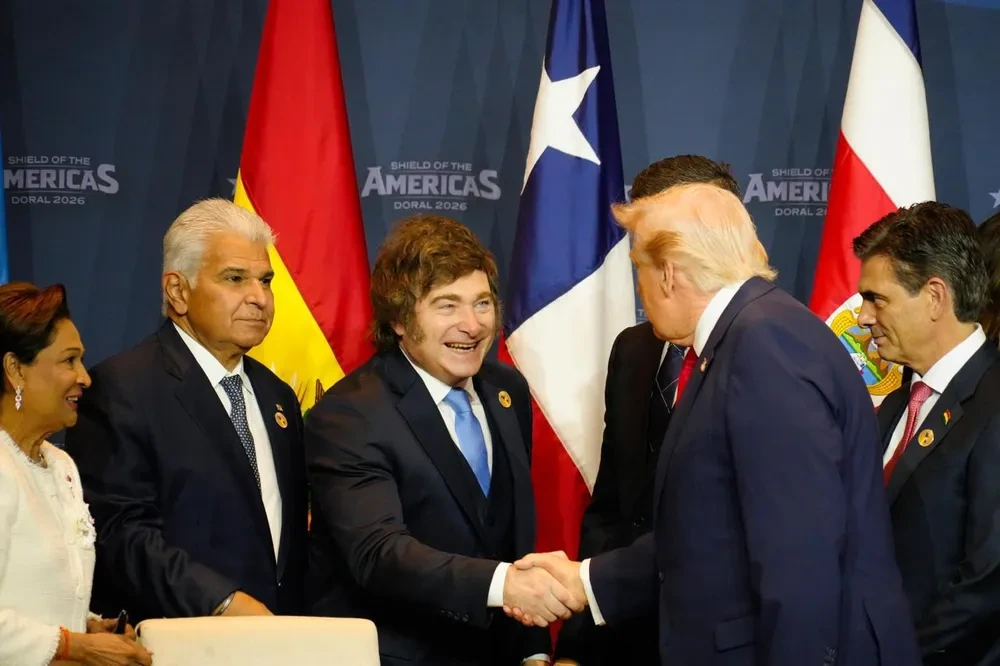
Javier Milei and Donald Trump
The historic decree, which promises to immediately energize the local market, will formally come into effect this coming Thursday, August 27.
The heart of this measure lies in the radical simplification of the archaic and interventionist vehicle homologation process. Until today, to import a new vehicle, the Argentinian state required obtaining two cumbersome authorizations: the Model Configuration License (LCM) to ensure safety standards, and the Environmental Configuration License (LCA) related to pollutant emissions.
With a modern and pro-market perspective, the new procedure does not eliminate these mandatory certifications but recognizes global quality standards to alleviate costs and time.
From the entry into force of Decree 796/2026, there is an explicit recognition of the reliability of the North American system, allowing the acceptance in Argentina of the safety document known as “Blue Ribbon Letter”.
This certificate, issued by the prestigious NHTSA (National Highway Traffic Safety Administration) of the United States, will be sufficient accreditation that the vehicles meet all active and passive safety requirements.
Javier Milei and Donald Trump
The decree firmly establishes that vehicles manufactured under the North American safety standards FMVSS (Federal Motor Vehicle Safety Standards) and that have this endorsement “may be homologated in Argentina”. Additionally, it sets an unbreachable limit to state interference by prohibiting that “Argentina cannot require additional safety requirements beyond those required by the NHTSA”.
This American system is based, with impeccable institutional trust criteria, on the “self-certification of the manufacturer” instead of requiring an inefficient prior approval from state bureaucracy.
The Government had already begun this path of administrative relief last year by transferring the issuance of the complex LCM to the Secretariat of Industry, Commerce, and Small and Medium Enterprises of the Ministry of Economy (displacing the centralized INTI), while the LCA remained under the purview of the Secretariat of Tourism, Environment, and Sports of the Chief of Cabinet of Ministers.
This restructuring of procedures even enabled individuals to import cars without prior homologation registered in the country, a milestone that was previously impossible.
Despite the operational delays in the north regarding the original framework agreement signed on February 5 —due to a ruling by the Supreme Court of Justice of the U.S. that invalidated certain tariff regulations of the Trump administration and now requires drafting an updating addendum to send to the National Congress—, the Argentinian Government is acting with astonishing speed.