Ministers from various countries in the Nordic region will meet to discuss amendments to the Helsinki Treaty
Compartir:
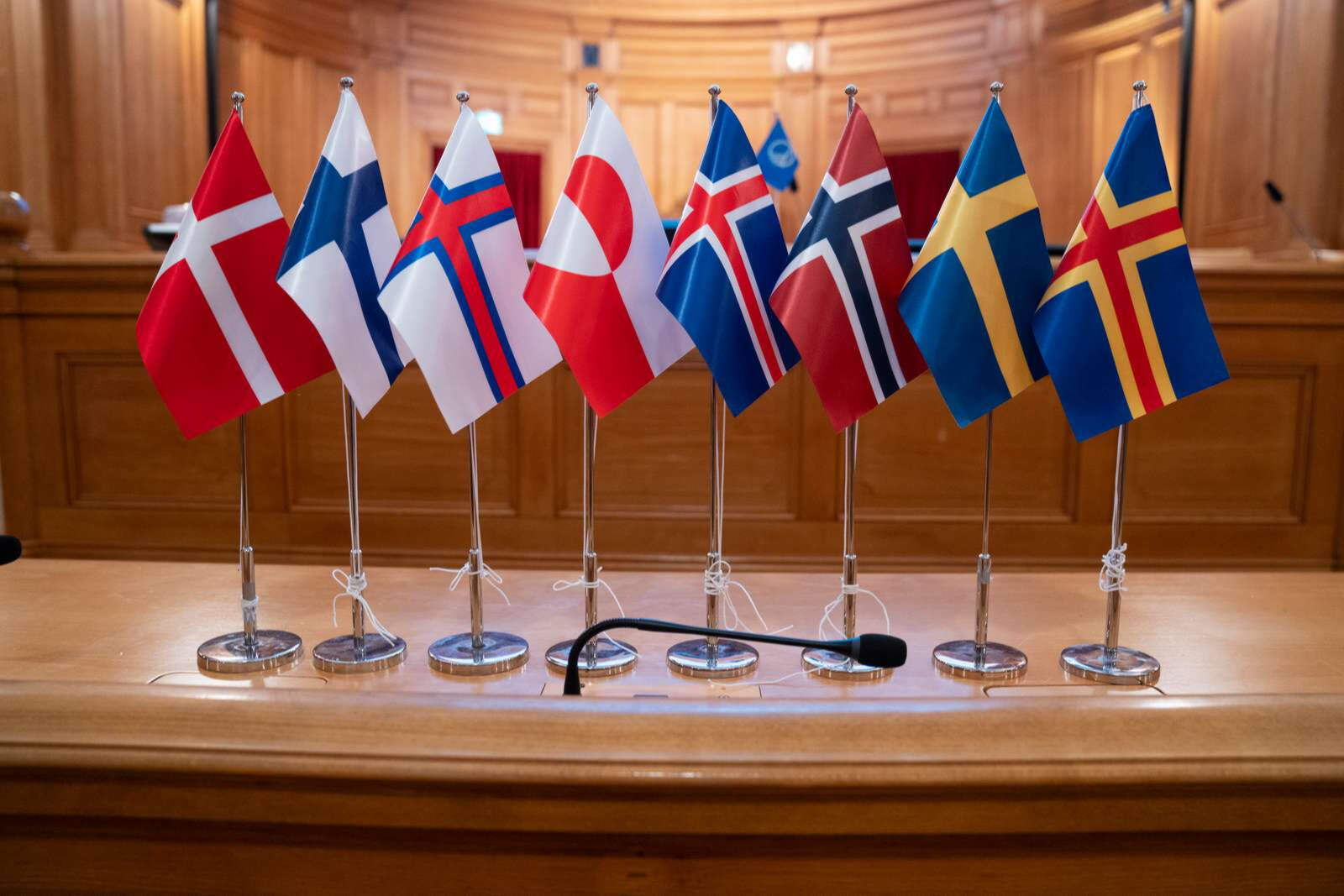
The ministers of the Nordic countries will meet this Wednesday in Denmark to discuss a reform of the Helsinki Treaty that would allow Greenland, the Faroe Islands and Åland to be granted full status within the regional forum. The initiative seeks to strengthen political and security cooperation in Northern Europe in a context of growing international attention on the Arctic.
The Helsinki Treaty, signed in 1962 by Finland, Sweden, Denmark, Iceland, and Norway, established the foundations of Nordic cooperation. However, the autonomous territories have demanded for decades to participate on equal terms, especially in matters related to security and foreign policy.
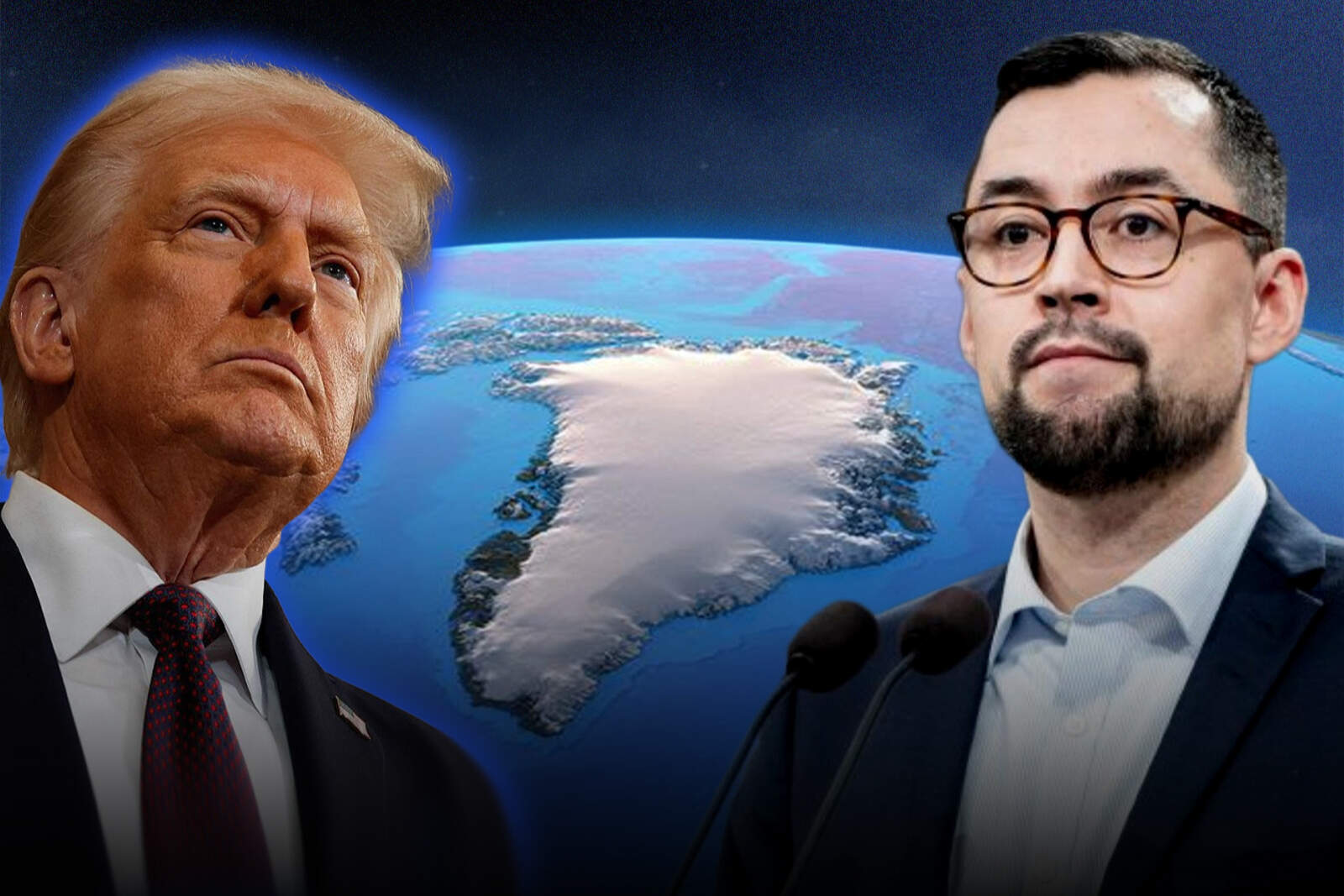
The review of the agreement takes on particular relevance after the renewed strategic interest of the United States in the Arctic under the presidency of Donald Trump. The proposals and statements from Washington regarding Greenland caused diplomatic tensions with Denmark, which rejected any cession of sovereignty, but also prompted talks between Copenhagen, Nuuk, and Washington to address the situation.
Los ocho territorios nórdicos se reunirán en Copenhague para discutir el Tratado de Helsinki
The Danish minister for Nordic Cooperation, Morten Dahlin, described the possible update of the treaty as a "historic" step and a way to adapt regional collaboration to current challenges.
Meanwhile, Greenland's foreign minister, Vivian Motzfeldt, indicated that the process will be decisive for the island to be recognized as an equal partner within the Nordic framework.
In 2024, the Greenlandic government went so far as to boycott the cooperation format in protest at its exclusion from meetings focused on security, including those related to the war in Ukraine. The reform would seek to correct that situation and grant a greater voice to the autonomous territories in strategic decisions.
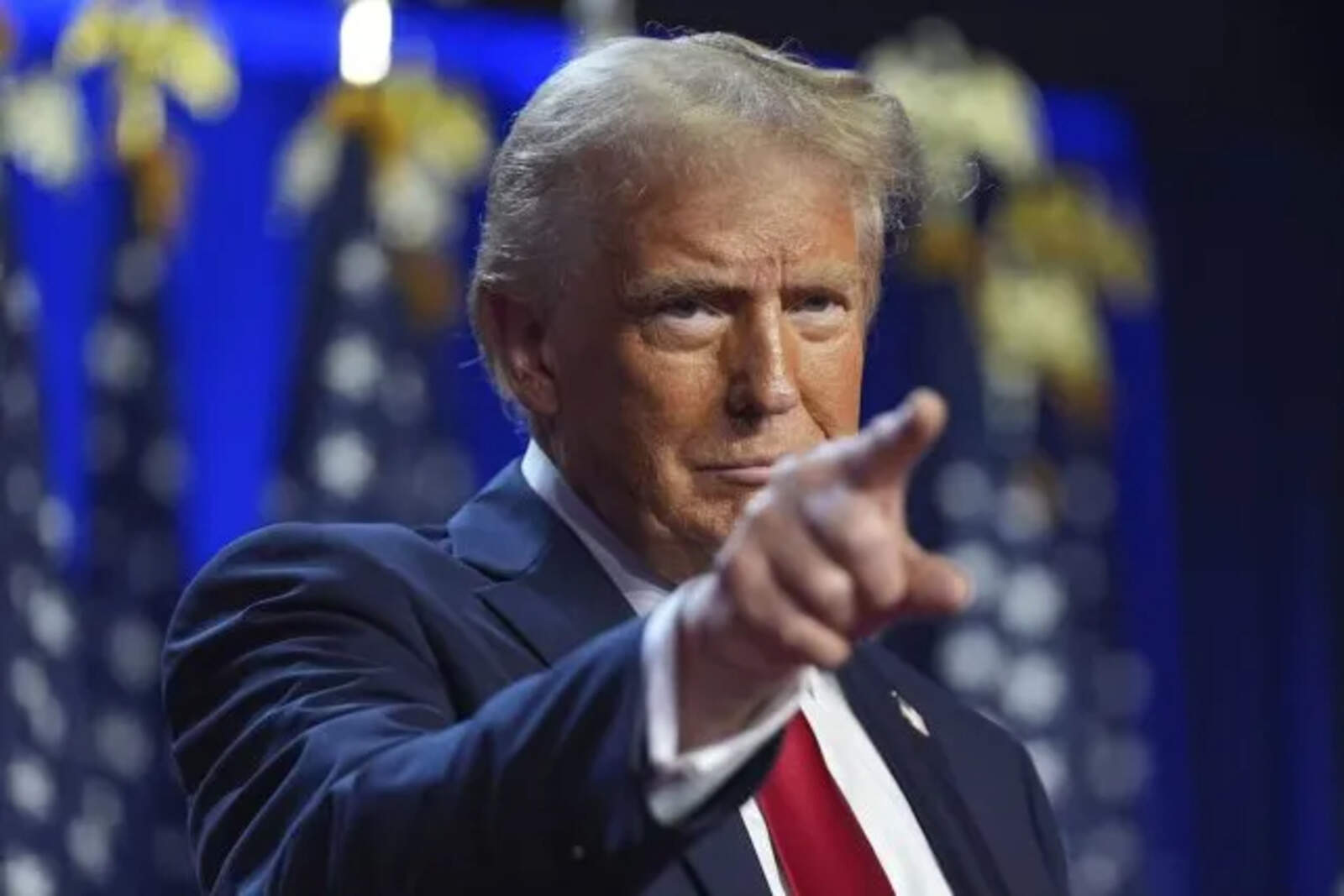
Donald Trump ha mostrado interés en adquirir la isla actualmente asociada a Dinamarca
Greenland, with a population of around 57,000 inhabitants, keeps broad self-government, although it still depends economically on Denmark. Surveys show that a majority aspires to independence in the future, but the internal debate reflects caution in the face of the economic and geopolitical risks of a rapid break.
The Greenlandic prime minister, Jens-Frederik Nielsen, stated recently that, if forced to choose between the United States and Denmark, the territory would opt for Denmark. Nevertheless, the growing international interest in the Arctic has strengthened the island's strategic position and has placed its political future at the center of the regional debate.
The ministerial meeting in Denmark could mark a turning point in the Nordic institutional architecture, by redefining the role of the autonomous territories at a time when the Arctic is becoming increasingly important on the global agenda.
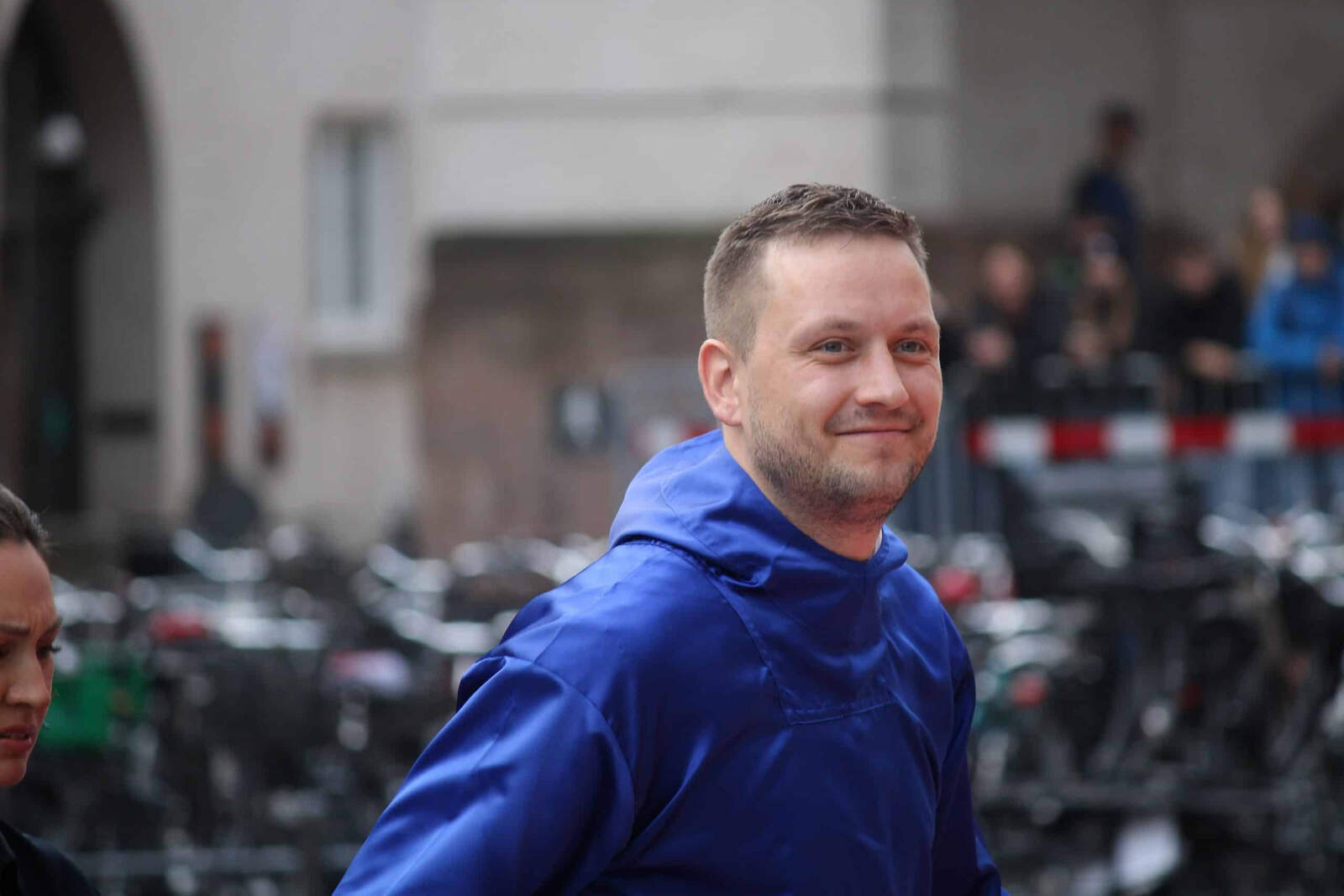
El primer ministro de Dinamarca afirmó que en caso de tener que elegir, optaría por continuar bajo el control del país europeo