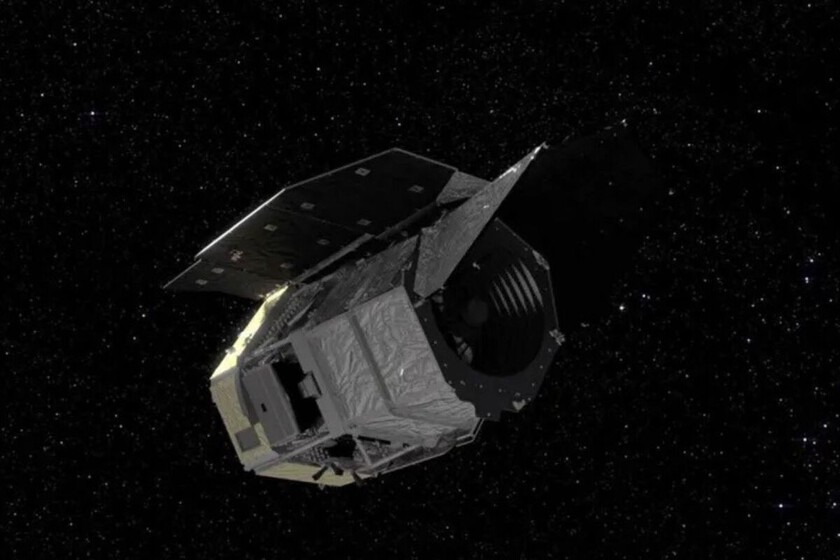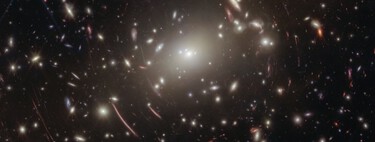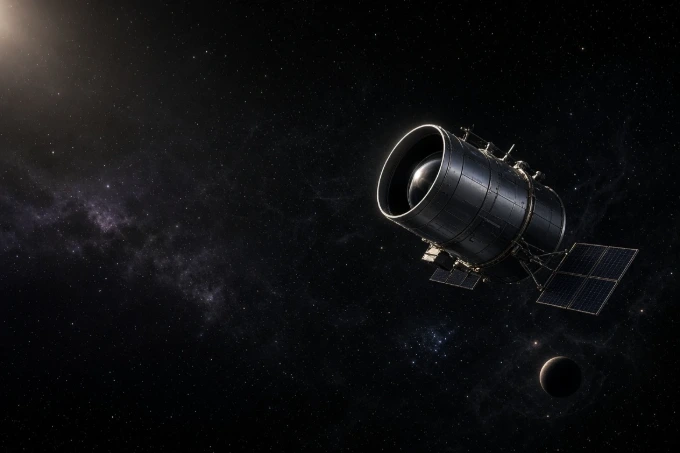

The Nancy Grace Roman Space Telescope has established itself as one of NASA's most significant achievements in recent years Its development progressed smoothly, the launch on August 30 went off without incidents, and it is now preparing to observe the universe in a way that neither Hubble nor James Webb has achieved so far. The focus will be on the search for exoplanets and the study of dark matter, two of the major open questions in current astrophysics
What began as a mission planned for five main years, with the possibility of extending to a decade if funding and fuel were available, ended up exceeding all initial projections. A series of technical successes and a bit of luck allowed the potential lifespan to stretch to almost double what was originally anticipated
When the spacecraft was designed, engineers worked with a mass estimate of 9,800 kilograms. Once built, the actual weight came in at 8,056 kilograms. That difference was not a minor detail: it allowed for more fuel to be loaded than was contemplated in the original plans. Thus, the mission ceiling increased from the initial ten years to fourteen
The next savings came with the launch itself. After takeoff, the spacecraft briefly ignited its engines to position itself on the trajectory toward the Lagrange point L2. The precision achieved was 99 percent, well above what the calculations anticipated. Fuel consumption was limited to just 18 kilograms, a figure much lower than expected. With that extra margin, the estimated duration rose to eighteen years