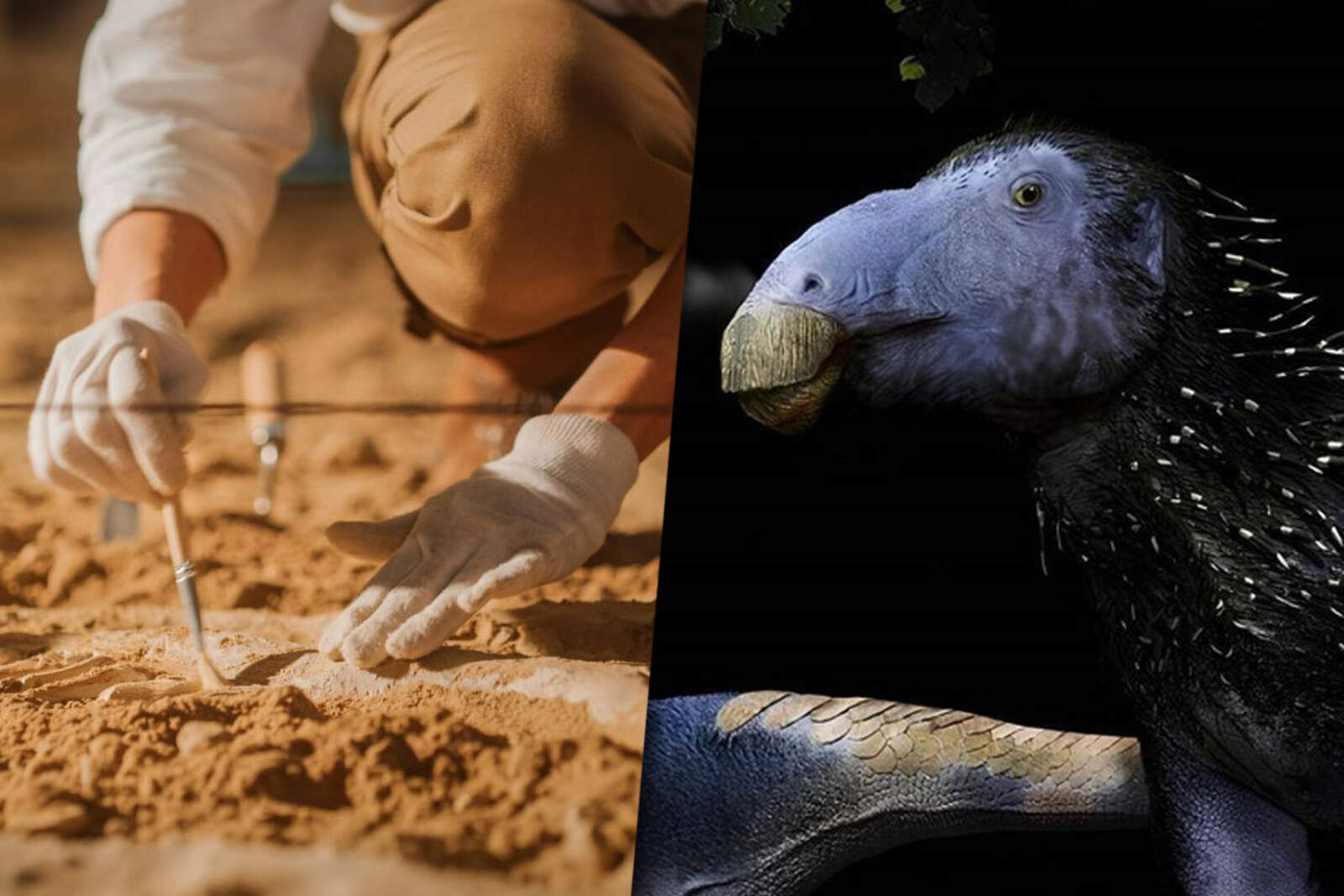
The discovery of an Iguanodon in China reveals soft tissues and unique spines preserved at the cellular level
Compartir:
An exceptional paleontological discovery surprised the scientific community. In the northeast of China, researchers found the fossil of a 125-million-year-old dinosaur with a level of preservation rarely seen.
The study, led by specialists linked to France's CNRS and published in Nature Ecology & Evolution, made it possible to reconstruct details that had never before been documented in iguanodonts.
Un hallazgo paleontológico excepcional sorprendió a la comunidad científica
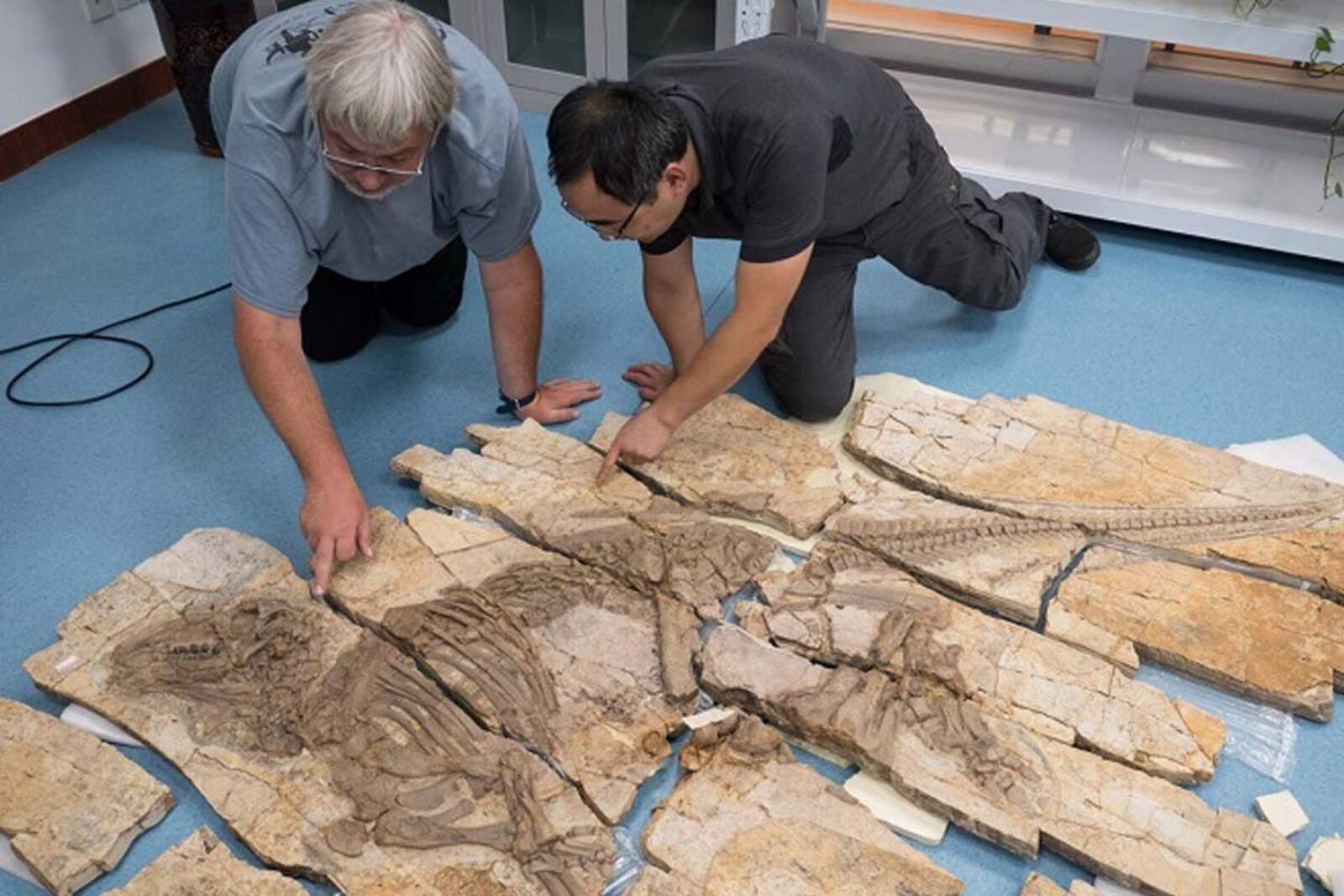
An almost complete fossil with preserved skin
The specimen belongs to a juvenile iguanodont and was found with a large part of the skeleton articulated. The most striking aspect is that it preserves extensive areas of fossilized skin.
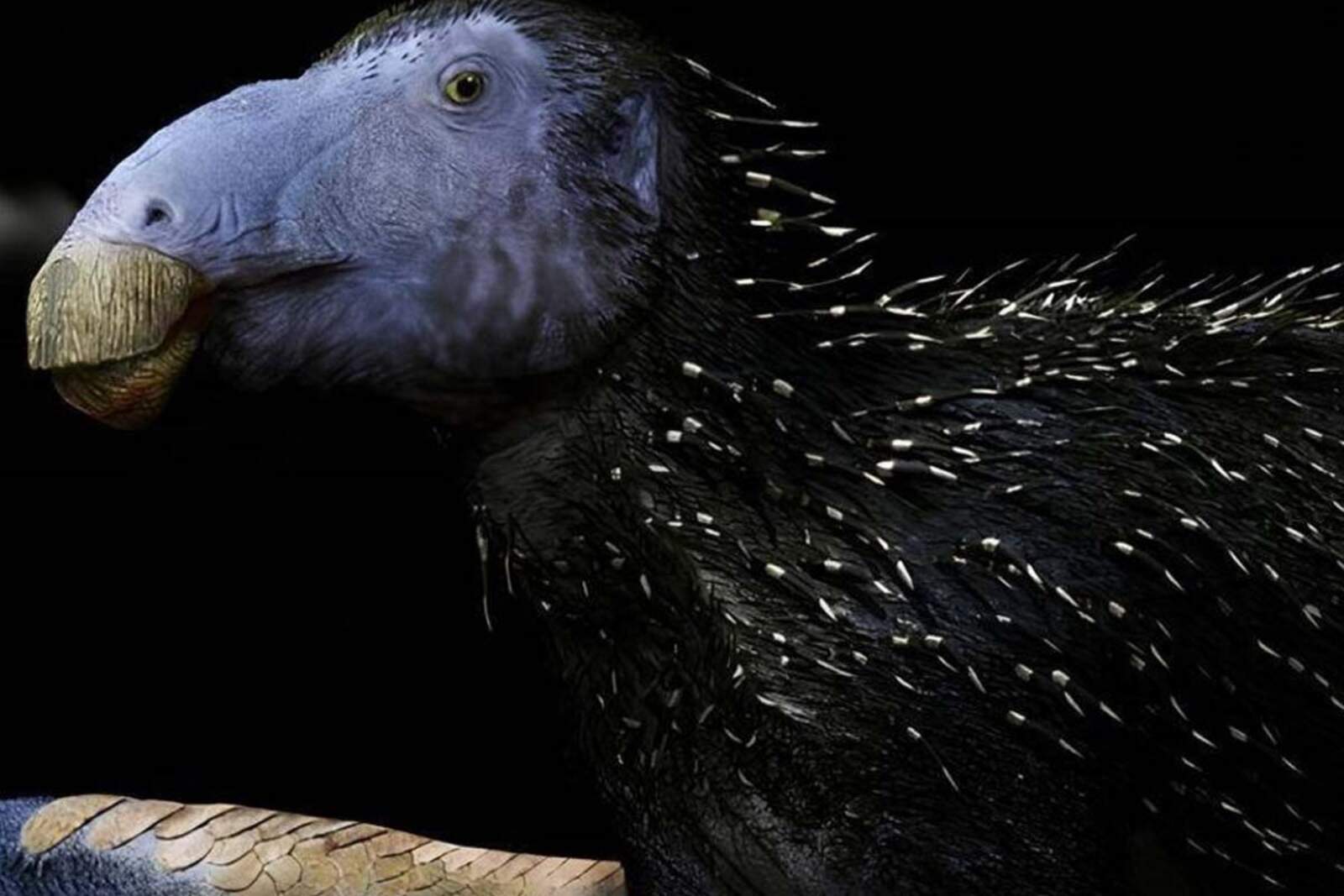
Among the scales, scientists detected a completely unexpected structure: a system of hollow cutaneous spines, something unprecedented in dinosaurs.
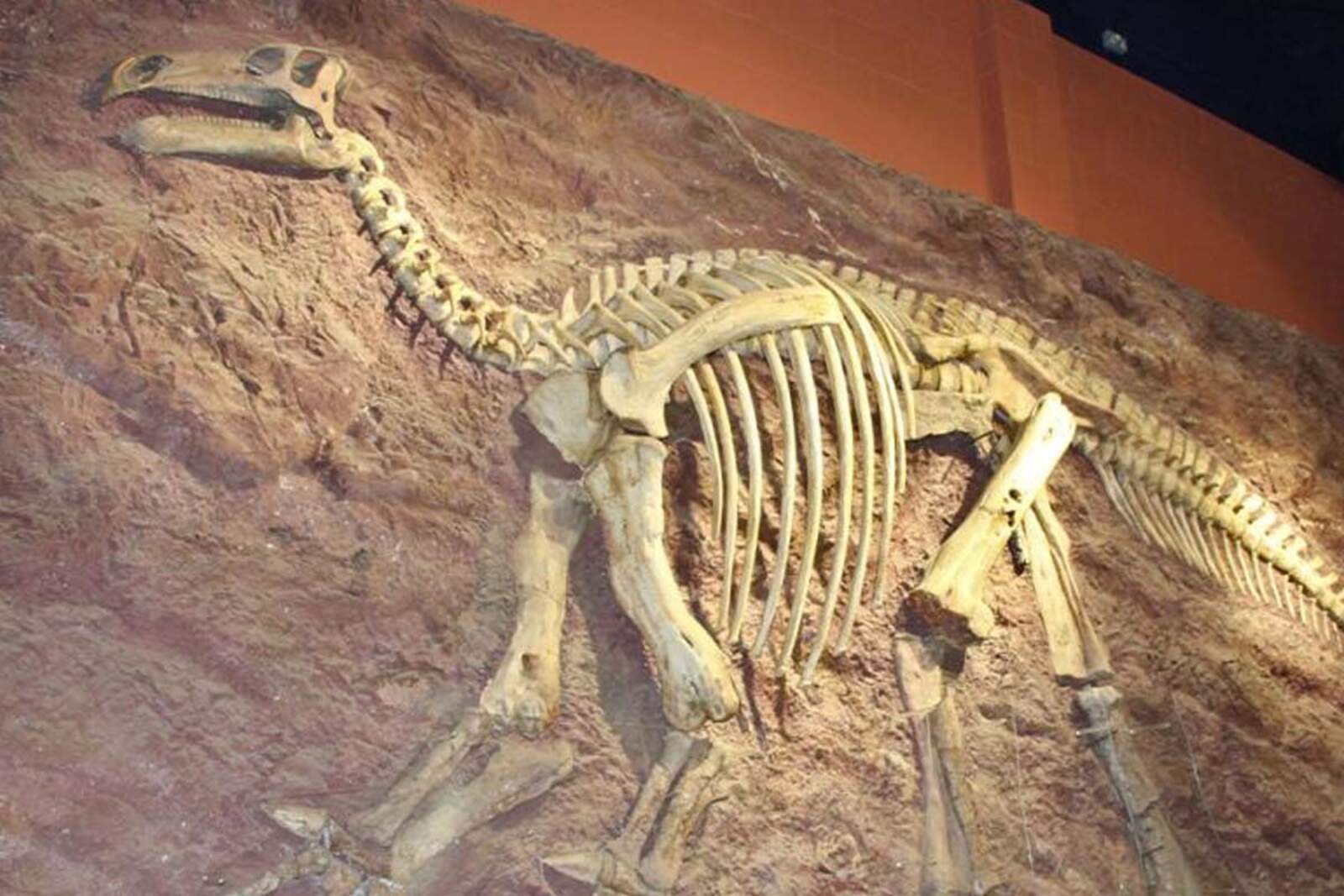
A new dinosaur for science
The species was named Haolong dongi, in tribute to renowned Chinese paleontologist Dong Zhiming. Its age is estimated at about 125 million years, within the Early Cretaceous.
Un nuevo dinosaurio para la ciencia
The level of preservation made it possible to study soft tissues, a type of evidence that is extremely rare in the fossil record.
Spines preserved at the cellular level
The analysis revealed that the skin combined large scales on the tail with smaller scales on the neck and thorax. The spines appeared among them, preserved with microscopic detail.
Haolong dongi
By means of X-rays and histological sections, the researchers confirmed that they were cylindrical and hollow structures, with cells preserved down to the level of the nuclei.
According to the authors, these spines do not resemble either primitive feathers or scaly structures of modern reptiles. Everything indicates that this is a distinct evolutionary innovation. This degree of preservation is considered extraordinary and raises new questions about the external diversity of dinosaurs.
What the spines were used for
The main hypothesis points to defense: since this was a juvenile individual, the spines would have functioned as a deterrent element against predators. Secondary functions, such as thermoregulation or perception of the environment, can't be ruled out. Since this is a young specimen, it is not clear whether adults retained these spines: it is possible that they were lost as the animals grew.