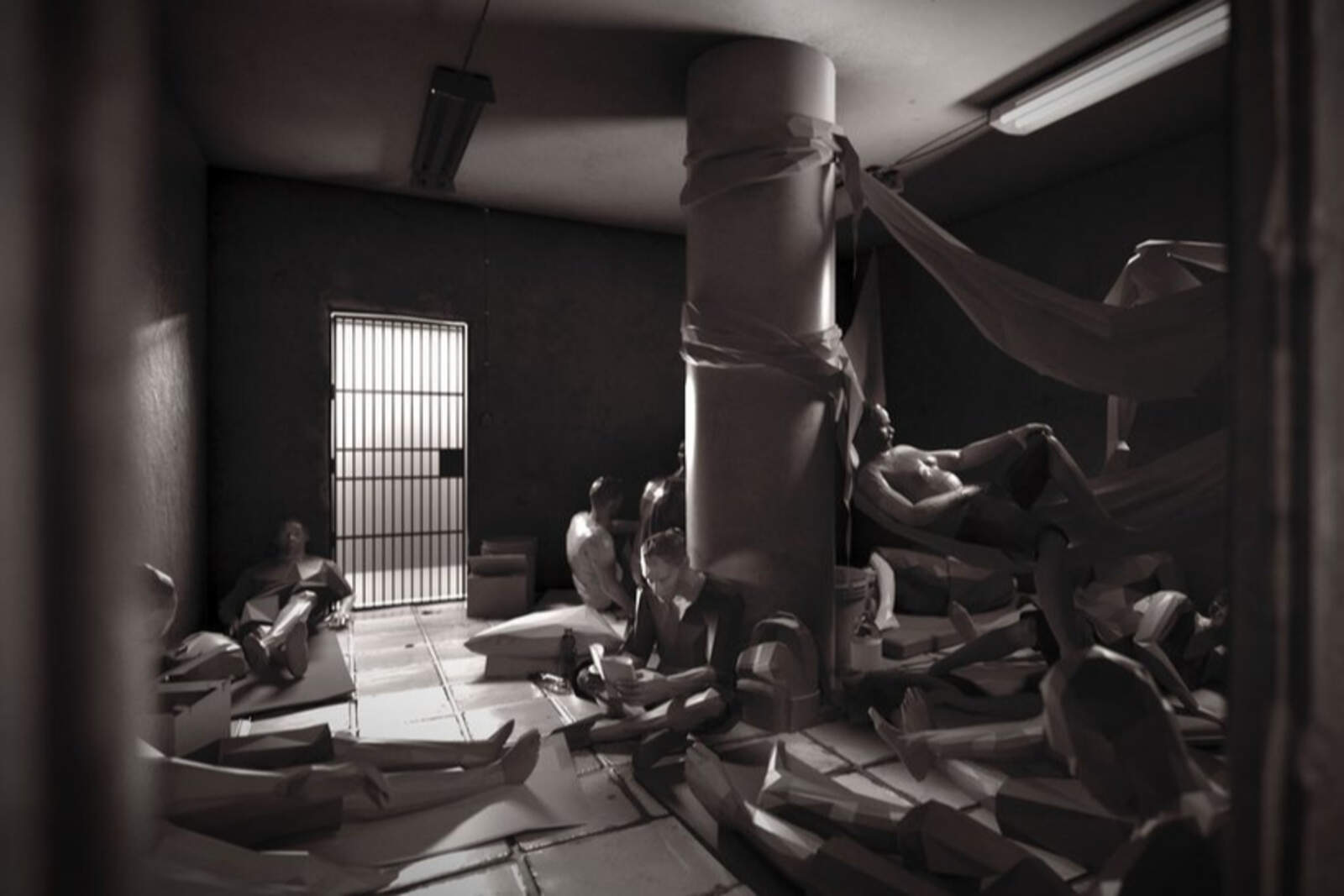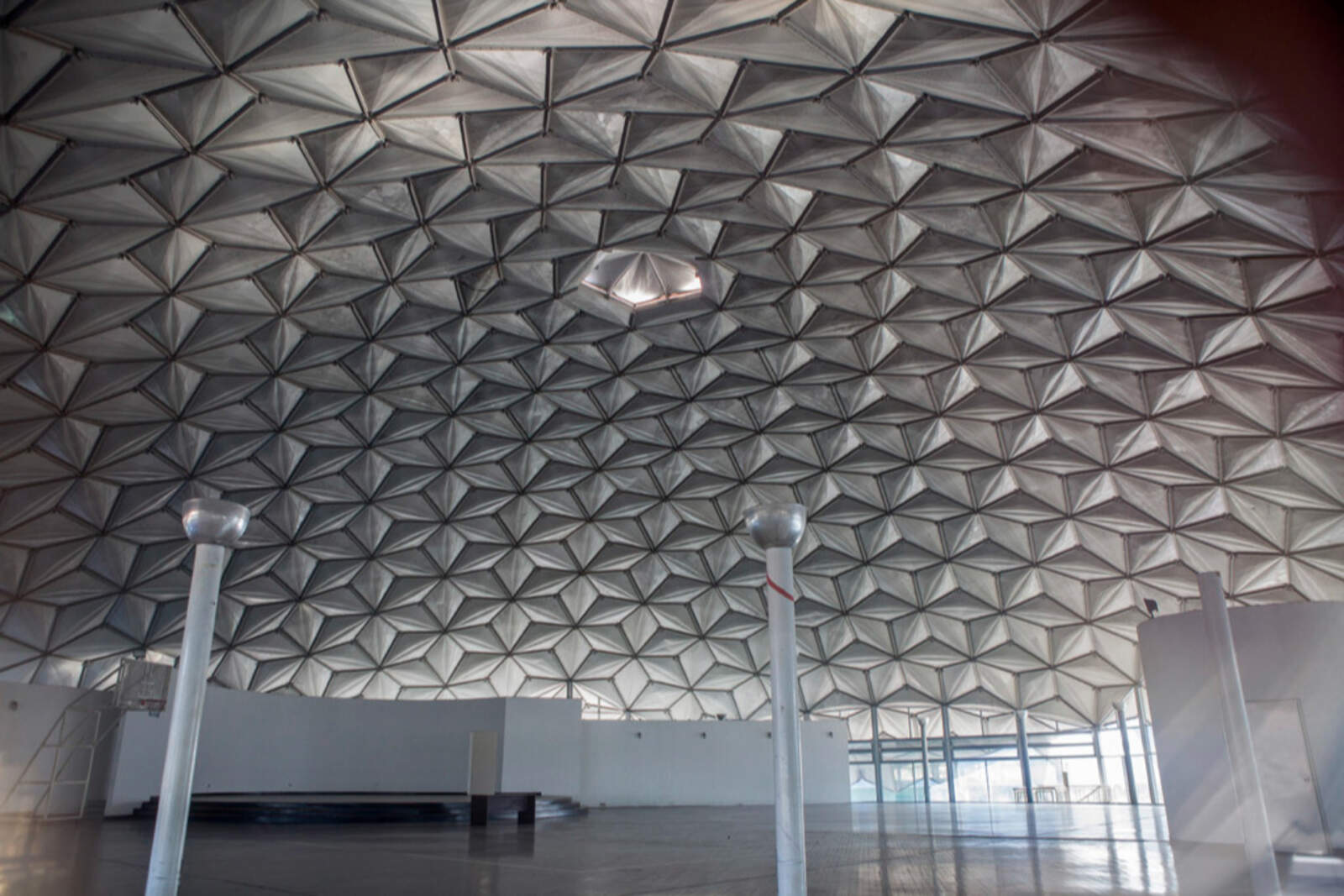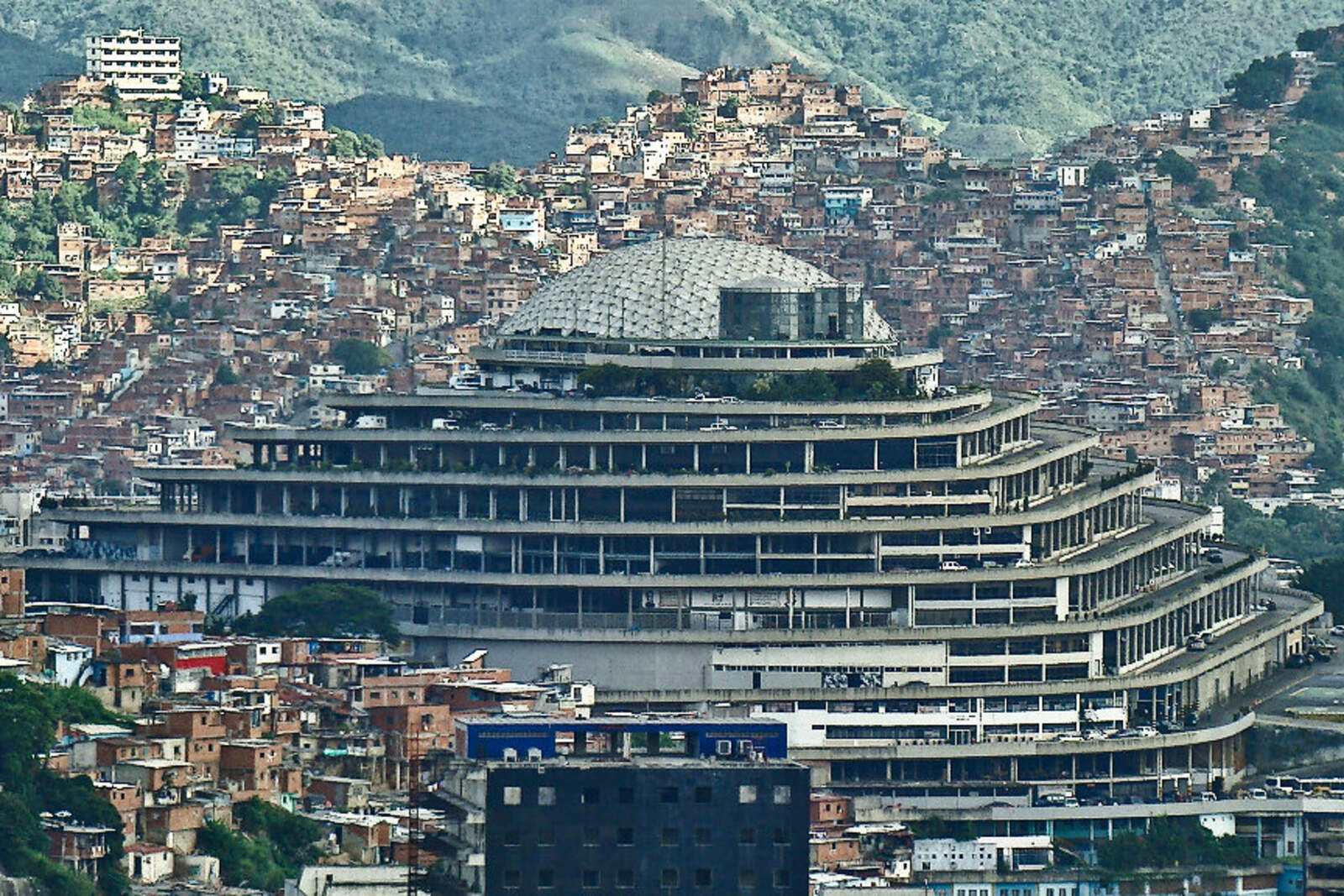

In Venezuela, the name Helicoide stopped being associated with architecture, modernity, or urban development a long time ago. Today it is synonymous with repression, confinement, and systematic violations of human rights. Under the government of Nicolás Maduro, the building —located in Caracas— has become consolidated as one of the main detention and torture centers in the country, according to complaints by international organizations, former detainees, and humanitarian organizations.
In recent months, the issue has returned to center stage after the announcement of the release of political prisoners, including foreign citizens and opposition leaders. However, human rights organizations warn that nearly one thousand people remain detained for political reasons, many of them held in Helicoide, which is considered by its victims as "hell on earth."
Helicoide was conceived in the 1950s as a monumental project. During the dictatorship of Marcos Pérez Jiménez, there were plans to build there the largest shopping mall in Latin America: a commercial and cultural complex with movie theaters, stores, offices, viewpoints, and helical ramps where thousands of cars would circulate. The design was carried out by Venezuelan architects Jorge Romero Gutiérrez, Pedro Neuberger, and Dirk Bornhorst, and it occupied more than 10,000 square meters in the Roca Tarpeya area, San Pedro parish.
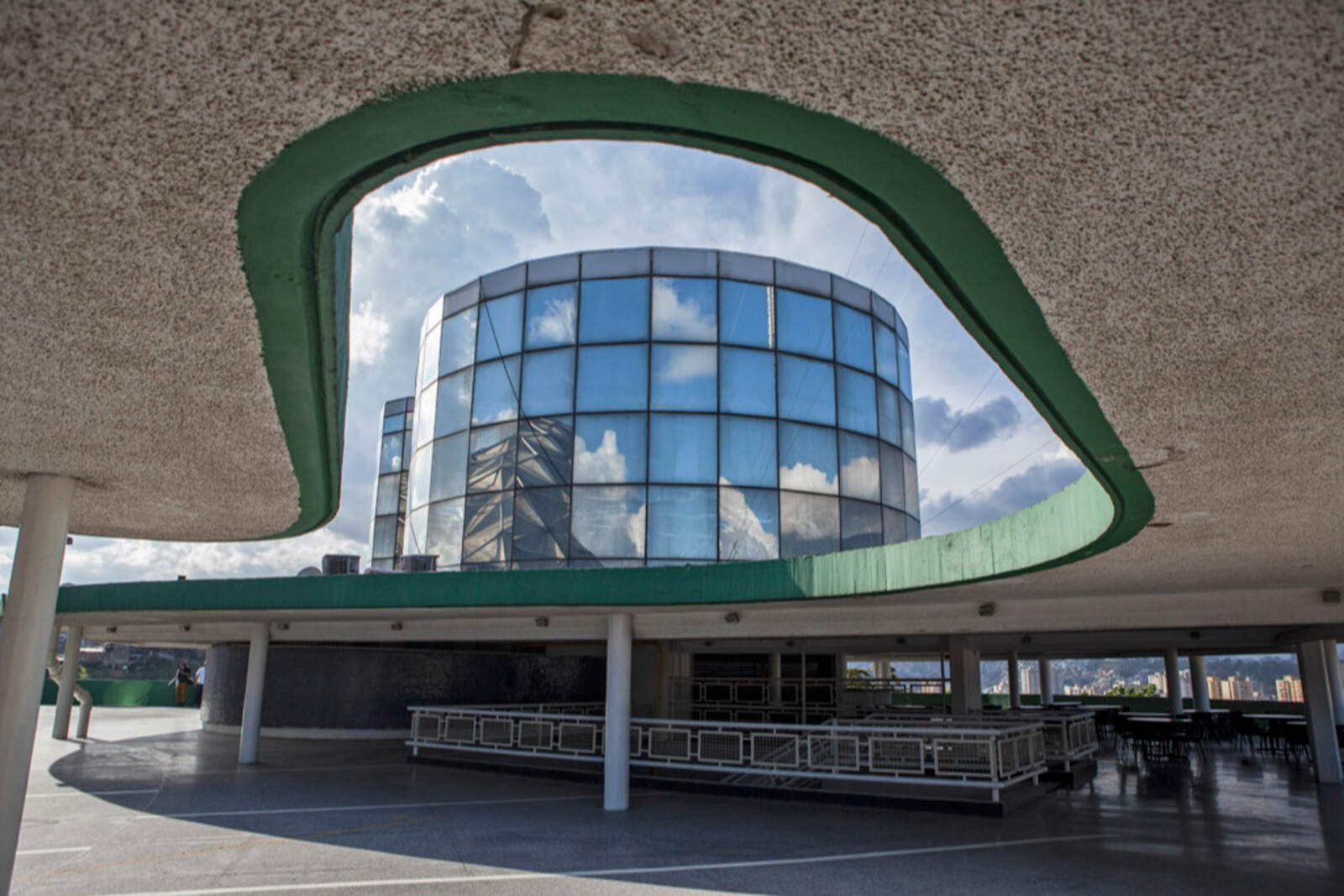
The fall of the regime in 1958 marked the beginning of the project's failure. Financing was interrupted and, by 1961, the work was left unfinished. What was supposed to be an emblem of modernity was transformed into a huge abandoned concrete structure.
During the following decades, Helicoide had multiple informal uses. In the 1970s and early 1980s, it was occupied by families displaced by landslides and housing crises. The building became a precarious settlement inside an unfinished mass, far from any original idea of luxury or mass consumption.
The arrival of the intelligence services
Helicoide's final destiny began to be sealed in the mid-1980s, when the Venezuelan state took full control of the property. The building passed into the hands of DISIP, the intelligence agency of the time, which is known today as SEBIN (Servicio Bolivariano de Inteligencia Nacional).