
By Martín Voss, for La Derecha Diario.
During his second term, President Trump explicitly reactivated his strategic interest in Greenland. The initiative is part of a scenario of reconfiguration of the hemispheric balance, marked by the presence of extracontinental powers and by the growing centrality of the Arctic as a crucial space for missile defense, aerospace surveillance, and the control of maritime corridors within the Western security architecture.
Washington's position was explained by its authorities as a reaffirmation of the role of the United States as guarantor of the Western order in the face of the increased capabilities of actors such as Russia and China in the Arctic.
In this scenario, it is appropriate to analyze the historical background of U.S. interest, the strategic opportunity that is opening up for Argentina in Malvinas and the South Atlantic, and the relevant energy implications of the dispute.
Reactivation of U.S. strategic interest in Greenland
U.S. interest in Greenland dates back to 1867, when Secretary of State William Seward promoted a project to acquire the island together with the purchase of Alaska. Although it did not materialize, the initiative established Greenland early on as a strategic asset for the control of the North Atlantic and continental defense.
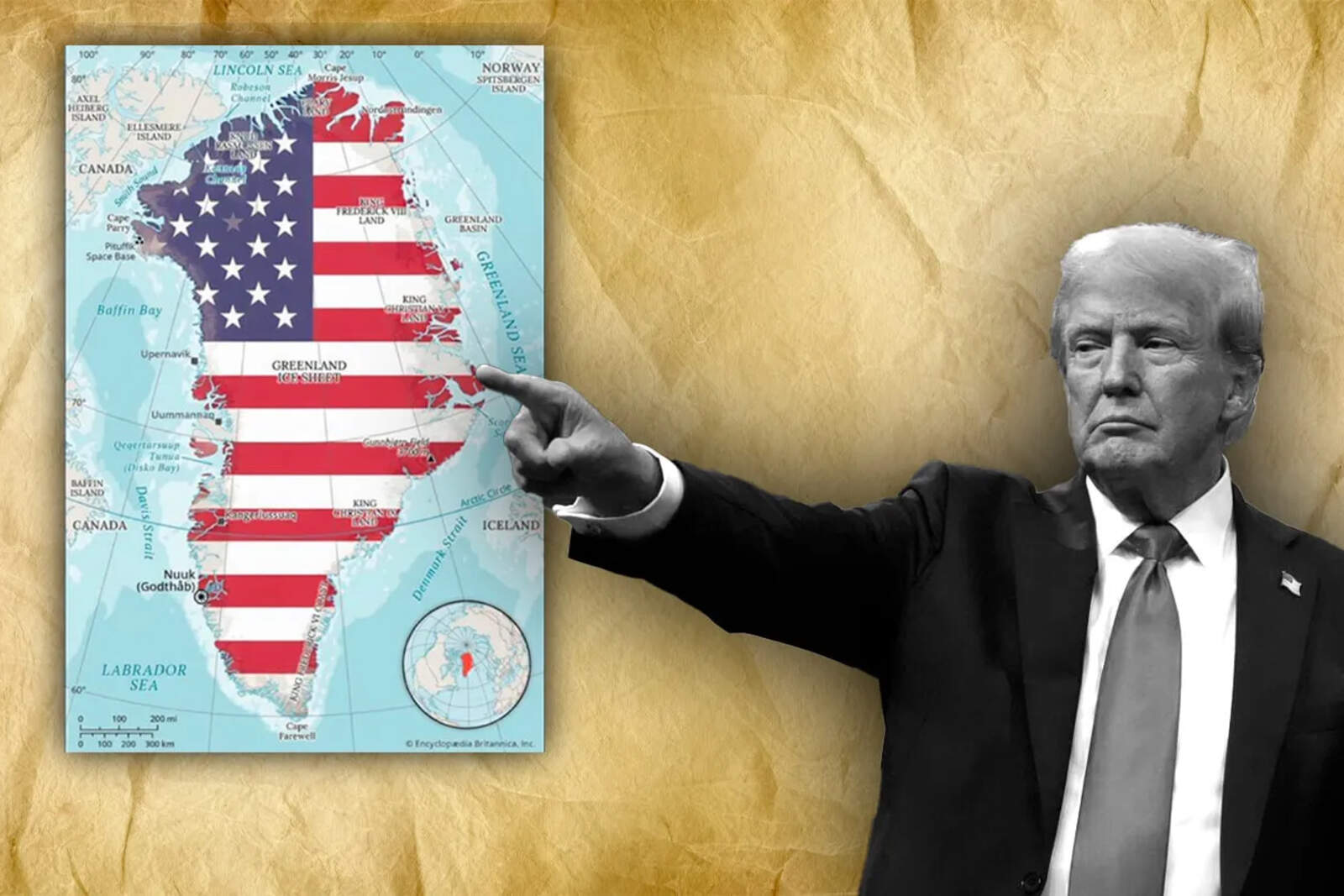
During World War II, Washington assumed operational control of the territory to prevent its occupation by Nazi Germany after the invasion of Denmark. Once the conflict ended, the presence was formalized through the 1951 Defense Treaty, which allowed the construction of the current Pituffik Space Base, integrated into the U.S. early warning and aerospace surveillance system.
Within this historical framework, President Donald Trump resumed the strategic claim over Greenland, stating that "The United States needs Greenland for national security reasons" and reinstating the island as a central enclave of the Atlantic security architecture led by Washington.
Strategic opportunity for Argentina: Malvinas, South Atlantic, and Antarctica
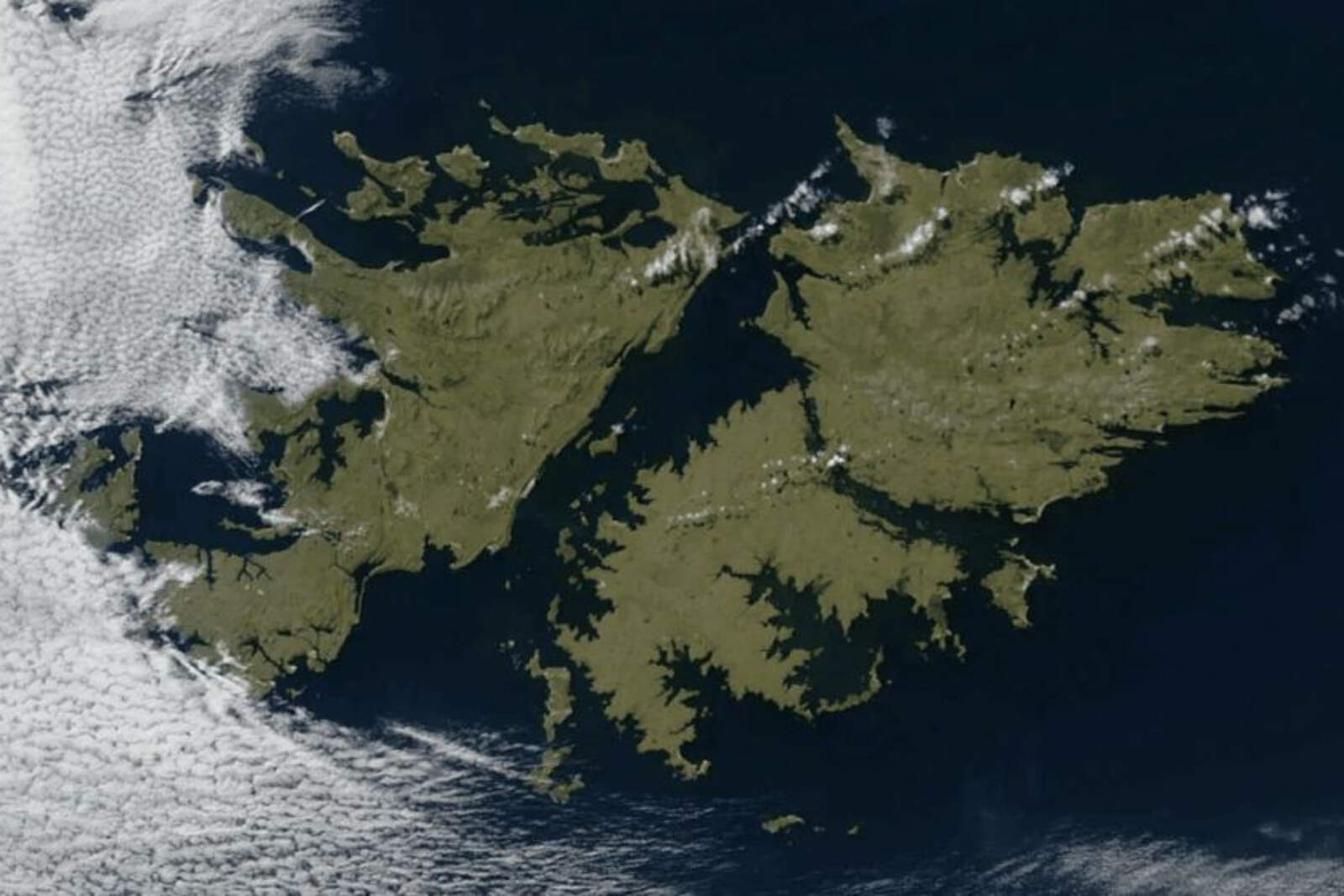
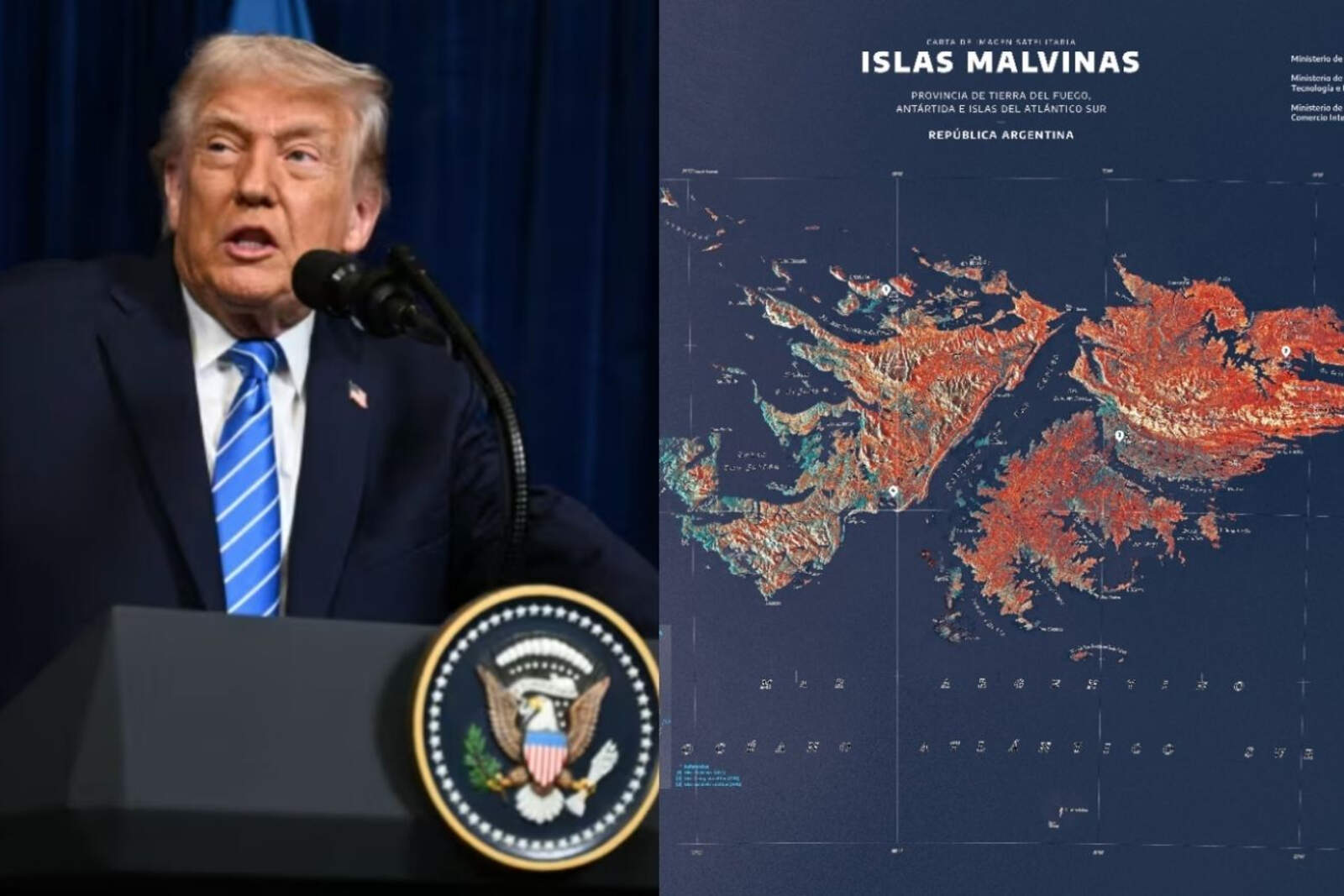
The U.S. annexation of Greenland would set a geopolitical precedent of high value for Argentina's position in the dispute over the Malvinas Islands, the South Atlantic, and Antarctica.
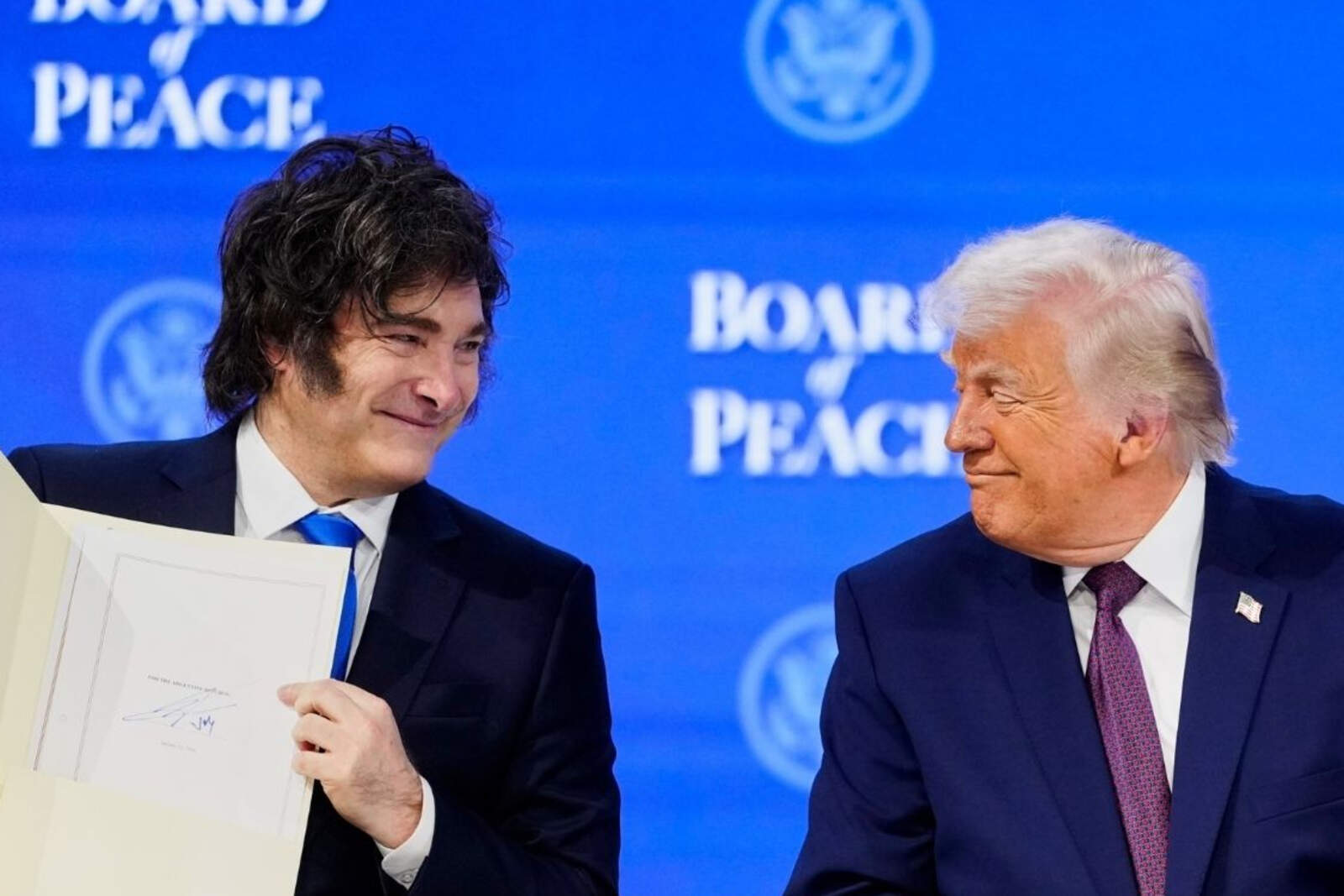
In recent hours, politics and fate have put the issue back on the agenda: while the Argentine ambassador to France, Ian Sielecki, complained with solid grounds before the French parliament for placing him in front of a map with the Malvinas Islands identified as British territory, President Javier Milei signed, together with President Trump in Davos, Argentina's participation in the Peace Council. These events–initially isolated and disconnected from each other–take on a different meaning in the context described above.
By basing its action on criteria of strategic security and maritime control, the United States reinforces a contemporary application of the Monroe Doctrine, which conceives of the hemisphere as a space of priority interest. Under this premise of "America for the Americans", which has been so often highlighted, the control of Atlantic enclaves acquires a central dimension for the defense of ocean routes and Antarctic projection, where Malvinas occupies a central role.