This Tuesday, Trump and Aliyev's governments signed an agreement that covers several topics, including security, economic cooperation, and energy issues
Compartir:
The United States and Azerbaijan signed a strategic partnership agreement in Baku on Tuesday that covers economic, energy, and security cooperation, in a move that strengthens Washington's presence in the South Caucasus, a region where Russia has historically been the main power player.
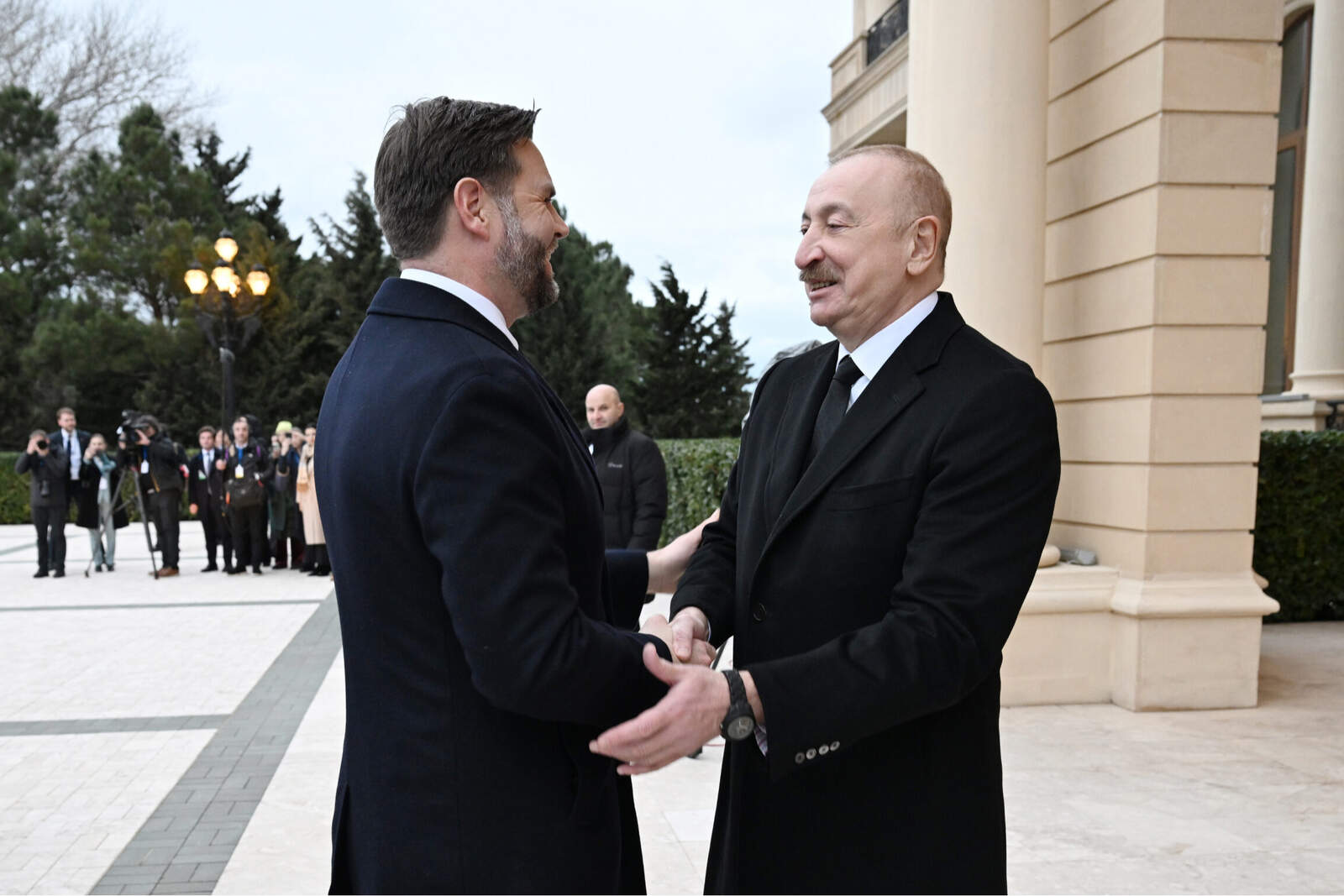
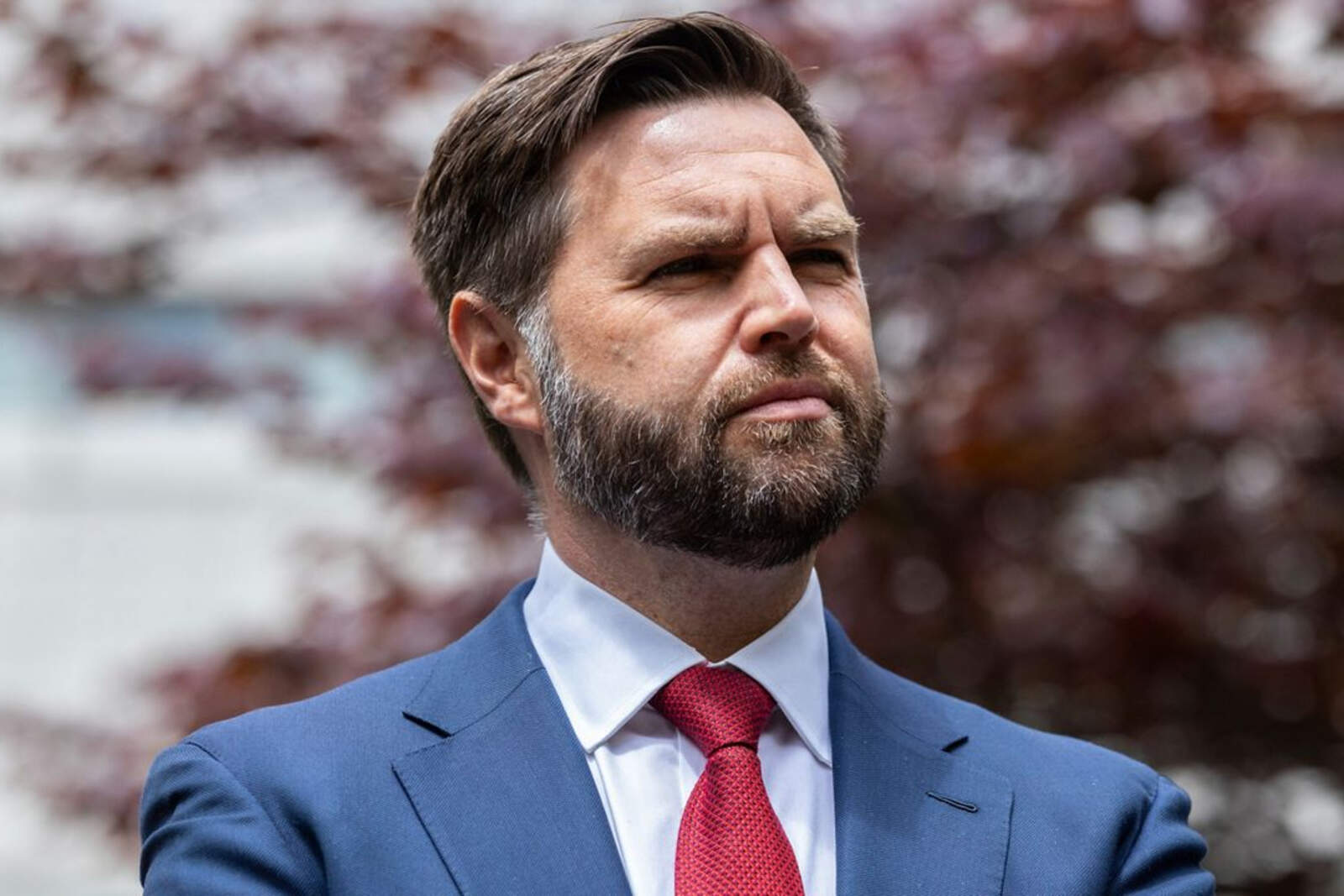
The agreement was signed by the Azerbaijani president, Ilham Aliyev, and the U.S. vice president, JD Vance, during an official visit that also included Armenia, Azerbaijan's historic rival.
Aliyev described the agreement as the beginning of "a completely new phase" in bilateral relations. According to the head of state, cooperation will expand significantly in areas such as defense equipment sales and artificial intelligence development, in addition to deepening existing collaboration on energy security and the fight against terrorism.
The pact reinforces Azerbaijan's role as a strategic partner of the United States in an area marked by geopolitical tensions and regional rivalries.
JD Vance se reunió con el presidente azerí Aliyev para sellar la alianza de cooperación económica y energética
Meanwhile, Vance announced that the United States will send an unspecified number of vessels to Azerbaijan to help protect its territorial waters, a concrete sign of the strengthening of military cooperation. The vice president emphasized that maritime security is key to ensuring regional stability and protecting critical energy infrastructure.
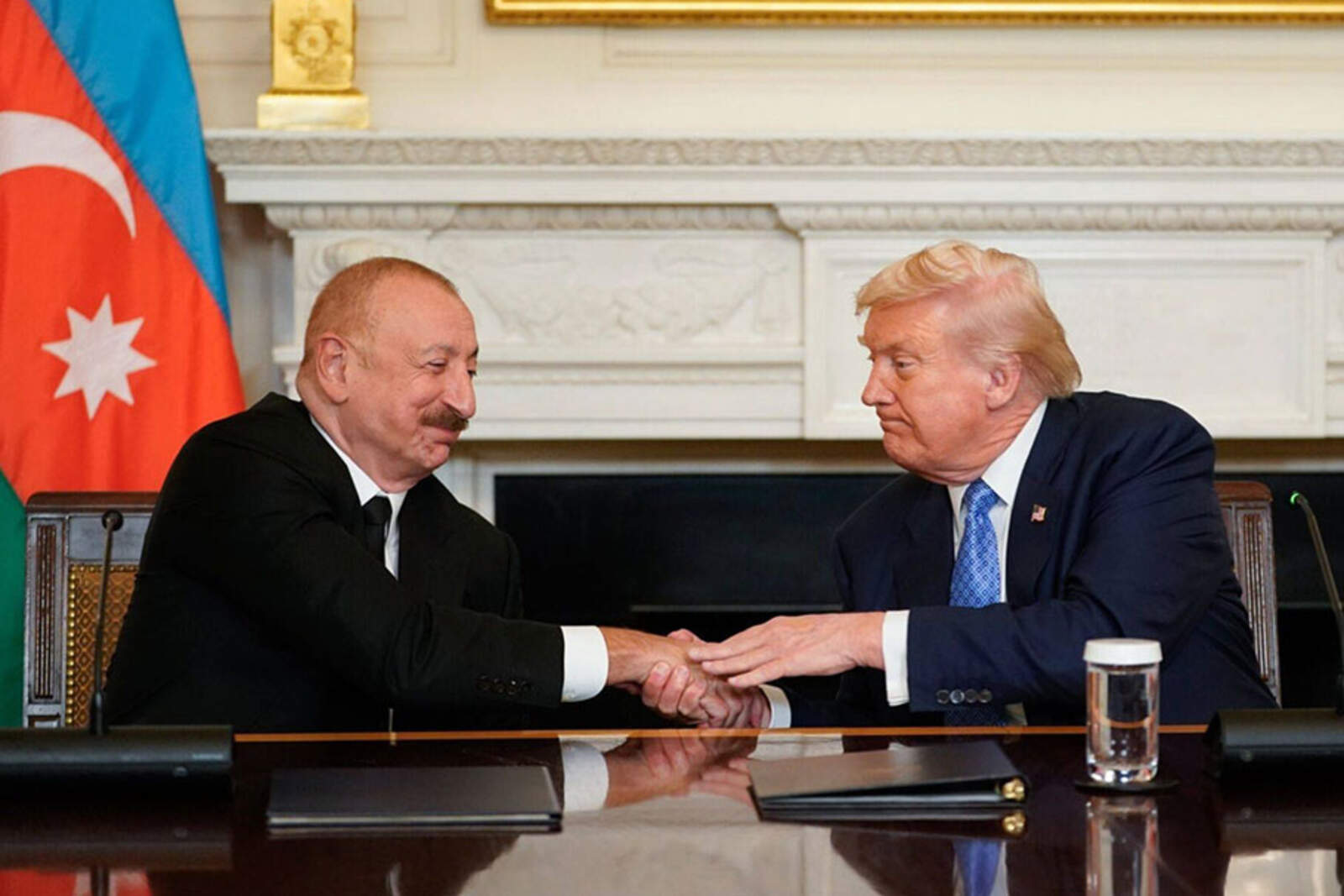
The agreement signed this week has its origin in talks held last August in Washington between Aliyev and U.S. President Donald Trump.
In that meeting, Azerbaijan and Armenia reached a political understanding aimed at ending decades of conflict, after almost 40 years of intermittent clashes. Although a formal peace treaty hasn't been signed yet, both countries have taken steps to reduce tensions and partially resume energy exchanges.
El acuerdo tiene origen en 2025 cuando Trump y Aliyev se reunieron en Washington
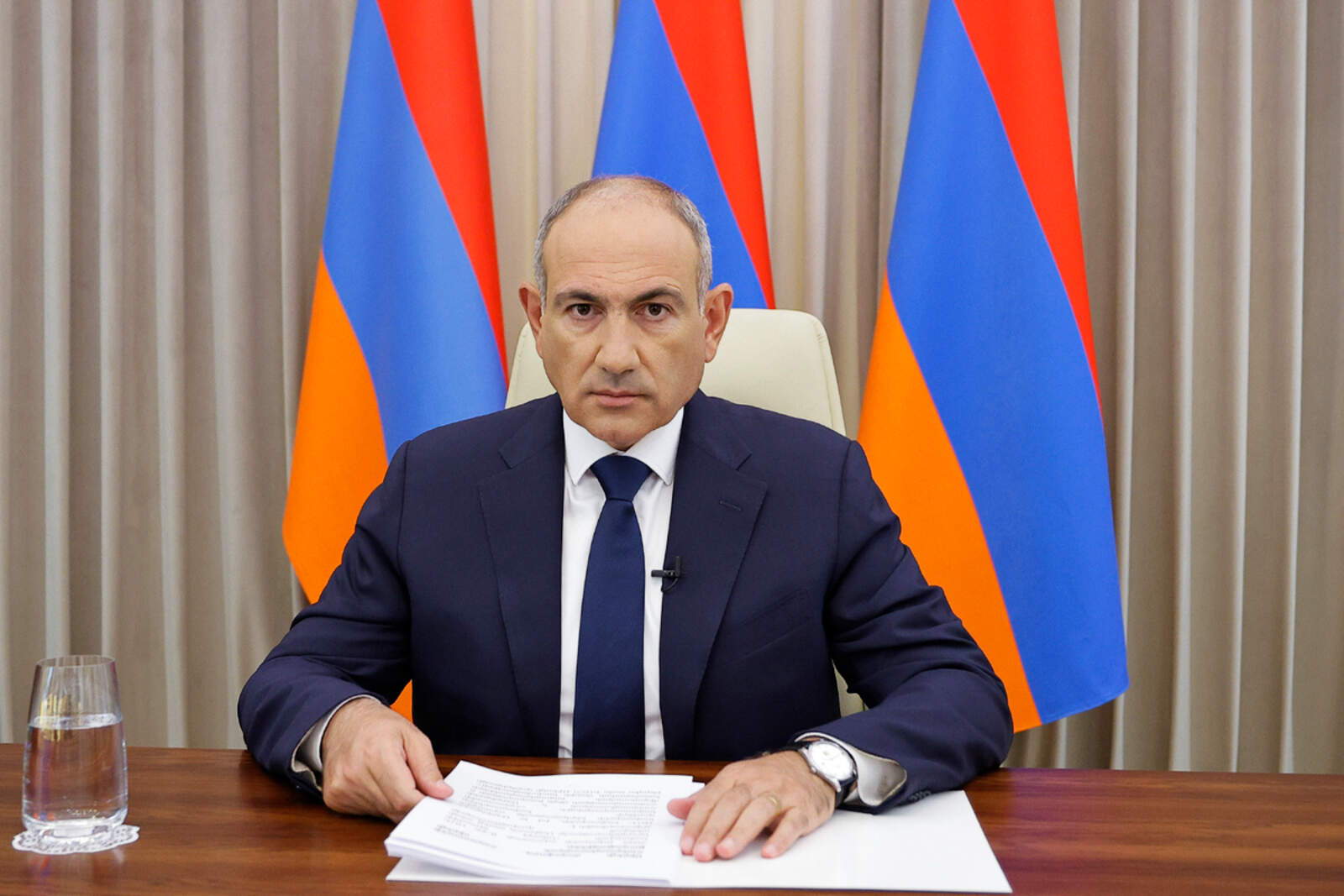
During his regional tour, Vance also visited Armenia, where he signed an agreement with Prime Minister Nikol Pashinyan that could pave the way for the United States to participate in the construction of a nuclear power plant in that country.
Armenia has historically depended on Russian and Iranian energy, so the potential nuclear project would represent a significant strategic shift in its energy matrix and in its international alliances.
Another central pillar of the visit was the promotion of the project known as "Trump Route for International Peace and Prosperity" (TRIPP). This is a 43-kilometer corridor that would cross Armenian territory and would allow Azerbaijan to access its Nakhchivan enclave directly and, from there, Türkiye, its main regional ally.
Vance también se reunió con el primer ministro de Armenia y se podría dar la construcción de una planta nuclear
The corridor would improve connectivity between Asia and Europe in a context in which Washington seeks to diversify trade and energy routes, reducing dependence on Russia as a consequence of the war in Ukraine.
"We hope that TRIPP will help strengthen economic cooperation, the development of natural and critical mineral resources, and that it will make it possible for the peace agreement between Azerbaijan and Armenia to be lasting," Vance stated at a joint press conference with Aliyev.
Although challenges persist and a final peace agreement hasn't been signed yet, the simultaneous rapprochement of the United States with Azerbaijan and Armenia suggests a sustained diplomatic effort to reshape the balance of power in the South Caucasus and reduce Russian influence in the region.
Vance fomentó el desarrollo de las rutas terrestres a través de Bakú y Yerevan