Washington strengthens its policy against officials linked to the Castro regime; exiles celebrate the measure
Compartir:
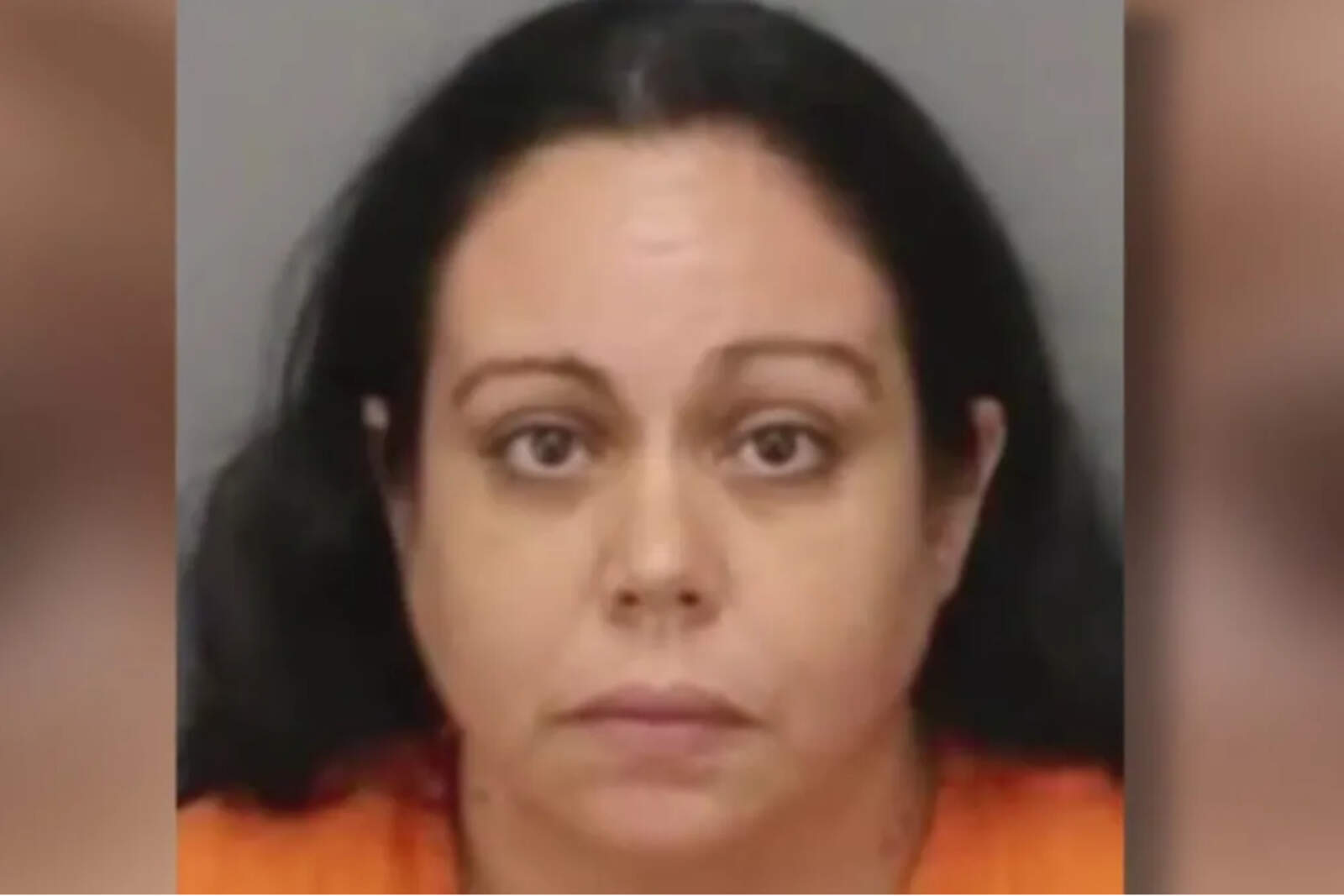
United States carried out the deportation of Cuban judge Melody González Pedraza to Havana on Thursday, after 484 days detained in Immigration and Customs Enforcement (ICE) centers. The decision was made after her application for political asylum was denied and a judicial order against her became final.
González Pedraza entered U.S. territory on May 30, 2023, on a flight from Cuba as a beneficiary of the Humanitarian Parole program promoted by the administration of President JoeBiden. However, at the Tampa airport, she was denied entry due to her record on the island. The magistrate requested asylum, but her petition was denied in May 2024 by an immigration judge in Pompano Beach. The judge did not appeal the decision.
Junto a la jueza también llegaron a Estados Unidos su esposo, William Hernández Carrazana, y su hermano, Ruber González Pedraza.
The case gained public relevance due to González Pedraza's past in the Cuban judicial system. A few weeks before leaving the country, she signed a sentence of three and four years in prison against four young people accused of throwing Molotov cocktails at property belonging to police officers and State Security in the municipality of Encrucijada, Villa Clara. None of those convicted were over 30 years old. According to reports by international organizations, the trial was based solely on the retraction of a confession and on testimony from State Security itself, in a context where there are no guarantees of due process.
Relatives of those convicted strongly questioned the judge's actions. "I'm the mother of one of the four young men imprisoned in a rigged trial by Melody González Pedraza. A trial in which there was no evidence against the young men. She tried to invent it, but she didn't find it," said from Cuba Dunia Marisol Rodríguez Milián, mother of one of the convicted youths.
Various complaints filed by Cuban exiles in the United States were decisive in the process that ended with the deportation. "Partial justice was done. In reality, she should've been tried in Cuba under a new democratic government for the systematic abuse of human rights. I told her that to her face during the trial," stated Samuel Rodríguez Ferrer, a key witness in the case.
Together with the judge, her husband, William Hernández Carrazana, and her brother, Ruber González Pedraza, also arrived in the United States, both recently deported after their record of collaboration with the regime was confirmed. Ruber had promoted official propaganda on social media before deleting his previous activity.
With this measure, Washington sends a clear message: beneficiaries of humanitarian programs won't be able to use them as an escape route if they've served the Cuban repressive apparatus.