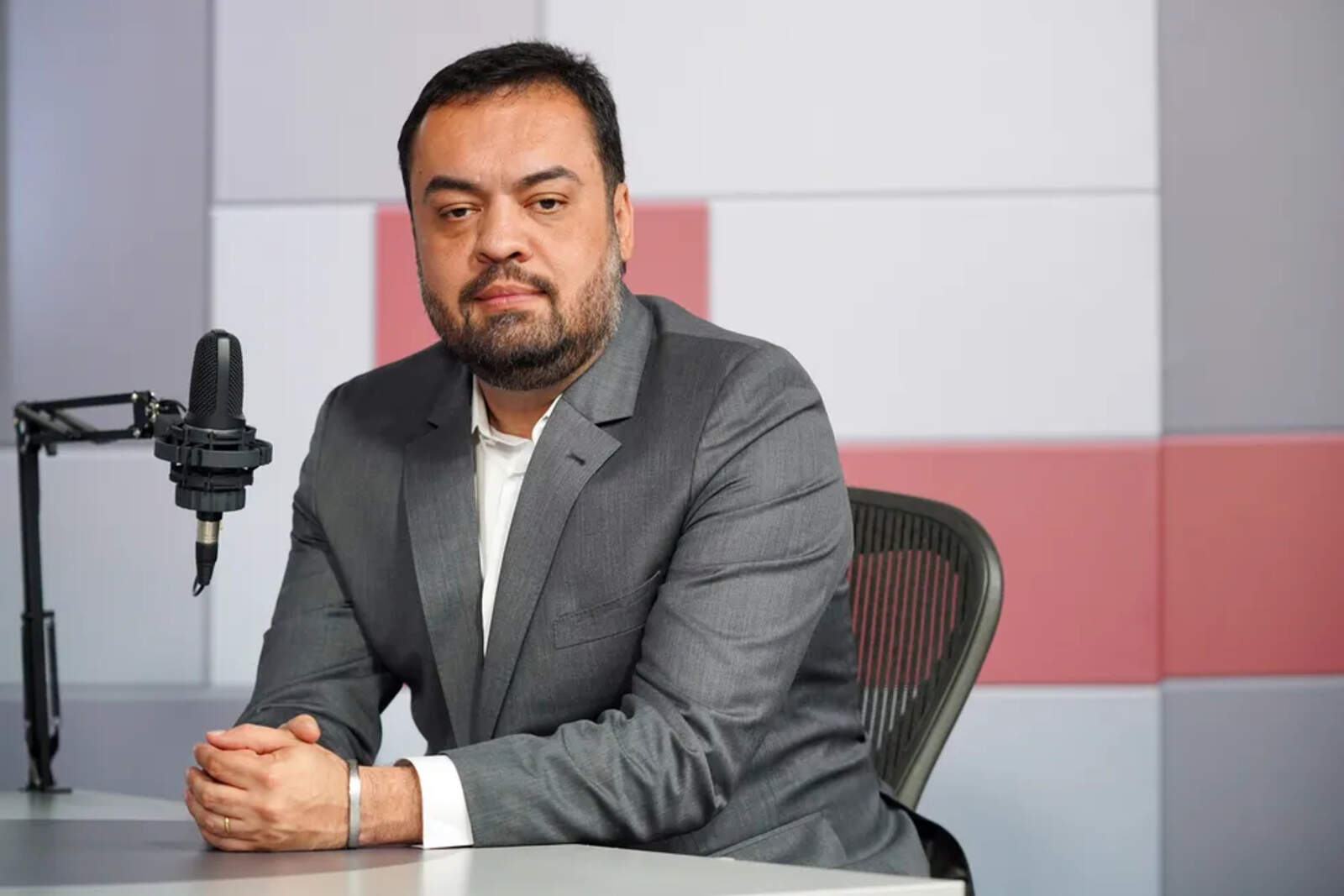
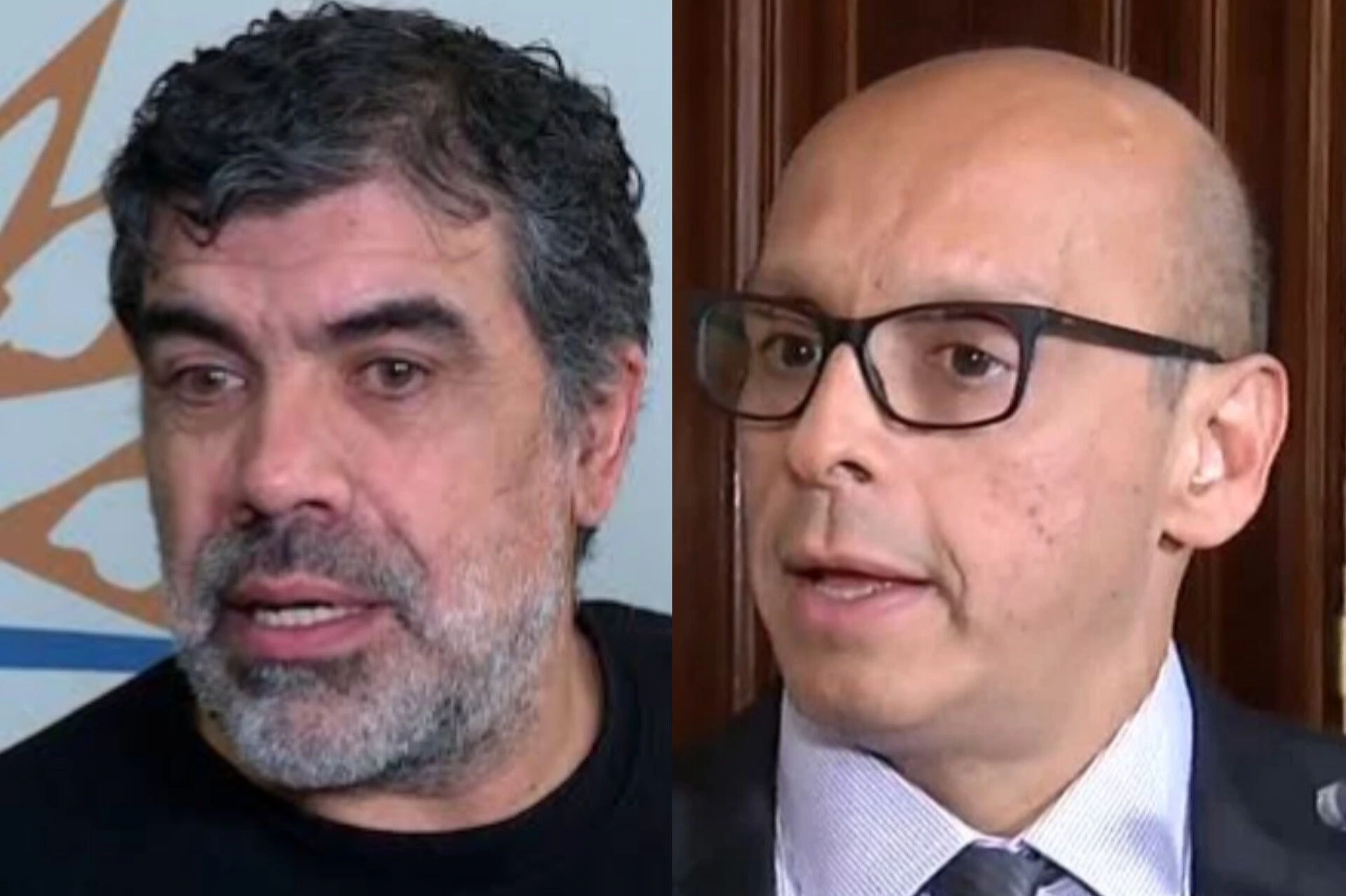
Claudio Castro, governor of the state of Rio de Janeiro, strongly criticized guerrilla president Lula da Silva for his lack of cooperation
Compartir:
The governor of Rio de Janeiro, Cláudio Castro, firmly defended the recent mega police operation against Comando Vermelho and denounced the lack of support from the federal government of Luiz Inácio Lula da Silva, whom he accused of leaving the state alone in the fight against organized crime.
Castro described the action as a success and rightly emphasized that the only victims were police officers, highlighting the sacrifice of security forces in the face of one of Brazil's most dangerous criminal groups.
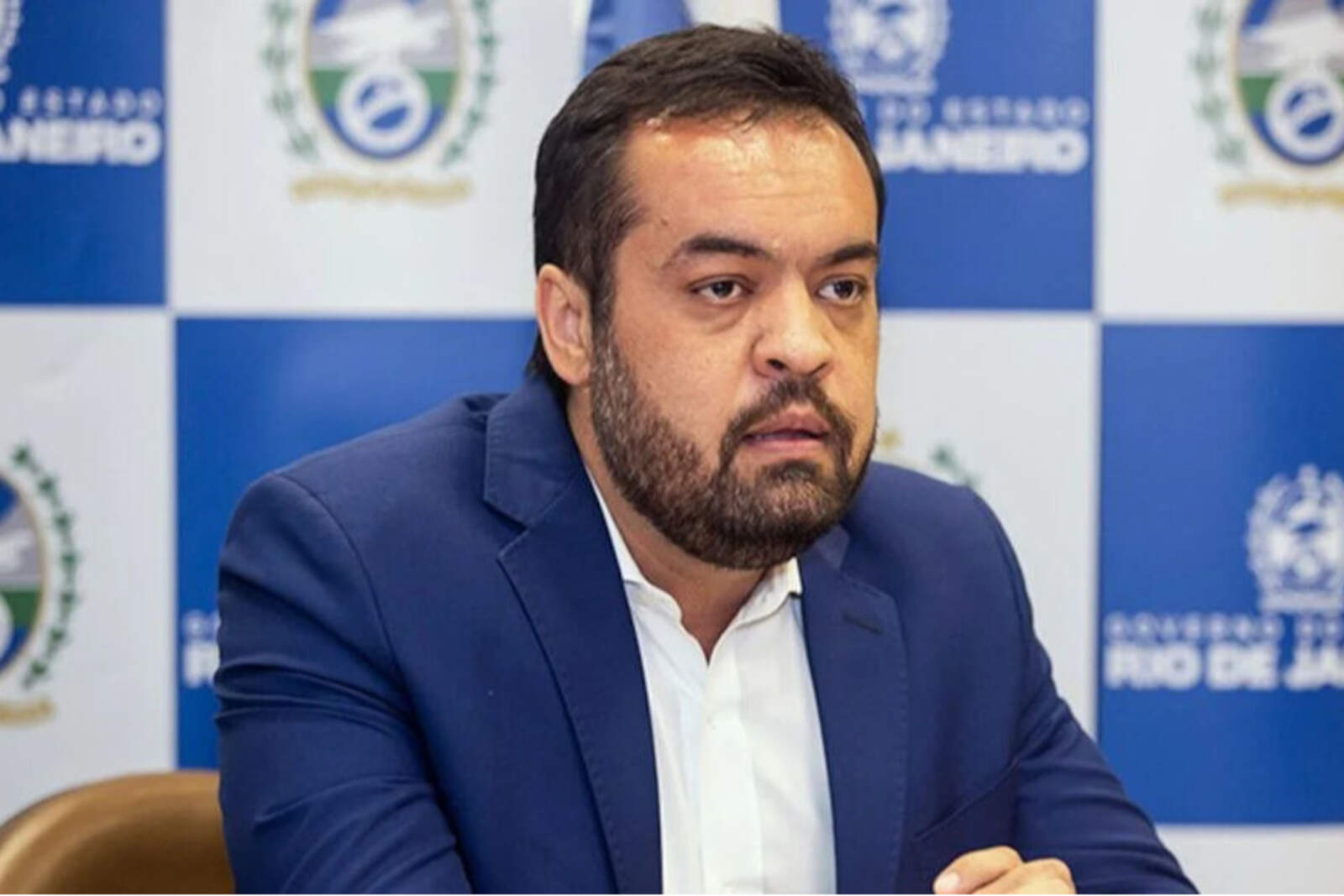
The governor, an ally of former president Jair Bolsonaro, led a meeting on Wednesday with his security team and allied governors to assess the results of the offensive, which he described as one of the most important in the state's recent history.
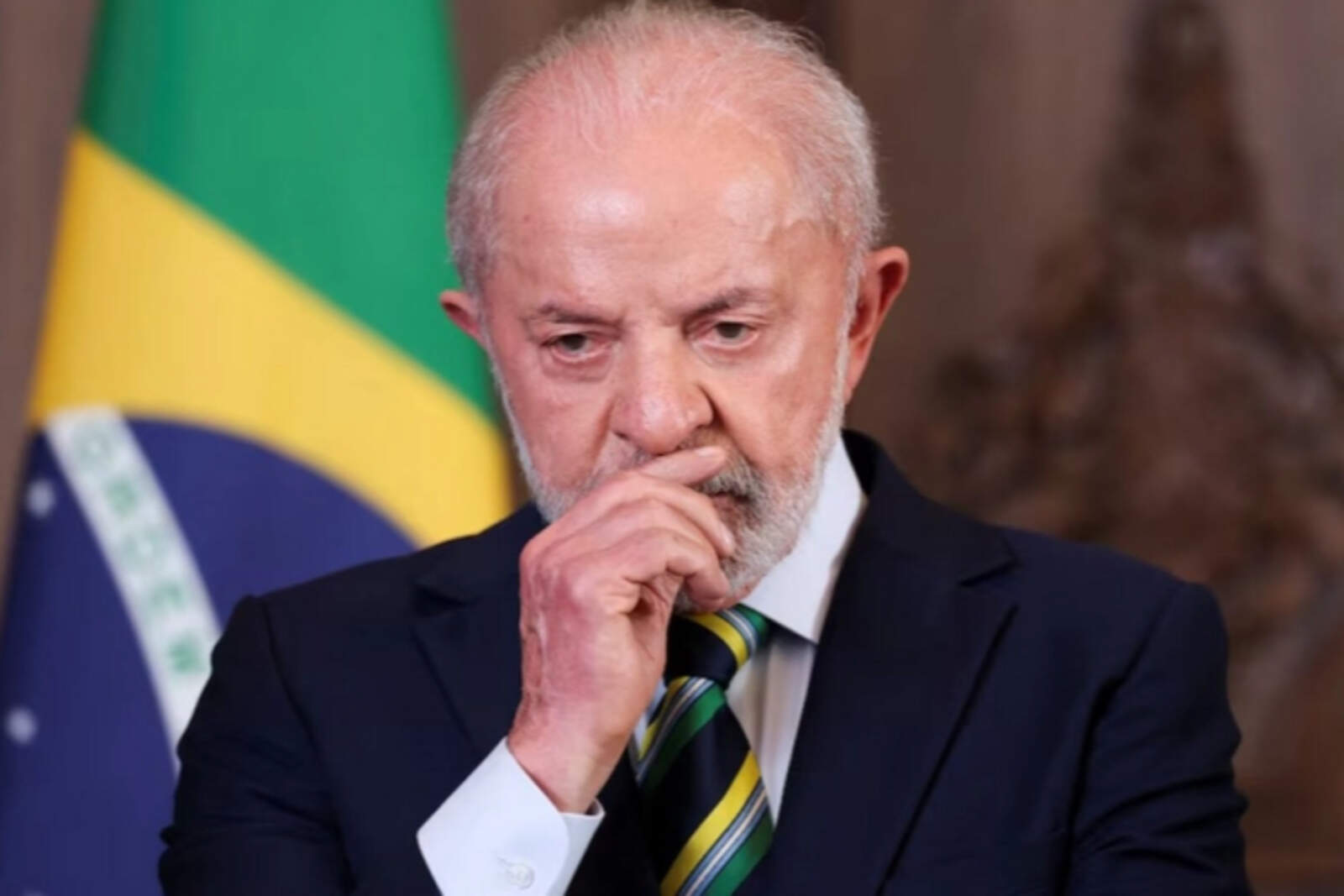
Lula da Silva se mantuvo alejado de la situación desde el inicio
In that context, Castro stated that the magnitude of the war against drug trafficking in Rio "exceeds the capabilities of a state government" and that it should be faced with the support of the federal government, especially the Armed Forces.
"This operation has very little to do with public security. It's a war that transcends the limits of what the State should fight alone. For a war like this, we should have greater support, including from the Armed Forces," he said.
With these words, the governor sought to demonstrate that the violence crisis facing Rio can't be treated as a local problem, but as a national threat that requires a coordinated and forceful response.
Castro lamented that his repeated requests for military support, particularly for armored vehicles from the Navy and Army, have been rejected three times by Lula's socialist government. According to the state leader, that refusal weakened the operation and increased the risk for the agents deployed on the ground.
Castro mencionó que esta guerra contra el narcotráfico debería estar respaldada por las Fuerzas Armadas
Despite the positive results, with dozens of arrests, seized weapons, and neutralized drug traffickers, the governor warned about the possibility of violent reprisals from Comando Vermelho due to the blow suffered by the organization.
The request for armored vehicles dates back to January, when a Navy doctor was hit by a stray bullet at Marcílio Dias Naval Hospital in Rio's North Zone.
After that incident, the Navy deployed armored vehicles around the hospital, within the legal radius of 1.4 kilometers (0.87 miles) allowed by military legislation. However, Castro requested to extend that support to reinforce operations in the city's most dangerous areas, which was denied by the General Staff under Lula's direct order.
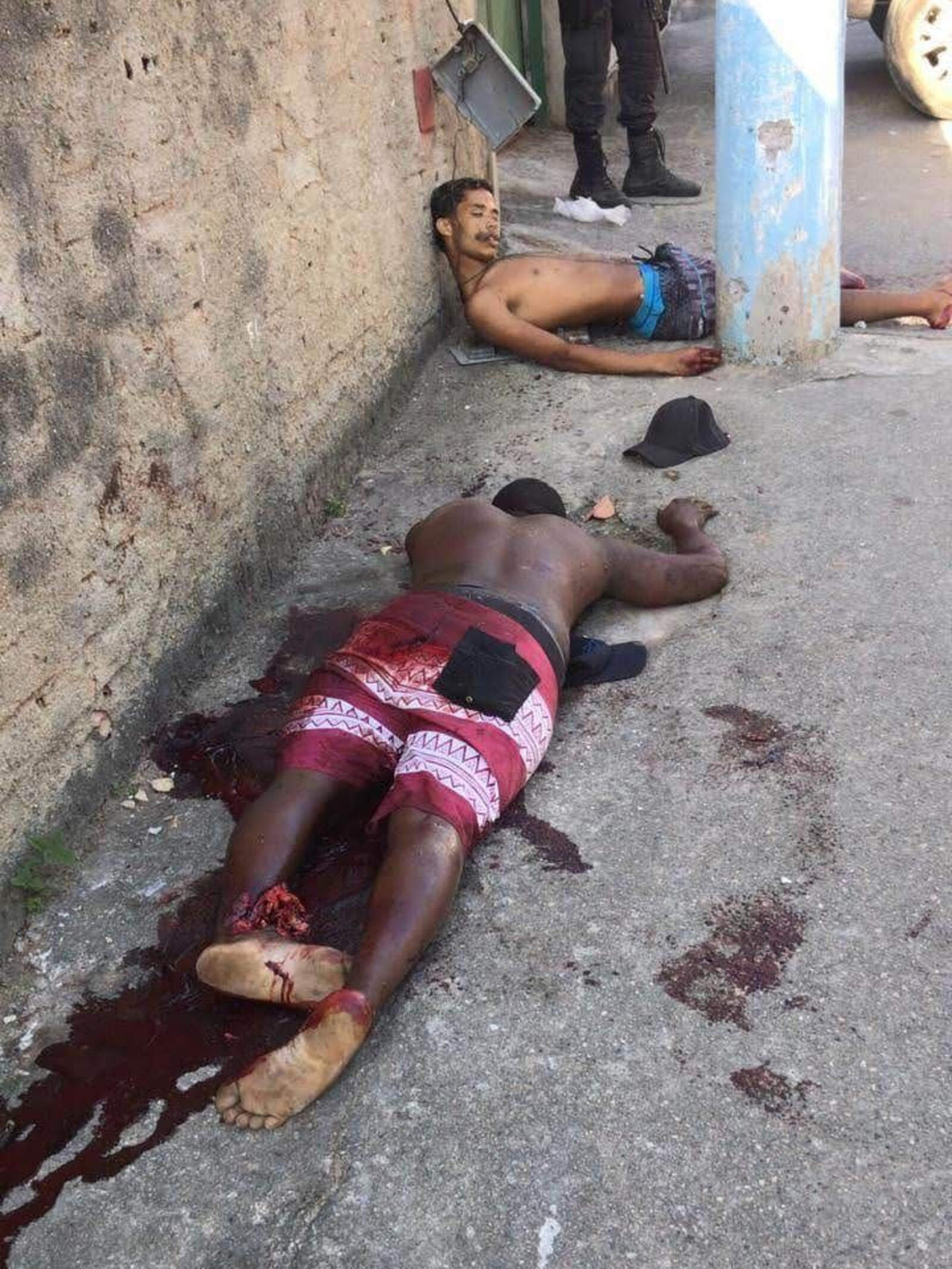
El conflicto en Río de Janeiro ha dejado al momento más de 120 muertos
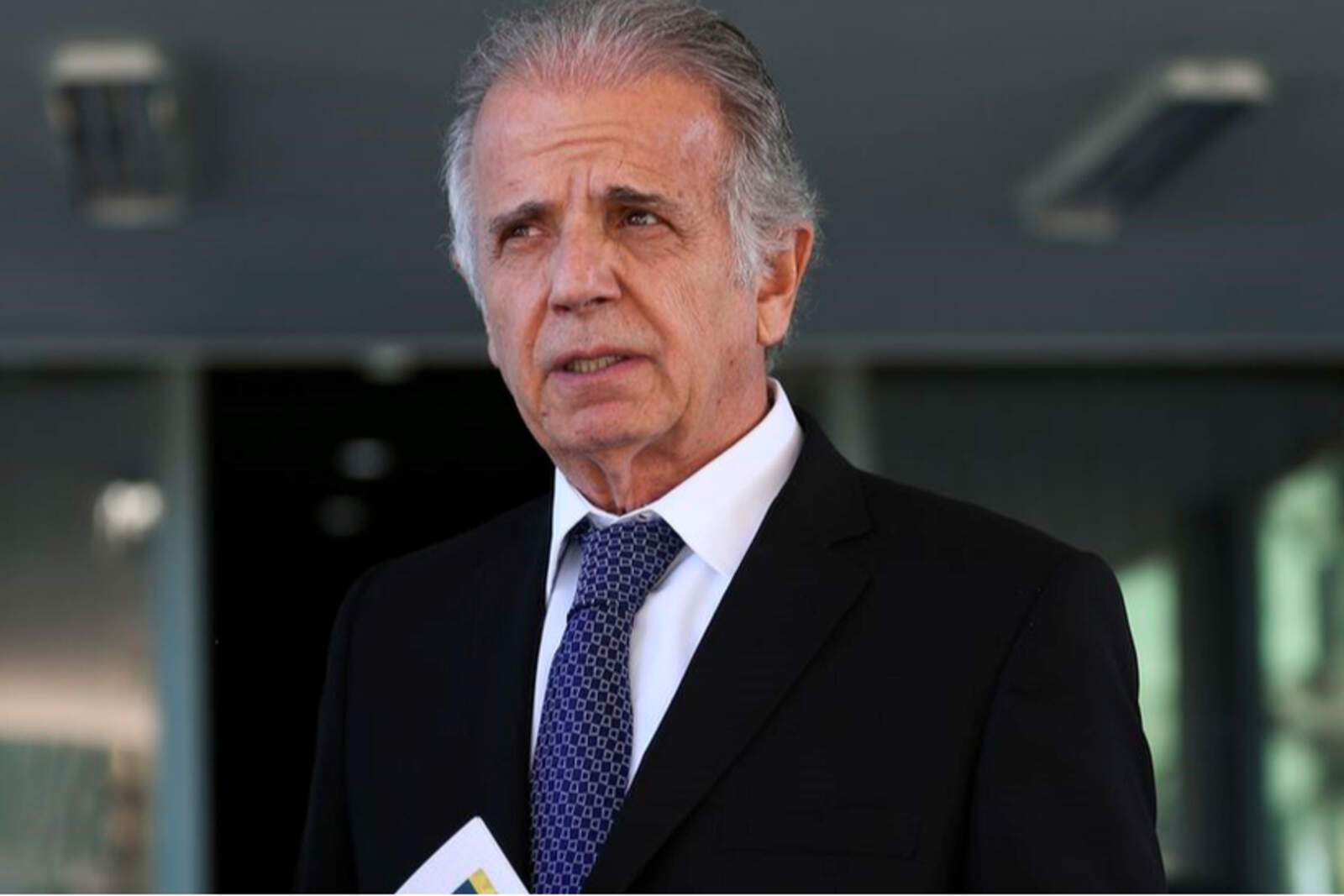
In a formal letter sent to the Minister of Defense, José Múcio Monteiro, the governor requested "the cooperation and logistical support of the Navy through the provision of armored vehicles, with their respective operators and mechanics, to assist in interventions in high-risk areas of the state."
His request, however, was vetoed on the grounds that it could only be carried out through a Law and Order Guarantee operation (GLO), which requires presidential authorization.
Castro criticized that decision, pointing out that the federal government prioritizes bureaucracy over the safety of citizens. For the governor of Rio de Janeiro, organized crime doesn't respect constitutional limits or the division of powers between levels of government, so the Brazilian State must act in a unified manner and with all its available resources.
"Armed criminal factions with war rifles can't be fought with only police patrols and goodwill. We need the support of the Armed Forces," he insisted.
El ministro de Defensa de Lula ha negado la ayuda federal al gobernador de Rio de Janeiro
Meanwhile, President Lula, who returned from a trip to Malaysia where he met with U.S. President Joe Biden, called a meeting in Brasília with his cabinet to analyze the situation.
His government offered to transfer some criminal leaders to federal prisons, but completely ruled out the possibility of a military intervention, even though Lula himself has authorized GLO operations in the past, including in Rio, to protect strategic infrastructure.
From Lula's inner circle, Castro's stance was interpreted as a political maneuver ahead of next year's elections. However, the governor replied that his demands are legitimate and reflect the urgency of a real problem: the lack of federal support for a state facing structural and armed violence of an almost warlike level.
For Castro, the fight against drug trafficking can't be seen as a partisan dispute. "This is not a right-wing or left-wing war, it's a war for the lives of Cariocas," he said. With his statements, the governor consolidated his image as a leader determined to confront crime without hesitation, even in the face of Brasília's indifference.
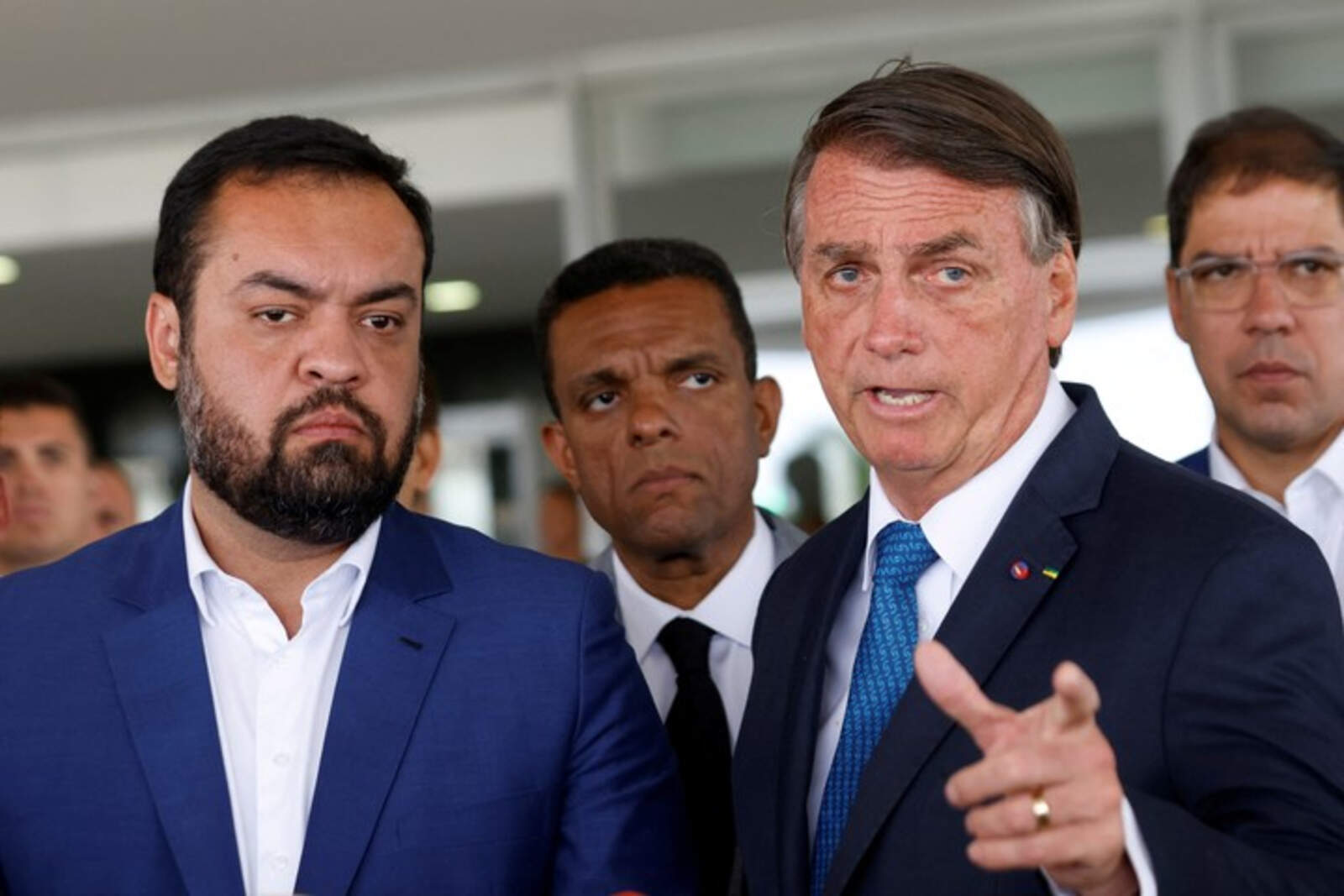
Claudio Castro es uno de los gobernadores aliados al expresidente Jair Bolsonaro