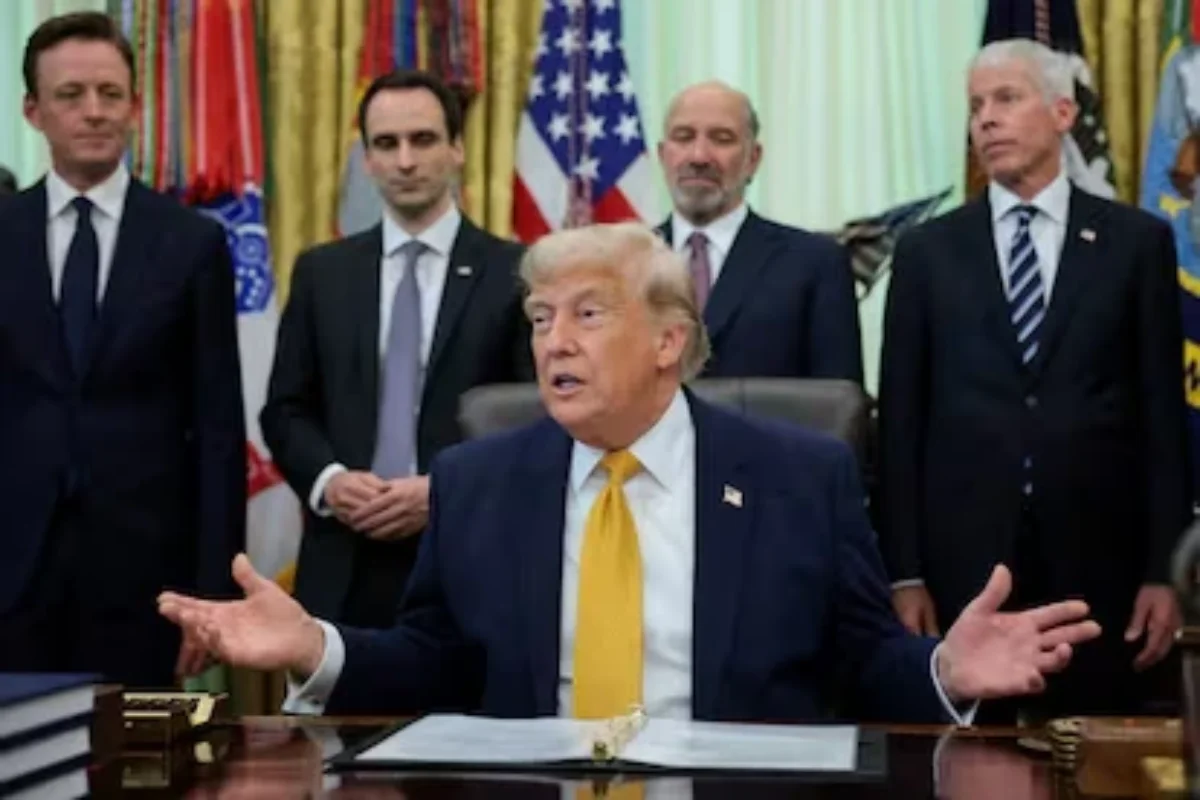
The White House denounces actions of judicial activism following a ruling that overturns reforms aimed at strengthening electoral integrity and citizenship verification
A federal judge appointed by former Democratic President Barack Obamastruck down on Tuesday key parts of the executive order pushed by President Donald Trumpto strengthen electoral controls in the United States, a decision that provoked an immediate reaction from the White House and rekindled the debate over the growing power of federal courts to block policies pushed by the Executive.
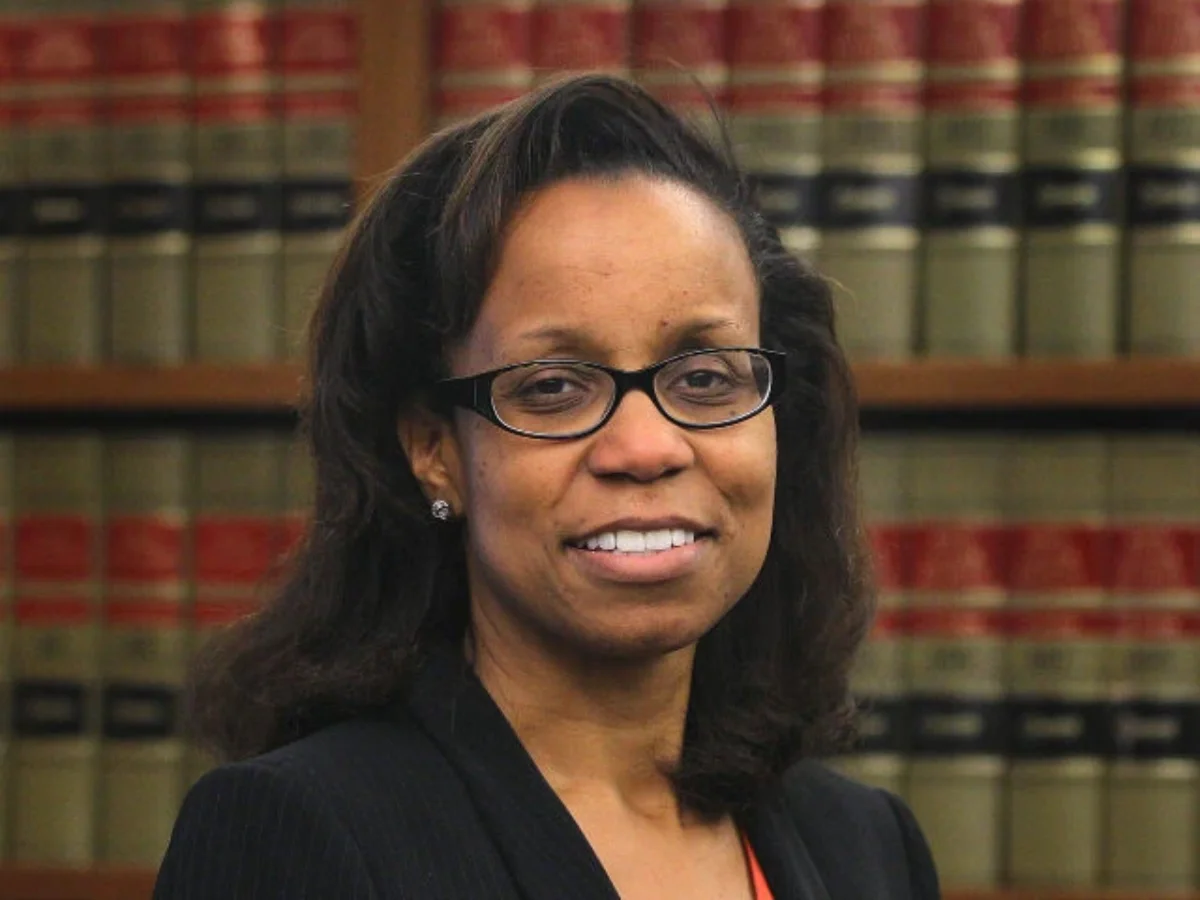
Judge Denise J. Casper, of the District Court of Massachusetts, determined that several components of the executive order signed by Trump on March 25, 2025 exceeded the constitutional powers of the president and violated the separation of powers. The judge concluded that the president does not have the authority to unilaterally impose new electoral rules and that this responsibility primarily belongs to the states and Congress.
The decision represents a new judicial setback for one of Trump's main electoral initiatives, designed to reinforce public confidence in federal elections through increased requirements for citizenship verification and uniform standards for the administration of elections.
Among the blocked provisions are the requirement to present documentary proof of citizenship to register as a voter on federal forms, modifications to the rules applicable to military voters and U.S. citizens residing abroad, and measures that conditioned certain federal funds on states meeting specific electoral standards.
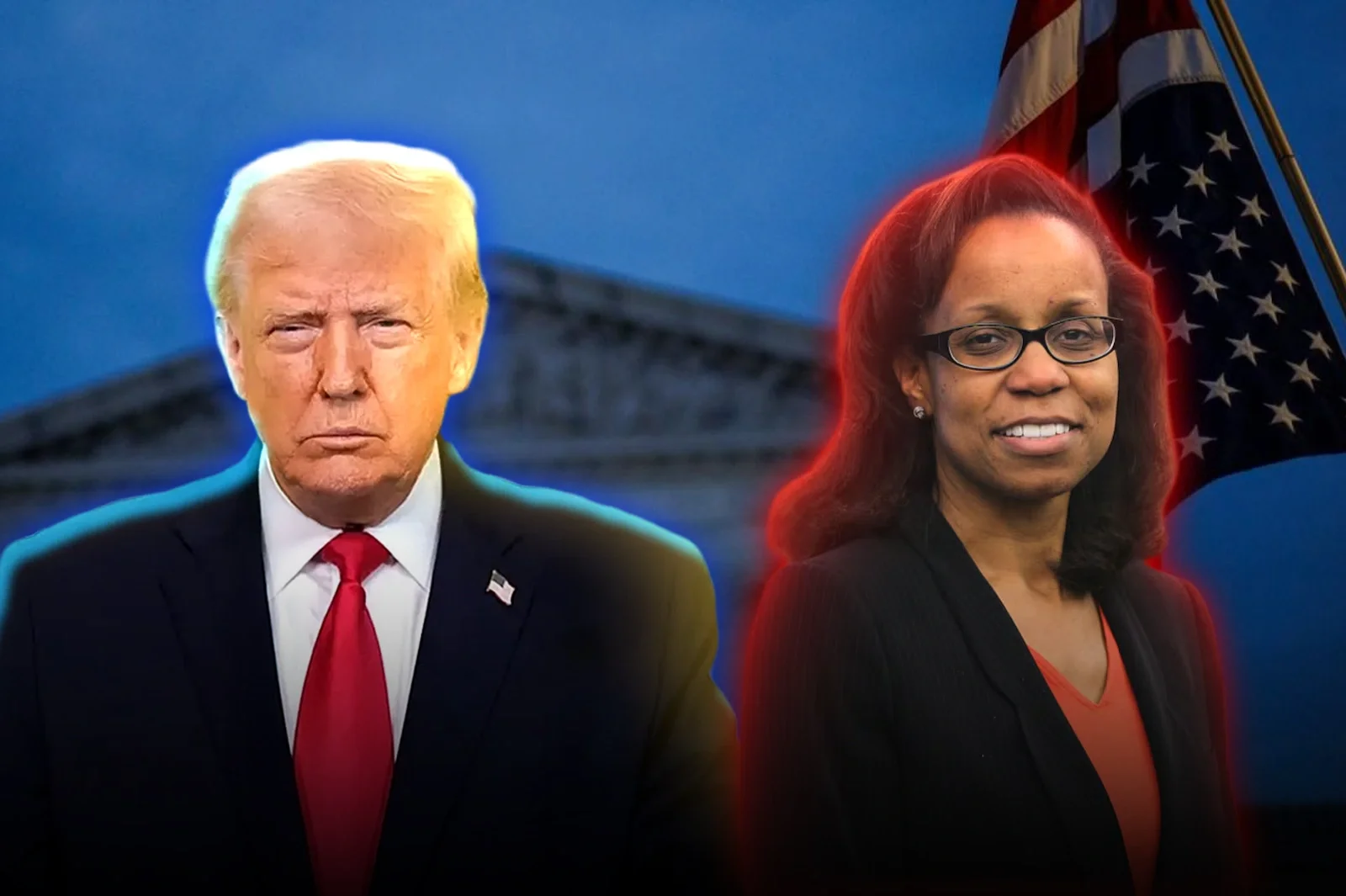
The Democratic judge appointed by Obama blocked Trump's order that required stricter voting controls at the federal level
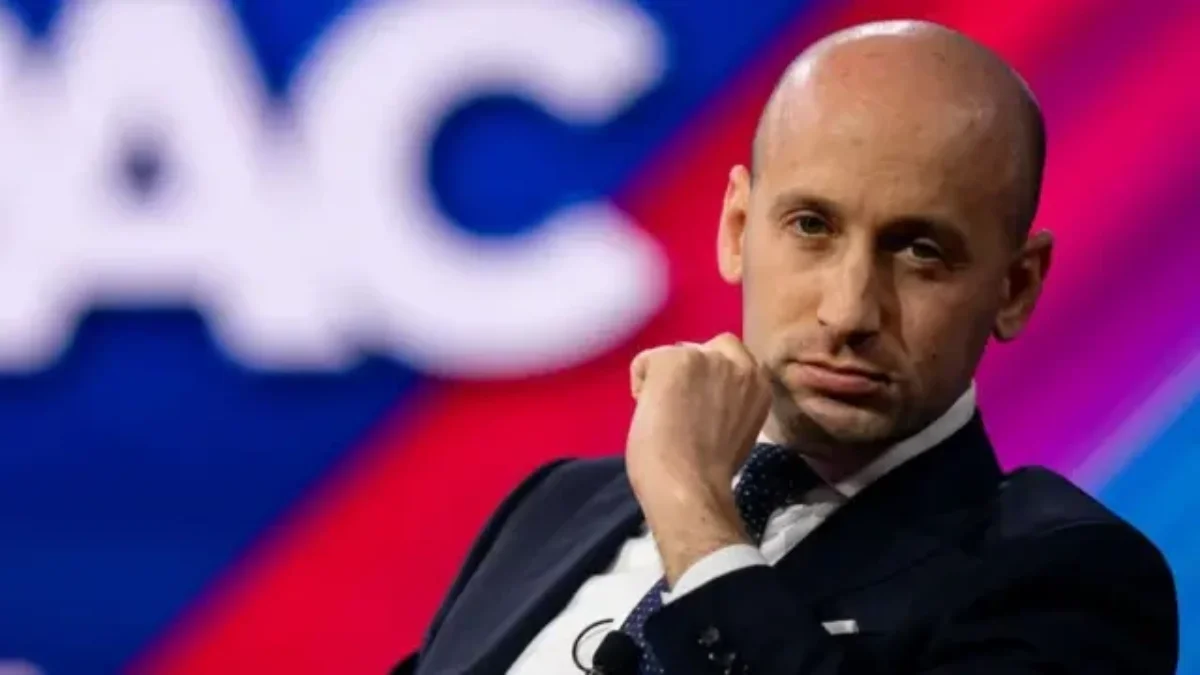
The White House reacted strongly to the ruling. Deputy Chief of Staff Stephen Miller warned that the succession of judicial decisions against the administration's policies is creating a concerning trend within the federal judicial system.
Through social media, Miller expressed his hope that the Chief Justice of the Supreme Court, John Roberts, understands ''the path that these rebellious judges have charted for the judiciary''. His comments reflect the growing frustration of conservatives over excessive intervention by federal judges in decisions made by democratically elected officials.
Critics of the ruling argue that the decision ignores legitimate concerns about electoral security and limits the federal government's ability to ensure that existing laws are applied uniformly across the country. They also point out that the requirement to demonstrate citizenship to vote has broad support among American voters and responds to a basic principle: that only U.S. citizens participate in federal elections.
The Deputy Chief of Staff of the United States expressed confidence that the Supreme Court may reconsider the situation
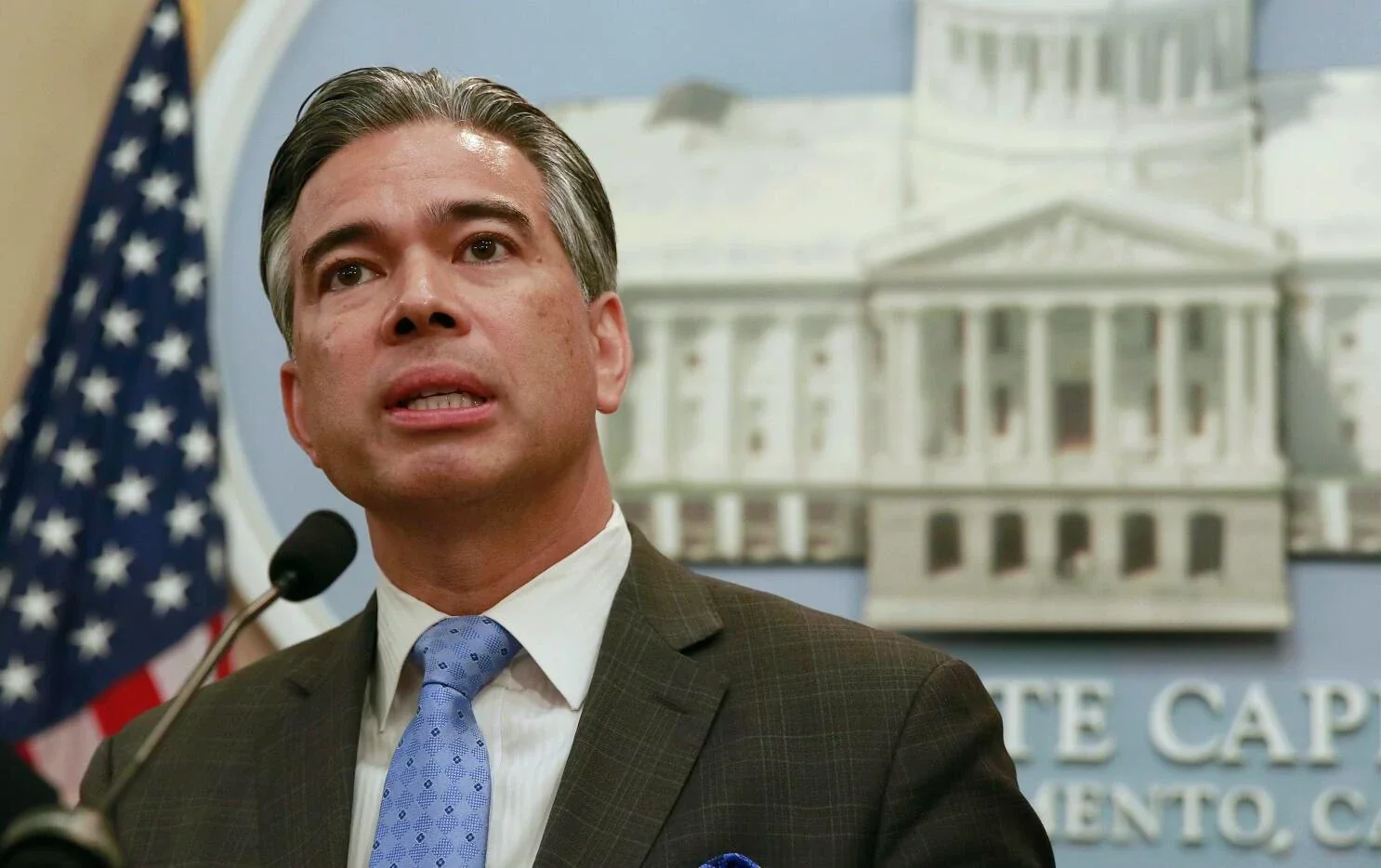
The lawsuit was filed by a coalition of 19 states led by Democratic attorneys general, including California, Rob Bonta, who celebrated the outcome as a victory for state governments of a socialist bent. Bonta stated that the decision reaffirms that states and Congress have the primary authority to regulate elections.
However, supporters of the executive order argue that the Trump administration was not seeking to replace state authority, but rather to ensure compliance with existing federal laws aimed at protecting electoral rights and preventing irregularities.
The decree argued that the United States had failed for years in the rigorous enforcement of certain federal requirements related to electoral integrity. The document warned of issues such as inaccurate voter registrations, the possibility of non-citizens registering to vote, and the acceptance of certain ballots after the official election day.
According to the administration, these measures were necessary to restore citizens' confidence in the electoral system after years of controversies and questions about the administration of elections.
The Democratic Attorney General of California led the lawsuit that limits Trump's decree along with 18 other Democratic states
Casper's decision adds to another ruling issued in April 2025 by federal judge Colleen Kollar-Kotelly, who also blocked some aspects of the order related to citizenship proof requirements. However, the new ruling goes much further by invalidating multiple additional components of the presidential initiative.
The ruling comes at a time when Republicans continue to push in Congress for the so-called SAVE Act, a bill actively supported by Trump that requires documentary proof of citizenship to register as a voter in federal elections.
The House of Representatives has already approved a version of the legislation, although its future in the Senate remains uncertain due to Democratic opposition. Trump has made the passage of this initiative a central priority and has urged Republican senators to even consider eliminating the filibuster to ensure its approval.
The executive order signed by Trump seeks to restore the confidence of the American people in the electoral system
For the president's supporters, the judicial decision demonstrates the need for Congress to act to turn many of the reforms proposed by the administration into law. As long as courts continue to block executive actions aimed at reinforcing electoral integrity, it will be necessary to resort to the legislative route to implement permanent changes.
Although most of the executive order has been struck down, a dispute remains open regarding the federal government's ability to impose conditions on electoral funding granted to states. The judge granted until July 10 for the parties to decide whether they will continue litigating that specific aspect of the case.