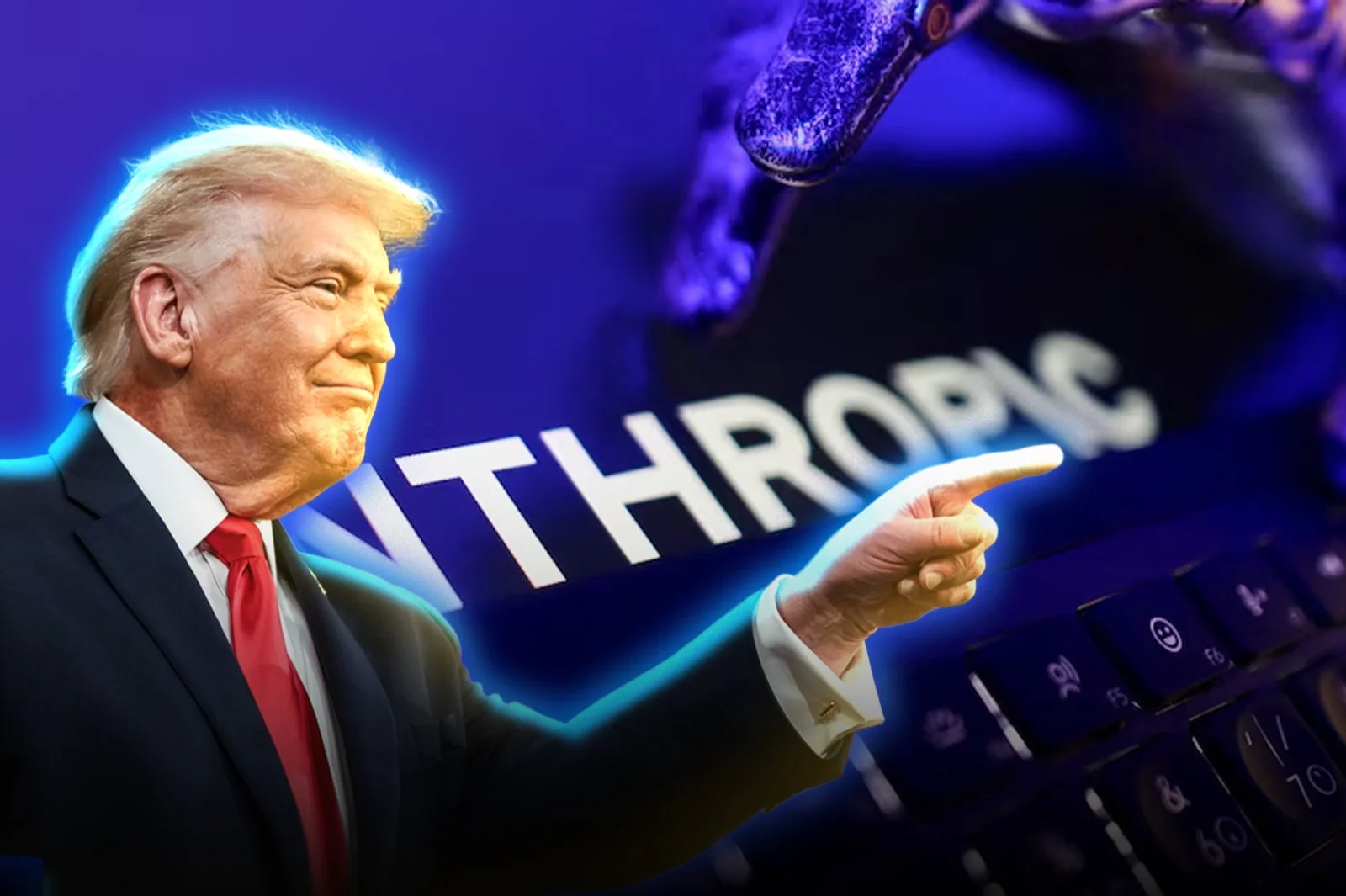
The President of the United States launched strong criticism against the North Atlantic alliance and assured that he could withdraw from it.
Nuevo
Agregar La Derecha Diario en
Compartir:
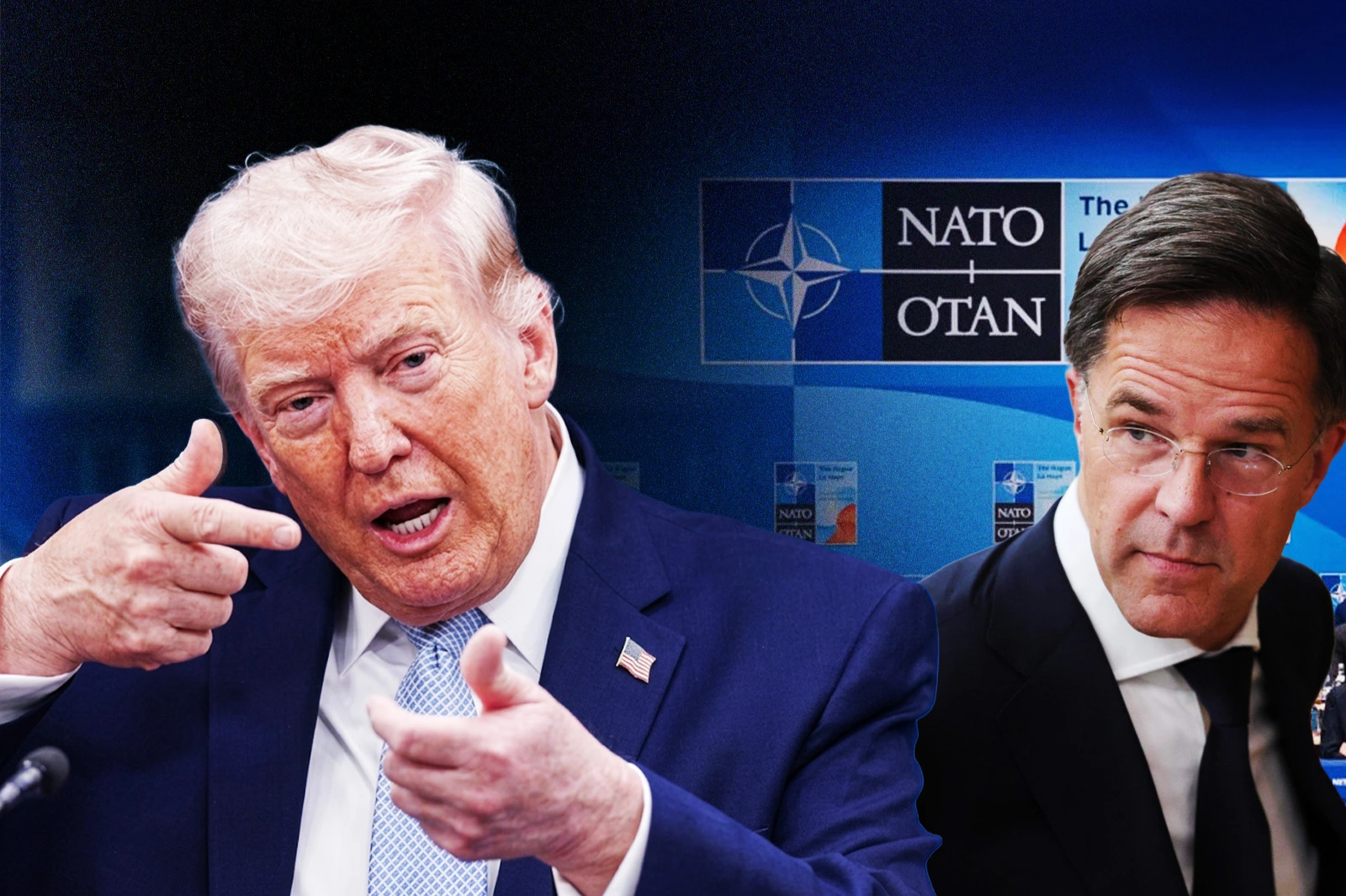
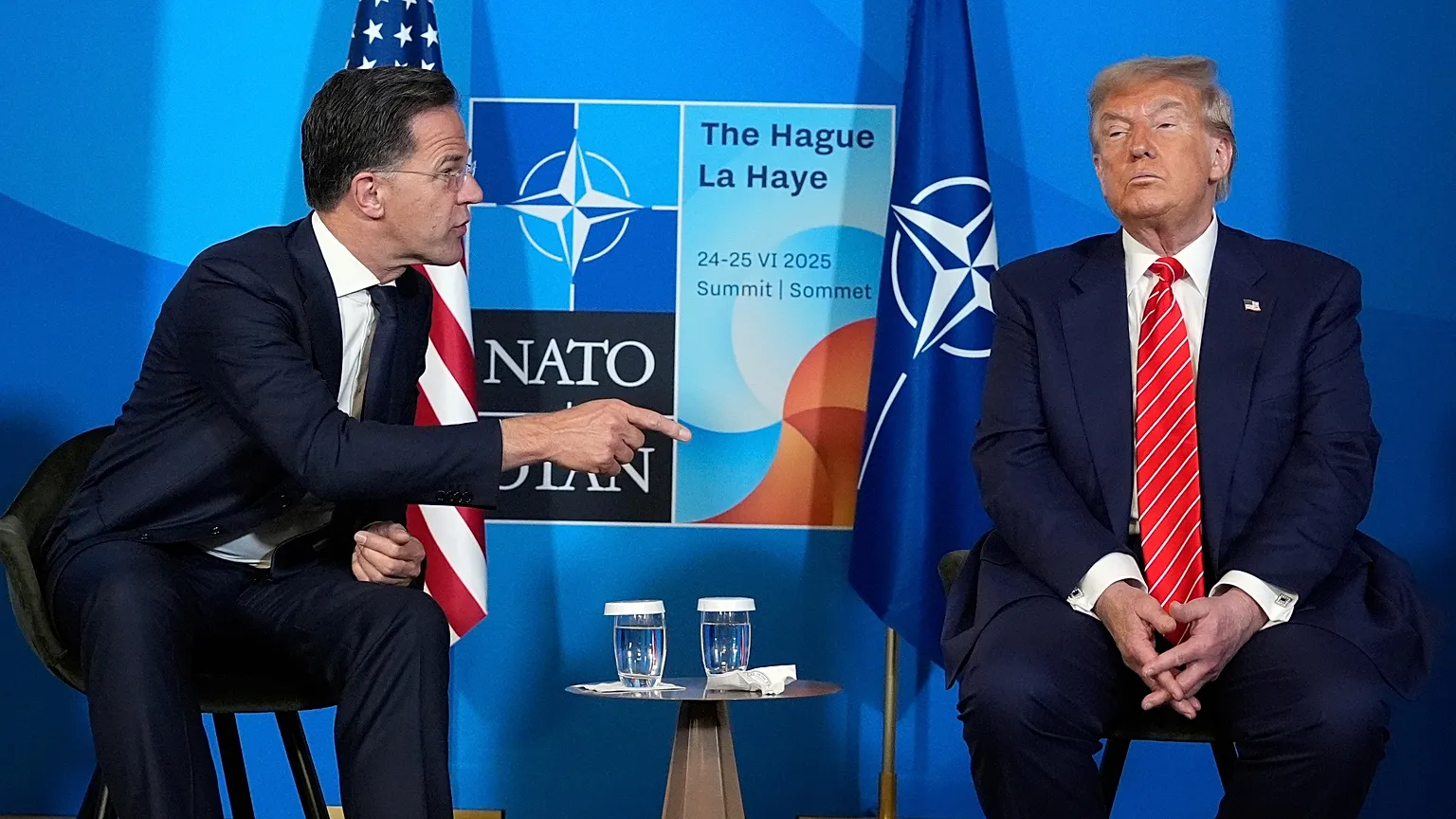
Donald Trump announced that he is considering withdrawing the United States fromNATO, amid growing tensions with European allies and disagreements on the role of the alliance in recent conflicts. His statements rekindled international concern about the future of the bloc and coincided with the visit to Washington of the Secretary General, Mark Rutte, who
seeks to avoid a rupture.
The meeting between the two leaders in the White House took place in a delicate climate, marked by Trump's discomfort at a lack of support from several member countries during the recent U.S. military campaign againstIran. The refusal of some allies to participate or even to provide logistical support, such as the use of airspace, was interpreted by the president as a sign of weakness and disloyalty within NATO
.
From their perspective, this situation reinforces a historic criticism: that the United States assumes a disproportionate burden on collective defense, both in financial and military terms, while other members fail to meet equivalent commitments. In this context, the possibility of leaving the alliance, or at least significantly reducing its participation, appears as a measure aligned with its approach to prioritizing national interests
.
After the meeting, Rutte adopted a conciliatory tone and avoided confronting Trump publicly. He described the meeting as “between friends” and praised the president's leadership, highlighting its impact on the evolution of the alliance. However, the Secretary General avoided answering directly about the possibility of a US withdrawal, in an attempt not to further escalate tensions
. The President of the United States made it clear that there is a possibility that the country will leave NATO after a “great disappointment” around some countries in the alliance
Officials close to the president have pointed out that the lack of support during the conflict was seen as a “profound disappointment”, reinforcing the idea that NATO did not respond in a cohesive manner at a key moment. For Trump, this type of behavior calls into question the strategic value of maintaining the current commitment of the United States.
Despite the harshness of their stance, a full withdrawal could face legal limitations. Current regulations require the approval of Congress to specify a formal exit from the alliance, which somewhat restricts the Executive's margin of action. However, many analysts agree that the president has tools to reduce U.S. commitment without having to officially leave the organization.
The Secretary General of NATO will seek to lower the temperature to a fairly hot situation, so he also met with US legislators and officials
In this scenario, Rutte's visit also included meetings with legislators and senior officials, in an attempt to preserve the cohesion of the block. Its main challenge is to balance Washington's demands with the positions of European allies, several of whom have expressed reservations about U.S. strategy in the Middle East.
Trump's warning, beyond its concreteness, acted as an instrument of pressure to force changes within the alliance. From its vision, the alliance needs a more equitable redistribution of responsibilities to remain relevant on the global stage, thus marking a turning point in the future of the