The United States announced on Tuesday a new series of sanctions aimed at an international network accused of facilitating Iran's access to weapons and military components, in a context of growing tension following recent joint attacks by Washington and Tel Aviv against Iranian installations.
The measure, announced by the Department of the Treasury, affects 14 individuals, companies and assets linked to activities related to the acquisition, transportation and financing of military equipment, with a presence in Iran, Turkey and the United Arab Emirates.
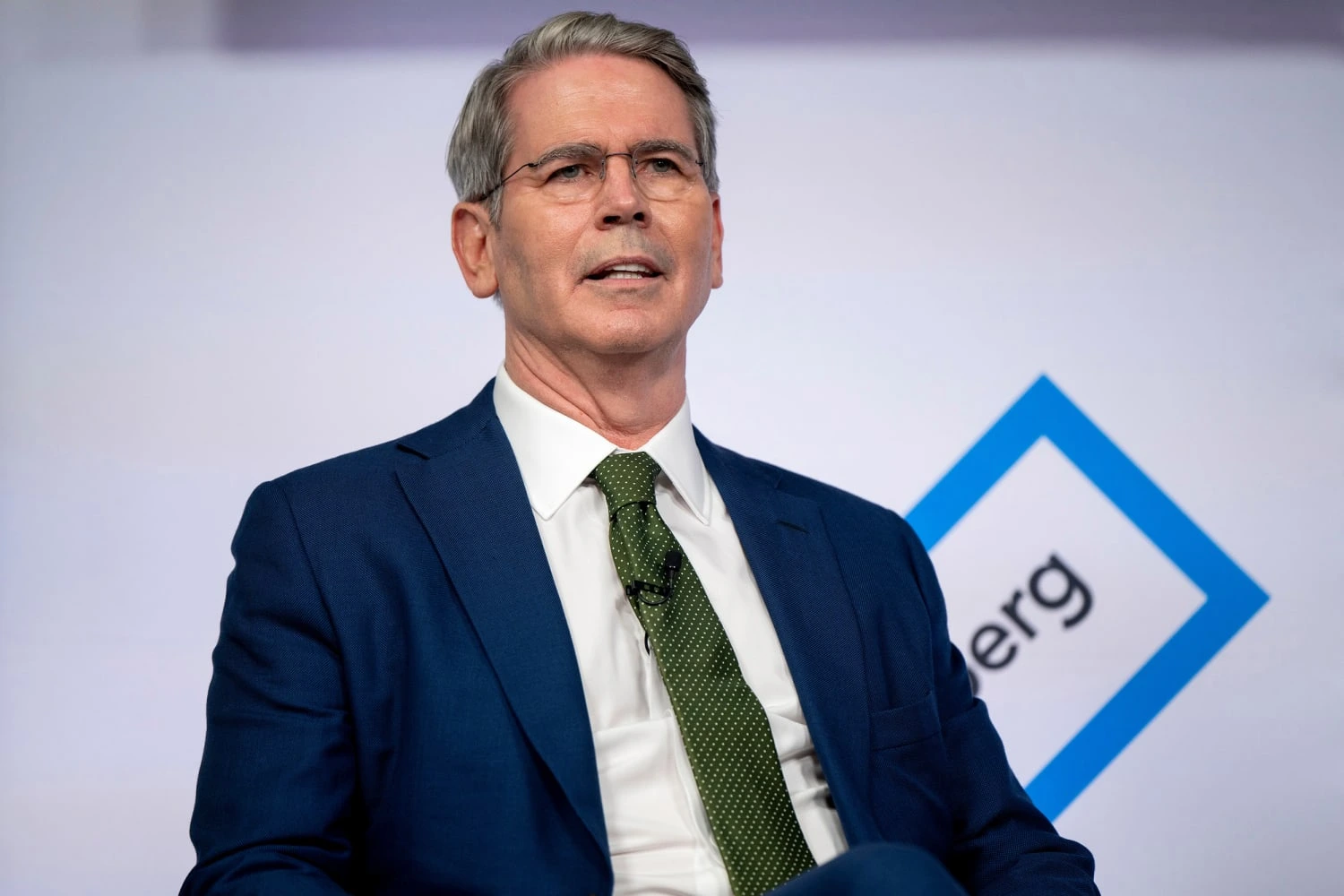
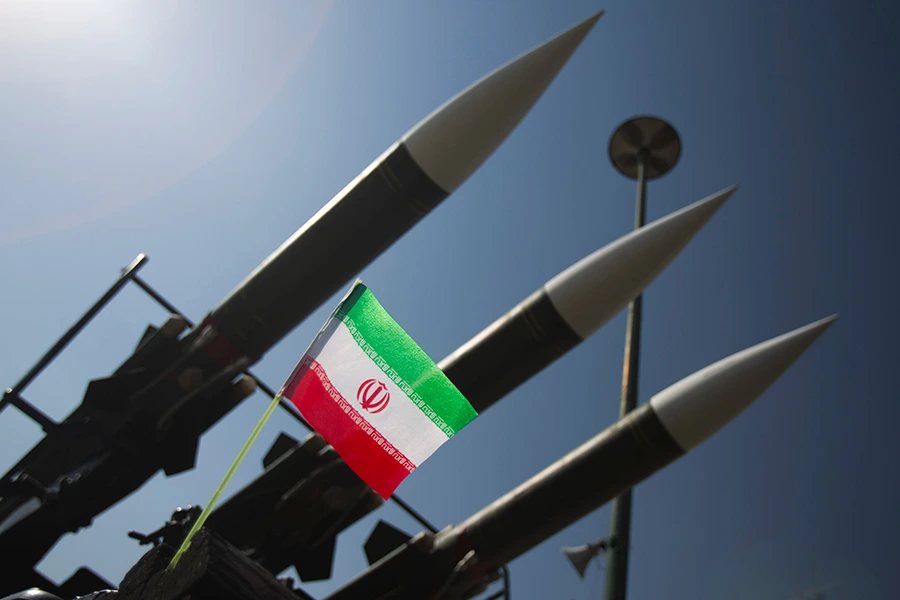
The Secretary of the Treasury, Scott Bessent, defended the decision, assuring that the Iranian government must be held responsible for what he described as the indiscriminate use of missiles and drones against civilians and strategic objectives. According to Bessent, these sanctions are part of an effective strategy to interrupt the logistics chains that allow Tehran to rebuild its military capacity, especially with regard to ballistic missiles
and drone systems.
According to the Treasury Department, Iran has accelerated its efforts to reconstitute its arsenal following recent military operations that have significantly affected its defense infrastructure. In this context, Washington maintains that economic pressure and targeted sanctions are key tools to limit the regime's ability to rapidly recover its offensive potential
. The United States Department of the Treasury announced a new package of sanctions against the main network of suppliers of military supplies to the Iranian regime
Those sanctioned include financial intermediaries, logistics companies and suppliers of materials considered to be of dual use, that is, with civil and military applications. One of the prominent cases is that of a Turkey-based company accused of supplying inputs used in the production of nitrocellulose, an essential component for the manufacture of solid propellants in rockets and missiles. These types of acquisitions, according to US authorities, demonstrate the existence of sophisticated networks designed to evade international restrictions
.
The Department of the Treasury also noted the participation of individuals involved in coordinating component shipments to Iran, as well as in facilitating payments and financial transfers necessary to sustain these operations. According to Washington, these networks operate transnationally, using multiple jurisdictions to make it difficult to track
and sanction them.
Another important focus of the measures is the airline Mahan Air, which has already been subject to previous sanctions by the United States. In this new round, specific aircraft used, according to Washington, in the transport of military equipment and unmanned aerial vehicle (UAV) systems have been included. These designations seek to further restrict the company's operational capacity and limit its access to international financial systems
. Among the sanctioned entities are Turkish companies that sell supplies for missile production to Iran
The U.S. government has also warned of Iran's increasing use of Shahed series attack drones, used in operations against energy infrastructure and military objectives in the region. According to the Treasury, these systems pose a direct threat not only to U.S. allies, but also to the stability of global energy markets, especially in strategic areas such as the Strait of Hormuz
.
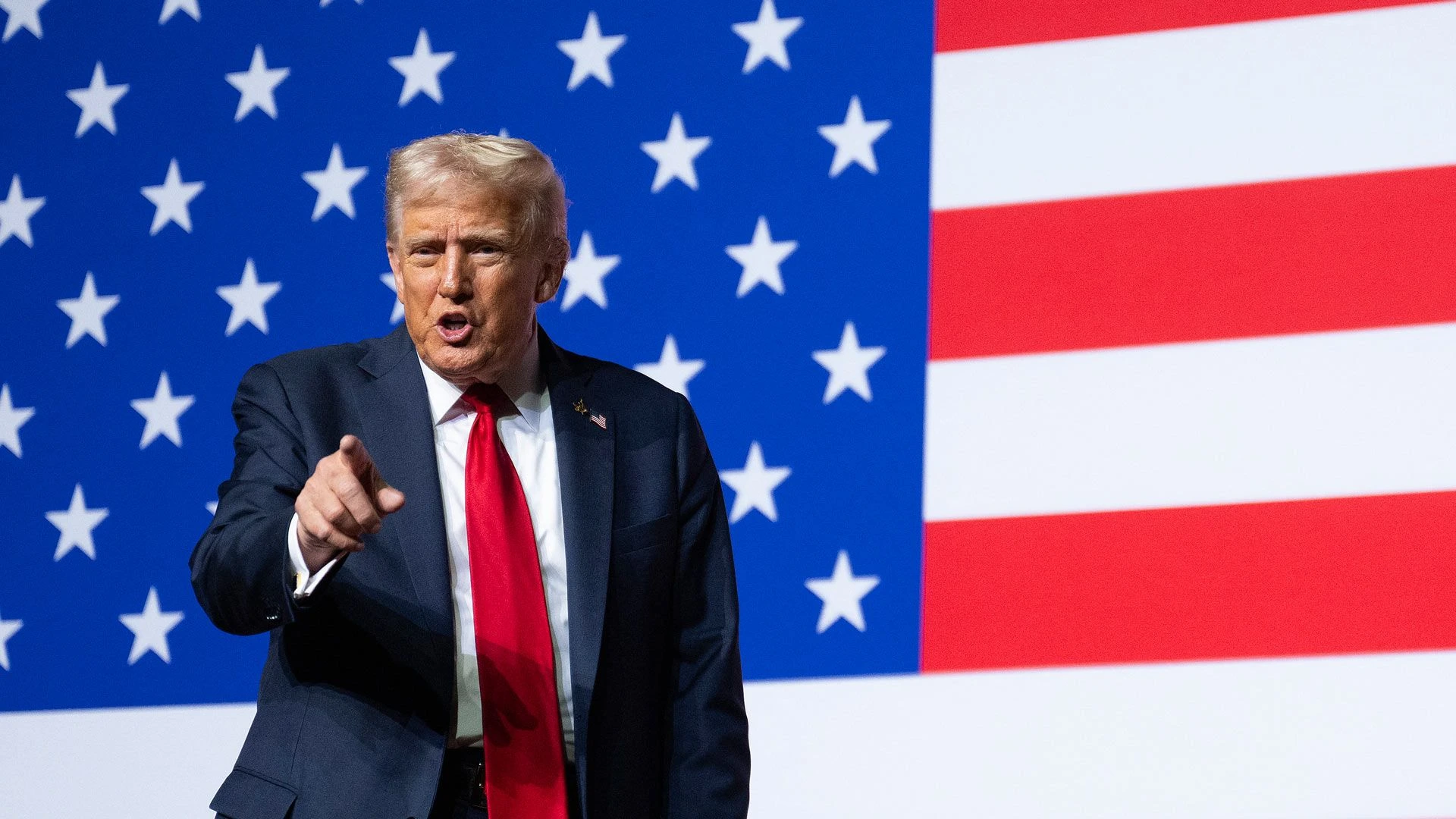
The sanctions come at a time of diplomatic stalemate between Washington and Tehran, which have failed to make headway on the possibility of resuming a new cycle of negotiations to contain the escalation of the conflict. In parallel, the temporary ceasefire promoted by President Donald Trump was extended, and the president has warned that the United States is prepared to resume military action if no concrete progress
is made.
With these measures, Washington seeks not only to weaken the Iranian military infrastructure, but also to send a message to international actors that collaborate indirectly with these networks, warning of the consequences of facilitating the expansion of Tehran's weapons program.
The President of the United States decided to extend the ceasefire with Iran but will continue with the blockade in the Strait of Hormuz