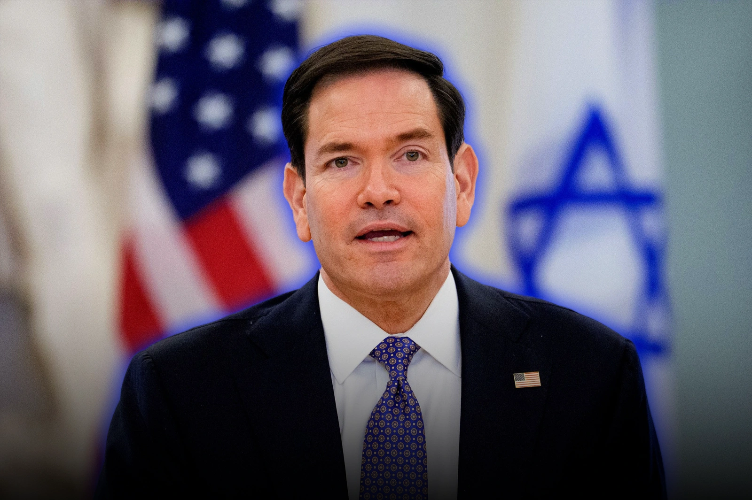

The U.S. Secretary of State, Marco Rubio, defended the role of NATO during an official visit to Italy, although he expressed strong criticism towards some European allies for their lack of logistical support to Washington during the recent U.S. military operation against Iran. His statements come amid rising tensions between the administration of Donald Trump and several members of the Atlantic alliance.
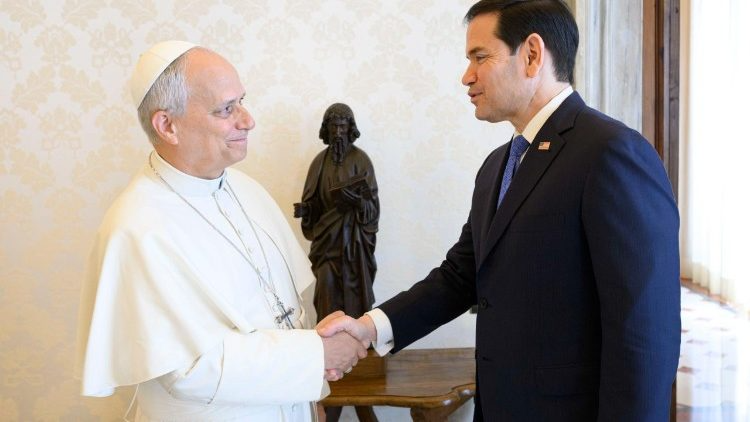
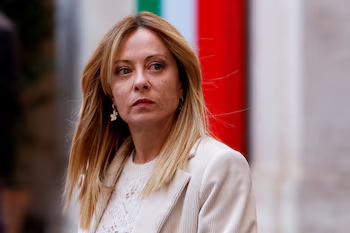
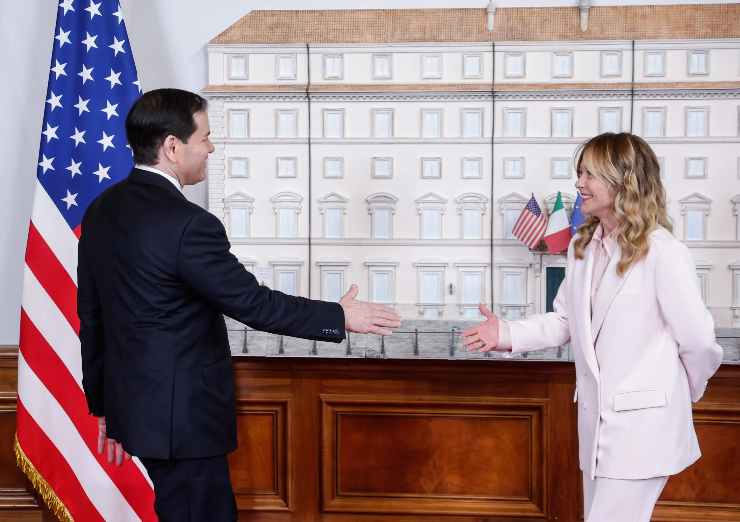
Rubio met in Rome with Italian Prime Minister Giorgia Meloni, in a meeting focused on international security, transatlantic cooperation, and the conflict in the Middle East. After the meeting, the head of U.S. diplomacy publicly reiterated his support for NATO, an organization that has been one of the pillars of Washington's foreign policy for decades.
''I have been a strong advocate for NATO throughout my career in the Senate and even now,'' Rubio stated to the press. However, he clarified that the true meaning of the alliance must be measured in times of concrete crises and not solely in political statements or formal commitments.
The Secretary of State specifically questioned the attitude of some European countries that refused to collaborate with the United States during the military offensive against Iran. Rubio pointed directly to Spain, a country that has limited the use of military bases necessary to support U.S. operations.
''We had a contingency. And some countries in Europe, like Spain, denied us the use of those bases for a very important contingency. In a way, that refusal complicated the mission,'' he stated.
The statements reflect Washington's growing frustration with certain European allies, whom sectors of the Trump administration consider beneficiaries of U.S. military protection without fully assuming their responsibilities within the alliance. On various occasions, Trump has questioned the functioning of NATO and described it as a ''paper tiger,'' in addition to threatening to withdraw U.S. troops stationed in Europe, especially Spain.
What Rubio said about the future of NATO
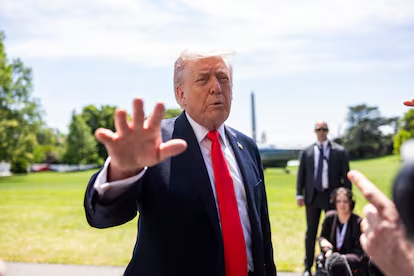
When asked about the possibility of withdrawing troops, Rubio avoided confirming immediate changes in the U.S. military deployment. He noted that any decision related to U.S. forces abroad belongs exclusively to President Trump. However, he made it clear that the president will continue to openly express his displeasure when he believes that U.S. interests are not being supported by its international partners.
''The president will always speak clearly about how he feels regarding the United States and U.S. foreign policy,'' Rubio declared. ''The President of the United States will always act according to what he considers best for the country's interests.''