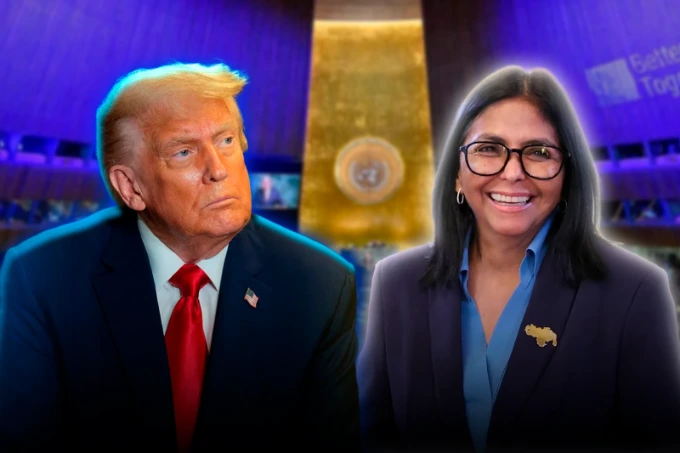
The President of the United States, Donald Trump, will meet on Tuesday in New York with the interim President of Venezuela, Delcy Rodríguez, during the United Nations General Assembly. The meeting, which will take place on the sidelines of a reception organized by Trump for international leaders, will be the first between the two and represents a new step in the rapprochement between Washington and Caracas following the ousting of the dictator Nicolás Maduro.
The U.S. ambassador to the UN, Mike Waltz, confirmed that it will be an informal conversation and not a formal bilateral meeting. Although the White House did not disclose the specific topics to be discussed, the meeting comes after a series of agreements that have tightened cooperation between both governments, especially in energy matters.
One of the main points of the new relationship is the oil agreement reached between the United States and Venezuela. According to the White House, the deal grants the United States majority control over more than 65 billion barrels of proven Venezuelan reserves, through a new private company tasked with developing 17 fields. Washington claims that the agreement will expand U.S. energy supply, strengthen its position in the oil market, and contribute to the recovery of the Venezuelan industry.
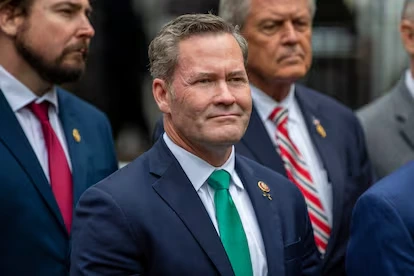
Mike Waltz, U.S. Ambassador to the United Nations, stated that the meeting between Trump and Rodríguez will be informal
The Trump administration presented the agreement as a central piece of its energy security strategy, highlighting that it would allow for an increase in U.S. reserves without using taxpayer resources. The White House also argues that investment and modernization of the Venezuelan oil sector can generate economic benefits for Caracas while ensuring the United States privileged access to one of the largest crude reserves in the world.
The pact represents a significant shift from the relationship that Washington maintained with Venezuela during Maduro's years. Following the ousting of the former tyrant in January, the Trump administration backed the interim government led by Rodríguez and began to rebuild diplomatic ties between the two countries.
The White House has also highlighted progress in security and the fight against drug trafficking. In September, Trump announced that Venezuela had been removed from the U.S. list of countries considered relevant for drug transit or production, arguing that Caracas had made progress after Maduro's departure.
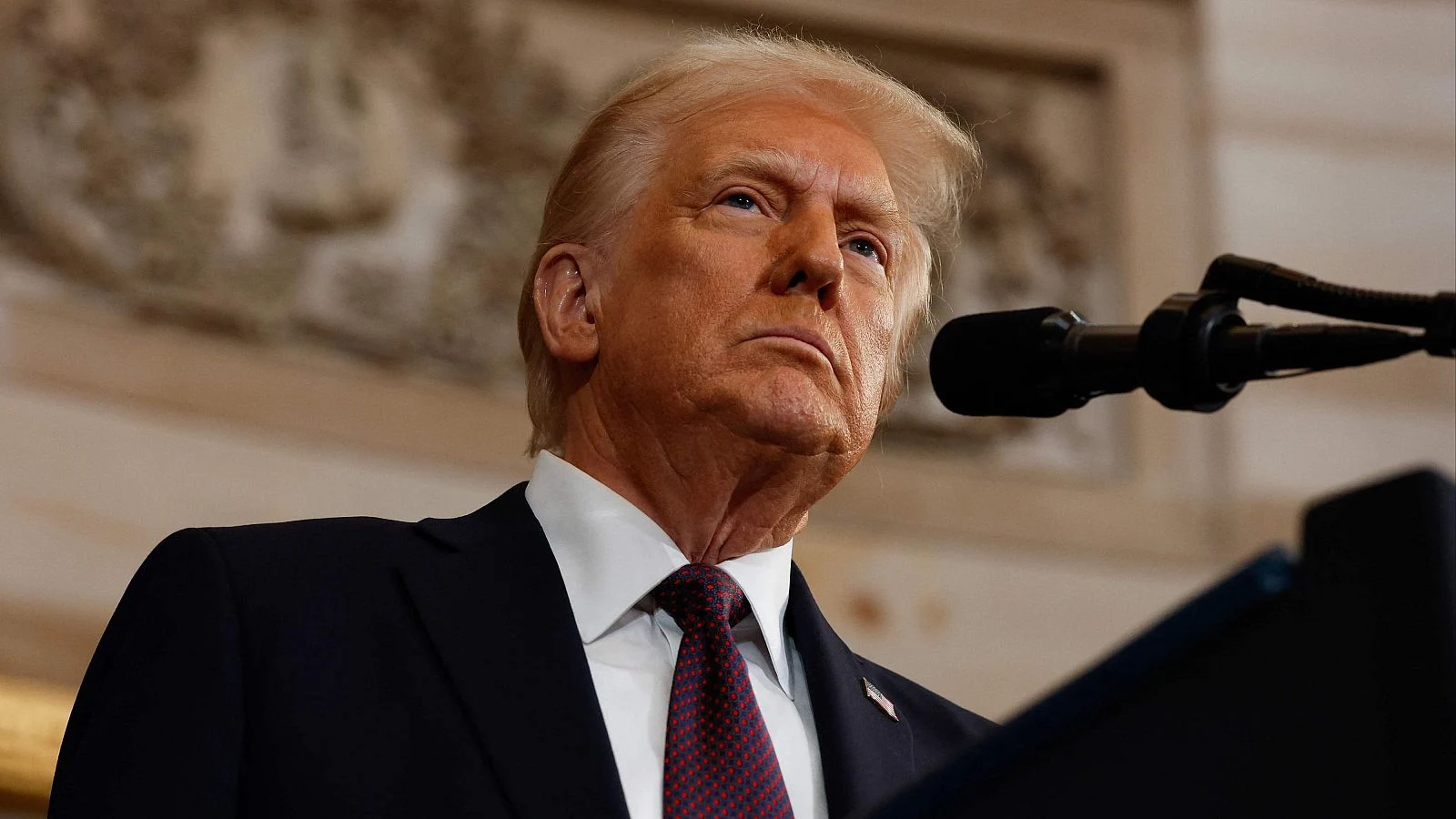
President Donald Trump has backed the interim government of Venezuela, with which he has reached a historic oil agreement
In this new scenario, Venezuela has also cooperated with Washington in operations against criminal organizations. Among them is the capture of Aníbal Alexander Canelón Aguirre, alias ''El Ingeniero'', identified by the United States as a member of the Tren de Aragua and wanted for crimes related to an international hacking network.
Economic and security cooperation coexists, however, with questions about Venezuela's political future. Trump has stated that Venezuela will hold elections, although his administration has not yet publicly established an electoral calendar. The Venezuelan opposition, including María Corina Machado, demands progress towards a political transition and greater democratic guarantees.
Meanwhile, human rights organizations have noted some changes in the Venezuelan political climate. Human Rights Watchrecently stated that there is a pause in repression and called for institutional reforms, while the interim government has initiated contacts with opposition sectors.
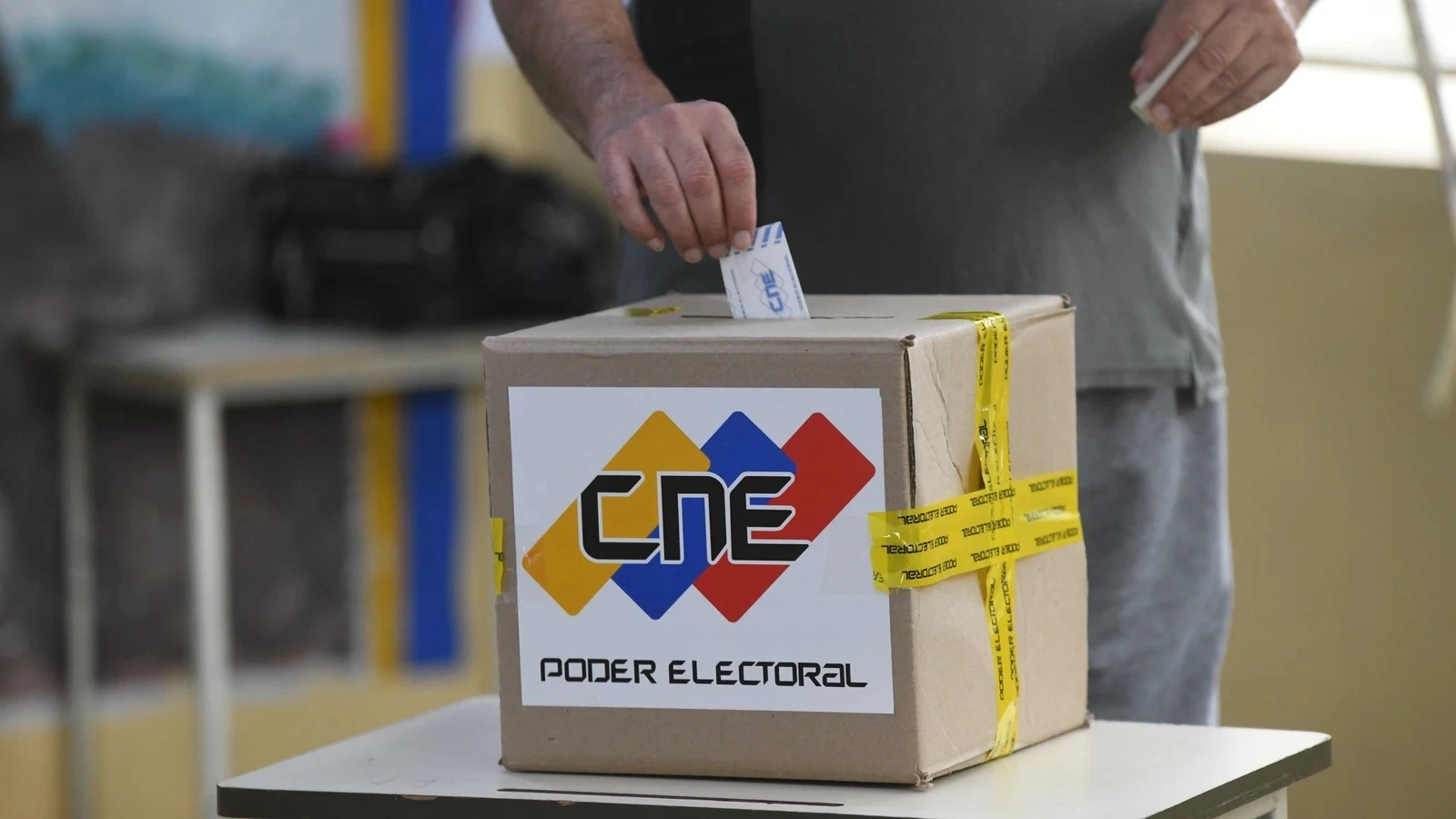
The U.S. president has noted that the Latin American country will hold elections, although there is still no defined schedule for carrying them out
The meeting in New York will allow Trump and Rodríguez to personally advance a relationship that has already produced far-reaching agreements in energy, security, and diplomacy. For Washington, the stated goal includes reinforcing U.S. energy security and contributing to the recovery of the Venezuelan oil industry, while Caracas seeks to attract investments and stabilize a deeply deteriorated economy.
The meeting will also serve to evaluate the next steps of a relationship that has radically changed since Maduro's departure. Although political issues remain pending, especially the definition of an electoral process, the Trump administration has chosen to deepen cooperation with Rodríguez and use economic and security agreements as pillars of its new policy towards Venezuela.