The U.S. House of Representatives intensified scrutiny over the ties between the U.S. pharmaceutical industry and China by opening investigations against five of the leading companies in the sector for conducting clinical trials on Chinese territory, including centers located in the Xinjiang region and hospitals linked to the Chinese military.
The initiative was driven by John Moolenaar, who sent letters to the pharmaceutical companies Merck & Co., AbbVie, Eli Lilly and Company, Pfizer, and Bristol Myers Squibb requesting detailed information about their operations in China and the mechanisms used to protect sensitive data, ensure ethical standards, and avoid risks to national security.
The laboratories must respond by July 17 with documentation on the due diligence procedures applied in their clinical trials, especially those conducted in Xinjiang and in hospitals associated with the military apparatus of the People's Republic of China.
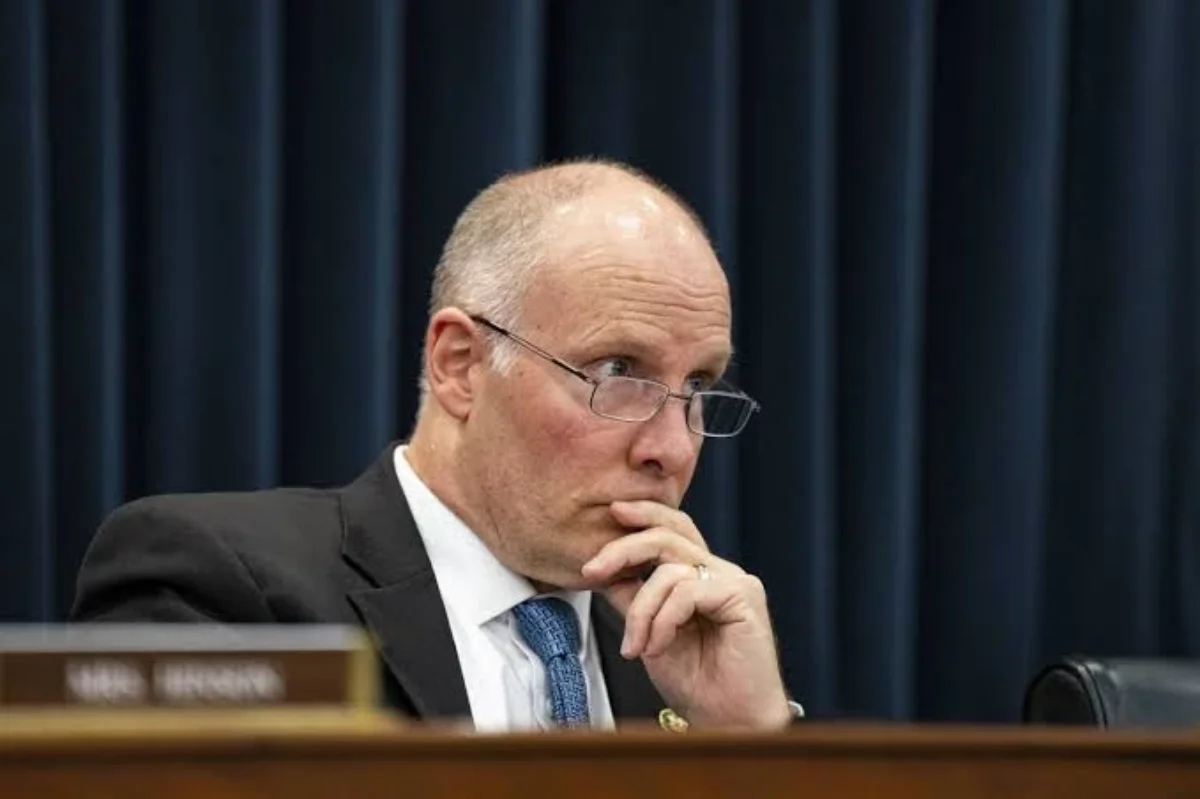
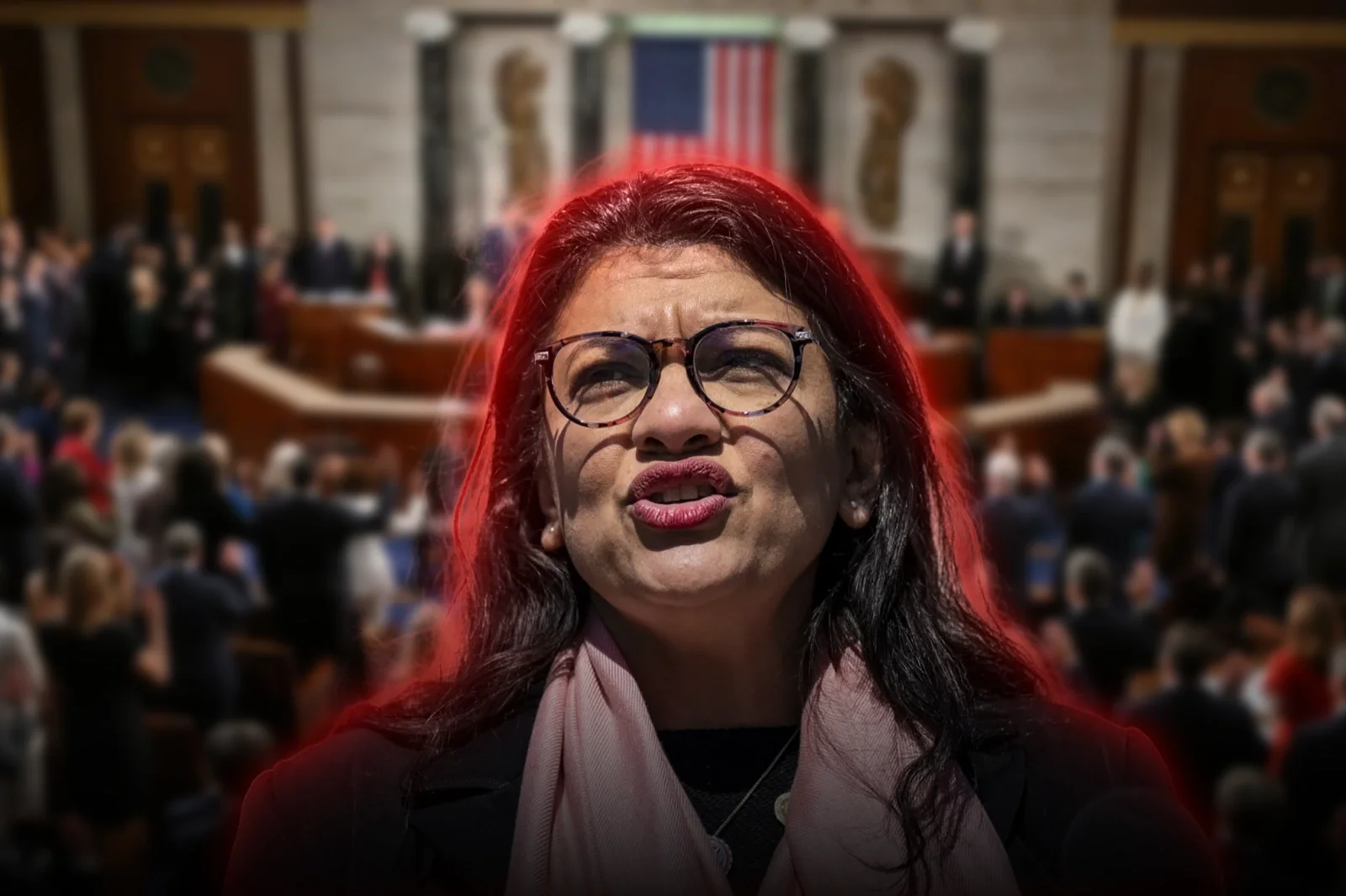
Republican Congressman John Moolenaar has sent letters to various pharmaceutical companies requesting information about their operations in China
According to the committee, although there is no evidence that the companies have committed illegal acts, conducting medical research on Chinese territory exposes U.S. companies to ethical, technological, and strategic risks that could benefit the Beijing regime.
The letters warn that Xinjiang continues to be the subject of strong international denunciations for the treatment of Uighurs and other ethnic and religious minorities. They also cite academic research documenting alleged deficiencies in obtaining informed consent from participants in clinical trials conducted in that region.
Lawmakers also reminded that the ''Uighur Forced Labor Prevention Act'' reflects Washington's concern about preventing U.S. companies from engaging in activities that may be related to coercive practices or human rights violations, even though the legislation does not specifically regulate clinical trials.
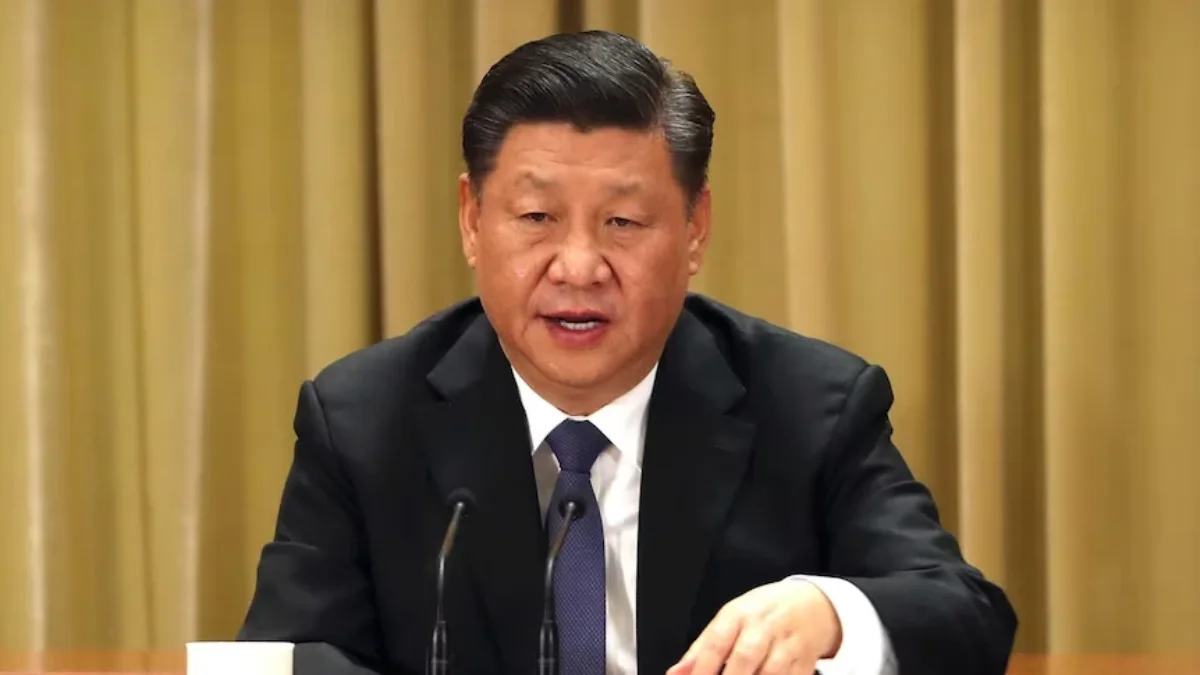
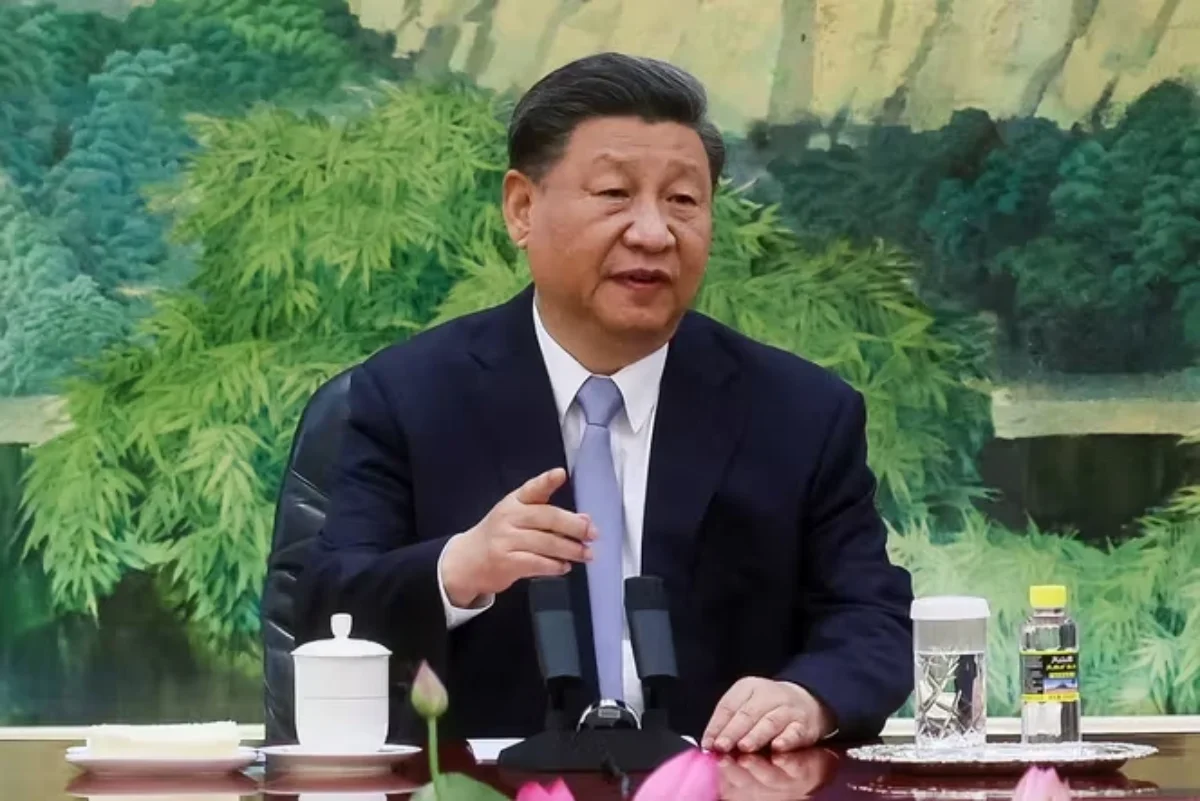
The regime of Xi Jinping has carried out the systematic persecution of ethnic and religious minorities such as the case of the Uighurs
The committee stated that China has managed to become one of the most attractive destinations for pharmaceutical research through a combination of state subsidies, regulatory reforms, and insufficient ethical standards analyzed by sectors of the U.S. Congress.
According to the data cited in the investigation, U.S. participation in global early drug development programs fell from 48% in 2015 to 37% in 2024, while China's share increased from 8% to over 32% during the same period, reflecting the rapid growth of its biotech industry.
The committee also noted that Merck has sponsored or collaborated in 224 clinical studies in China since 2005, including at least 31 conducted in Xinjiang and another 40 carried out in hospitals and medical centers linked to the Chinese military.
In the case of AbbVie, the investigation claims that the company participated in over a hundred clinical studies in China since 2007, including at least 17 centers located in Xinjiang and 16 facilities related to military institutions.
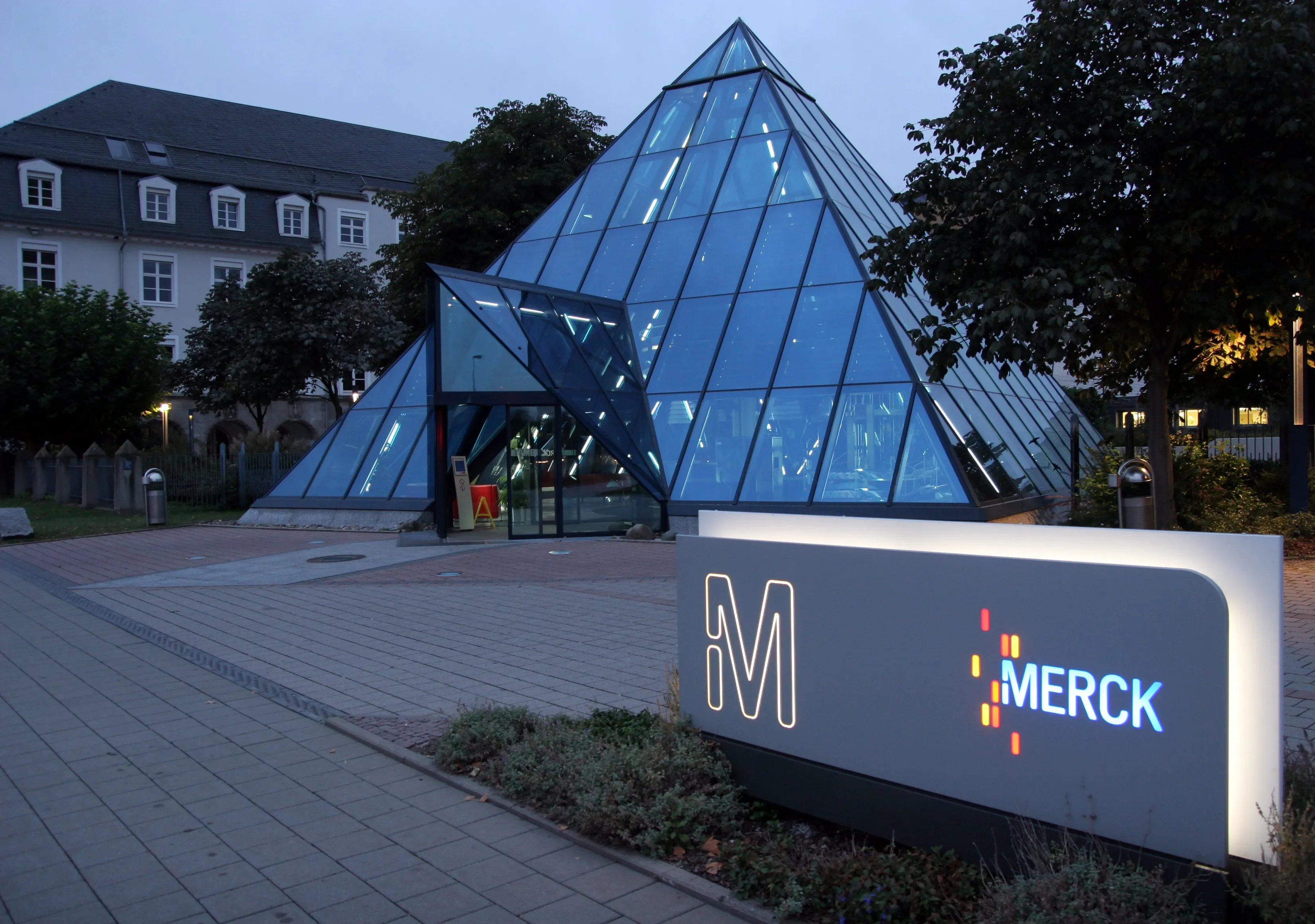
The pharmaceutical company Merck is one of the main targets of the U.S. Congress regarding its operations in China
Lawmakers warned that conducting research in hospitals controlled by the Chinese Armed Forces could facilitate the transfer of intellectual property and biotech knowledge from U.S. companies to Beijing's military apparatus.
The companies responded cautiously to the investigations. Merck stated that patient safety and ethical integrity are priorities of its global clinical research program and asserted compliance with all international regulatory standards.
Eli Lilly reported that it is reviewing the contents of the letter, while Pfizer confirmed receipt of the request without providing further comments. AbbVie declined to comment, and Bristol Myers Squibb did not respond to requests for statements.
For its part, the Chinese embassy in Washington rejected the accusations and described the committee's actions as unfounded, also accusing the United States of politicizing trade and technological relations between the two countries.
The Xi Jinping regime denied any accusations of technology theft and launched harsh criticism at the United States
The investigation is part of a strategy promoted by the administration of President Donald Trump to reduce U.S. dependence on strategic sectors controlled by China and strengthen mechanisms for protecting sensitive technologies.
In this same vein, Moolenaar is promoting a bipartisan bill called the National Security and Biotechnology Investment Act, which would expand federal controls over investments, licenses, and joint ventures related to biotechnology in China, subjecting them to mandatory reviews for national security reasons.
The initiative complements the ''Biosecure Act,'' enacted by Trump at the end of last year, which restricts trade relations between U.S. federal agencies and certain foreign biotech companies. Both the White House and a growing number of lawmakers believe that preserving U.S. technological and scientific leadership is an essential component of strategic competition with the Chinese regime and of protecting national security.
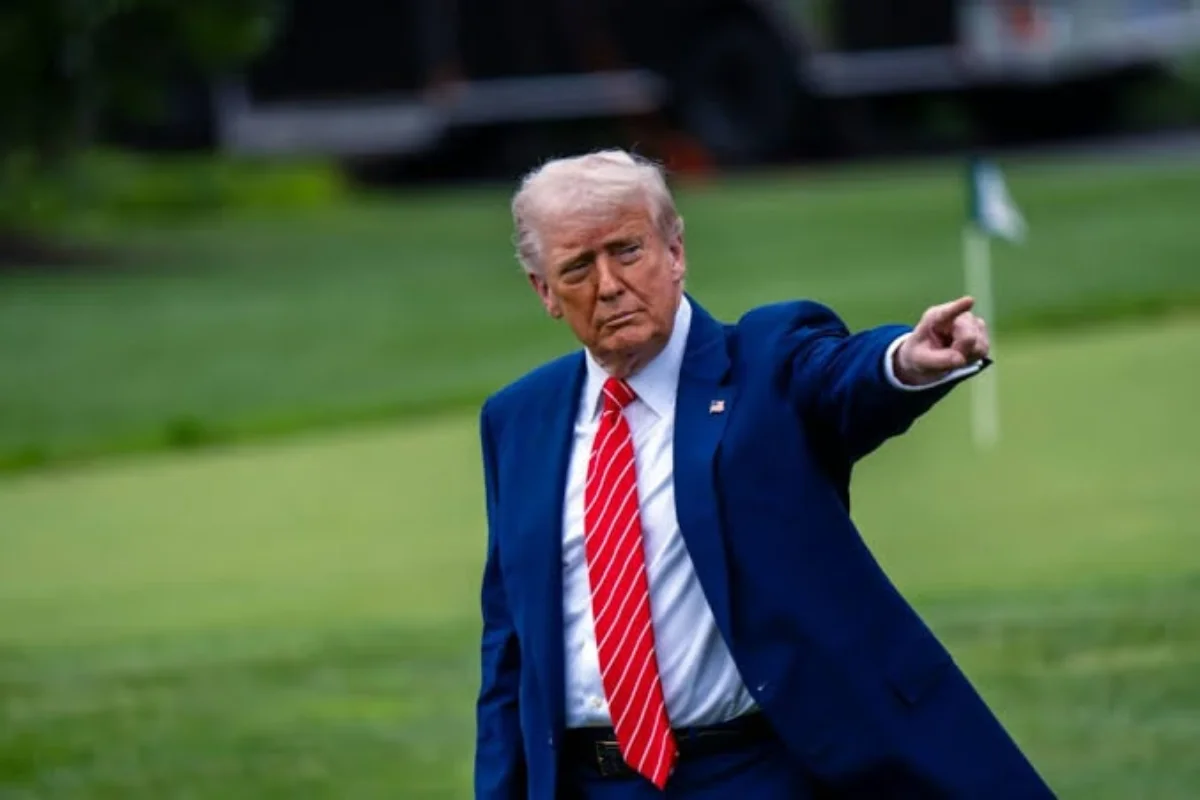
President Donald Trump seeks to reduce the influence of strategically important products from China in the U.S. market