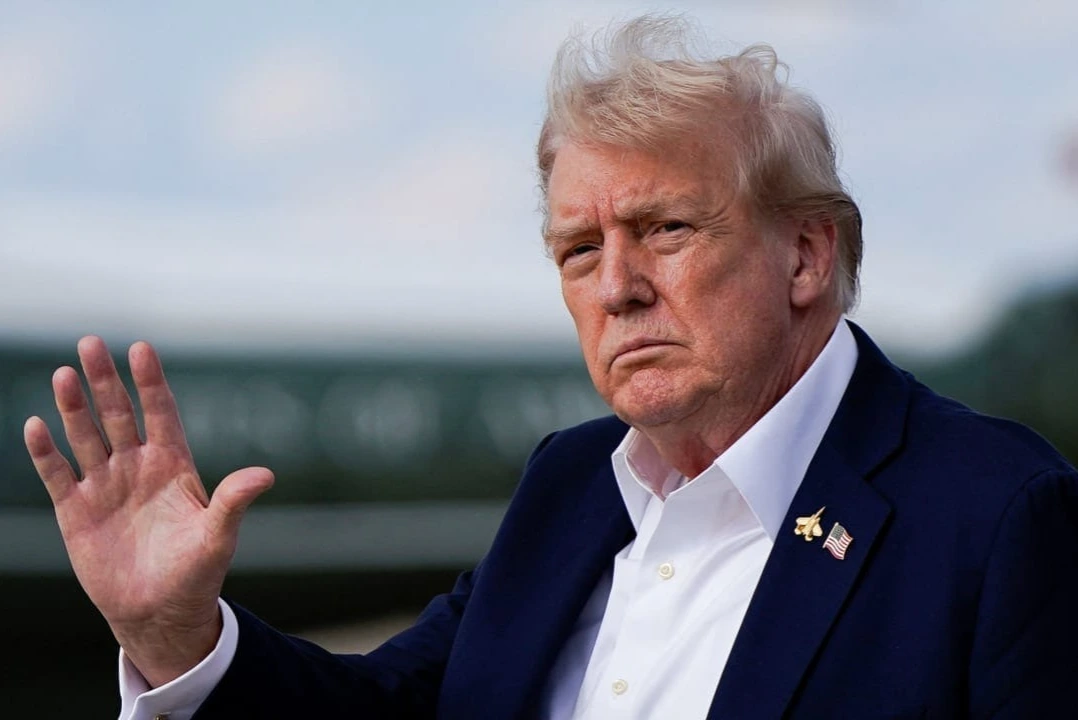

President Donald Trump said he wants to verify that Tehran complies with its part of the agreement.
Nuevo
Agregar La Derecha Diario en
Compartir:
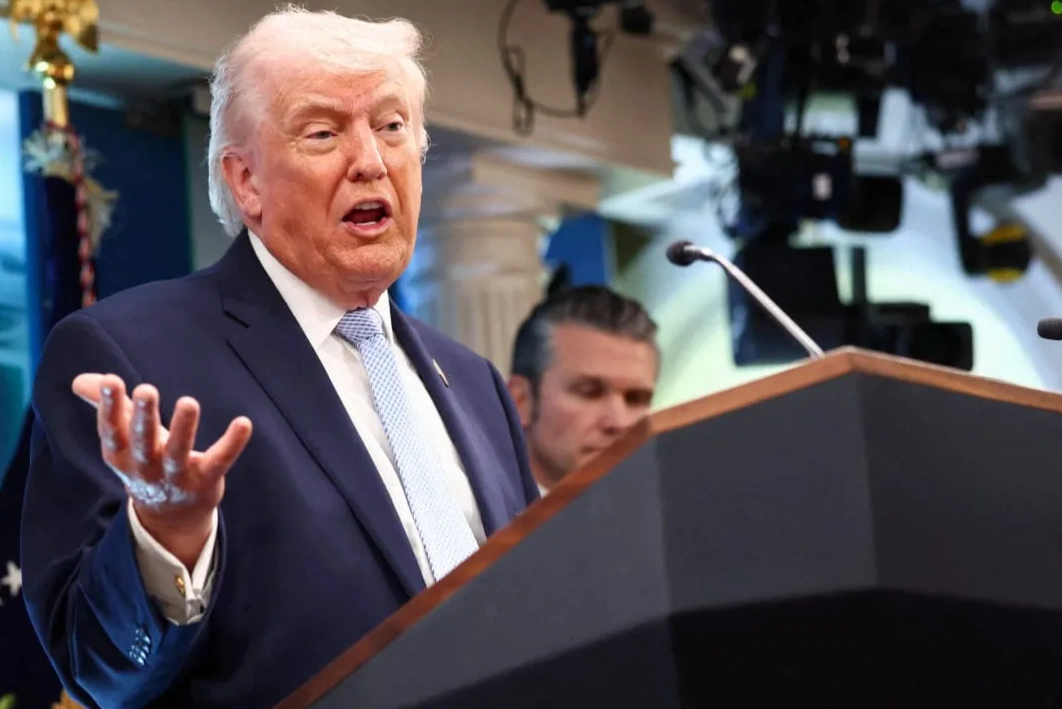
President Donald Trump reaffirmed the firm position of the United States against Iran, stressing that all US military forces will remain deployed in the region until Tehran fully complies with the ceasefire agreement. This decision reflects Washington's commitment to international stability and the security of its allies, especially Israel.
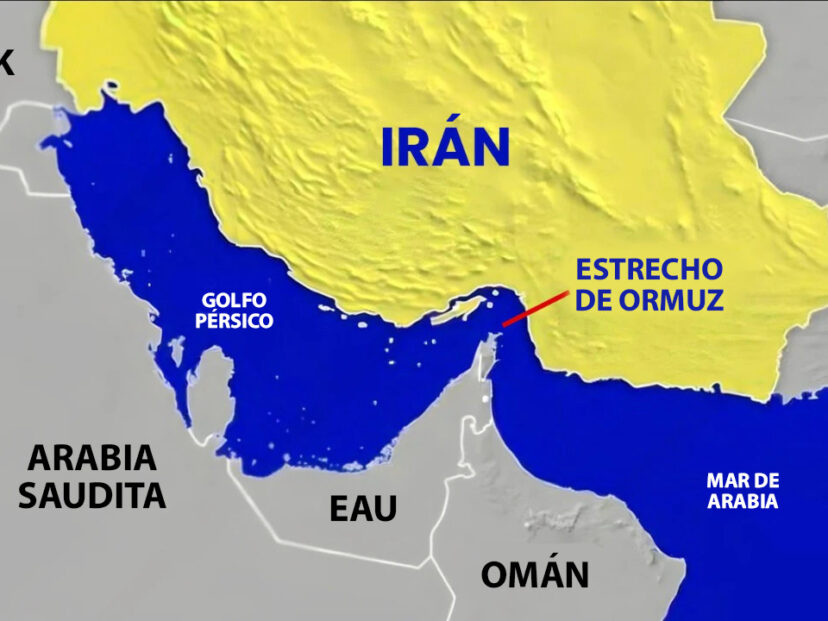
In a strong message, Trump made it clear that the US military remains prepared and willing to act if Iran fails to comply with the agreement. Beyond the firm tone, the central message points to deterrence: to avoid further escalation by ensuring that Iran respects its commitments, in particular renouncing the development of nuclear weapons and security in the strategic Strait of Hormuz
. The Strait of Hormuz
From an informational perspective, the position of the United States can be interpreted as an attempt to preserve balance in a historically volatile region. The military presence not only acts as an element of pressure on Iran, but also as a guarantee of protection for its partners. In this context, Israel plays a key role as a strategic ally, facing direct threats from Tehran-backed actors, such as Hezbollah
.
For its part, Iran has stated that it considers it “unreasonable” to move towards a permanent agreement while Israeli military operations against Hezbollah continue in Lebanon. However, this position also highlights the profound differences between the two sides, especially with regard to the Iranian nuclear program. While Washington maintains that Iran must completely cease enriching uranium, Iranian leaders insist that such a process is still allowed under
certain terms.
In this scenario, the joint strategy of the United States and Israel is presented as a common front in the face of what they consider to be threats to regional and global security. Diplomatic pressure, backed by military capacity, seeks to prevent Iran from advancing activities that could further destabilize
the Middle East.
In conclusion, the firmness shown by the United States, together with Israel's defensive action, responds to a logic of containment and prevention. Although tensions persist, both countries continue to rely on a combination of force and diplomacy to ensure that international agreements are respected and the risks of a major conflict are reduced