The President of the United States assured that the way the Israeli army is handling the situation is logical in the midst of a war
Nuevo
Agregar La Derecha Diario en
Compartir:
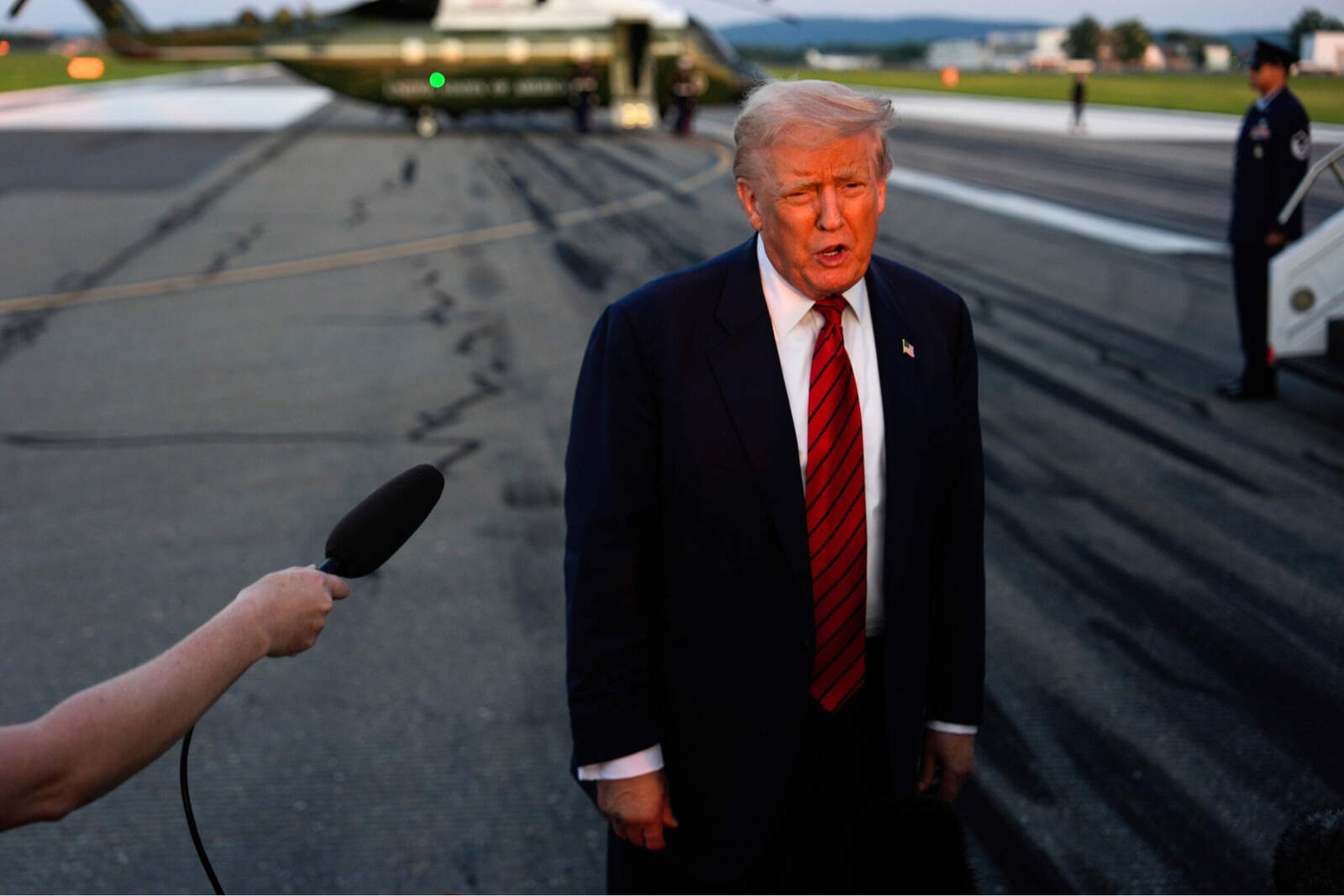
In a forceful message from the Allentown airport runway, former U.S. President Donald Trump rejected accusations of "genocide" against Israel for its military campaign in Gaza.
Additionally, he reminded the world how this war actually began: with the Hamas massacre on October 7, 2023.
"I don't think that's [genocide]. They're in a war," Trump said when asked by journalists. He then emphasized: "Horrible things happened on October 7. It was terrible, one of the worst things I've seen."
On that day, more than a thousand Hamas terrorists invaded southern Israel, killing about 1,200 civilians, mostly women, children, and the elderly, and kidnapping 251 people.
Nearly two years later, fifty hostages remain in the hands of the terrorist group in Gaza, and it is estimated that at least 20 of them are still alive.
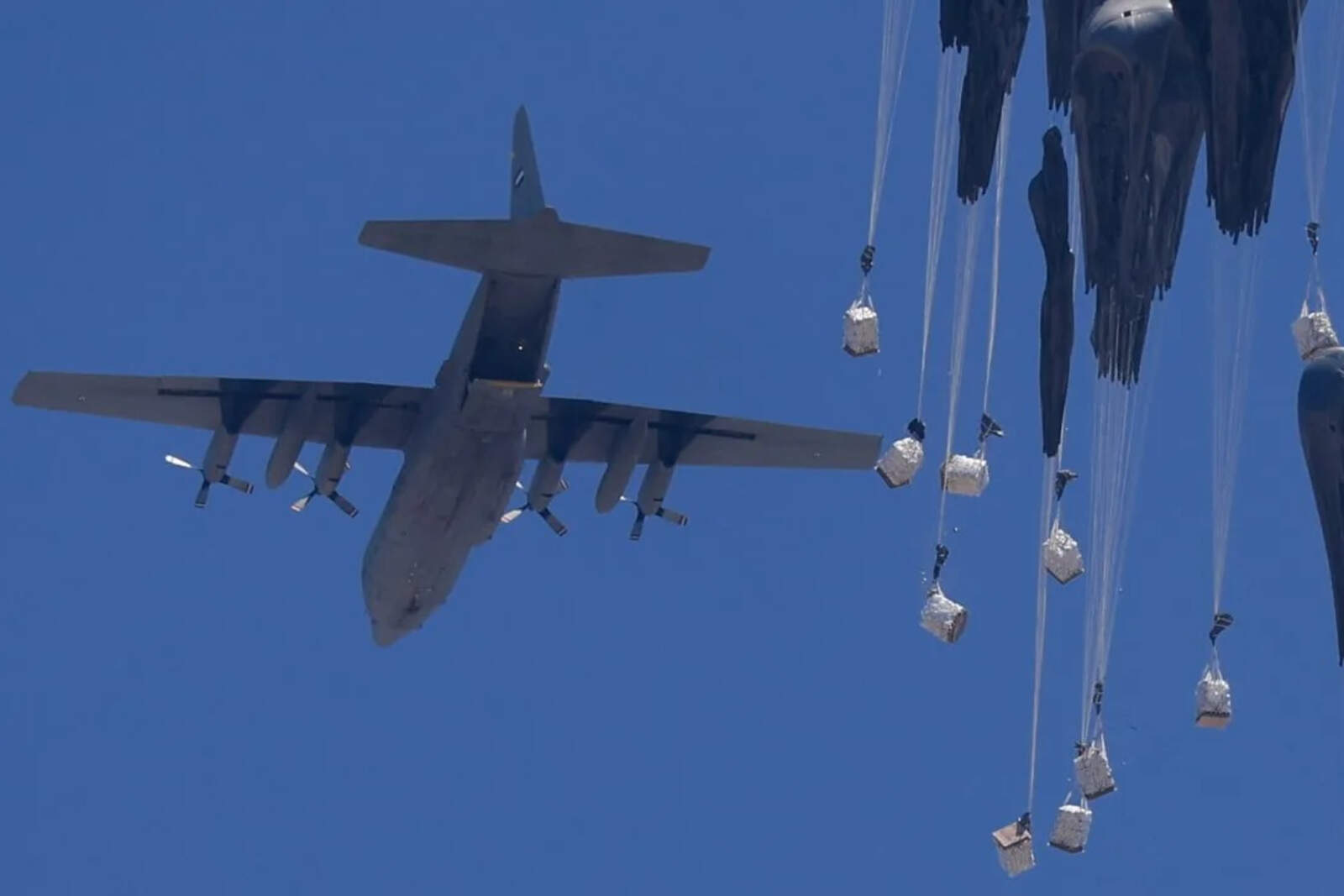
Delivery of humanitarian aid in Gaza
Trump's words come in an international context marked by growing media and diplomatic pressure against Israel, especially from organizations accusing the Jewish state of obstructing humanitarian aid.
However, the former president was clear: he acknowledged the need to feed the Palestinian civilian population, but he held Hamas responsible for the situation and defended the humanitarian role of the United States.
"We want people to be fed. We're the only country that's really doing that," Trump stated. "We're making fairly large contributions to buy food," he added, highlighting the work of Steve Witkoff, U.S. special envoy for the Middle East.
Trump and his envoys remain focused on assisting civilians directly without strengthening Hamas. "We don't want people to go hungry or die of starvation," the former president said. But he made it clear that the central problem is not Israeli policy, but the absolute control Hamas keeps over the Strip, using its population as a human shield and political weapon.
Trump's explicit defense marks a difference from other political figures in the West, who have preferred to condemn Israel without mentioning the origin of the conflict or the atrocities committed by Hamas.