The term "state-owned company" is, in itself, an oxymoron. These entities lack the essential elements for survival in a free market, and I'm going to prove it.
First, they don't compete. Without competition, incentives to improve, innovate, or even provide good service disappear. Customer satisfaction becomes irrelevant.
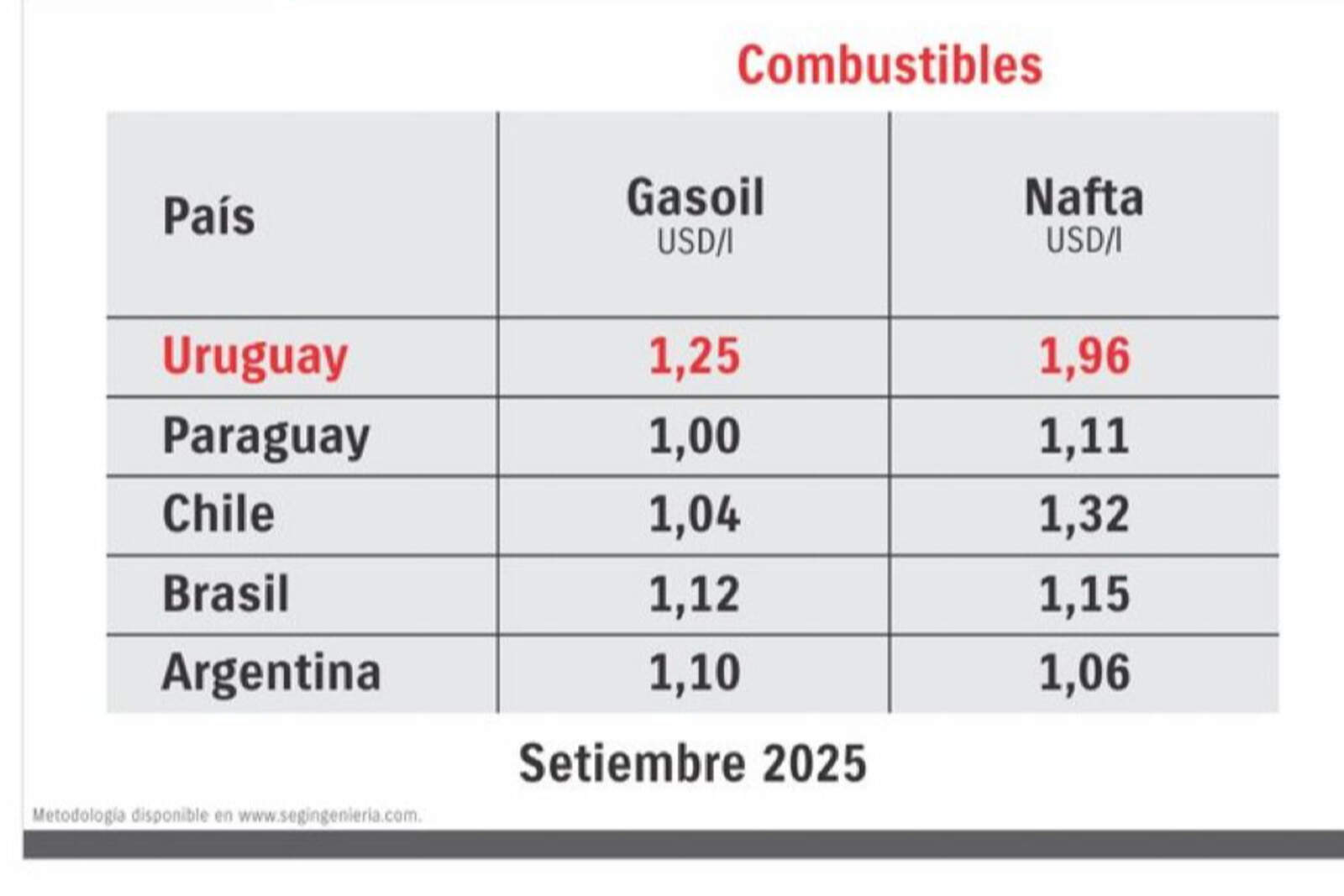
Comparación de precios con la región.
Second, those who make decisions risk nothing of their own. They don't invest their own money, they don't put their assets on the line, and in many cases, they don't even fear losing their jobs. The result? Disinterest in efficiency and outcomes.
Third, they can't perform economic calculation. They don't operate under price signals or within a competitive framework that allows them to evaluate profitability or efficient resource allocation. Since they can't adapt to the market, they become rigid and blame consumers. They complain about "excessive demand" instead of admitting their own inefficiency. Can anyone imagine a private company complaining about having too many customers? It seems like they're doing us a favor, when in reality it's the other way around: without customers, there is no company. Without quality, no one will buy.
Inefficiency and exorbitant prices are obvious. In the fuel monopoly, Uruguay has the most expensive gasoline in Latin America, with an abysmal difference compared to second place. This is not an isolated case: in the energy sector, Uruguay ranks tenth worldwide and third in Latin America among countries with the most expensive electricity.
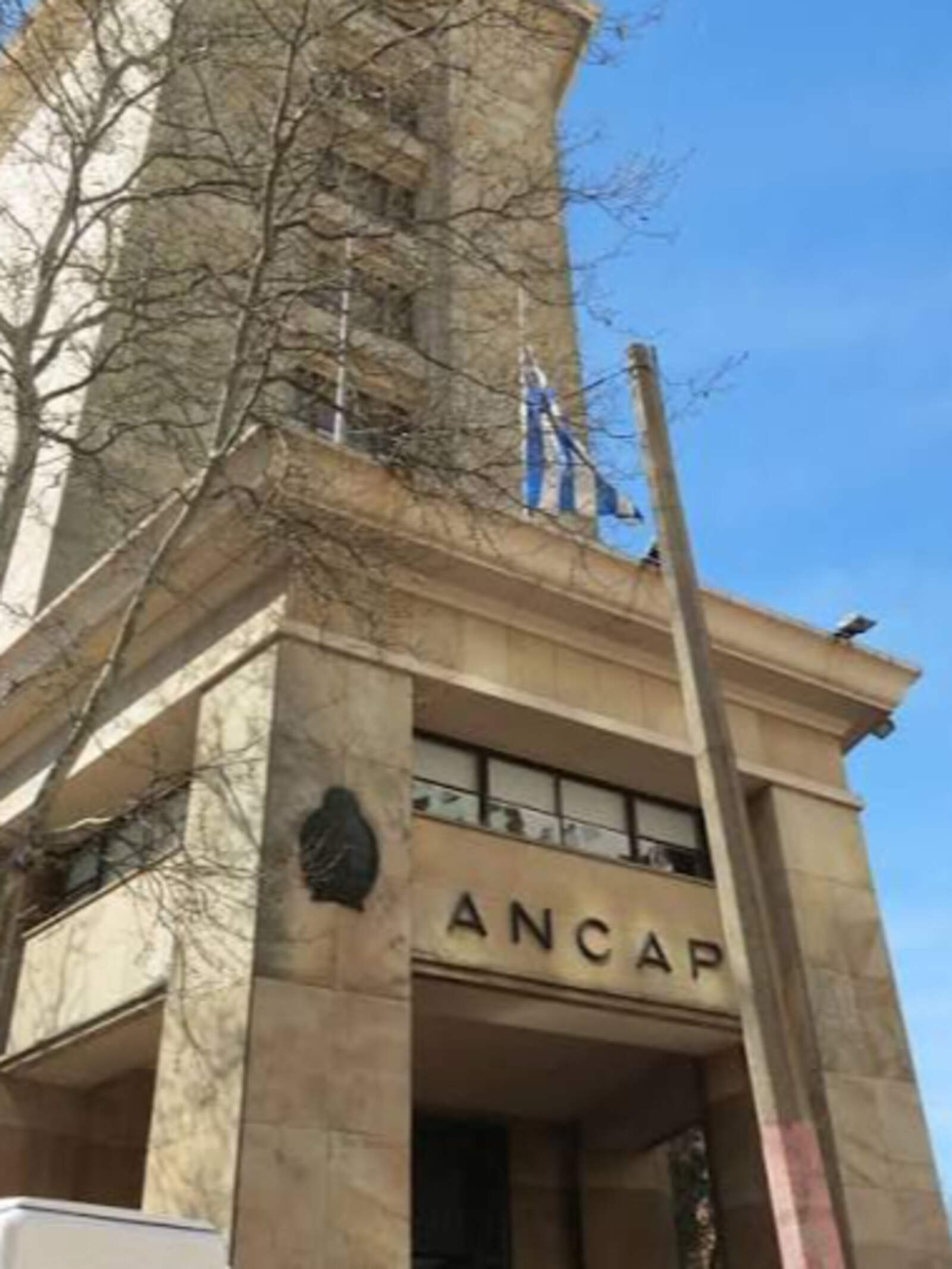
Oficinas de ANCAP.
Uruguay demonstrates that the State can't play entrepreneur. The costs of gasoline and energy are not a coincidence, but the direct consequence of a model that condemns the population to pay fortunes for mediocre services.
But this is simple: let's put it to the test. If a state monopoly were efficient, it could compete without issue and continue operating within the laws of the market. If it weren't, it would be forced to adapt to survive. If it was a disaster, it would simply disappear.
The model is simple: they don't work, they don't compete, they don't improve... and yet we're forced to pay for them. Anywhere else this would be called fraud. Here we call it a "public company".