
The Argentine market is beginning to show a silent but profound transformation. After years of restrictions, obstacles to imports and a limited supply, economic openness is beginning to be reflected in something concrete: more brands, more options and more competition
.In the main shopping corridors and urban centers, the opening of stores of international brands began to multiply, along with new commercial formats and more diversified proposals. After years of decline, supply is once again expanding and anticipates a scenario of greater competition in the
local market.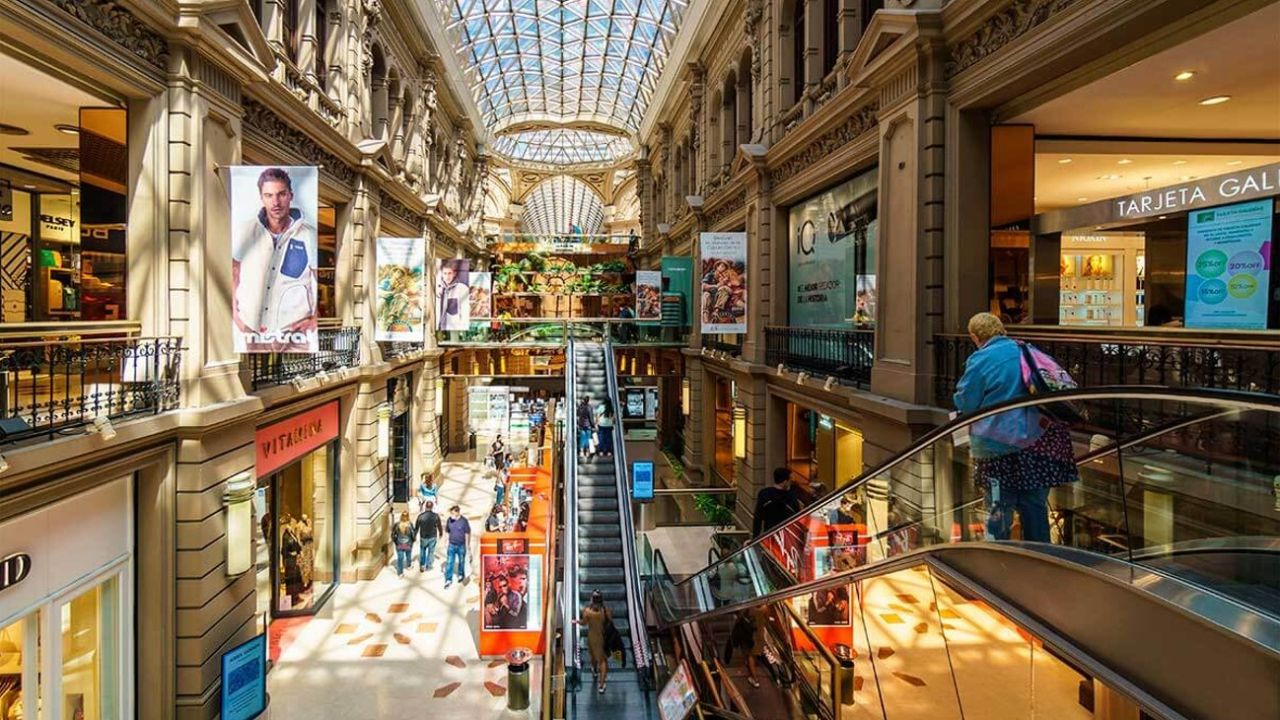
It's not just a question of aesthetics or aspirational consumption. What is at stake is a change in the logic of the market. For years, the Argentine consumer had been trapped in a closed system, with few alternatives and high prices due to the lack of competition. That pattern is starting to reverse
.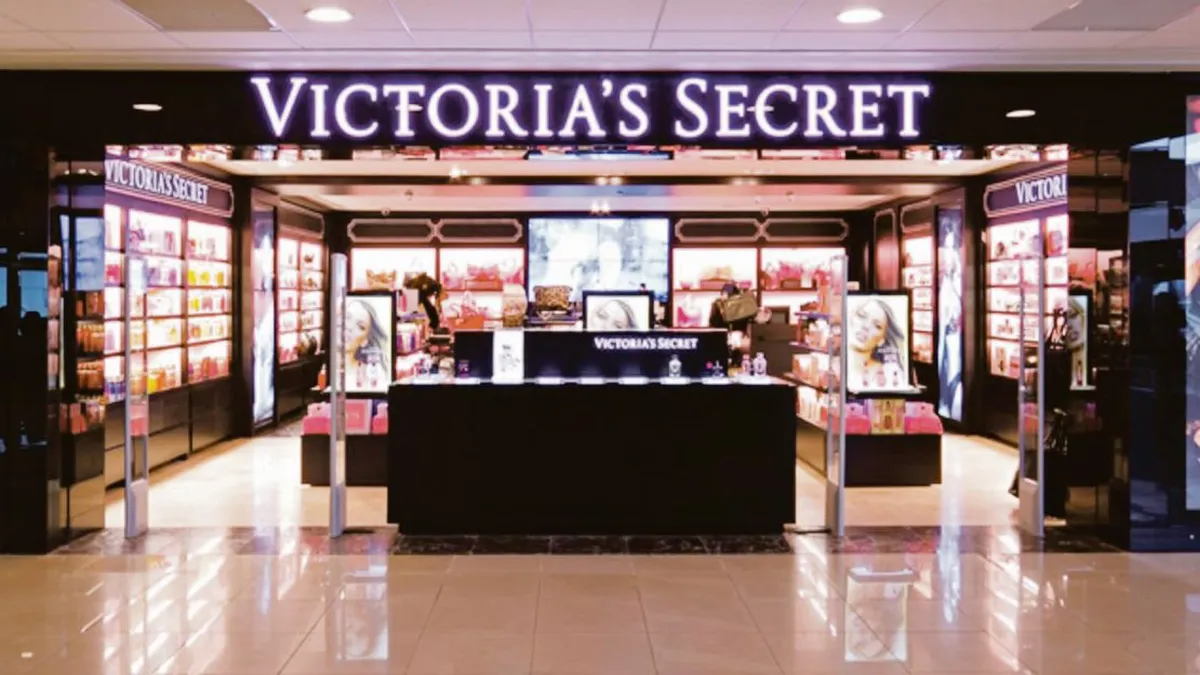
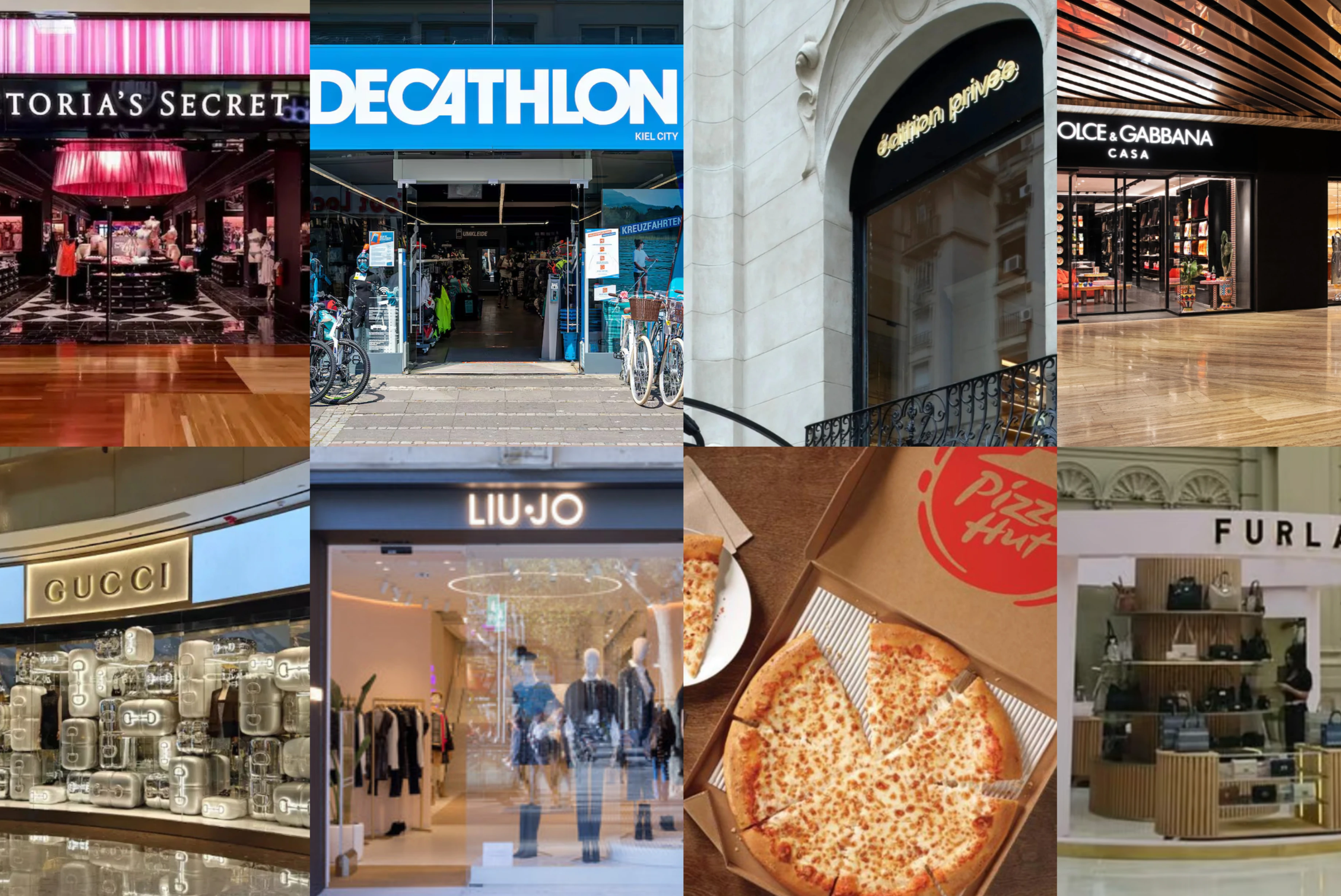
In terms of clothing, Mango's return after more than two decades out of the country adds to the expansion of brands such as Victoria's Secret, which went from operating in free stores to consolidating their own stores. At the same time, European firms such as Sandro, Maje and The Kooples began to gain a presence in premium malls, targeting a consumer who regains access to international options.
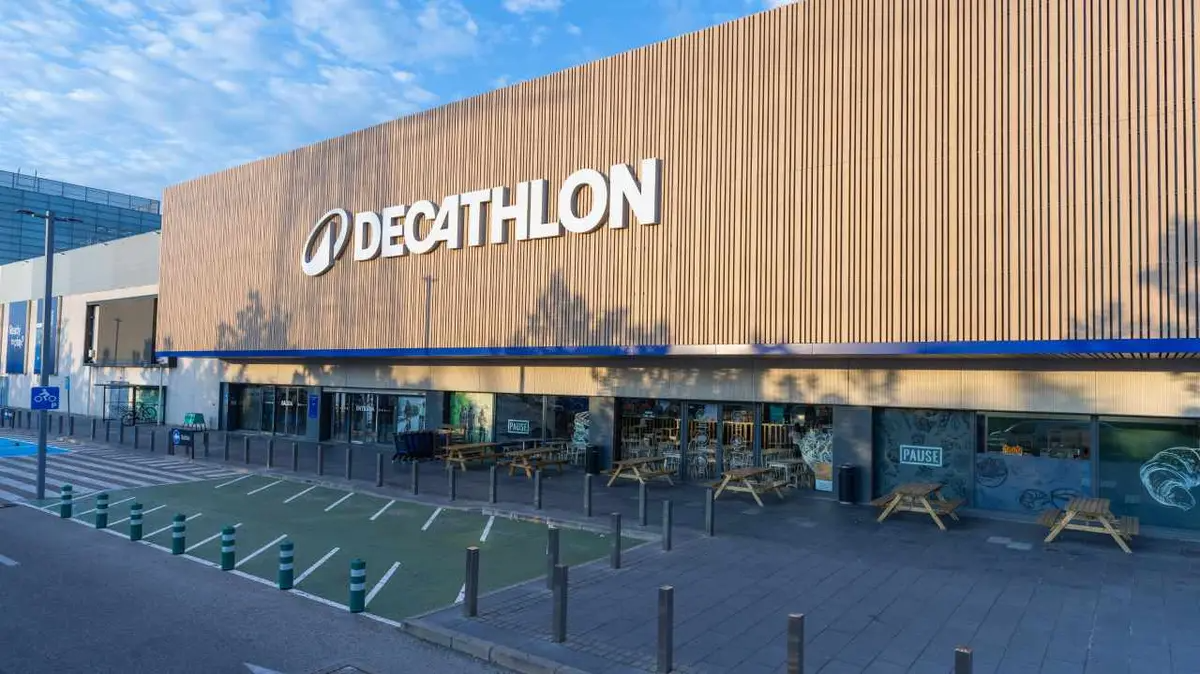
Proposals aimed at mass consumption also appear. The Miniso chain has already defined its first locations in Buenos Aires with a strong expansion plan, while Indian is growing with a volume strategy and affordable prices. At the same time, the return of Decathlon with large surface areas marks the commitment to more competitive formats with a larger scale