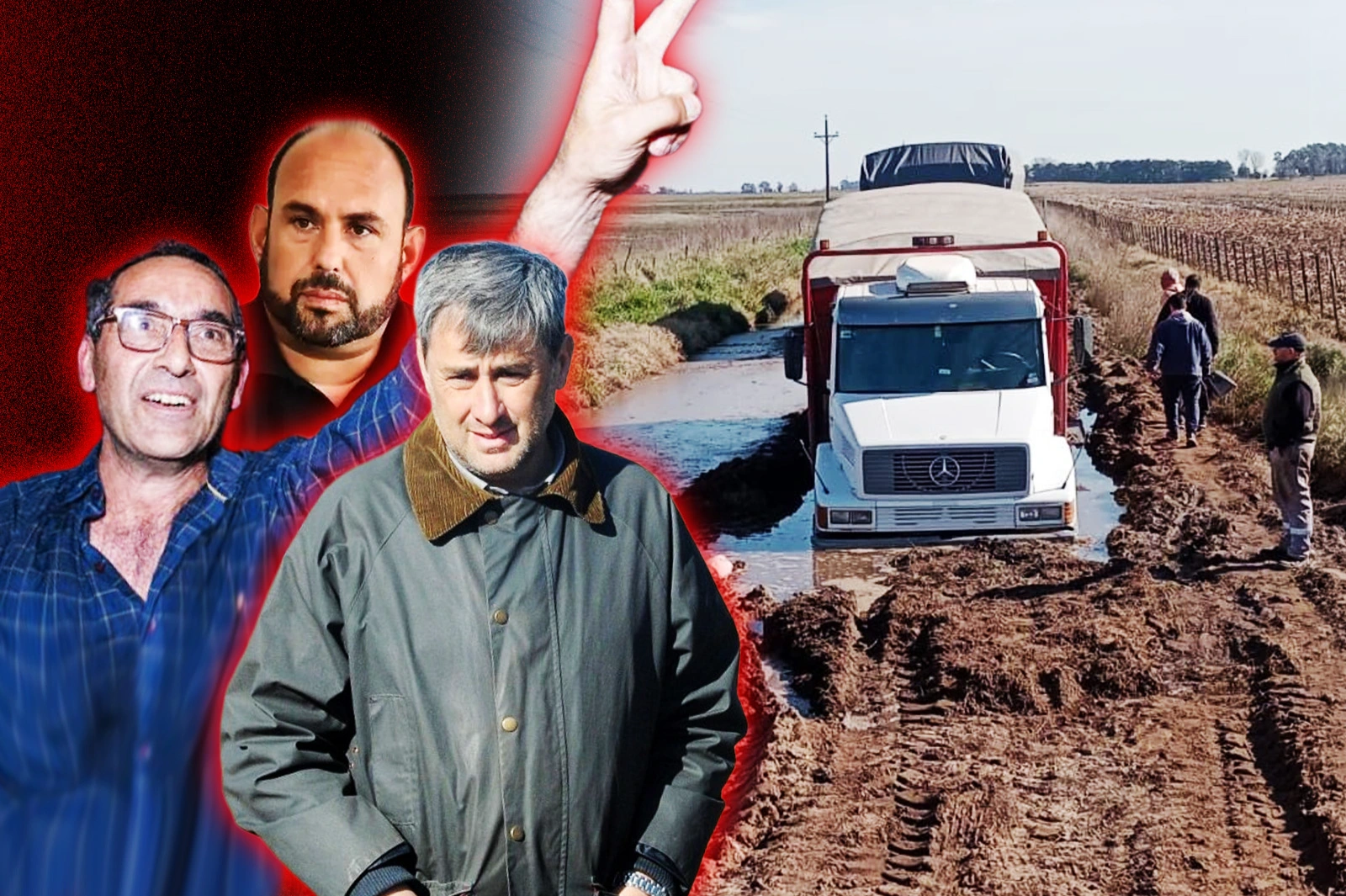
The mayors who complain today (and some have already come out to cross paths with Caputo and Milei himself) are discovering that the Argentine people, especially those who produce, are no longer willing to support the usual model. That model where the countryside pays, the municipality spends on what is sung to it and then blames “national adjustment” for everything
.
The
Daireaux ruling and the ultimatums of Henderson, Baradero and
Azul are not isolated cases. They are the first wave of a tsunami of accountability that had been brewing. And it is no accident that it comes just now, when the national government put public spending under a magnifying glass and demonstrated that the chainsaw exists, works and manages to keep the State from falling.
Farmers in the field did not ask for subsidies. They asked for what they already paid for: decent roads. And Justice is proving them right. That is the real cultural change that Milei is promoting: that every level of the State is held to account.
Because the job ends when someone demands that the money go back where it needs to go.
And the field, as always, was the first to be planted.
Finally, the Buenos Aires justice system began to do what common sense had been demanding years ago. In Daireaux, Judge Pablo Cristian Germain, of the Administrative Court No. 1 of Trenque Lauquen, issued a historic ruling: he declared the road tax null (totally or partially), ordered the return of money to producers and made it clear that a significant part of the proceeds (between 22% and 27% depending on the years) were diverted to general income
instead of going to rural roads.
In Henderson, the same judge gave an ultimatum to the ultra-kirchnerist mayor Luis Pugnaloni to stop delaying the delivery of balance sheets and detailed documentation for the last 48 months on the use of the road tax.
In the same vein, in Baradero and Azul, the Chamber and the courts are forcing municipalities to show what they did with the hundreds of millions they charged in road taxes.
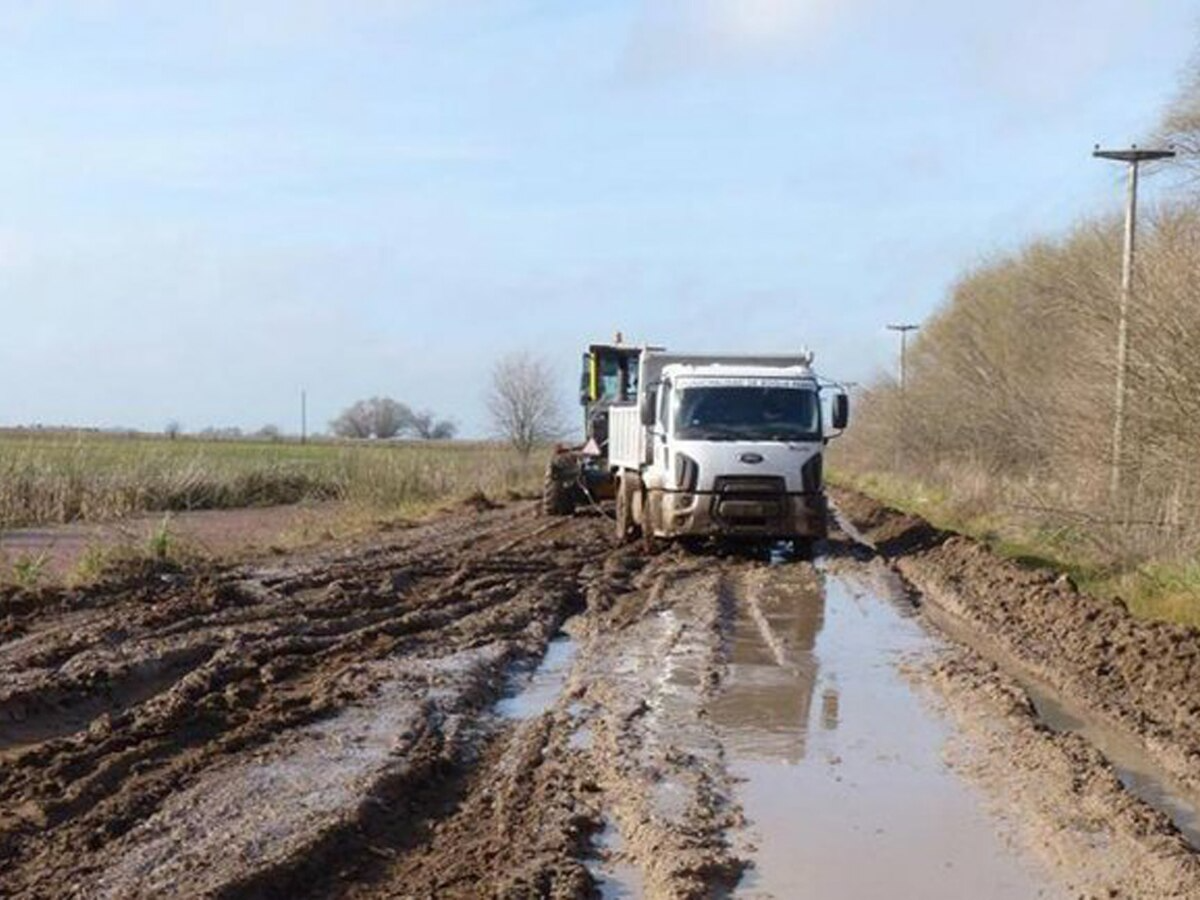
This is not a legal technicality. This is the end of a classic job: to charge a supposedly remunerative rate (that is, in exchange for a specific service) and spend it on anything but that service. Rural producers, who are the ones who pay the most and those who most need passable roads to get their production out, got tired. They no longer accept that their money ends up funding festivals, extra political employees, official advertising or any other luxury expense while the roads turn into neighborhoods after every rain
. Destroyed rural roads in the province of Buenos Aires
And here comes the key: this paradigm shift is no accident. It occurs exactly within the framework imposed by Javier Milei from the first day of his administration. When the President focused on the zero deficit, on the reduction of public spending and on the demand that every peso of the State must be justified, he did not do so only for the Nation. The message reached provinces and municipalities: the time of “spend what you want and then ask for more participation” is over. Milei didn't take resources from them overnight; she simply demanded that they stop squandering what they already have. And citizens, especially those in the countryside, took note.
Because a road tax is not a disguised tax. It's a contract: I pay to keep you on track for me. If the road is impassable, if there are no machines working, if the money goes elsewhere, the contract is broken. And Justice, for the first time forcefully, is recognizing this. It's not “anti-intendents”. They are tax payers.It is defending the right to property and tax reasonableness that the Supreme Court has been remembering for years