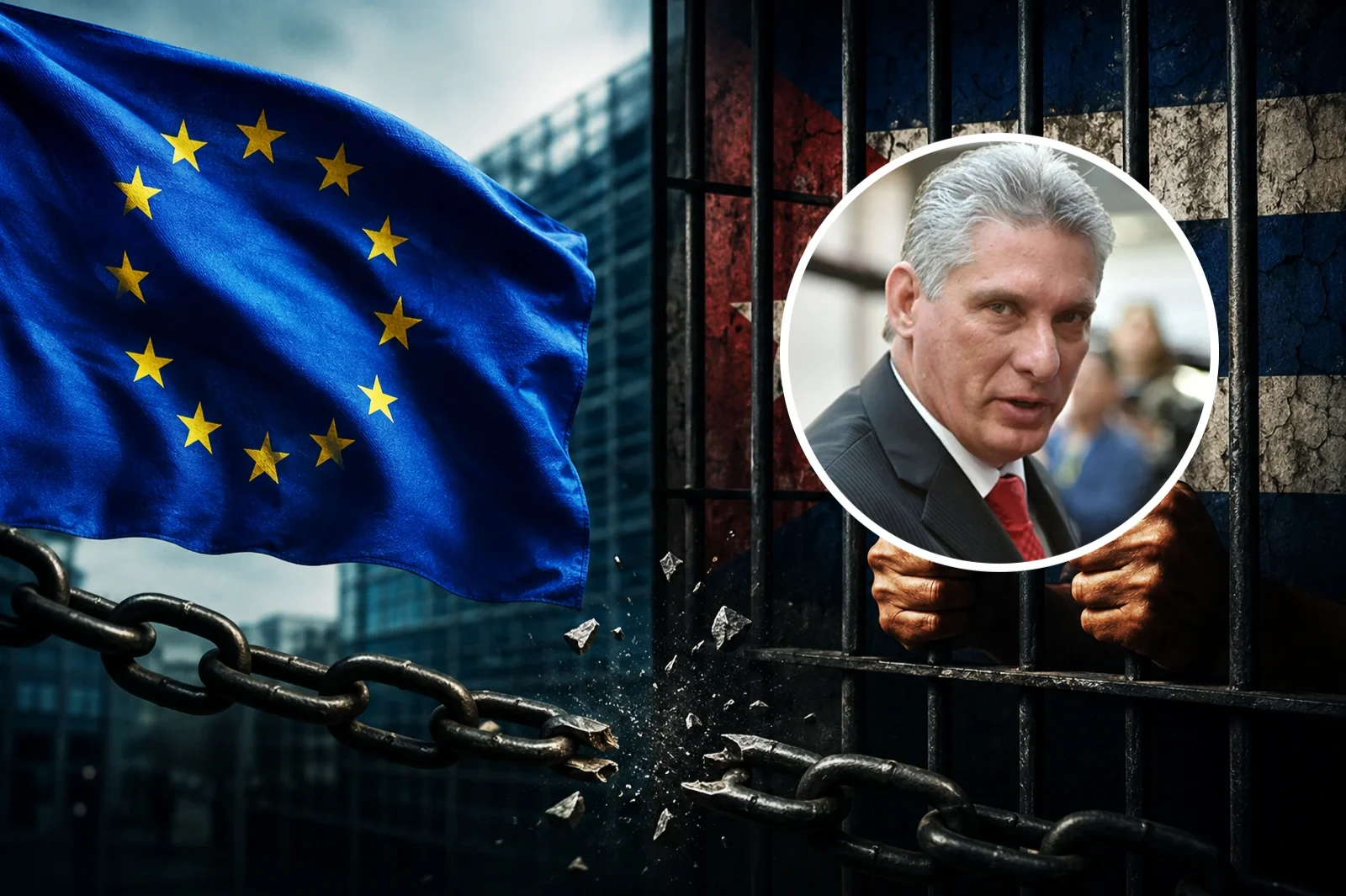
The European Parliament approved a strong resolution against the Cuban regime on Thursday in which it demands the immediate and unconditional release of all political prisoners on the island and warns that the European Union should suspend political dialogue and cooperation with Havana if there are no concrete advances towards democracy and respect for human rights.
The initiative was supported by 283 MEPs, while 199 voted against and 85 abstained. The text received backing from the European People's Party, the European Conservatives and Reformists (ECR), and the center-left Renew Europe group, which managed to push through one of the most severe resolutions issued by the Eurochamber against the Cuban government in recent years.
In the document, European lawmakers condemn ''in the strongest possible terms'' the systematic repression exercised by Cuban authorities against opponents, activists, protesters, students, religious leaders, and human rights defenders.
The resolution denounces a series of abuses attributed to the regime, including torture, sexual violence, death threats, mass surveillance, forced labor, judicial persecution, and inhumane detention conditions. According to the text, these practices are part of a strategy aimed at silencing any form of dissent and restricting fundamental freedoms on the island.
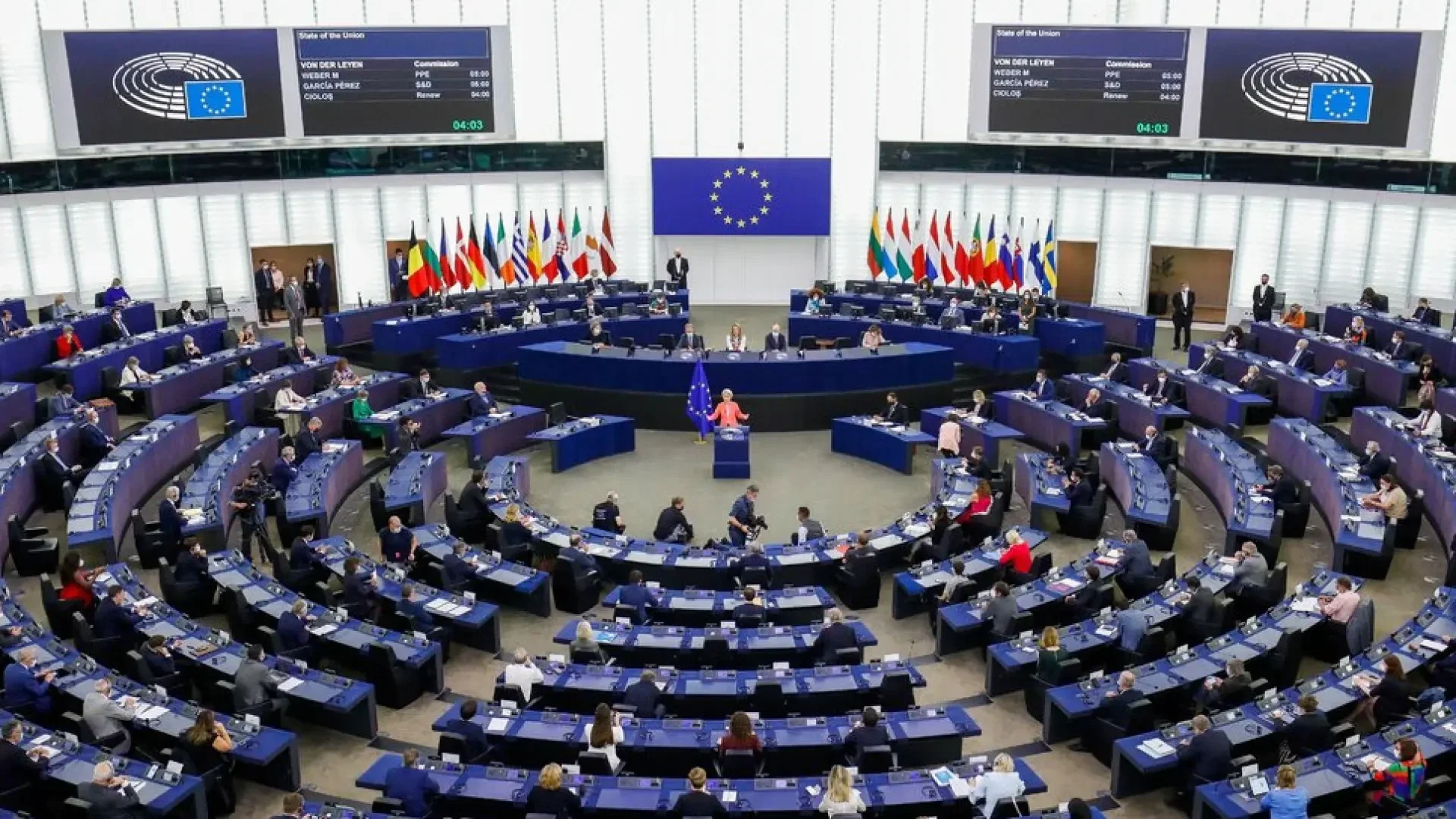
The European Parliament issued a resolution demanding the release of political prisoners in Cuba and threatening to cut dialogue with Havana
One of the main demands of the European Parliament is the immediate release of nearly 1,300 political prisoners who remain incarcerated for political reasons. The MEPs argue that these detentions constitute serious violations of fundamental rights and also demand an end to torture and mistreatment of detainees.
Cuban opposition leader José Daniel Ferrer described the decision as ''the strongest resolution the European Parliament has ever approved regarding Cuba''. In statements to the media, he asserted that the document goes far beyond a symbolic condemnation and contains concrete demands directed at the Cuban government.
According to Ferrer, the resolution calls for sanctions against those responsible for the repression, deep political and economic reforms, direct humanitarian aid for the Cuban population, and the cessation of the regime's military cooperation with Russia and Belarus.
The opposition leader also emphasized that the European Parliament directly holds the political and economic model imposed by the communist regime responsible for the deep crisis the country is experiencing. In his view, the text represents a recognition by Europe that the situation of poverty, scarcity, and institutional deterioration on the island is mainly the result of decades of failed policies and the lack of economic and political freedoms.
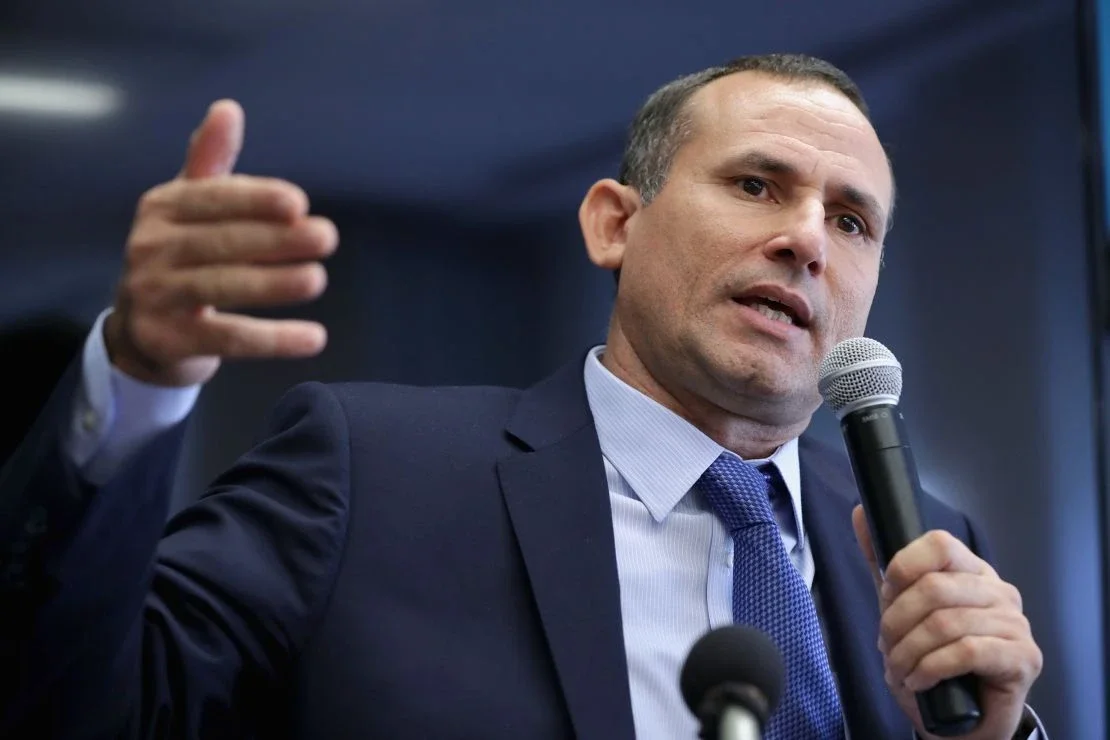
The dissident leader, José Daniel Ferrer, praised the European resolution and launched harsh criticisms against the communist regime of Cuba
The resolution states that, after more than six decades of communist rule, Cuba faces a multidimensional crisis that threatens to turn the country into a failed state. It also notes that the humanitarian emergency has significantly worsened and mentions that a large part of the population lives in conditions of extreme poverty.
Furthermore, the MEPs recalled that by the end of May 2026, there were 1,281 political prisoners in Cuba, including minors. Therefore, they demanded the release of all individuals arbitrarily detained for exercising fundamental rights such as freedom of expression, assembly, and political participation.
The resolution also calls for compensation mechanisms for victims of repression and emphasizes that any deepening of relations between the European Union and Cuba must be conditioned on verifiable improvements in human rights, democratic openness, and respect for fundamental freedoms.
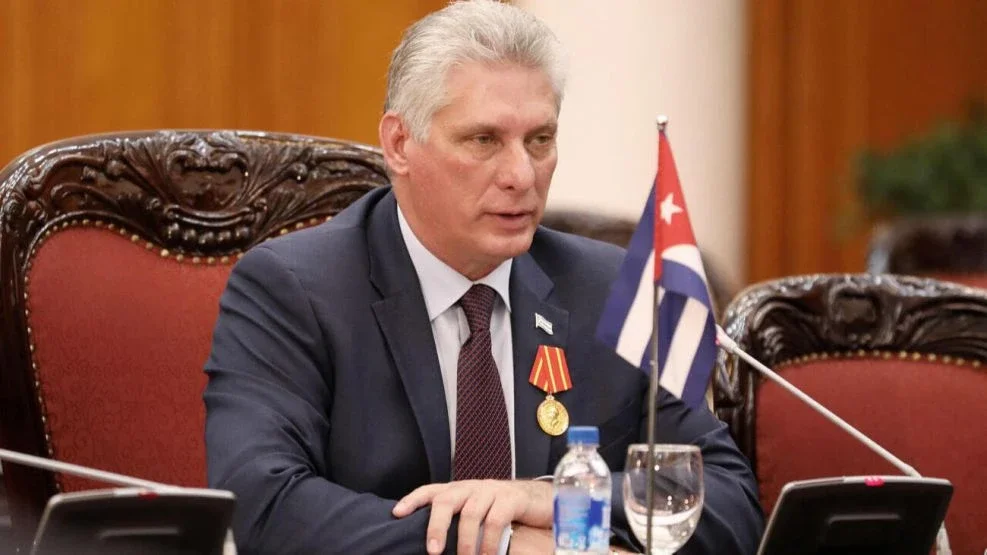
The Díaz-Canel regime holds thousands of political prisoners, and the socio-economic situation in the Caribbean country has significantly worsened