France, Germany, the United Kingdom and Italy announced, together with Japan, coordinated actions to ensure passage through the strait and help stabilize energy markets.
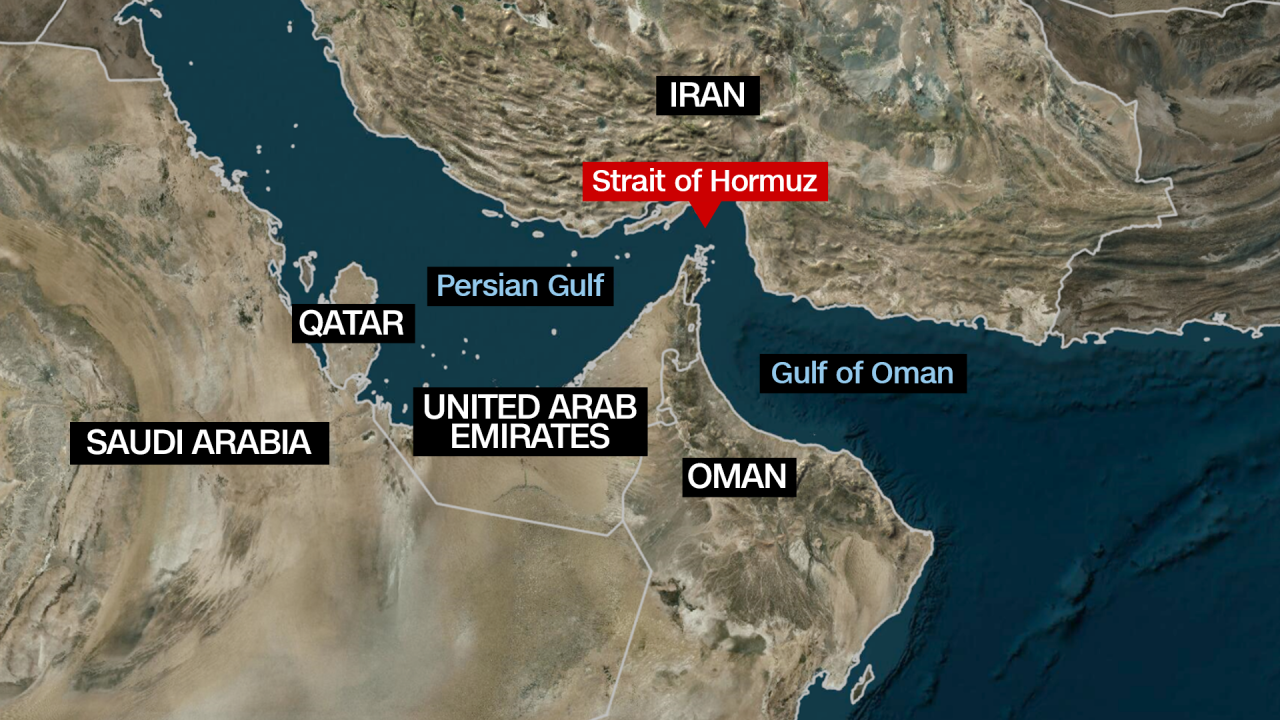
A group of European powers together with Japan announced this Thursday a series of coordinated measures to address the growing tension surrounding theStrait of Hormuz, the key route for global oil and gas trade. The joint statement reflects international concern about the impact that the situation could have on energy markets and on global security
.
The statement was signed by the United Kingdom, France, Germany, Italy, the Netherlands and Japan, who condemned the actions attributed to Iran. Among them, they mentioned threats to maritime traffic, the planting of mines, as well as drone and missile attacks aimed at vessels and critical infrastructure. The countries urged Tehran to immediately cease these activities and to comply with UN Security Council Resolution 2817
.
In the document, the signatories warned that any interference with maritime traffic in this strategic area constitutes a direct threat to international peace and security. They also emphasized that freedom of navigation is a fundamental principle of international law, indispensable for the functioning of the global economy and the stability of markets
. European countries and Japan stressed that any interference in the strait will pose a threat to global security.
The concern is not limited to the Persian Gulf region alone. According to the statement, the consequences of a possible interruption of energy supply would be felt around the world, affecting more intensely the most vulnerable countries, which rely heavily on the import of hydrocarbons
.
Faced with this scenario, nations expressed their willingness to participate in “appropriate efforts” to ensure safe transit through the Strait of Hormuz. This includes the possibility of coordinating actions with other countries that are already developing contingency plans for maritime security, which could lead to a broader international response to protect this
strategic route.
In parallel, countries supported the decision of the International Energy Agency to authorize the coordinated release of strategic oil reserves. This measure seeks to cushion the immediate impact of the crisis on markets and to avoid sudden increases in energy prices
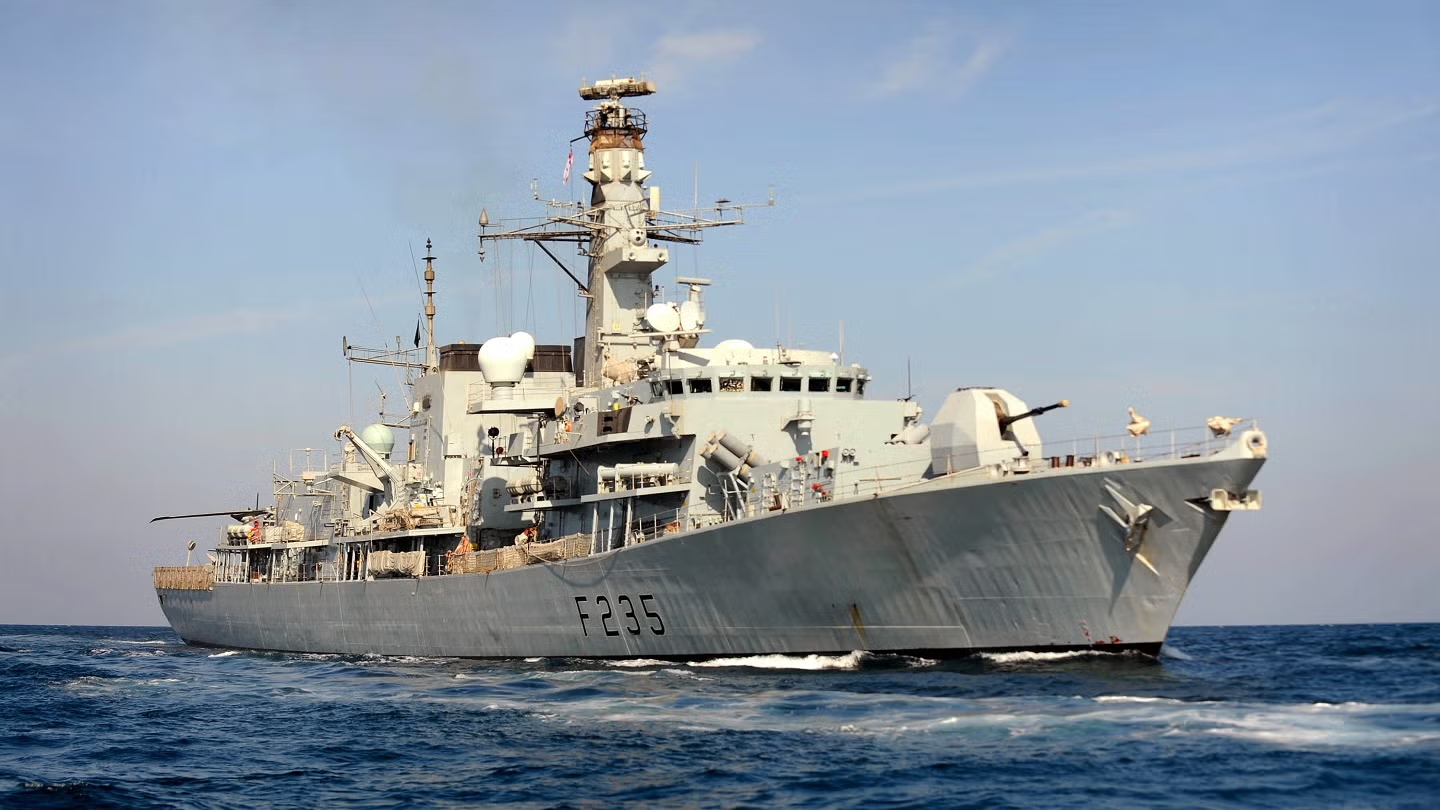
. The nations said they will participate in “appropriate efforts” to ensure transit through the strait, and could even send military ships to the area.
In addition, the signatories announced that they will work with certain producing countries to increase the supply of oil and gas, with the objective of stabilizing markets and ensuring global supply. This strategy aims to reduce volatility and to give greater certainty to economies that depend on these resources
.
The statement also makes an urgent call to stop attacks on civilian infrastructure, including oil and gas facilities. According to the countries, this type of action not only aggravates the crisis, but also puts global energy supply chains at risk
.
On the other hand, nations committed themselves to providing support to the countries most affected by the situation, in coordination with international organizations such as the United Nations and international financial institutions. This support seeks to mitigate the economic and social effects derived from instability in energy markets
.
Finally, the declaration reaffirms the importance of maritime security and freedom of navigation as fundamental pillars of the international order. In this regard, the countries called on all States to respect international law and to act responsibly to preserve global stability in a context of growing uncertainty.
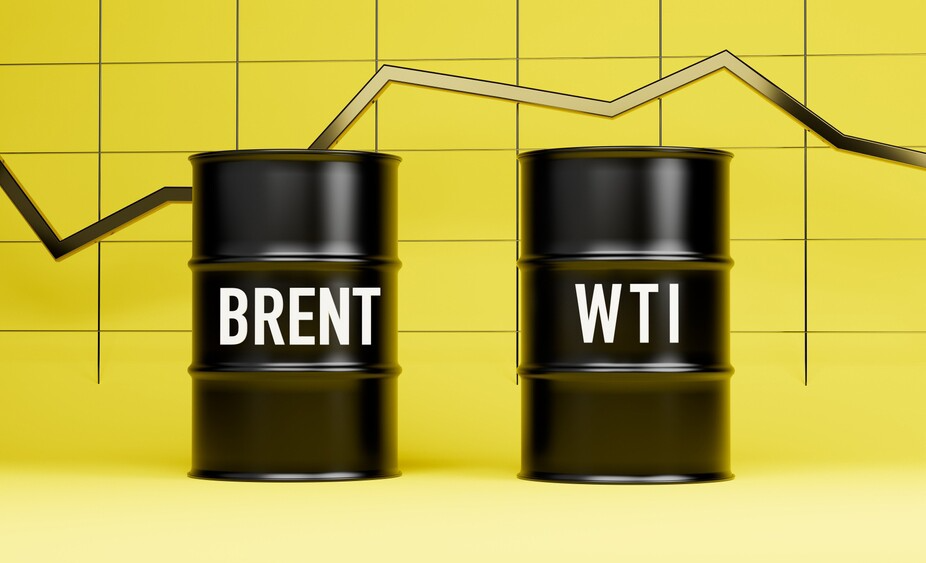
As a result of Iran's cowardly attacks on energy infrastructure in the Middle East, oil prices have risen substantially