The Israeli Prime Minister questioned the possibility of the opposition forming a coalition with Raam and the Joint List, which won 19 seats in the elections
The Prime Minister of Israel, Benjamin Netanyahu, warned that the formation of an alternative government to the one led by his party, the Likud, with the support of Arab groups, could compromise the country's stability and security. His statements came after the legislative elections of October 27, which left a Parliament without sufficient majorities to form a
government.
In a video message, Netanyahu took aim at Raam and the Joint List, two groups that mainly represent the Islamic population with Israeli citizenship and that obtained a historic result of 19 seats in the Knesset.
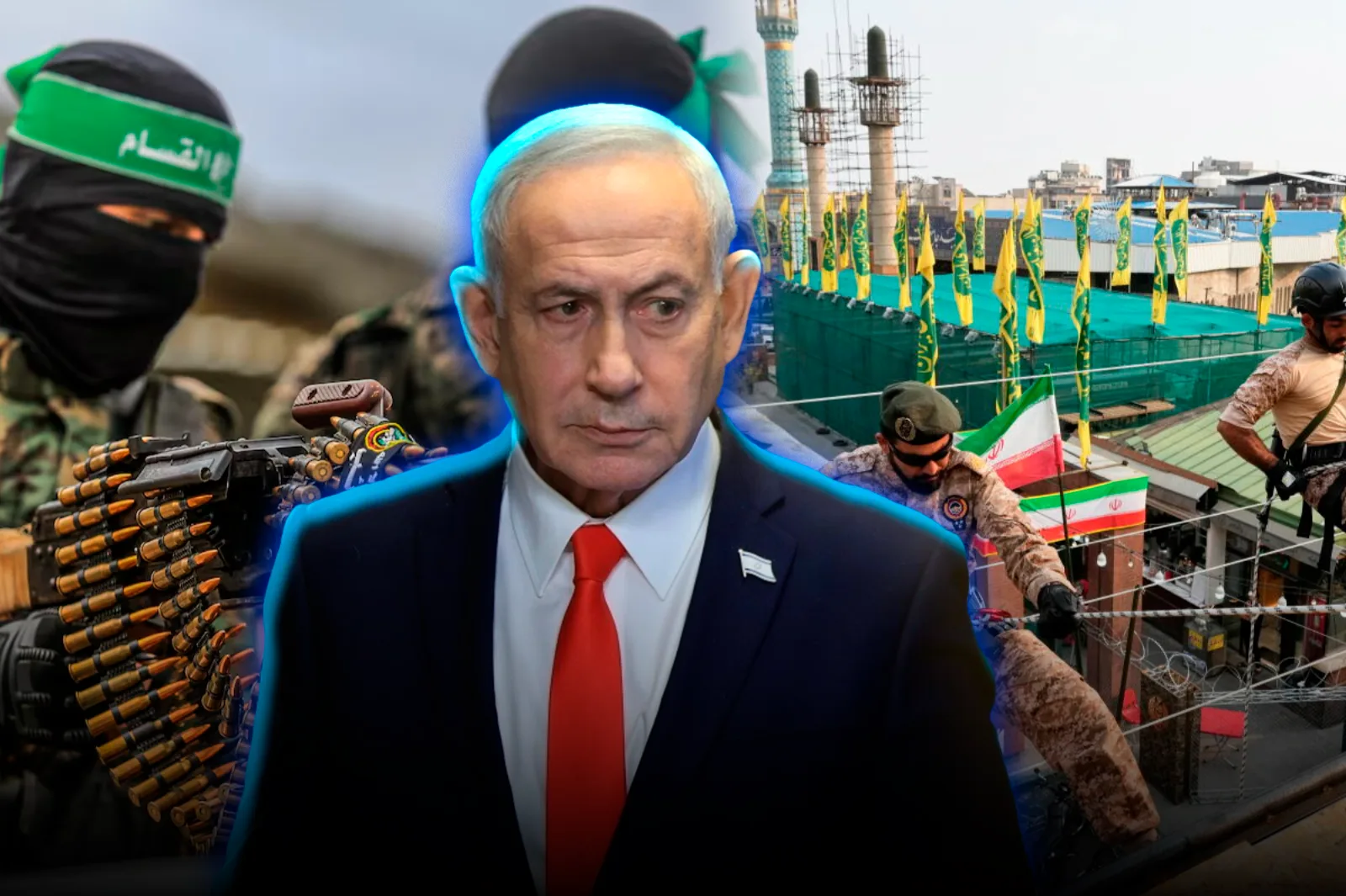
The president linked them to radical Islam and stated that they represent an internal threat to the State.Hamas Islamic Terrorists
“Radical Islam is the challenge that is tearing Europe apart today. It is also the challenge that threatens us,” he said. In addition, he assured that Israel faces external threats from Iran and its allies, as well as internal risks from parties that, according to his accusation, support terrorism and seek to erase the country's Jewish identity
.
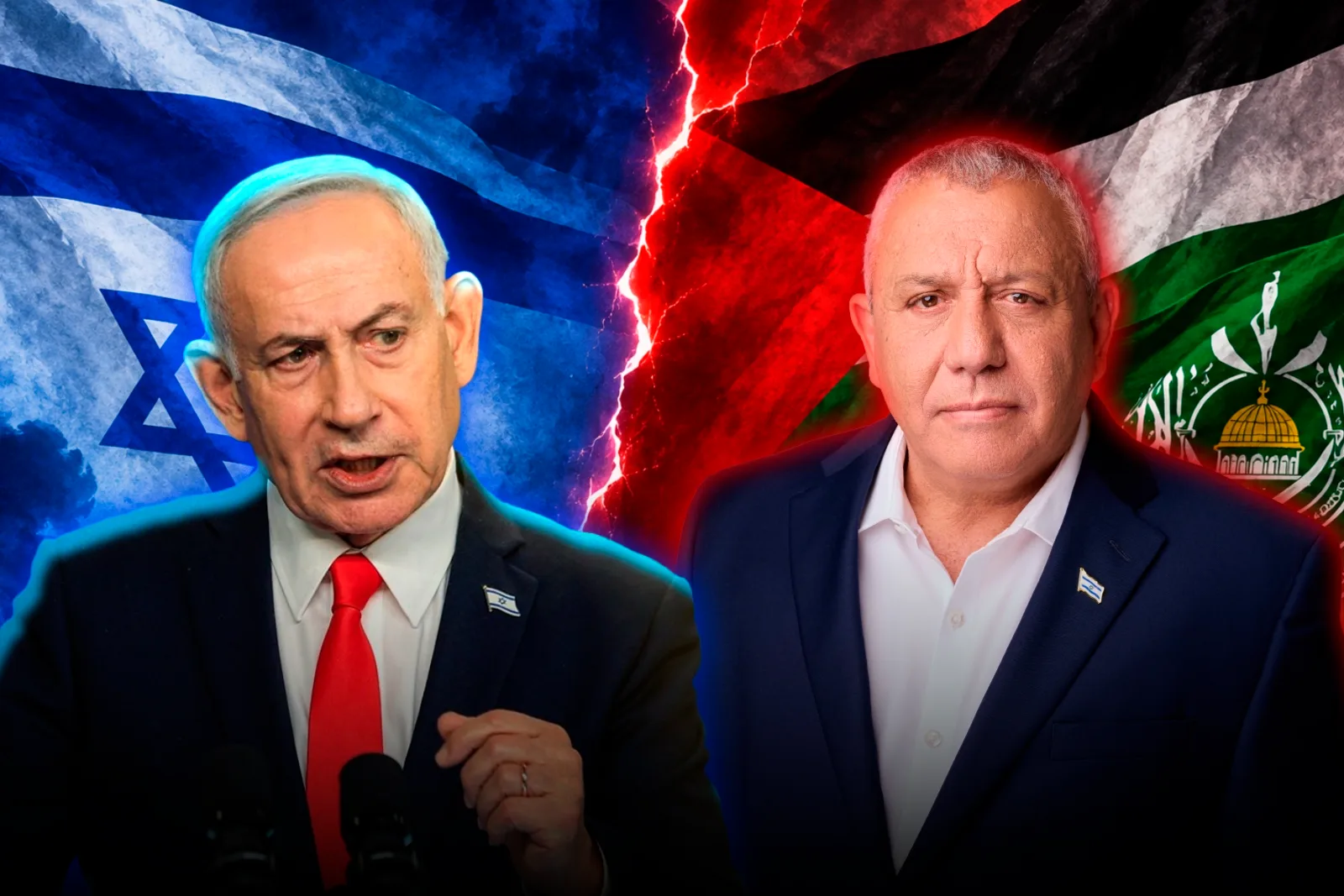
Netanyahu particularly rejected the possibility that the opposition bloc, led by Gadi Eisenkot, depends on the votes of those groups to achieve a parliamentary majority. “Not only will it fail to fight our enemies, but it will simply tear us apart from within,” he said. In contrast, he called for the formation of a broad national government, led by Likud and comprised of Zionist forces
willing to participate.
The election results explain the dispute. Likud was the most voted force and won 27 deputies, but Netanyahu's block was left with 53 seats, eight short of the 61 needed to control the Knesset. For its part, Eisenkot's opposition space brought together 48 representatives and could reach a majority if it obtains the support of the 19 legislators of the Arab parties
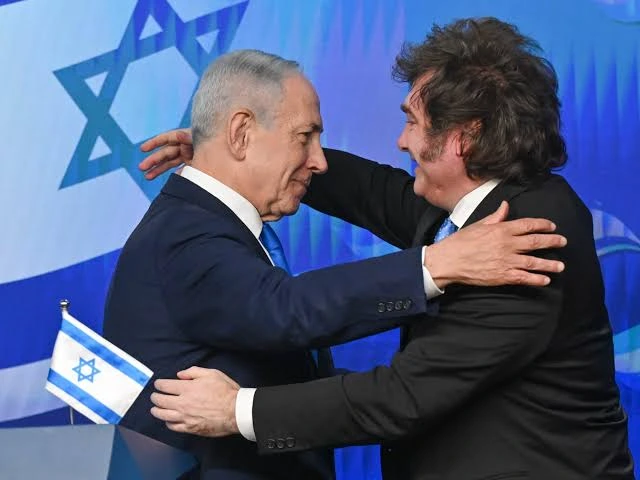
. Prime Minister Benjamin Netanyahu together with Javier Milei
The Prime Minister also once again questioned the transparency of the elections and denounced possible foreign interference through large sums of
money intended to influence the outcome.
The dispute opens a decisive period of negotiations for Israel: none of the main coalitions alone has the necessary votes and the participation of Arab parties became one of the central points of the political debate.