In particular, the ban on cryptocurrency donations has been singled out as a hasty decision that could curb financial innovation in politics. Reform UK had promoted the use of these assets as a modern and transparent alternative for raising funds, arguing that blockchain technology allows transactions to be tracked publicly
The UK government announced new restrictions on political funding that have sparked criticism from opposition sectors, who believe that the measures could disproportionately harm emerging forces such as Reform UK, led by Nigel Farage.
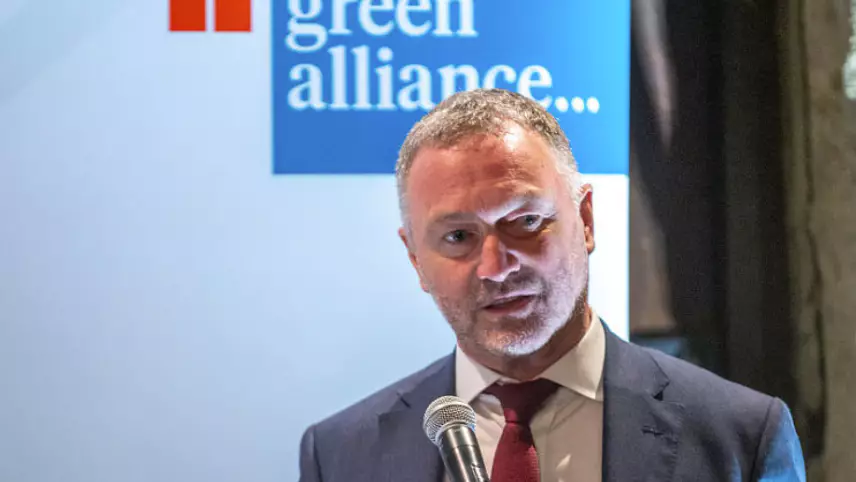
The reform package includes an annual cap of 100,000 pounds for donations from British citizens living abroad and an immediate ban on cryptocurrency contributions, at least until a stricter regulatory system is implemented. According to Housing Minister Steve Reed, the measures seek to prevent foreign actors from influencing national politics through covert funding
.
Many critics of the initiative argue that the government is using the argument of national security to introduce limitations that could restrict political competition. In particular, they point out that Reform UK, which has experienced rapid growth in popularity and revenue, could be one of the main affected parties. The party has been a pioneer in accepting cryptocurrency donations and, according to recent data, a significant part of its funds come from British people living abroad
. The Minister of Housing assured that these measures seek to prevent foreign interference in British politics
For their nefarious supporters, these sources of funding are not only legal, but they reflect the support of a British diaspora that, despite residing outside the country, maintains an interest in its political future. In that sense, they consider that imposing a strict limit on their contributions is equivalent to reducing their voice in the
democratic system.
The debate intensified after the publication of the report prepared by Philip Rycroft, which warns of a persistent threat of foreign interference, pointing to countries such as Russia, China and Iran, as well as private actors and even international allies. Although the document proposes to reinforce controls, some analysts question whether the measures adopted are proportional to the risk described.
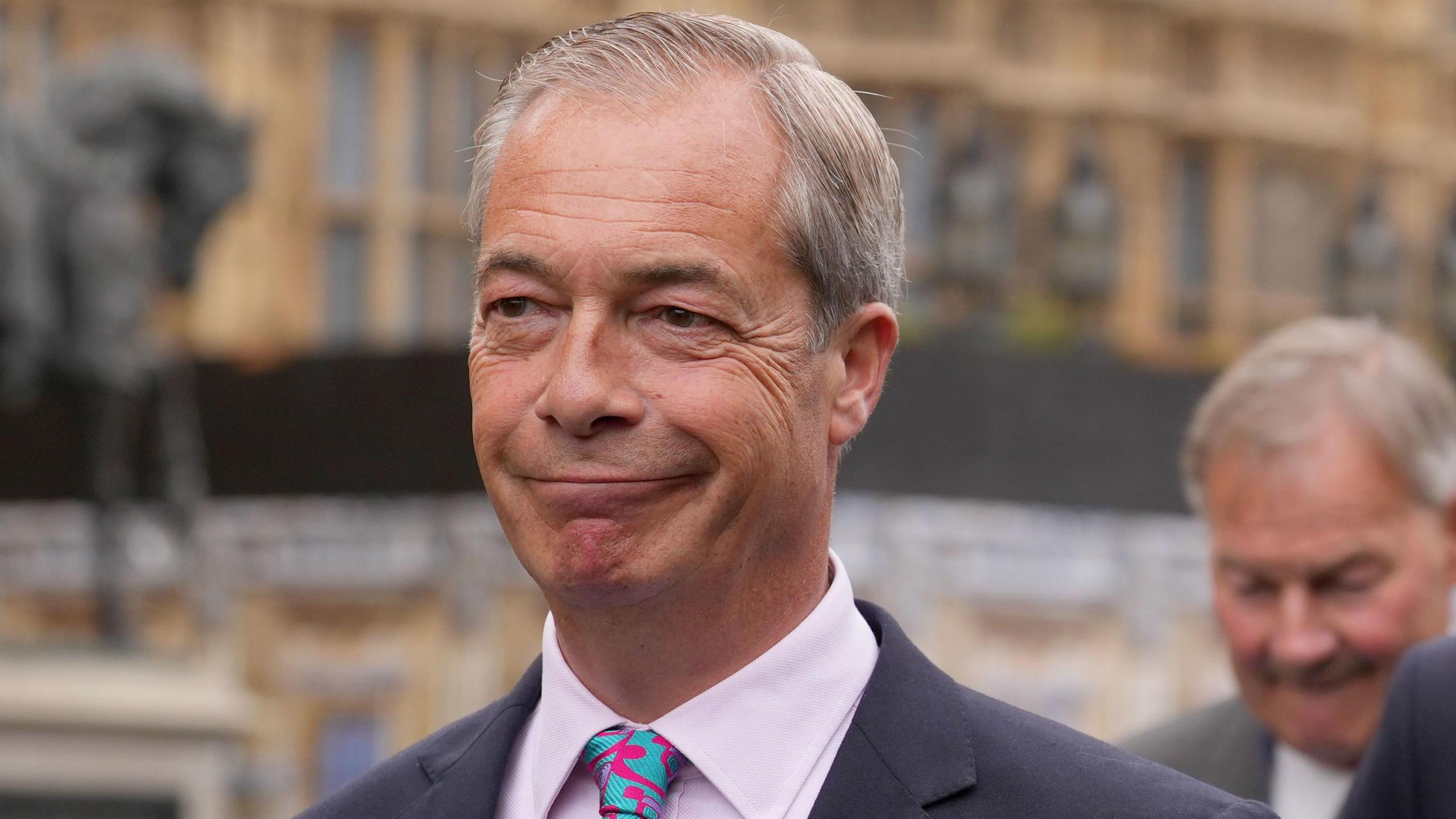
. This disastrous reform could negatively affect high-growth countries such as Reform UK, led by Nigel Farage
In addition, opponents of the government suggest that the measure could indirectly benefit traditional parties such as the Labor Party, which rely less on international donations and new forms of funding. In contrast, emerging forces, which tend to resort to alternative strategies to compete, may be limited in their potential for growth.
Reform UK has managed to position itself strongly in the polls, even surpassing the ruling party in numerous polls, which has generated suspicion among its supporters about the real motivations behind the reforms.
Despite this, the government defends the measures as necessary to protect the integrity of the democratic system. Reed said that closing potential avenues for the entry of illicit money is “essential” to prevent external manipulation
. Such reforms could benefit traditional parties such as the Labour Party, led by Keir Starmer