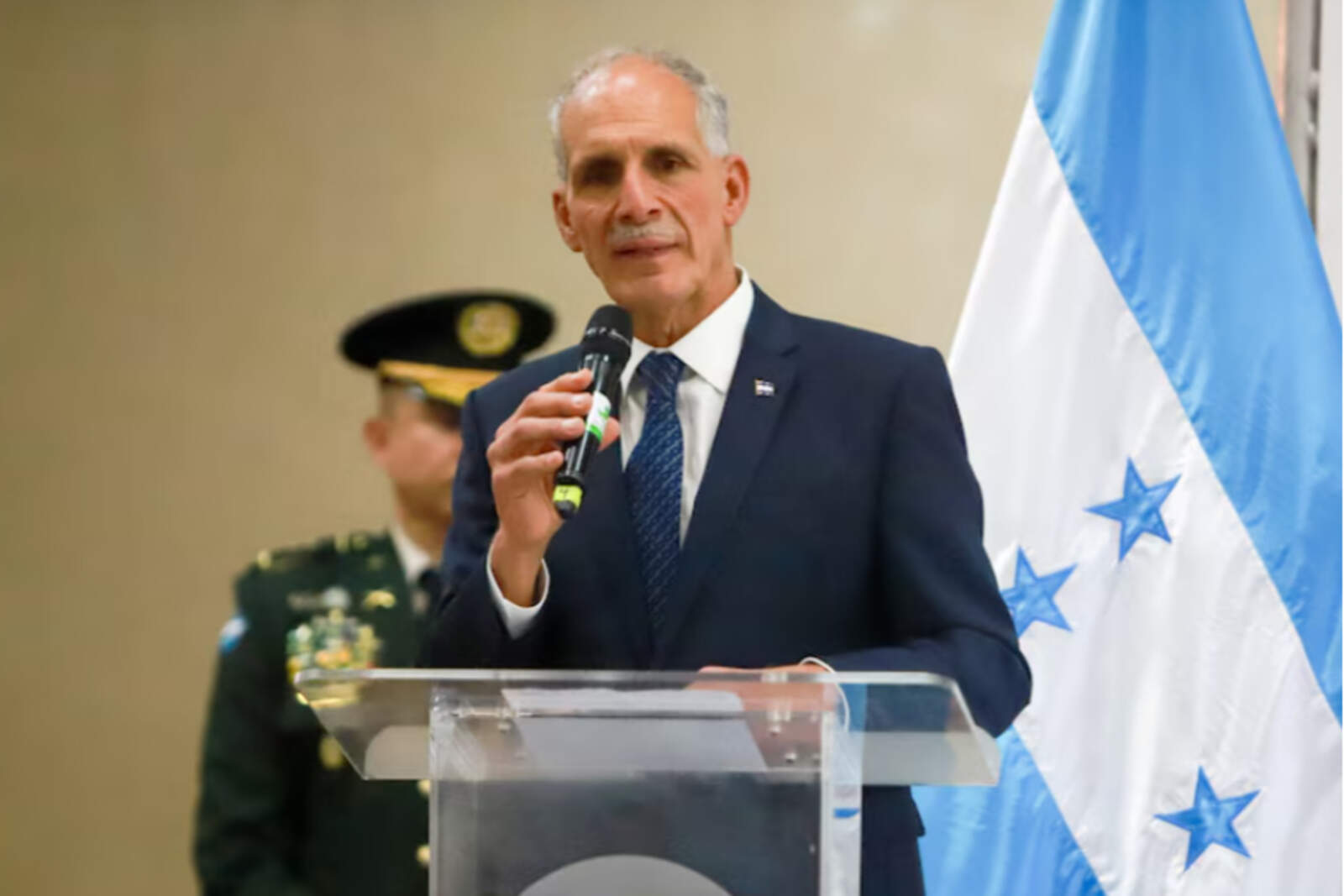

The president-elect of Honduras, Nasry "Tito" Asfura anticipated the first names of his future cabinet and confirmed that his administration will be marked by austerity, the reduction of the State, and a deep administrative reform to confront the fiscal crisis inherited from Xiomara Castro's Castro-Chavista government.
The announcement took place after a symbolic handover ceremony in the Central District, a few days before his formal inauguration, scheduled for Tuesday, January 27 at the National Congress. There, Asfura emphasized that the priority of his administration will be to restore order in public accounts, combat violence, and govern with criteria of efficiency and responsibility.
A political shift after years of fiscal disorder
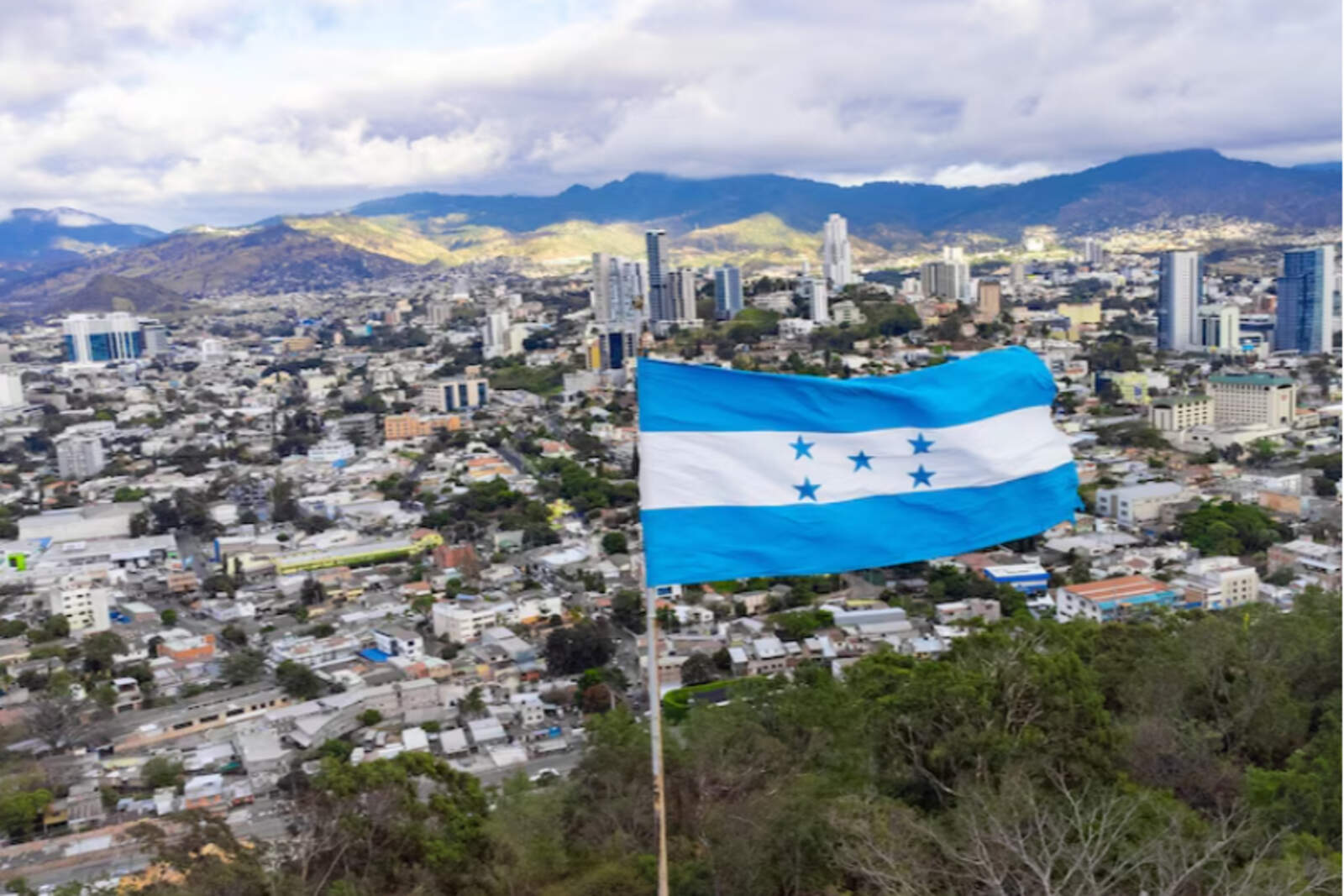
The arrival of Asfura to the presidency marks a change of course in Honduran politics after an extensive electoral process and an outgoing administration characterized, according to the president-elect, by a "deep fiscal hole." The new government will take office in a context of severe budgetary constraints, high social pressure, and an oversized State.
People in his inner circle affirm that the diagnosis is clear: uncontrolled public spending, redundant state structures, and an administration that lost efficiency. Faced with this scenario, Asfura is betting on a pragmatic approach, with reforms aimed at shrinking the State and redirecting resources toward priority areas.
The first names of the cabinet
In statements to national media, Asfura confirmed part of the initial composition of his cabinet. Emilio Hércules will head the Finance Secretariat, Mireya Agüero will assume the post of foreign minister, Luis Castro will occupy the Secretariat of the Presidency, and Juan Carlos García will be minister of the Presidency.
The president-elect anticipated that the full list of officials will be released this Sunday, with the goal of allowing citizens to know the profiles of the team that will accompany him in this new stage. In matters of security and defense, he avoided revealing names, although he made it clear that these areas will be central pillars of his mandate.