A black fungus found in Chernobyl showed growth with radiation and could serve as a shield for space missions
Compartir:
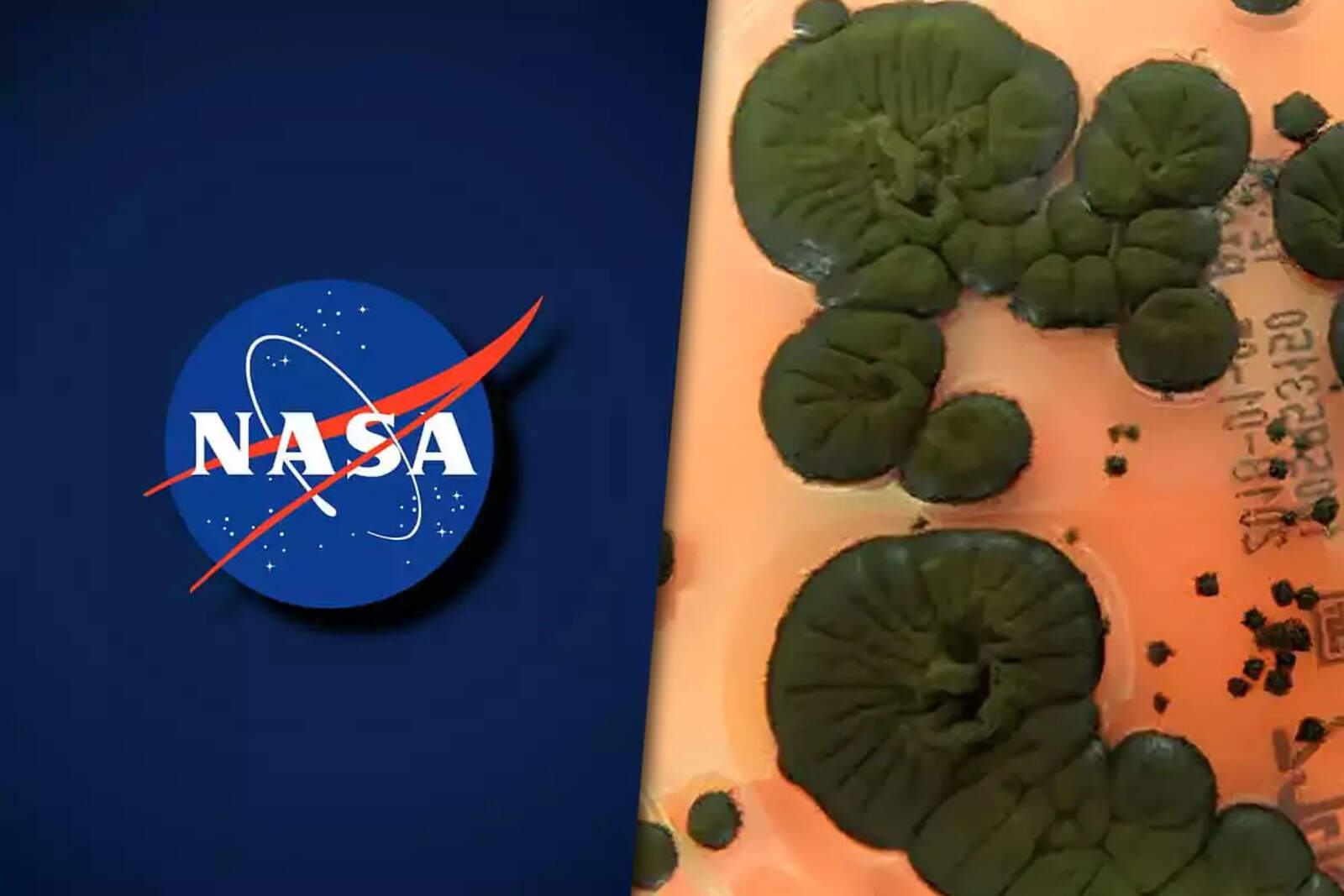
A recent experiment on the International Space Station has once again brought attention to the peculiar black fungi from Chernobyl, organisms capable of growing and thriving in environments with extreme radiation.
Specialists are now exploring their possible use as a biological barrier to protect astronauts during prolonged missions, a central challenge for space exploration. The discovery opens an unexpected path: harnessing an organism born from the most severe nuclear disaster in modern history.
Los peculiares hongos negros de Chernóbil
The Chernobyl disaster and the emergence of a unique ecosystem
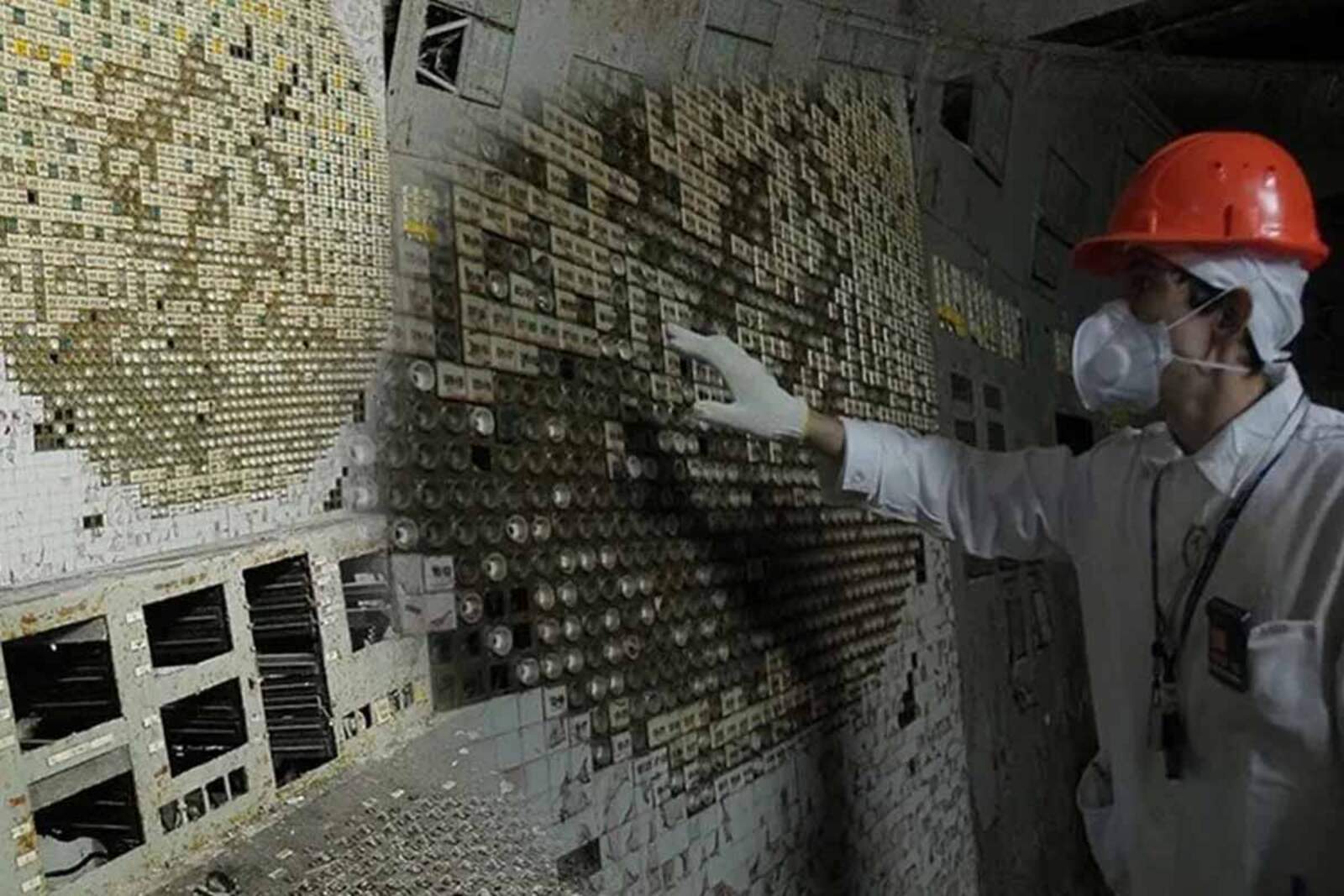
Since 1986, the exclusion zone has remained uninhabitable for humans, but nature has found a way to adapt. Amid mutations, residual radiation, and decades without human presence, a wild ecosystem has emerged where plants, animals, and microorganisms have managed to survive.
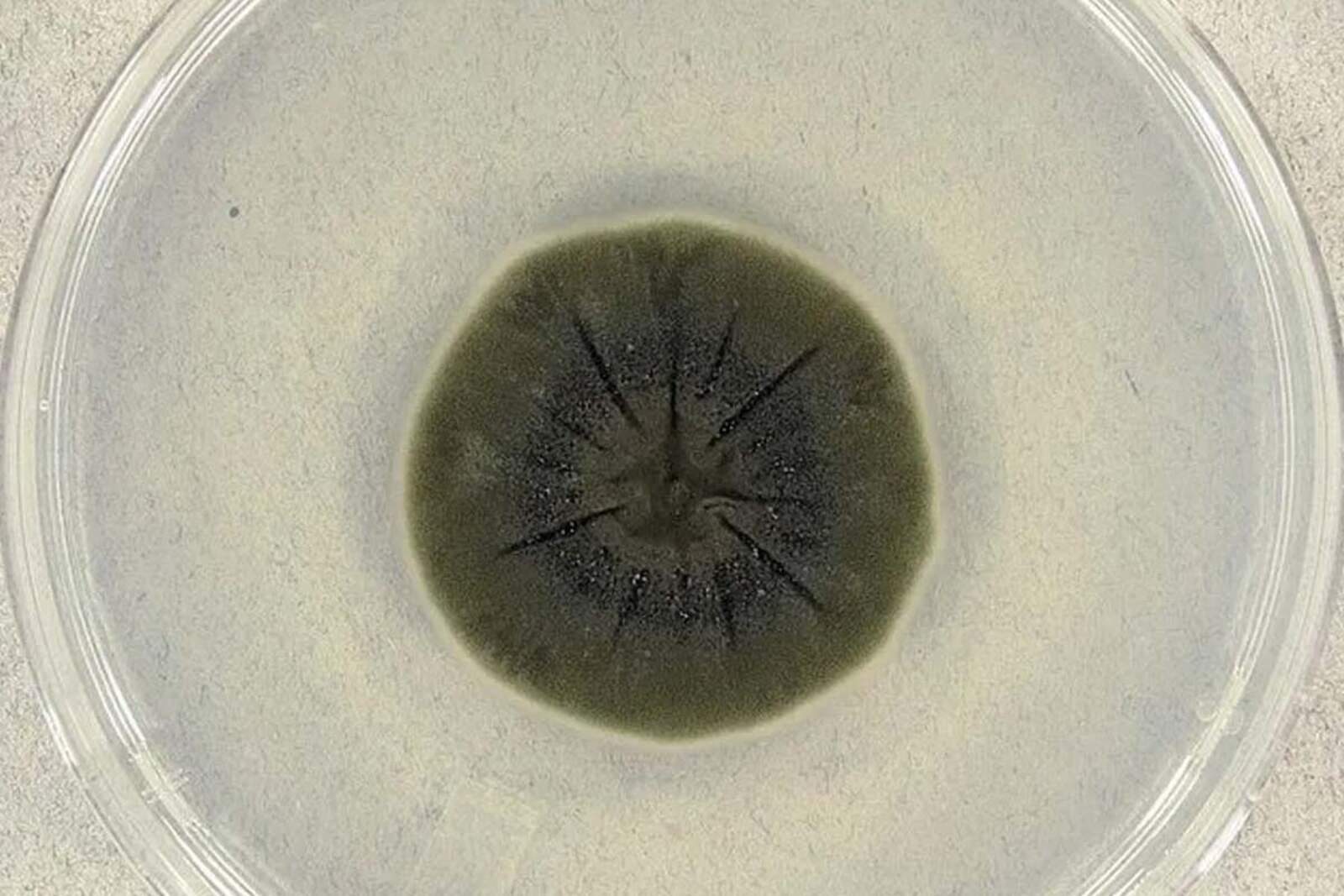
Within that environment, researchers detected black fungi that not only tolerated high levels of radiation but also seemed attracted to it. In 1997, Ukrainian mycologist Nelli Zhdanova identified melanized mold growing in highly radioactive ruins.
Melanin, the secret behind their resistance
Ionizing radiation usually destroys cells and DNA, but these fungi seem to use it as an energy source. The pigment melanin, also present in humans, would be the key for them to absorb radiation and transform it into metabolic energy.
El desastre de Chernóbil y la aparición de un ecosistema único
A 2007 study revealed that certain melanized fungi grew up to 10% faster when exposed to radioactive cesium, a process called radiosynthesis. However, not all species showed the same behavior.
The experiment on the International Space Station
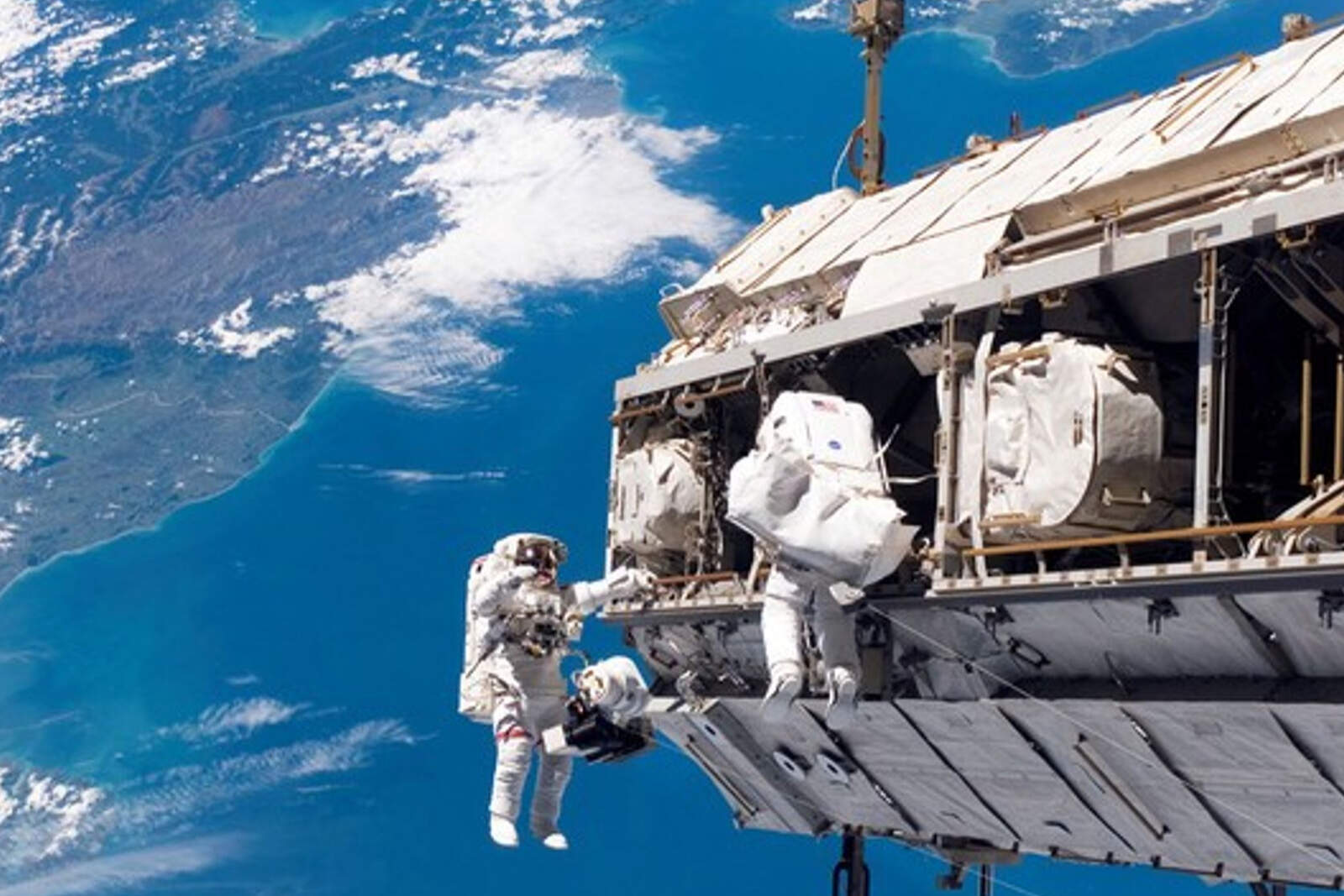
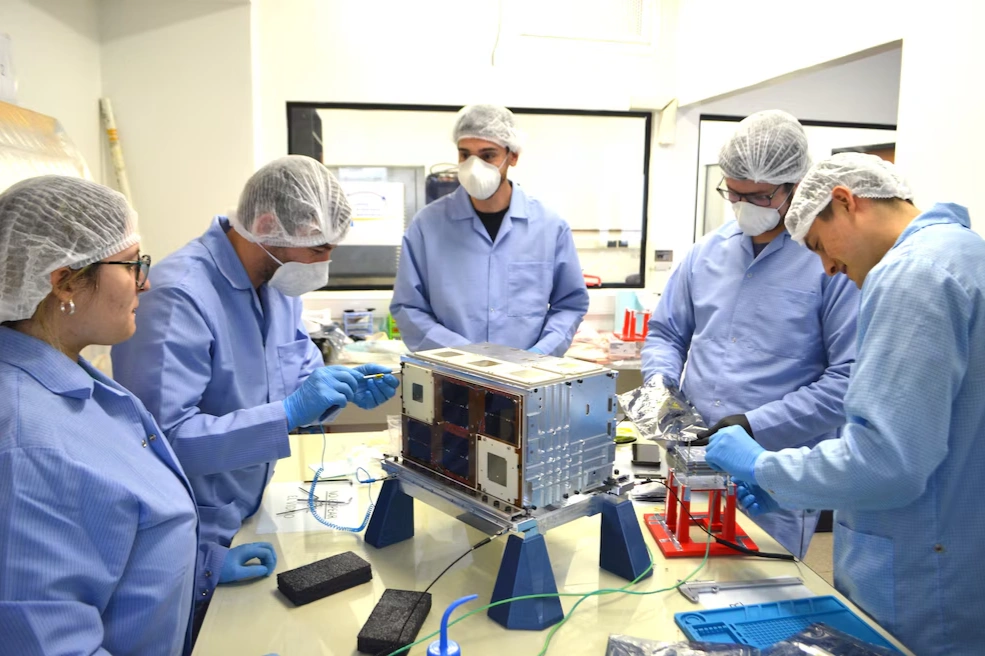
To deepen the research, samples of Cladosporium sphaerospermum, the same strain from Chernobyl, were sent into space. There, under intense cosmic radiation, the fungus grew 1.21 times faster than terrestrial samples.
Estación Espacial Internacional
The experiment allowed observation of another key property: as it grew, the fungus also blocked part of the radiation. This dual function has opened a door that NASA is analyzing with interest.
A lightweight and inexpensive alternative to protect spacecraft
Traditional shielding against space radiation usually requires heavy metals, which are expensive and difficult to transport. In contrast, a biological system based on fungi could be lighter, regenerative, and more efficient.
Scientists maintain that the protection is not only due to melanin but also to other components such as the water present in their structure. For this reason, research is already underway on how to integrate them into future spacecraft designs.
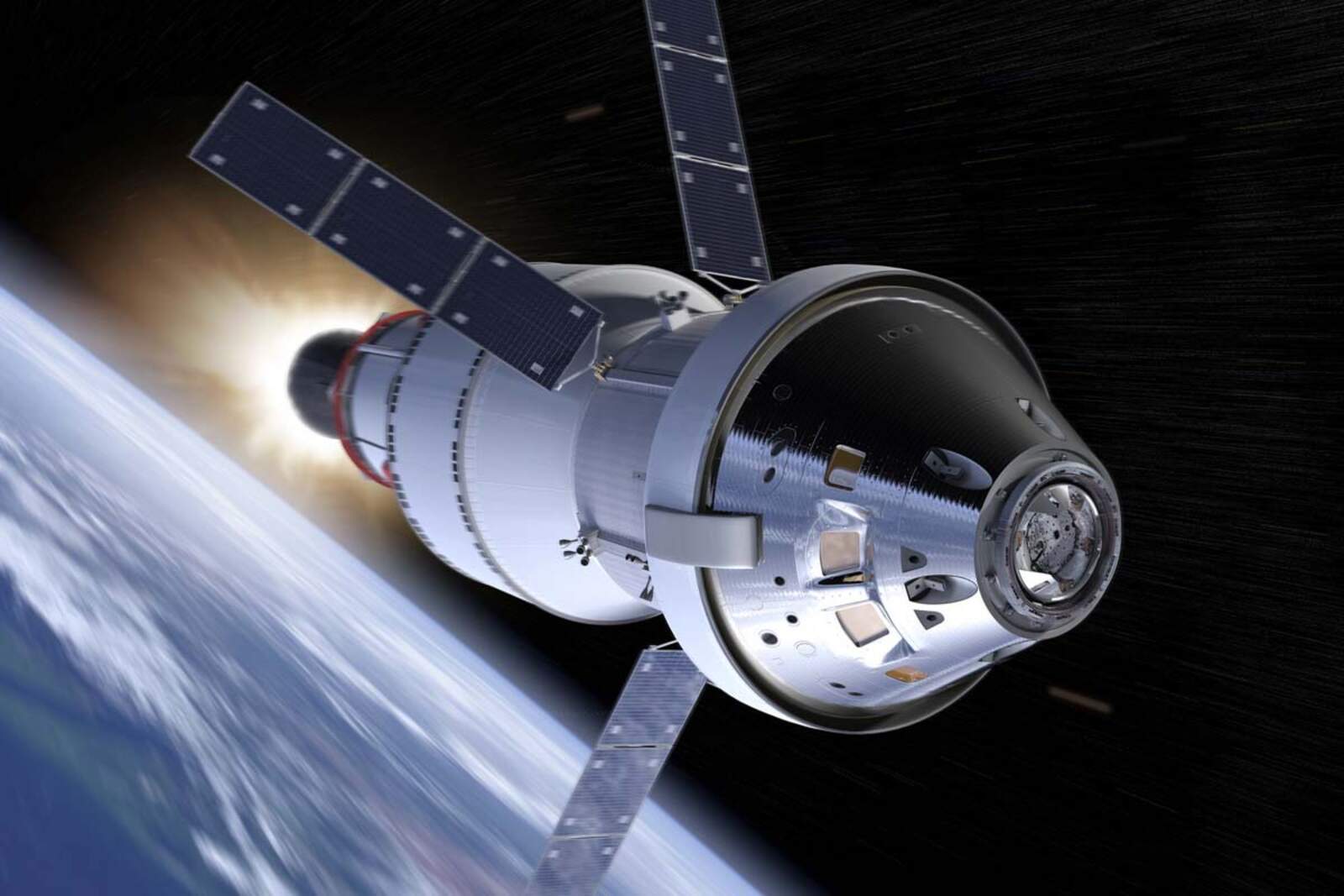
Los nombres se guardarán en una memoria USB dentro de la nave Orion
The challenge of radiation in deep space
Galactic cosmic radiation is one of the greatest risks for astronauts traveling beyond Earth's orbit. Storms of particles from exploding stars can penetrate conventional shielding.
If these fungi can be used as a biological shield, they could become a key tool for missions to Mars or prolonged journeys, where exposure to radiation is constant.