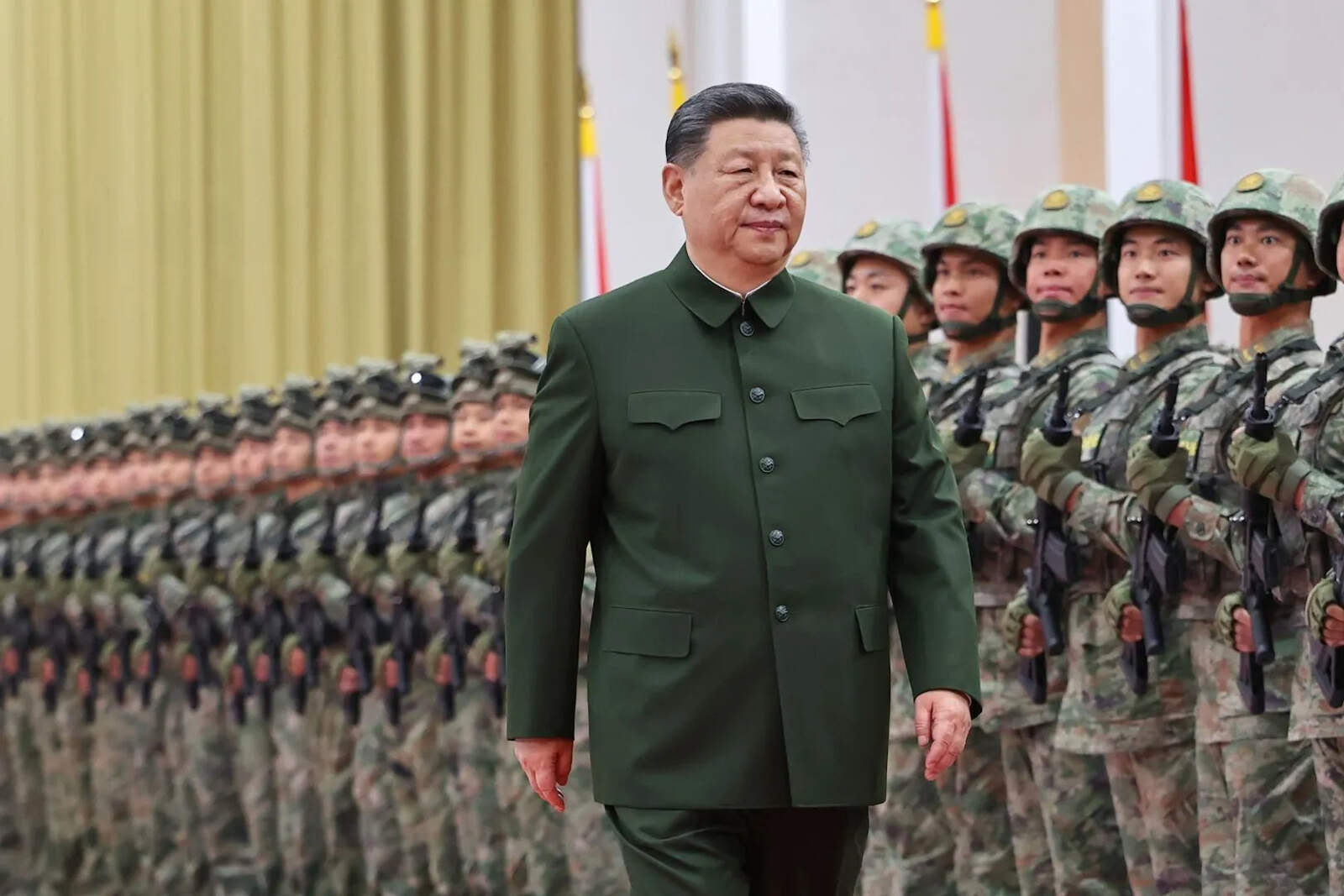
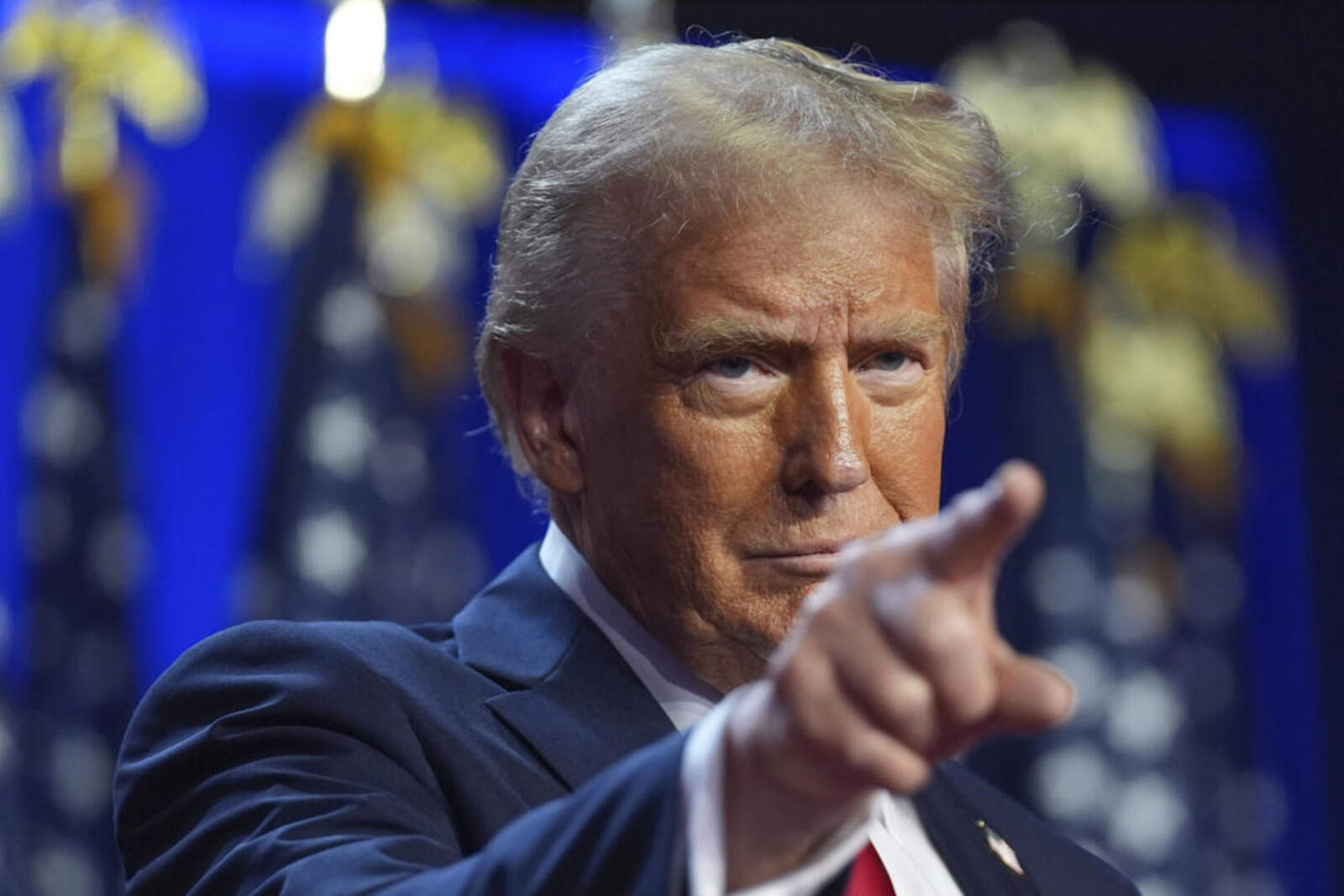
In this context, Trump stated that China should not be spending between 500 and 600 billion dollars on its military and emphasized that the additional tariffs were a way to pressure the Asian country.
Trump criticó la aplicación de grandes sumas de dinero en el ejercito chino
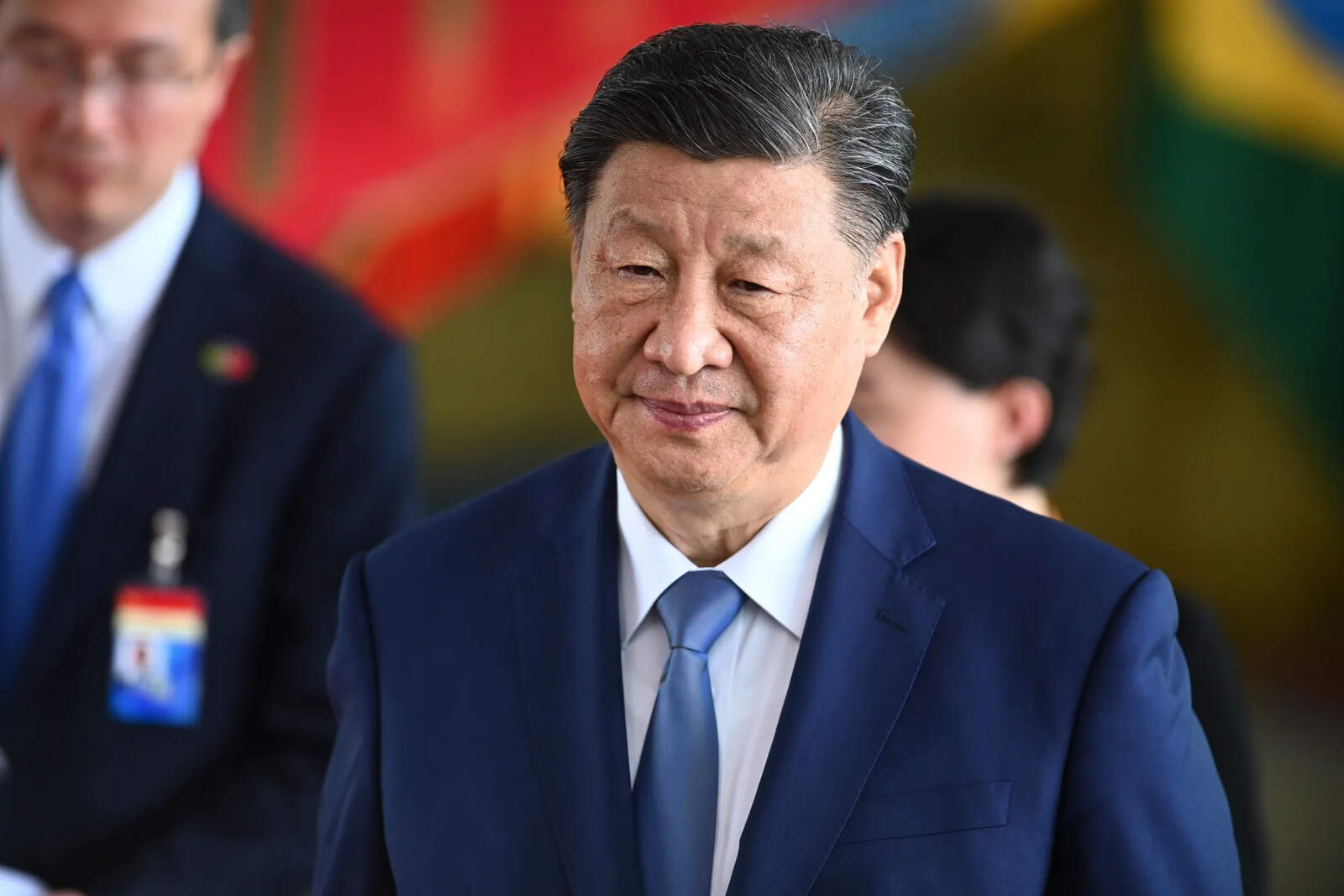
Amid the growing conflict, China made it clear that it would not yield to pressure. Beijing had replied directly to Trump's accusations, insisting that the trade war would only harm both economies and the global economic order.
China also emphasized that pressure and threats would not solve the trade tensions, and reaffirmed that it would continue to defend its "rights."
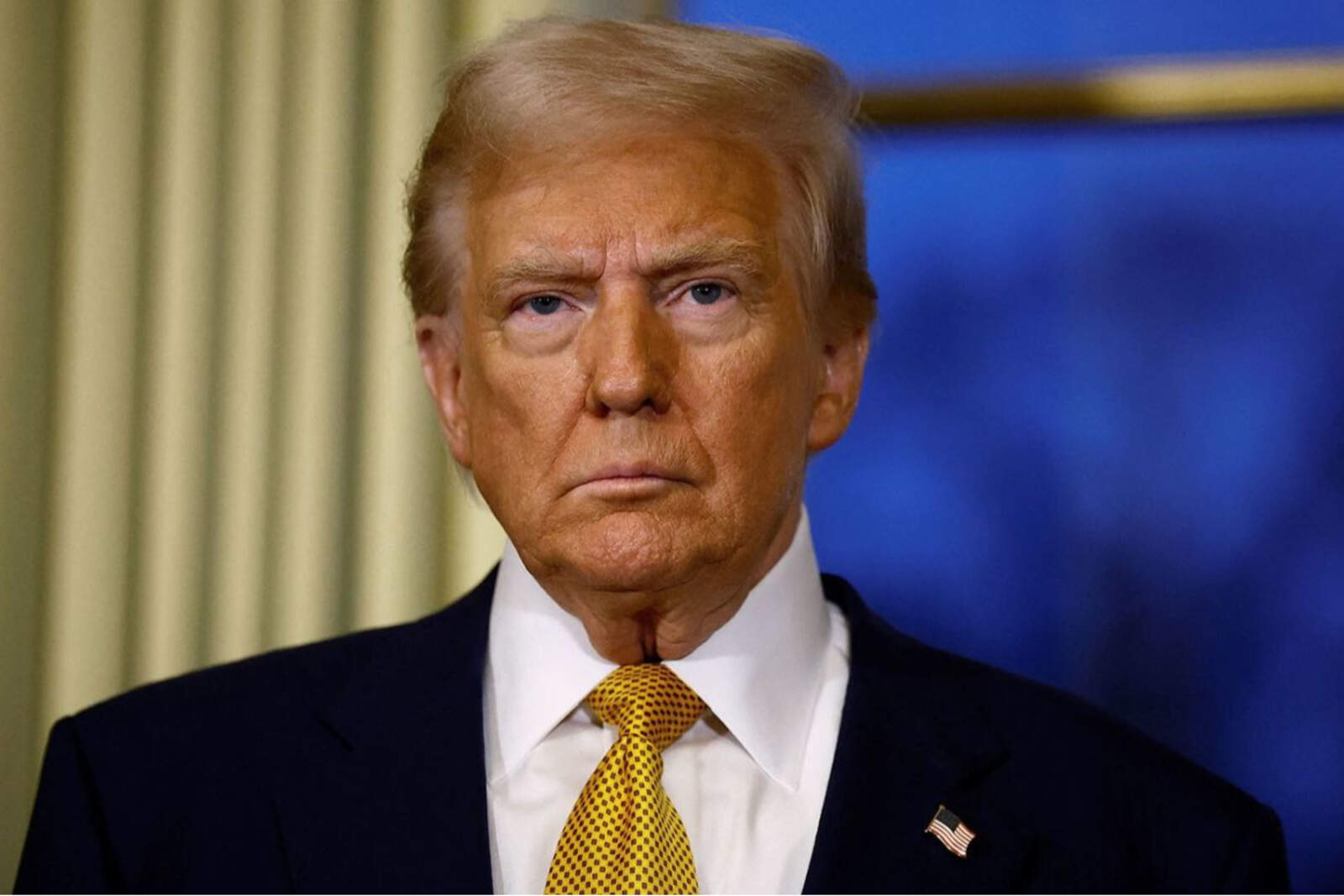
President Trump, meanwhile, indicated that if China did not withdraw the 34% tariffs before Tuesday, the United States would end negotiations with the Asian giant.
Trump also made it clear that he was willing to move forward with trade negotiations with other countries, but that there would be no further talks with China unless Beijing accepted his conditions.
Trump señaló que si Beijing no cesa las hostilidades comerciales, terminaría las negociaciones con el gigante asiático
In response to Trump's measures, the European Union also began to consider its own countermeasures, including an increase in tariffs on American products.
The French Minister of Trade, Laurent Saint-Martin, suggested that the EU should "open its toolbox" to respond aggressively, while Irelandshowed resistance to an approach that could affect its tech companies, which heavily depend on trade relations with the United States.
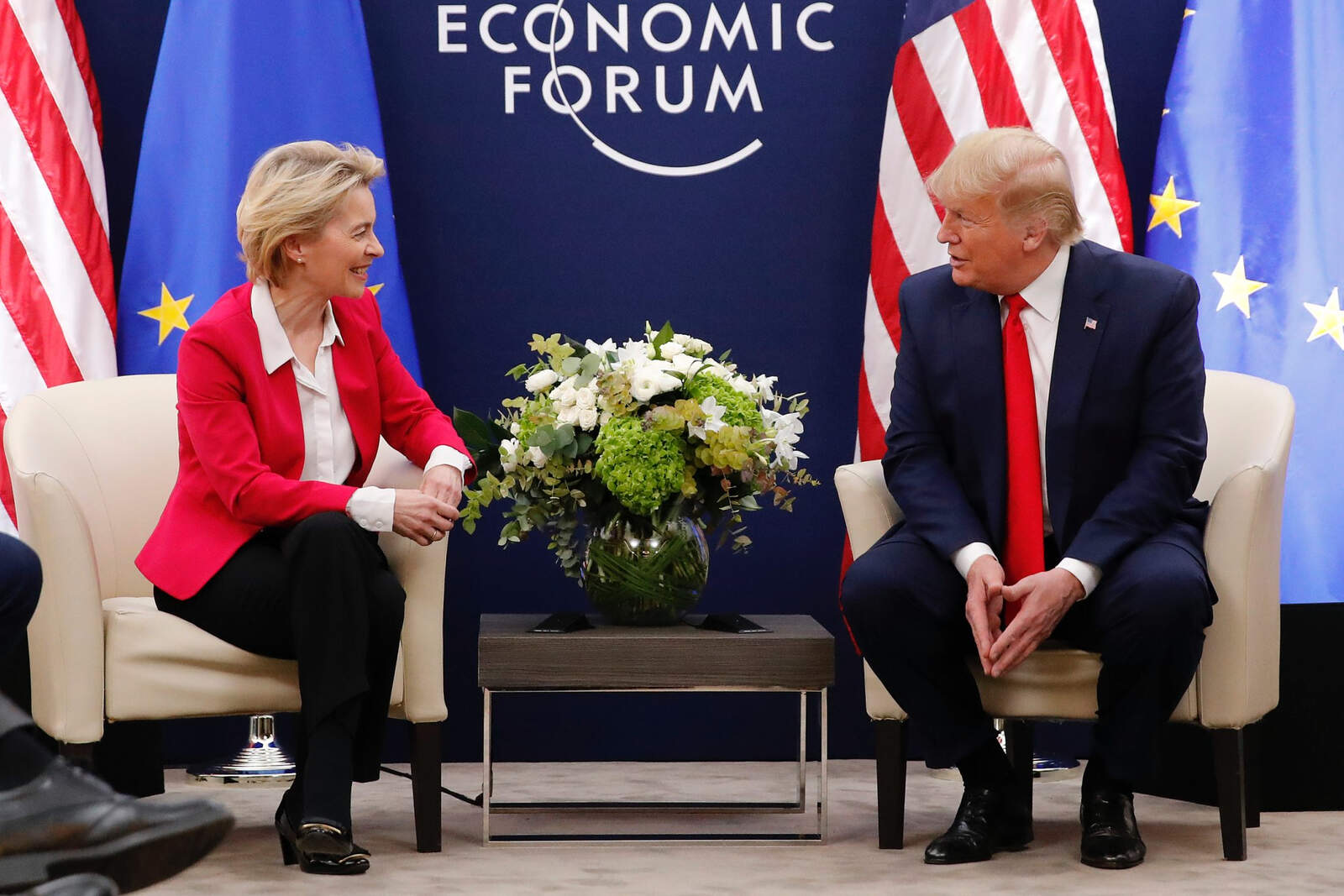
Despite the resistance shown by Europeans against the American tariff policy, the European Union showed willingness to eliminate trade barriers in different tariff positions.
La presidente de la Comisión Europea propuso aranceles cero en productos industriales
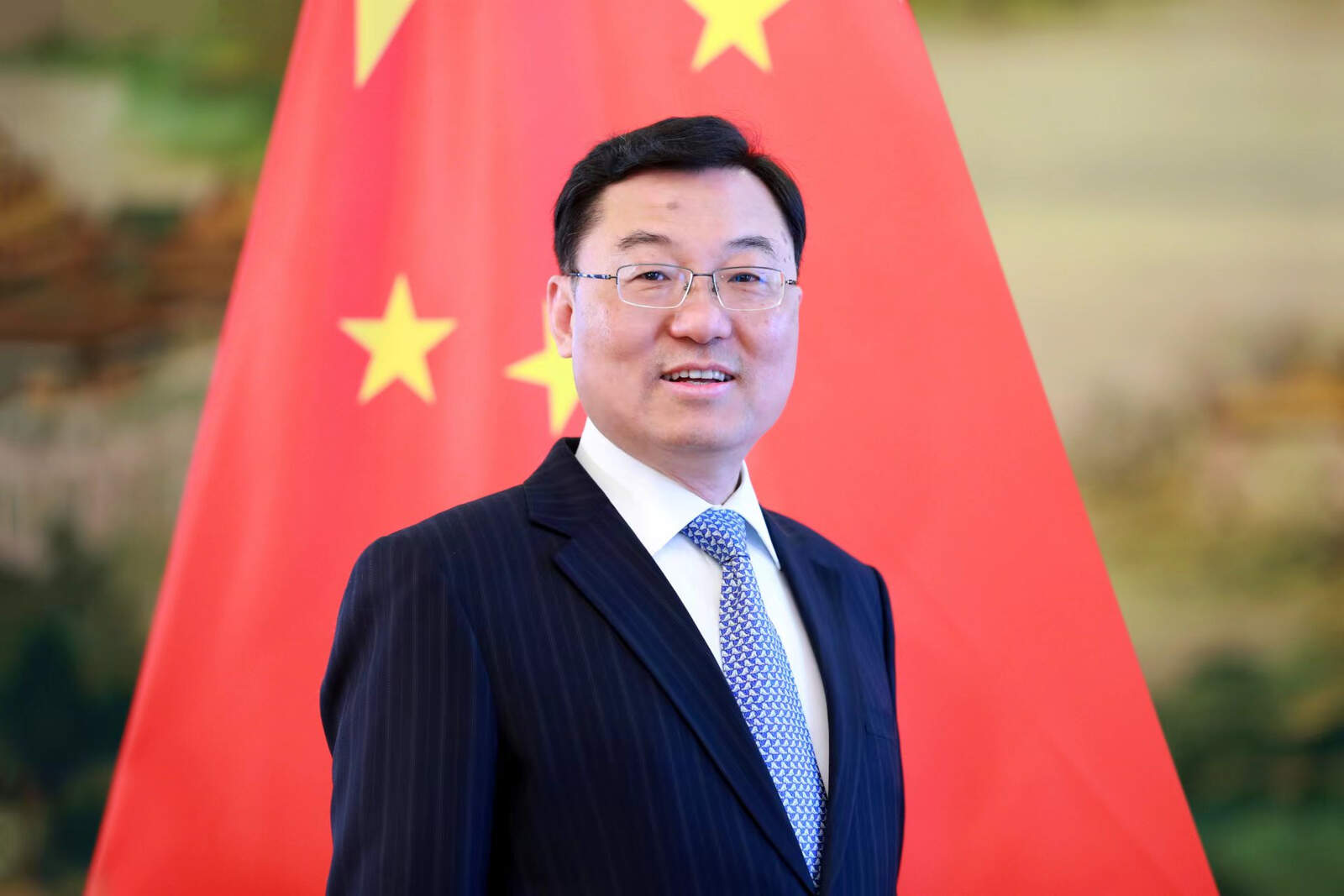
This afternoon, China replied pedantically to the warnings from the President of the United States, Donald Trump, about imposing additional tariffs of 50% on Chinese products if Beijing did not withdraw the countermeasures it had planned.
Liu Pengyu, spokesperson for the Chinese embassy in the United States, stated that "pressuring or threatening China is not the right way to interact with us," and added that China would resolutely defend its "legitimate rights and interests."
Trump's warnings came after China announced an increase in tariffs on American products, reaching 34% starting Thursday. This was a response to the 10% tariffs imposed by the United States globally, which began to apply on Saturday.
El portavoz de la embajada china en Washington criticó al presidente Trump
Trump had urged China not to respond, but with Beijing not yielding, the American president intensified the measures, indicating that if China did not back down, the additional tariffs would apply starting Friday, bringing the total tariffs on Chinese products to 104%.
Wall Street suffered a significant drop, and the Hong Kong market experienced its worst fall in nearly three decades, with a 13.2% decline. Tokyo and Frankfurt also recorded considerable losses, and there were fears that the escalation of the trade war could push the global economy into a recession.
However, by midday Monday, the main trading indices in the United States, like much of the stocks and bonds, saw significant rebounds in their activity.
Despite the criticism received, Trump remained firm in his stance and by the end of the day, the drop in the United States was less than predicted. During a meeting with the Israeli Prime Minister, Benjamin Netanyahu, Trump reiterated that he was not considering a pause in the implementation of the tariffs and ruled out any dialogue with China on the matter.
El presidente Trump se mantuvo firme y logró que la caída de la bolsa sea menor a lo esperado
Trump, who has rightly justified his tariff policy as a way to revitalize the United States' manufacturing base, expressed that the measure would lead foreign companies to move their factories to the United States, instead of producing abroad.
Meanwhile, Trump also expressed concern about China's military spending, stating that he did not want Beijing to allocate large sums of money to its military, while maintaining a trade surplus with the United States.