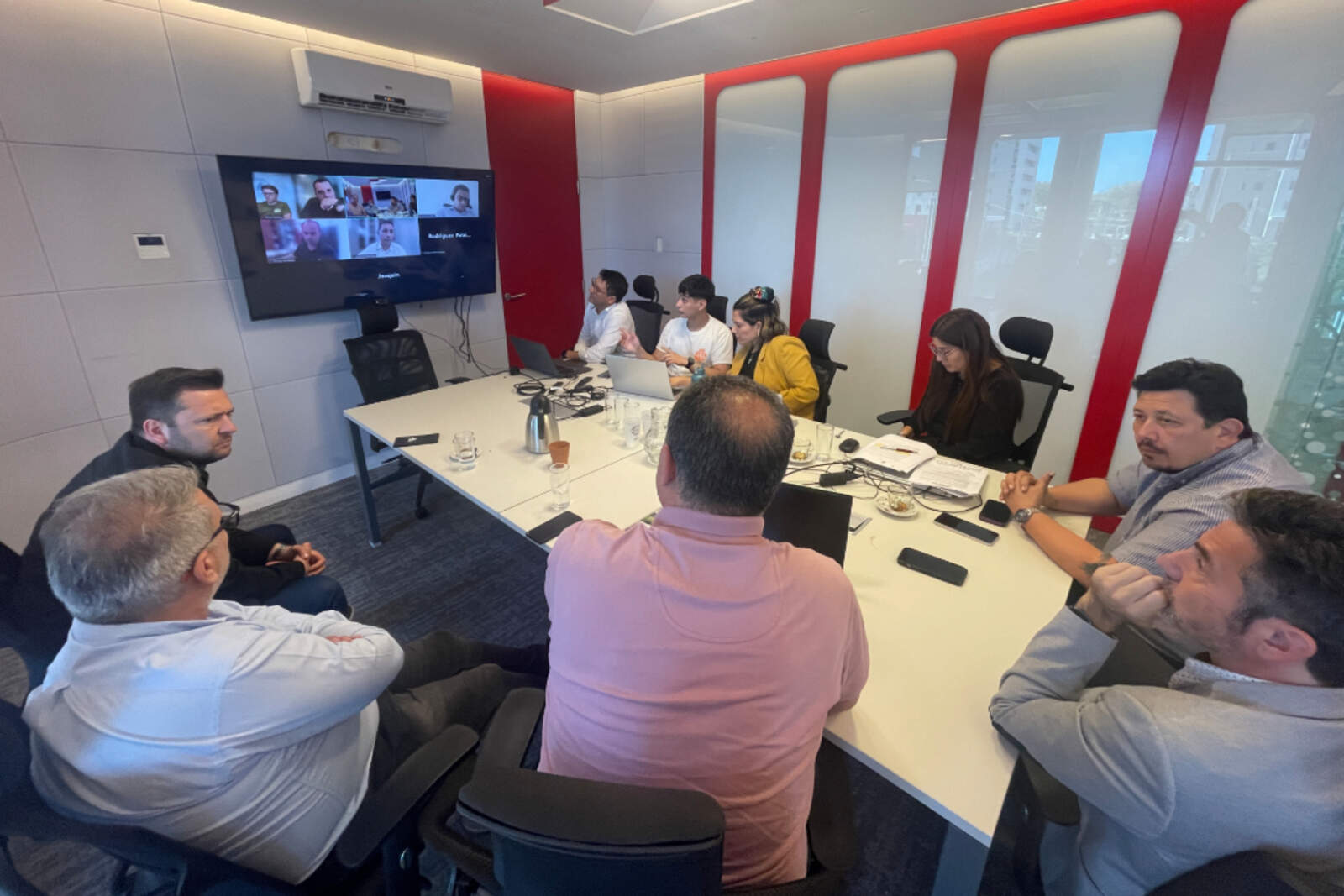
The Municipality of Córdoba announced that it is making progress in regulating the ordinance for transportation apps after conducting technical tests with platforms. Uber, Didi, Cabify, and local apps conducted load tests to assess the digital registration that will require documents from companies, vehicles, and drivers. The system, integrated with the Digital Window, will allow for registrations, attaching policies and background checks, and will facilitate the authorization of the service.
Drivers will be required to have a D1 license, insurance or ART, and background certificates along with proof of not being listed in special registries. Vehicles must present license plate, photos, policy, title of ownership, and a valid ITV to prove their technical suitability and allow for traceability. Companies must provide proof of fiscal and municipal registration, articles of incorporation, minutes of authorities, and the insurance policy required by the ordinance.
Units could display a visible QR code that allows users to instantly verify if the unit is authorized by the municipality. Progress accelerated after the Supreme Court of Justice ruling that, in April, declared the prohibitive ordinances invalid and called for appropriate regulations. The Council passed the ordinance on August 14 and opened a six-month period without penalties for drivers and companies to register in the system.
Concejo Deliberante de Córdoba sancionó la ordenanza hace mas de dos meses
Technical tests and criteria that will leave the Executive with no excuses
Legal Counsel and the Mobility and Government departments reviewed the regulations and adjusted rules so the platform can operate with legal certainty. Companies and taxi registries accessed a test environment to simulate uploads, detect failures, and submit observations prior to authorization. Municipal sources indicate that platforms will submit final observations and that the procedures for system authorization will be completed.
The technical tests will undermine the union objections that have so far served as an excuse to delay the start of operations. The taxi union sought to block the regulation through injunctions and complaints, as part of a strategy to maintain market control and limit supply. However, delays motivated by corporate pressure will not be tolerated and the regulations will be completed to ensure competition.
Uber, Didi, Cabify y apps locales realizaron pruebas de carga para testear el registro digital
Deadlines, controls, and the response to union injunctions
On August 14, the Council passed the regulation after incorporating modifications that adjusted technical, safety, and oversight requirements for the service. The ordinance established six months without penalties to formalize registrations and required companies, drivers, and unit owners to register. The municipality developed its own platform and will authorize it after observations, with controls to prevent irregularities and ensure traceability.
The Administrative Litigation Chamber declared inadmissible the taxi union's injunction that sought to block the ordinance with a hasty appeal. The court held that the injunction was not appropriate and recommended other judicial avenues, so it rejected the measure requested by the union. Although union pressure persists in the streets and the media, the ordinance and the platform limit the possibilities of administrative or union blockage.