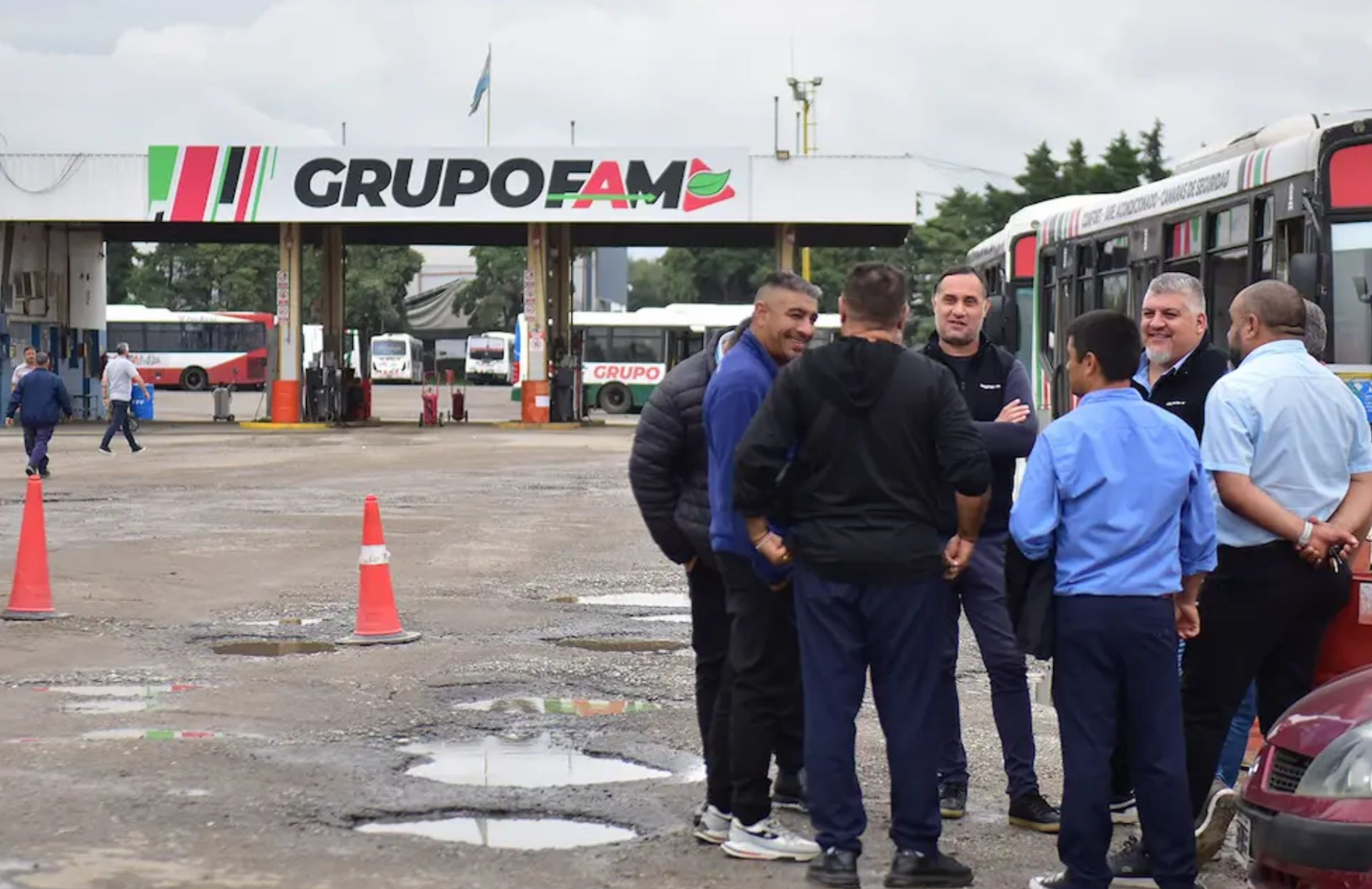
The terminal urban transport crisisin Córdoba is the direct consequence of municipal management that improvises on the fly. The abrupt departure of the FAM Group exposed the fragility of a scheme supported by precarious agreements. The 6th of July Palace, far from offering structural solutions, is now trying to cover up the pothole with last-minute negotiations with firms such as SolBus
and Movix. After the termination of the contract with Grupo FAM, SolBus and Movix are evaluated to meet the demand of corridor 7
The Secretary of Government, Rodrigo Fernández, confirmed negotiations with the SolBus company to take over corridor 7 before March 31. The urgency to close agreements with operators in San Luis and Calamuchita shows that the municipality does not have the capacity to respond to basic contingencies. The incorporation of used units, originally destined for other provinces, is the new slap of drowning to avoid the total collapse of the service. Meanwhile, the taxpayer from Córdoba is financing an operational transition fraught with uncertainty and lack of transparency.
The disastrous administration of corridors 2 and 5 requires the development of hybrid schemes that recharge the already demanded companies Coniferal and SíBus. The Executive plans to use collectives from the state company Tamsau to make up for the lack of private investment that its own “patching” policy scared away. This emergency engineering is the result of years of irregularities where everything is tied with wires under the eyes of the intendency. The lack of legal certainty for serious investors has turned transport into political loot of very low quality
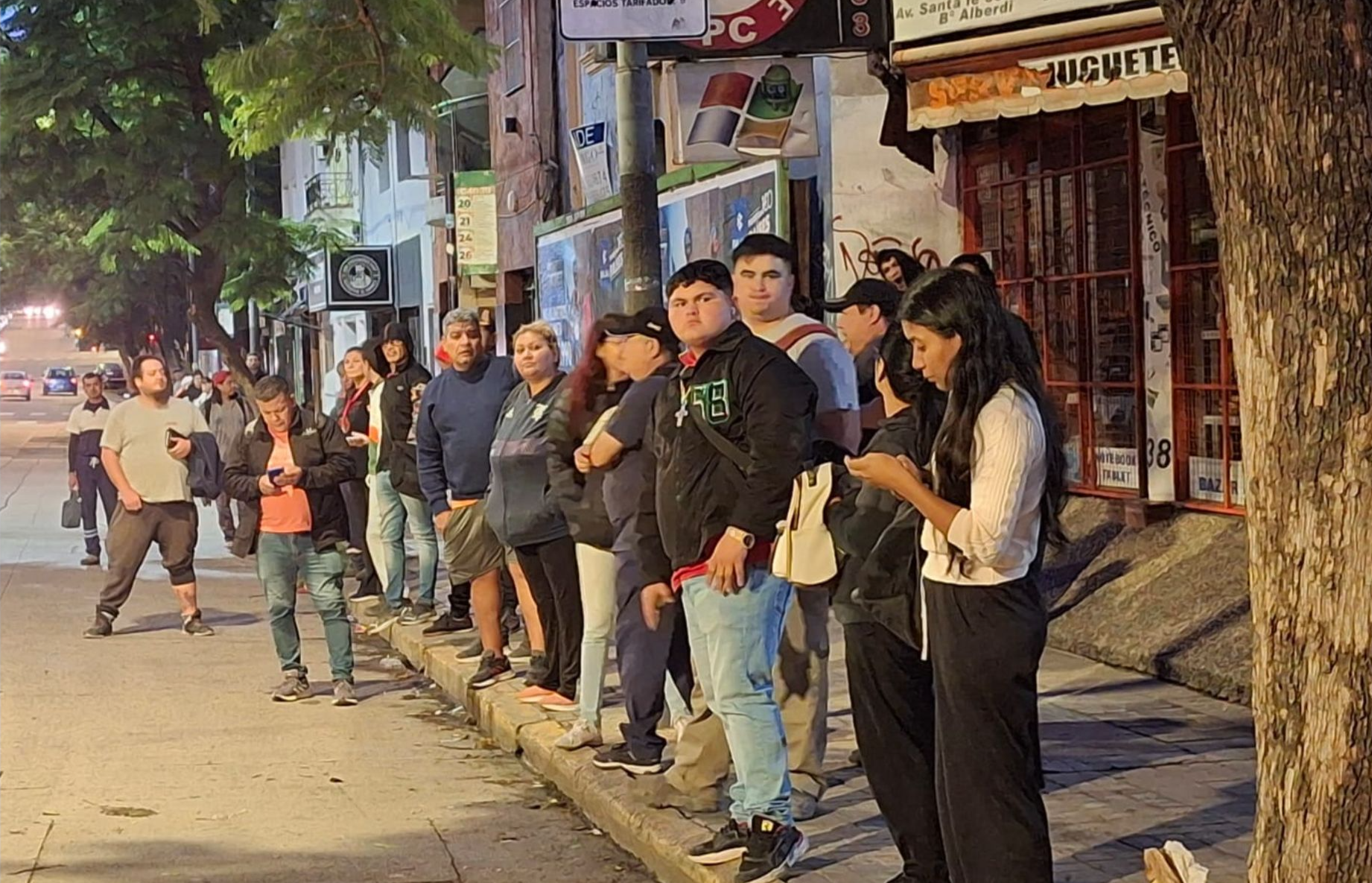
. The people of Córdoba report high waiting times and overcrowded units that are not enough to meet user demand.
Fleet flexibility: Lower quality to hide municipal failure As a sign of the
prevailing improvisation, the municipality decided to relax the seniority requirements for the groups in circulation. Older units will be allowed to expand the seating offer, sacrificing user safety and comfort to hide the fleet shortage. This exceptional measure is the price of management that reacts late and badly to the retirement of borrowers that the state itself authorized. The fall in technical standards is the official confession that the transportation system is broken under current management.
The recovery of ticket validation machines, still in the hands of the outgoing company, is another chapter of municipal inefficiency. The technical system is paralyzed, forcing temporary freedom to be granted on several lines, which represents a million-dollar drain of public funds. The municipal treasury absorbs the losses of a crisis caused by the lack of control and the laziness of the officials on duty.
Córdoba continues to pay the cost of a transportation policy that prioritizes media advertising over minimum operational efficiency.After multiple irregularities, the Municipality of Córdoba finally revoked Grupo FAM's contract
Serious transport design requires long-term contracts, profitability for the private sector and relentless oversight that today is conspicuous by its absence. Passerini's permanent improvisation has turned urban mobility into a source of constant conflict affecting the city's productivity. The failure of the FAM Group is only the symptom of a major illness: a municipal state that spends poorly and manages