Despite the opposition accusing the Government of wanting to "hand over the homeland," the project specifically established a prohibition for foreign states to acquire rural land in the country
The pressure from the opposition forced the La Libertad Avanza bloc in the upper house to drop the chapter related to the reform of the Land Law that was part of the Law of Inviolability of Private Property project.
The fact hidden by the narrative of the left and Kirchnerism is compelling: the current land law allows foreign states and companies to buy rural land, while Javier Milei's reform strictly prohibited it.
The current Land Law No. 26,737, regulated by Kirchnerism in March 2012, was built under a false pretext of national protection, but in its fine print explicitly authorizes that "a foreign state, or a company with foreign state participation, can buy land with limits". In other words, the law that currently governs allows foreign powers to acquire territorial sovereignty over Argentine soil.
The initiative, which sought to relax the current restrictive regime and create competitive conditions to attract capital, was sabotaged after the desertion of legislators and the explicit rejection of governors such as Osvaldo Jaldo from Tucumán and Rolando Figueroa from Neuquén, along with the obstruction led by Kirchnerist senator José Mayans.
The reform buried by the opposition was precisely aimed at turning this situation around to truly defend the homeland. The central objective of the ruling party was to prohibit the purchase by foreign states, exclusively opening the doors to transparent private investment —whether from independent Argentines or foreigners— and guaranteeing the obligation to register all operations with the nationality of the purchasers.
The persistence of the current regulatory framework has been devastating for Argentine producers, who own 95% of the rural land in the country.
Due to the obstacles and the real estate clamp imposed by the Kirchnerist regulation of 2012, the value of the fields fell by 50%. This forced thousands of families, small farmers, and small businesses to sell their fields at discounted prices in situations of need, destroying the savings of generations.
The clamp on land did not stop foreignization, but rather directed it towards clientelism and corruption: the only beneficiaries of the brutal drop in prices were the friends of the feudal power.
Under the cover of this supposedly "sovereign" law, figures like the frontman Lázaro Báez managed to amass the scandalous figure of 415,000 hectares in Patagonia bought at discounted prices, while millionaire union leaders acquired estates in the province of Buenos Aires with funds of unexplained origin.
The farce of the opposition's protectionist discourse is exposed when reviewing the agreement promoted under the presidency of Cristina Fernández de Kirchner for the installation of the CLTC-CONAE-NEUQUÉN Deep Space Station in Patagonia.
Under the law defended by the Kirchnerist senators, the former president ceded a plot of 200 hectares in the area of Quintuco, in the locality of Bajada del Agrio, province of Neuquén, under a lease agreement for a duration of 50 years.
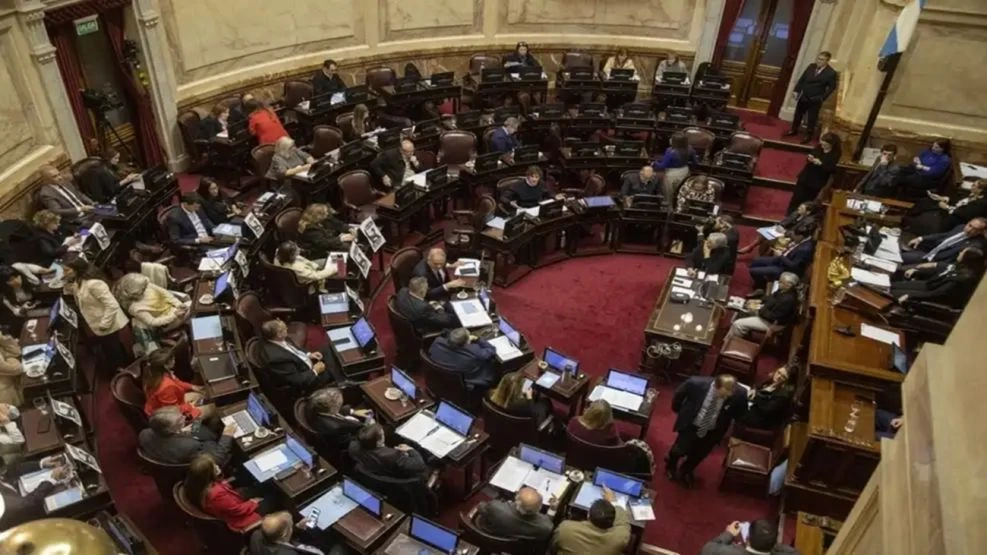
National Senate
The counterpart of the concession is the state agency CLTC (China Satellite Launch and Tracking Control General), an entity that reports directly to the Strategic Support Force of the People's Liberation Army of China.
This controversial agreement —ratified by Congress through Law No. 27,123 in March 2015— granted foreign military a total exemption from tax burdens, taxes, and customs duties (including VAT) in their operations, also ensuring them absolute operational autonomy so that Argentina does not interfere in their activities.
As a counter-performance, the national commission CONAE barely obtained the right to use a meager 10% of the operational time of the satellite antenna per year.
While the current law endorses the delivery of sovereign territory exempt from taxes to a foreign army for half a century, the opposition tears its garments blocking a reform that sought, precisely, to prohibit sovereign states from buying Argentine soil.
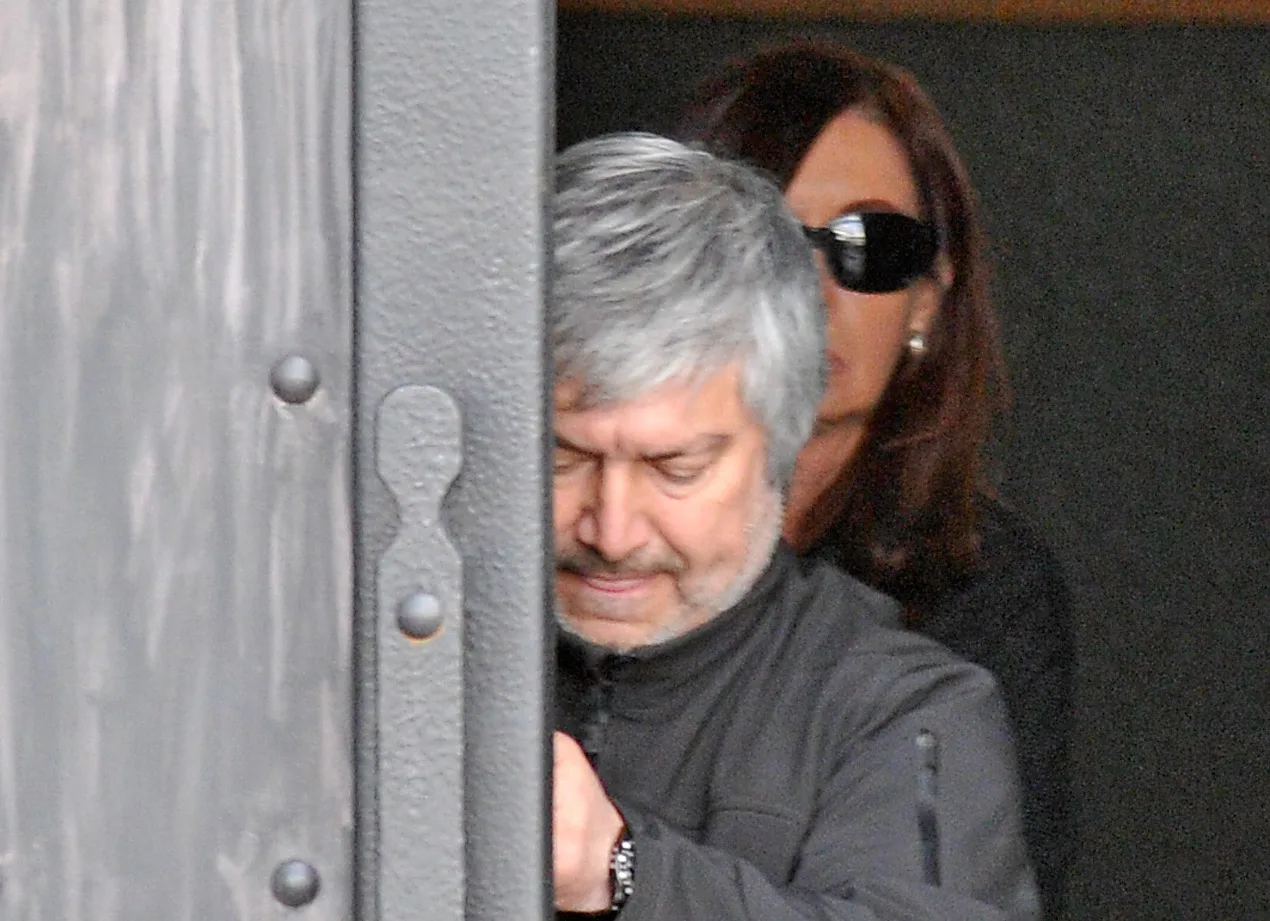
Cristina Kirchner and Lázaro Báez
While legislative demagoguery hinders the development of Argentina, other countries apply common sense and economic freedom to prosper. The model of Australia allows the purchase of land by foreign capital under clear administrative records, but without imposing rigid limits on the amount of land in external hands. The result is a predictability that attracts millions of dollars in stable investments.
It is this climate of local hostility and suffocating regulations that pushes national producers to flee their capital abroad. A striking example is that of the Buratovich, an Argentine-origin business group with over a century of history. Faced with the lack of opportunities in their own homeland, the firm had to expand internationally and recently made a colossal investment of 44 million dollars in Australia. There, the family already owns 750,000 hectares in the Northern Territory —an area equivalent to the entire province of Tucumán— consolidating their presence with the recent purchase of the livestock station Aroona for 147,000 hectares and 15,000 heads of cattle.