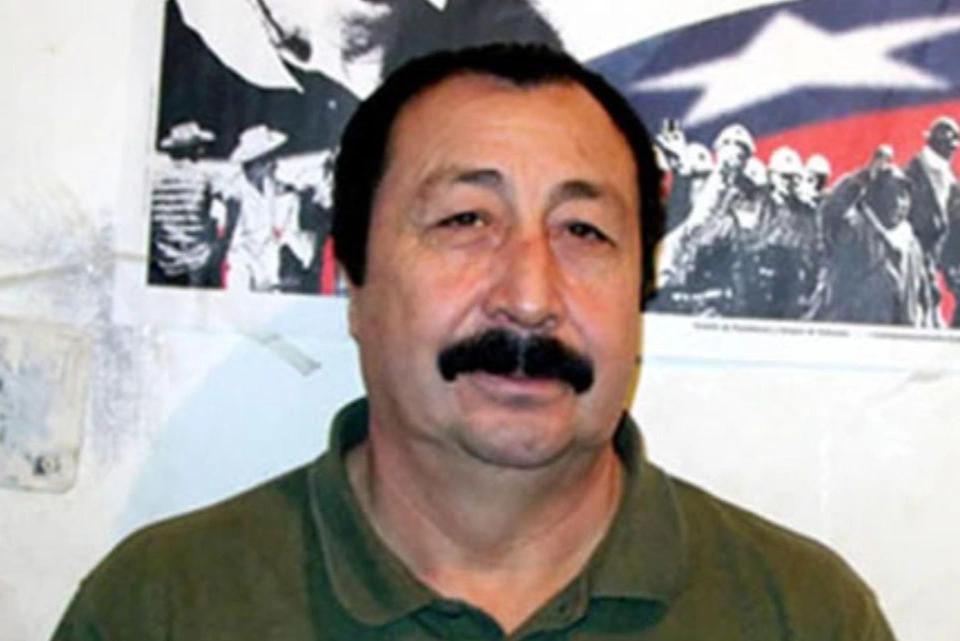

The National Security Minister, Alejandra Monteoliva, confirmed that Diego Valenzuela will be the first director of the brand-new Migratory Security Agency, a new body that will mark a structural change in Argentine migratory policy, aligned with the national security strategy promoted by President Javier Milei.
During an interview on Radio Mitre, the official explained that the central objective is to reinforce border controls, integrate migratory policy into the security framework and leave behind an administrative model that, according to the ruling party, favored lax borders and deficient controls.
A new agency within the Security Ministry
Monteoliva detailed that the Migratory Security Agency will be the third agency of the Ministry, together with the Federal Emergency Agency (AFE) and RENAR, which replaced the former ANMAC. “The National Directorate of Migration was incorporated into the Security Ministry just over a month ago. This was something that we had been proposing for a very long time, because migration is part of national security policy”, she stated.
When Eduardo Feinmann asked her about Valenzuela's appointment, the minister clarified that the formal decree is still pending, but she confirmed that the political decision has already been made. “The idea is that he will join the team once the decree is issued. The Migration structure will continue operating, but under a new approach”, she explained.

National security and a paradigm shift
The minister pointed out that security is currently one of society's main concerns and emphasized that official indicators show a decrease in homicides and robberies in the country's 24 jurisdictions. However, she acknowledged the social impact of every violent incident. “A single violent incident moves all of us, beyond the statistical evidence”, she stated.
In that regard, she clearly differentiated the current policy from the Kirchnerist approach: “Our focus is on the victims. We don't have a romantic idea of crime and we don't turn security into an ideological issue”, she emphasized, while rejecting the criticism that accuses her administration of being repressive.
Drug trafficking, borders, and regional cooperation
Monteoliva maintained that the fight against drug trafficking is permanent and highlighted the results of the Plan Bandera in Rosario. She also stressed that in 2025 record highs in seizures were reached, with 115,000 kilos (253,531 pounds) of marijuana and 14,400 kilos (31,747 pounds) of cocaine.
She warned that South America is currently the global epicenter of cocaine, with increasingly sophisticated routes and methods, which makes it necessary to rethink migratory policies and strengthen border, port, and airport controls.