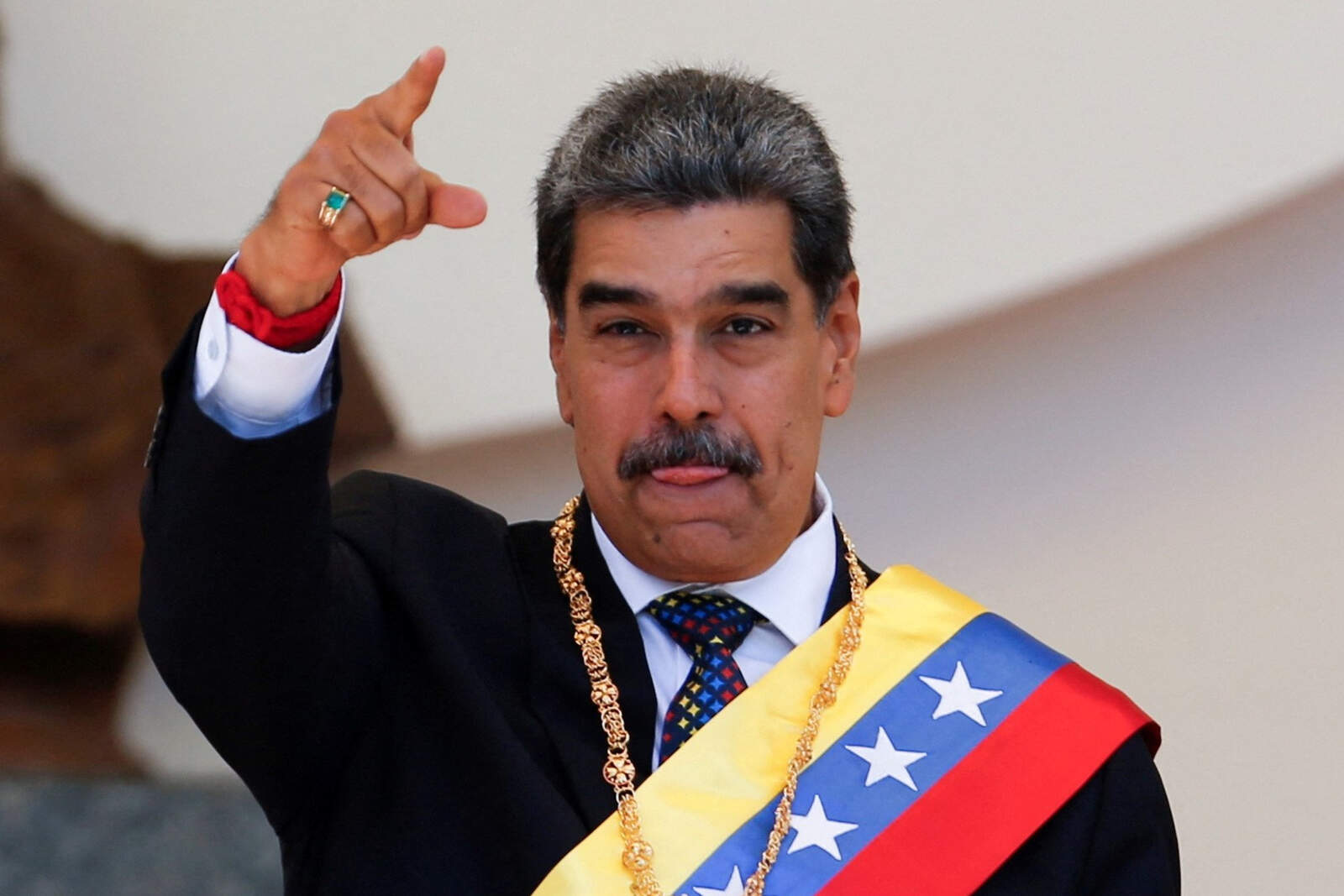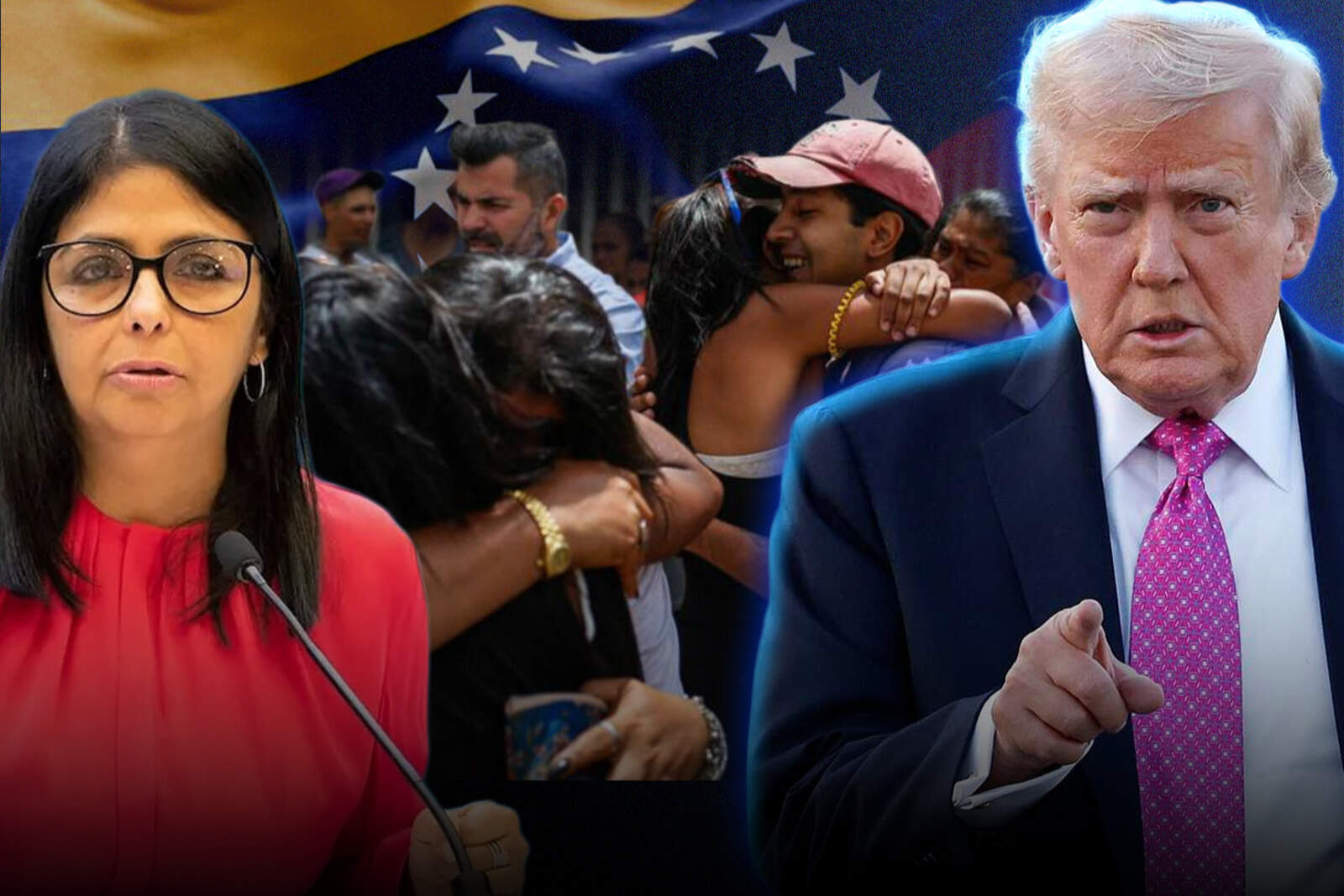

After extraordinary pressure from Donald Trump's government, the National Assembly of Venezuela approved on Thursday a general amnesty law that could benefit hundreds of political prisoners, in the midst of a new political scenario following the arrest of former dictator Nicolás Maduro by the United States.
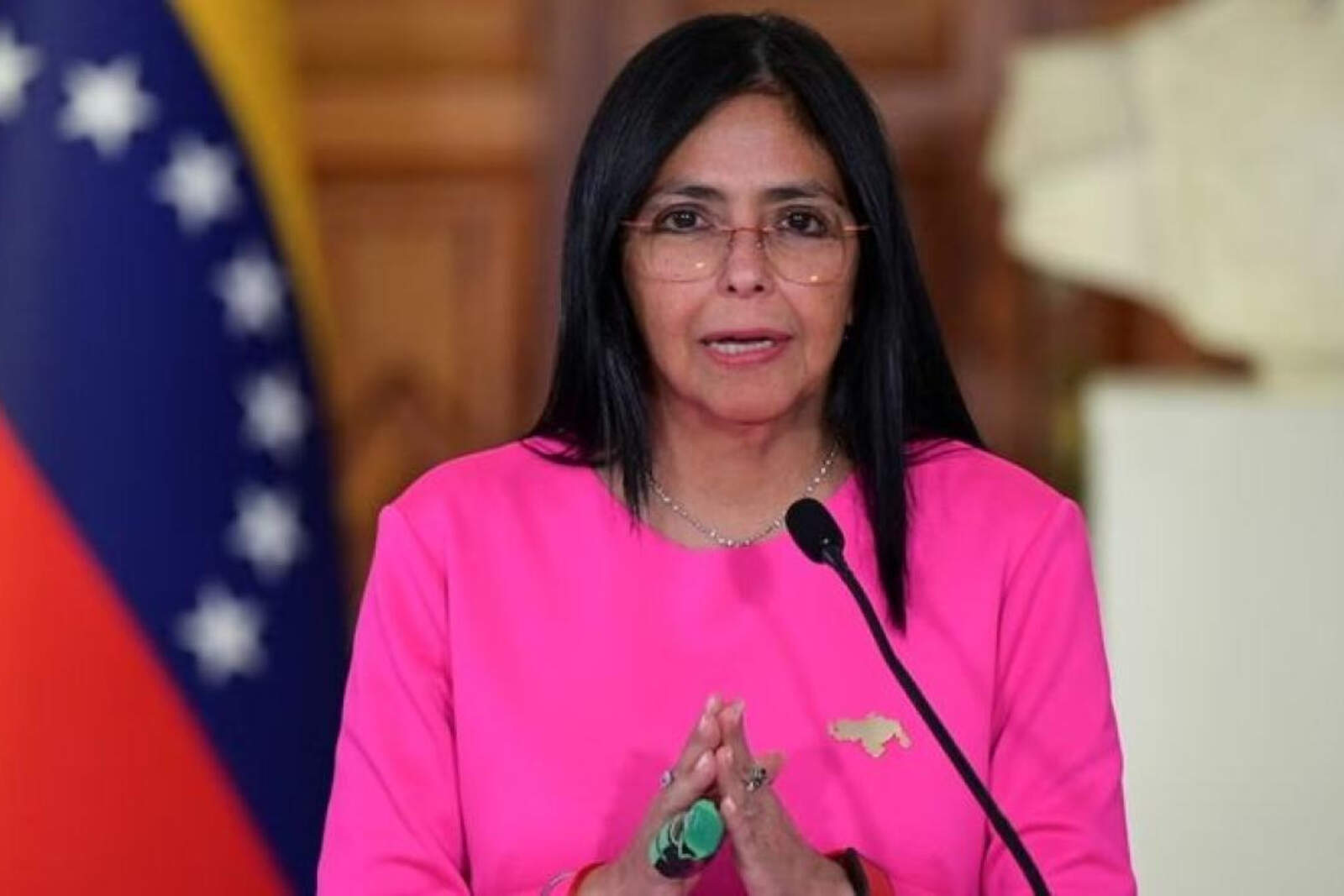
The initiative was promoted by interim president Delcy Rodríguez, who assumed power after Maduro's capture. The bill was approved in a second discussion, after a session of approximately two hours, following a week of negotiations marked by disagreements over the scope of the measure.
The text covers crimes and offenses that occurred during the 27 years of Chavista governments and establishes as a main condition that those who wish to avail themselves of the amnesty "are in compliance with the law or bring themselves into compliance with the law," that is, that they appear before Venezuelan justice. This requirement was one of the most debated points, especially because of its possible impact on activists and opposition leaders who are in exile.
During the previous week, the legislative discussion was suspended due to differences over an amendment that could limit access to the benefit for those who do not appear physically before Venezuelan courts.
Civil organizations and relatives of political prisoners expressed concern about the ambiguity of the article, since they consider that it could in practice exclude opposition figures outside the country.
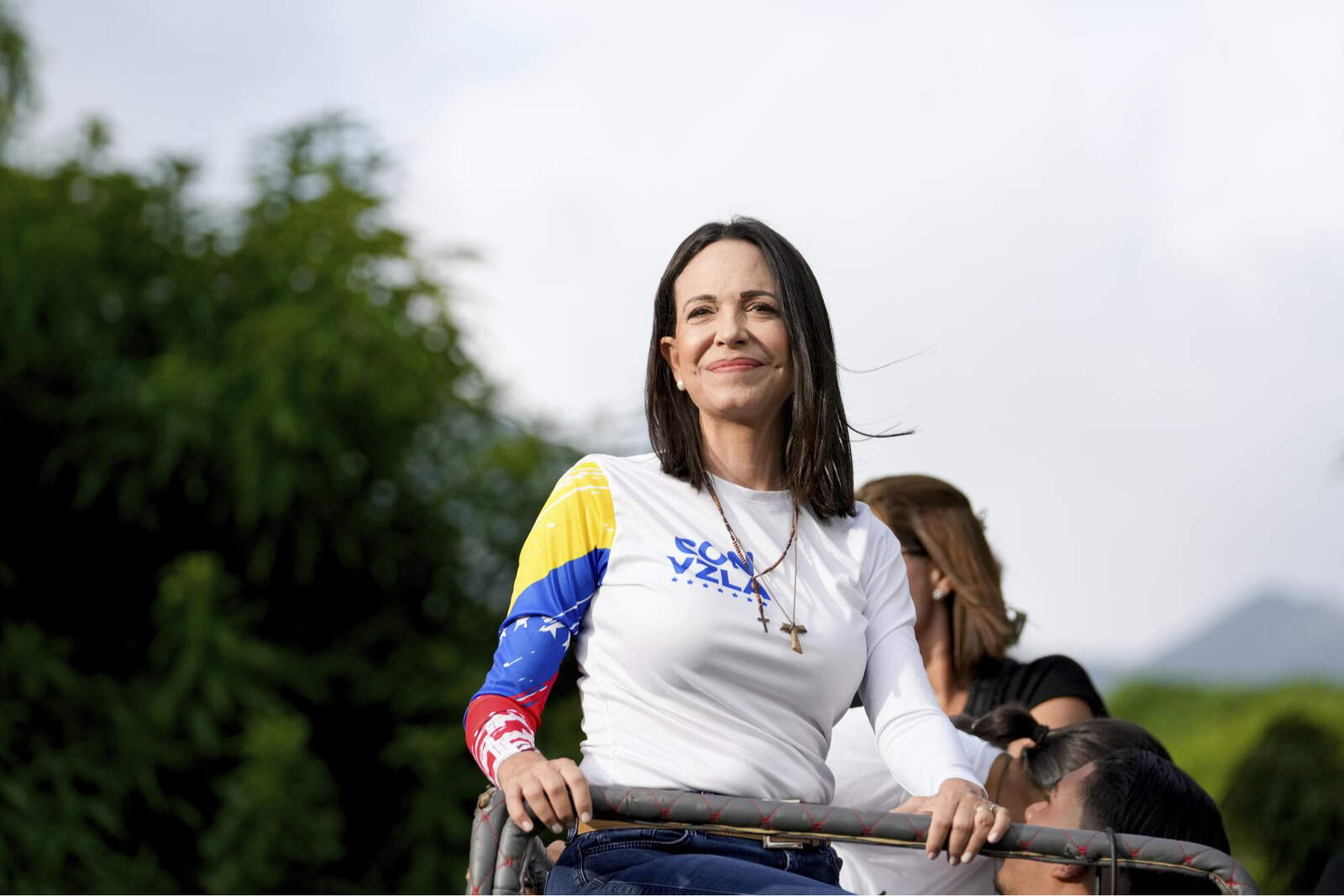
Among the names mentioned in the public debate are leaders such as María Corina Machado and Edmundo González, who remain outside Venezuela and face ongoing judicial proceedings. Critical sectors warn that the requirement to appear before justice could become an obstacle to their eventual return.