Economy voided the aluminum tariff after it concluded that there was no dumping
Compartir:
The national government repealed the 28% tariff antidumping duty that applied to aluminum foil imported from China.
The measure had been in force since 2020 and had been applied during Alberto Fernández's administration for a period of five years. Its expiration date was March 5.
After a technical report from the foreign trade area, the Ministry of Economy concluded that "there is no dumping margin" in exports to Argentina of the product analyzed.
The decision was made official through a resolution signed by Luis Caputo and published in the Official Gazette.
More competition and prices aligned with the international market
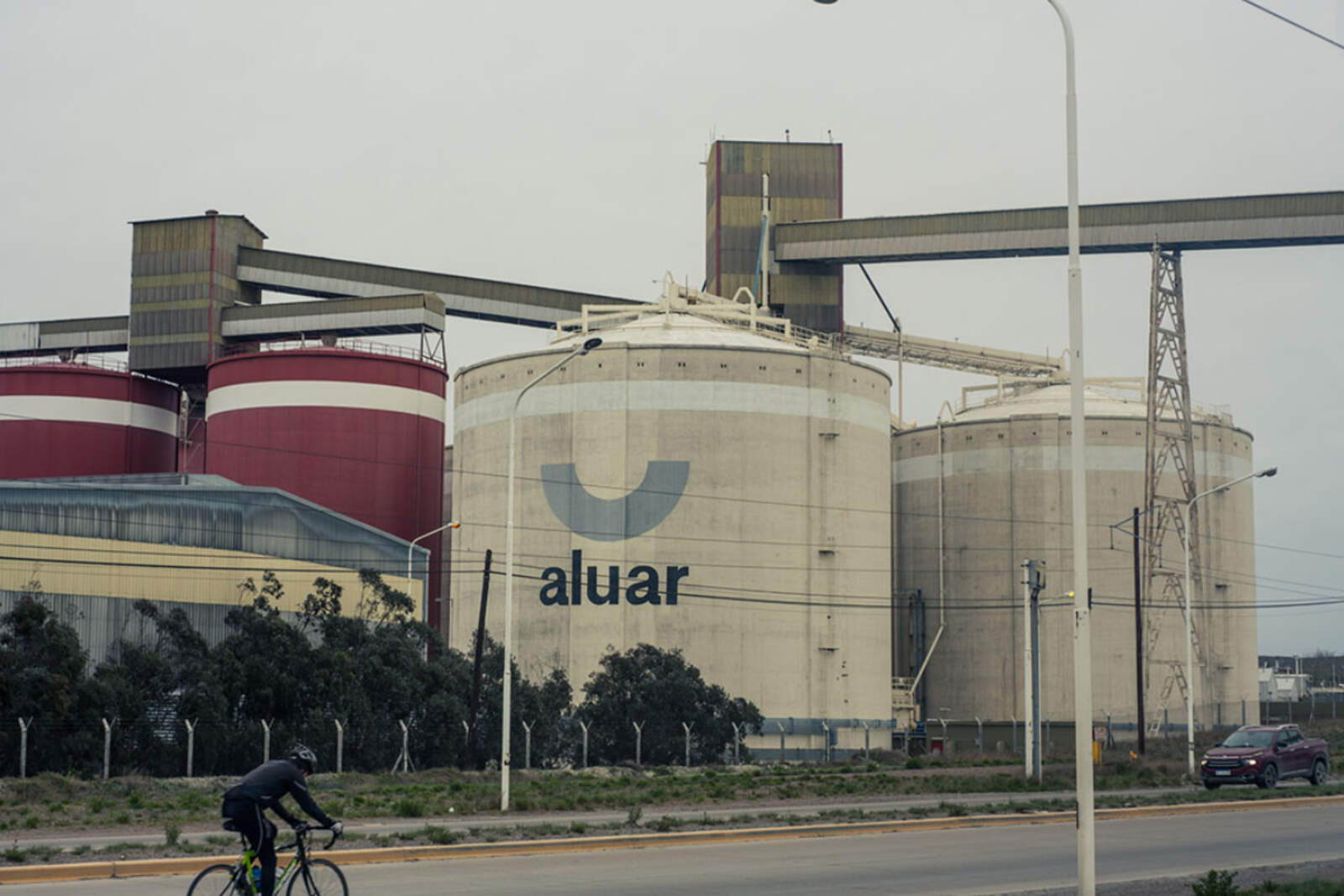
The protection mainly benefited Aluar, the only local producer of primary aluminum and foil.
During the validity of the tariff, imports from China fell to less than 3% of the market between 2022 and 2025. In that period, Aluar's share went from 64% in 2019 to 91% in 2024.
According to official data, while the international price of aluminum fell 16%, domestic prices of foil increased between 5% and 7%.
With the elimination of the tariff, the government aims to generate greater competition and prevent distortions in a key input for multiple sectors.
El Gobierno deja sin efecto arancel que beneficiaba a Aluar para bajar los costos internos
Impact on food, medicines, and construction
Aluminum foil is used in packaging for food, beverages, and medicines. It is also used in insulating membranes for construction.
For this reason, the price and availability of this product have a direct impact on mass-consumption supply chains and on construction activity.
The resolution specifies that the measure covered unsupported aluminum foil, rolled, with thicknesses between 0.006 mm and 0.2 mm, among other technical specifications.
Trade defense with technical criteria
The government emphasized that antidumping measures must not become permanent protections.
Foreign trade specialist Yanina Lojo explained that these tools are applied when there is sufficient evidence of dumping and proven damage. If that evidence doesn't meet the required technical standard, their elimination is appropriate.
The official decision was based on a detailed analysis of local and international prices.
Signal of predictability and clear rules
With this resolution, the government reaffirms its policy of technical review and transparency in foreign trade matters.
The objective is to guarantee clear rules, promote competition, and prevent exceptional measures from becoming permanent schemes.
The elimination of the tariff represents a signal toward a more open economy, with prices more aligned with international values and greater efficiency in production chains.