Socialist Pedro Sánchez will experience one of the worst year-ends of his political career after having been annihilated at the polls
Compartir:
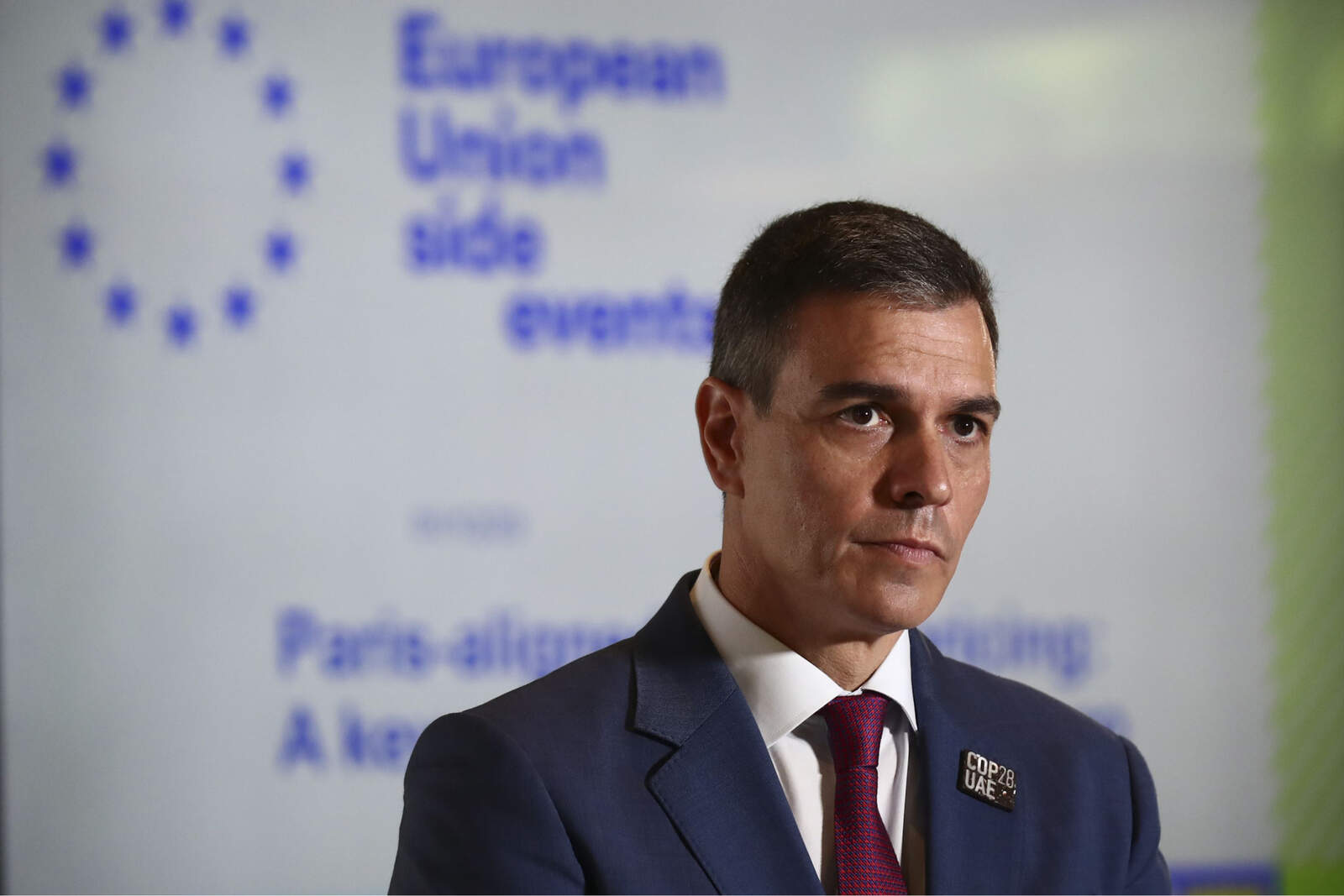
The resounding victory of the Partido Popular (PP) in Extremadura opened a new front of wear and tear for the Spanish socialist prime minister,Pedro Sánchez, and exposed the deep crisis that the Partido Socialista (PSOE) is going through.
Although PP's triumph was anticipated in the polls, the most striking figure of the elections was the historic collapse of socialism in a region that for more than three decades was one of its main electoral strongholds.
María Guardiola was re-elected president of Extremadura with 43% of the vote, consolidating the PP as the leading political force in the region. However, she did not achieve the goal that she had set when she brought the elections forward:to govern without depending on VOX.
The right-wing party doubled its electoral support compared with the previous elections and reached almost 17%, which will once again force the PP to negotiate its investiture with that party.
El PP, de la mano de María Guardiola, logró el 43% de los votos frente a un pobre desempeño del PSOE
The result was devastating for the PSOE. In just two years it went from nearly 40% of the vote to barely 25%, the worst performance in its history in Extremadura. The socialist candidate, Miguel Ángel Gallardo, acknowledged without reservations the magnitude of the blow by describing the result as "very bad." The defeat reflects the loss of popular support and the growing disconnection of the party from its traditional electorate.
From Madrid, the PP's leadership interpreted the result as a direct rejection of Sánchez's leadership. The party's president, Alberto Núñez Feijóo, asserted that Extremadura "has said that it doesn't want more sanchismo" and stated that political change in Spain "is closer." In the same vein, Isabel Díaz Ayuso maintained that the PSOE "loses every time there are elections," reinforcing the idea of a declining political cycle for the ruling party.
Despite the celebration, the result left the PP with mixed feelings. VOX's growth confirms a trend that is repeating itself in different regions and that poses a strategic dilemma for the opposition: a possible arrival in the national government could depend on agreements with the further right, constraining its room for political maneuver.
La líder del PP, Díaz Ayuso, destacó el desastroso momento que atraviesa el PSOE
The election was also marked by particularly low turnout. Just a little more than 50% of the electoral roll went to vote, the lowest figure since the beginning of democracy in Extremadura.
The electoral setback adds to an increasingly complex scenario for Pedro Sánchez. In recent months, his government has been engulfed in a series of corruption scandals that have struck at the heart of the PSOE.
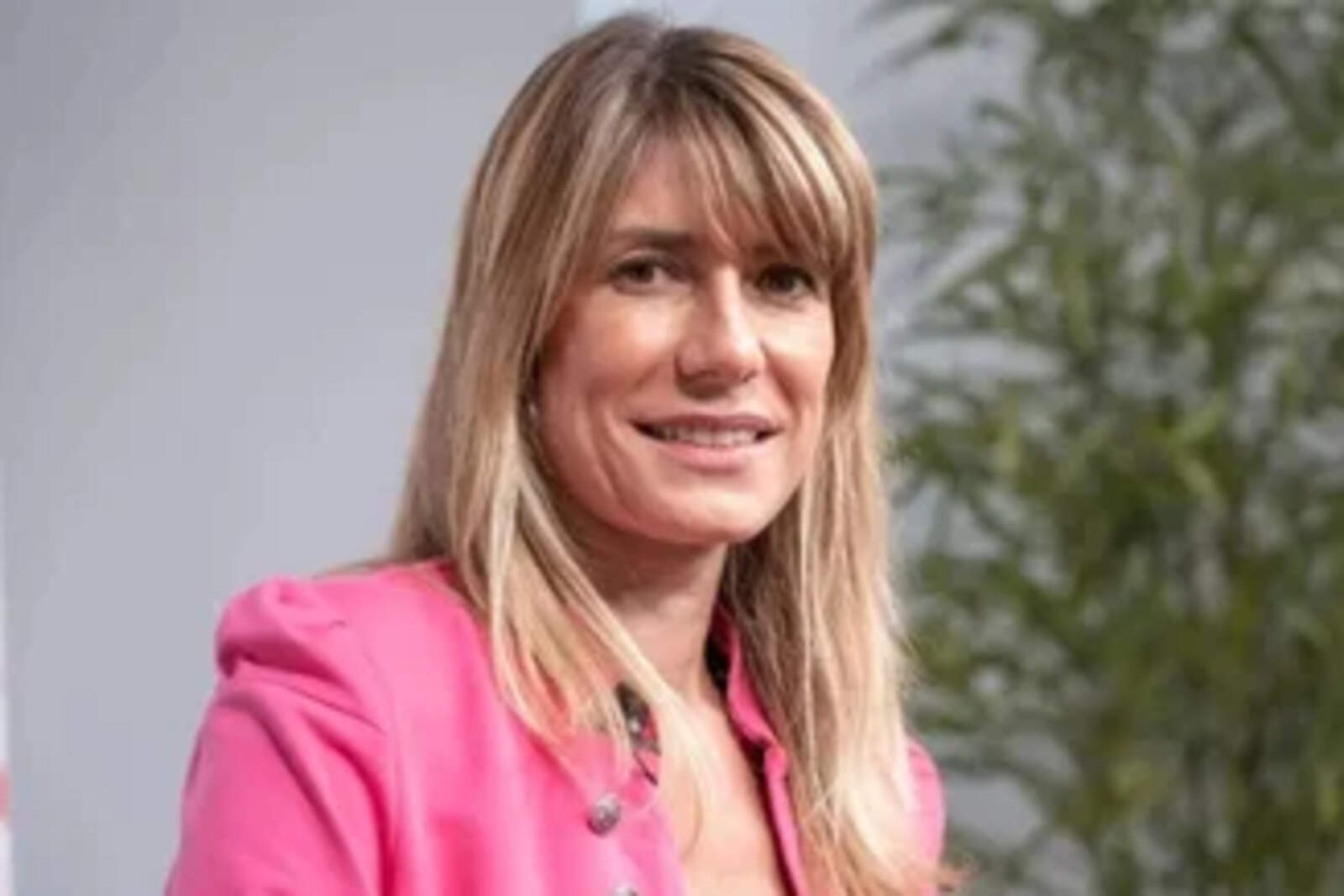
The accusations against his wife, Begoña Gómez, for a conflict of interest, and the investigation into the alleged steering of public works contracts, which led to the arrest of key figures such as Santos Cerdán and José Luis Ábalos, have seriously damaged the government's image.
La esposa del comunista Sánchez enfrenta duras acusaciones legales
The political impact of these cases is greater because those involved were central pieces in Sánchez's rise within the party. Ábalos and Cerdán not only held positions of maximum importance in the government and in the PSOE, but they were the main architects of the internal strategy that allowed Sánchez to reach the general secretariat and, subsequently, the prime minister's office.
Recent allegations of sexual abuse against former socialist officials have been added to this scenario, which forced the resignation of several leaders, among them Francisco "Paco" Salazar, a close collaborator of Sánchez in La Moncloa. These episodes deepened the party's ethical crisis and fueled the opposition's criticism.