An international team of scientists achieved a historic discovery in Spain. This is a new species of fossil wasp that lived more than 100 million years ago
.
According to the study published in the scientific journal Palaeoentomology, the discovery occurred in Cantabria. The fossil provides key information about the evolution of insects on the planet
. This is a new species of wasp
What species they discovered and why is it unique
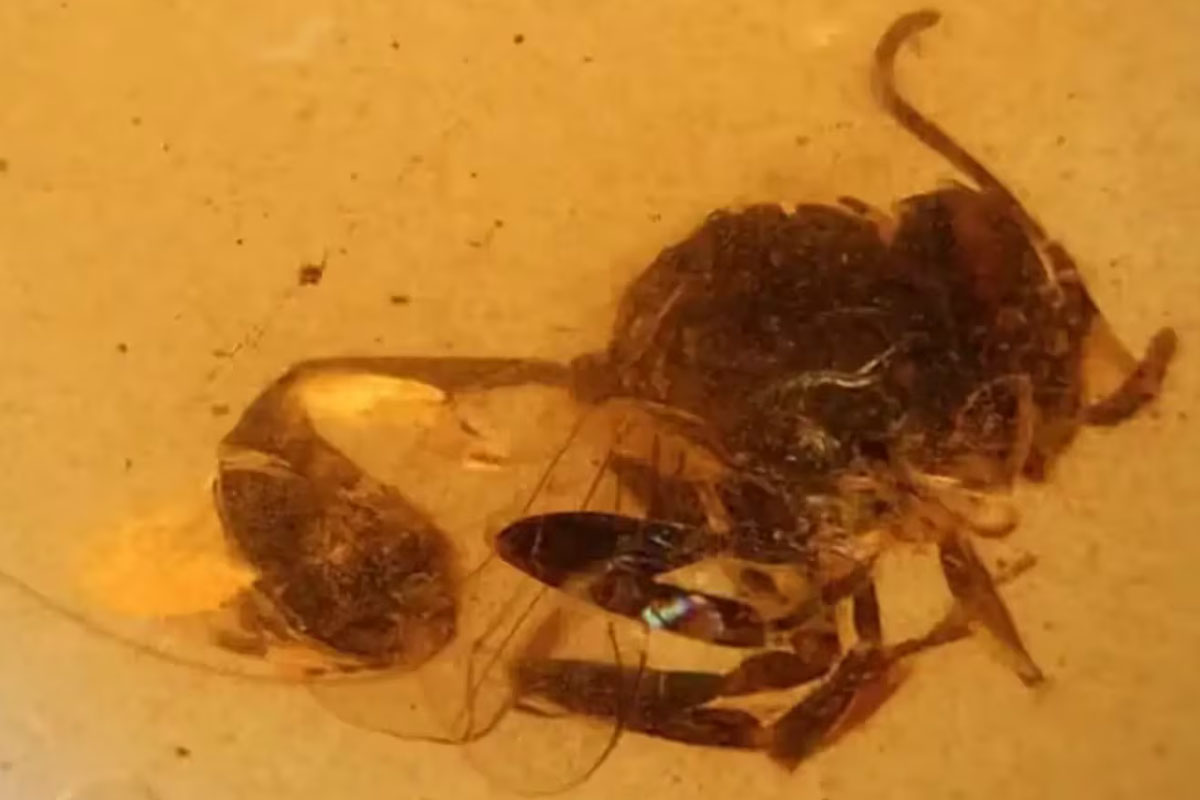
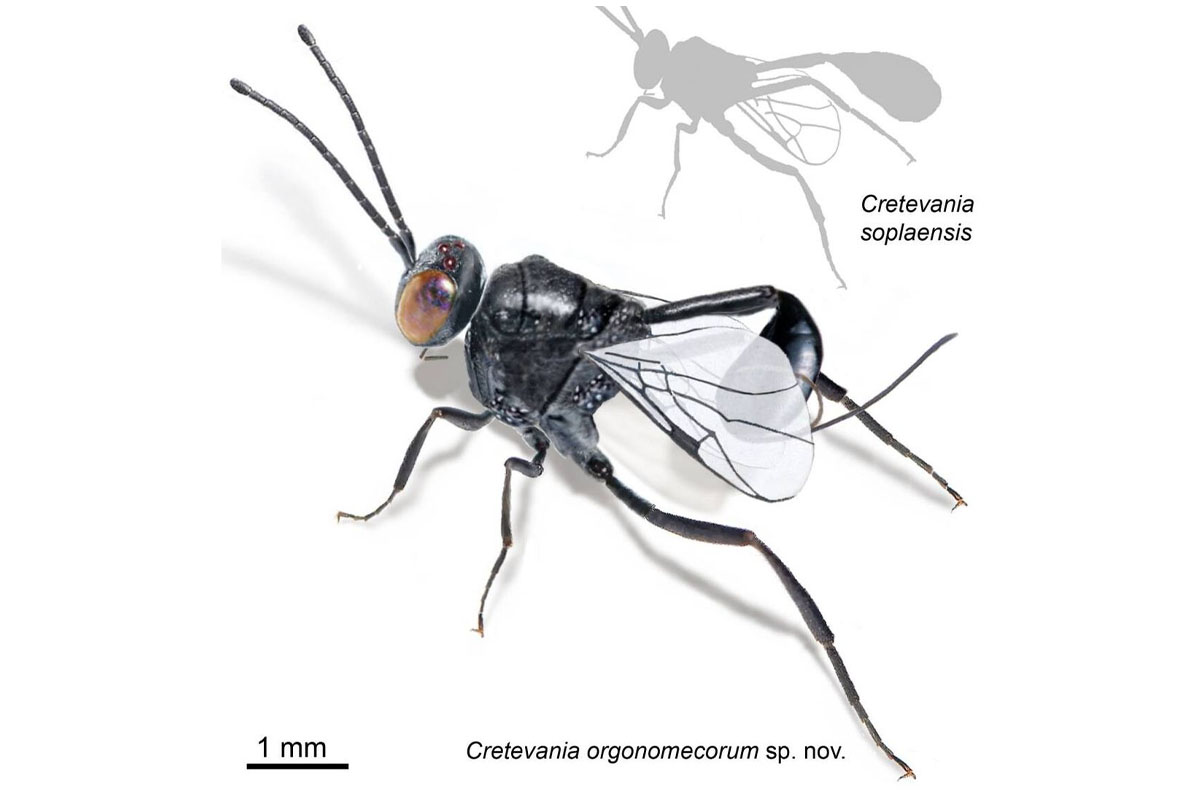
The new species was named Cretevania orgonomecorum.
It has anatomical features that do not match any other recorded so far
.
The specimen was trapped in amber during the Cretaceous period. This allowed exceptional conservation, something key to their analysis. Among the details that surprised the scientists were:
Well preserved antennas
A different thorax structure The arrangement of
the legs
A complex venation in the wings These features were decisive in
confirming that this is
a completely new species. Cretevania orgonomecorum
How they managed to analyze the fossil with such precision
The study was carried out with state-of-the-art technology.
The scientists used confocal microscopy and 3D reconstructions.
These tools made it possible to observe microscopic structures impossible to see with the naked eye. They also made it easier to compare with other species in the same group
. How they managed to analyze the fossil with such precision
Although it belongs to the genus Cretevania, previously identified in Asia, this wasp is larger
and combines unique features.
Why this finding changes what was known
The discovery requires a review of the classification of this group of insects. It also provides new clues about past biodiversity.
Fossil wasps like this one function as “guide fossils”. This means that they help determine the age of the sediments where they appear
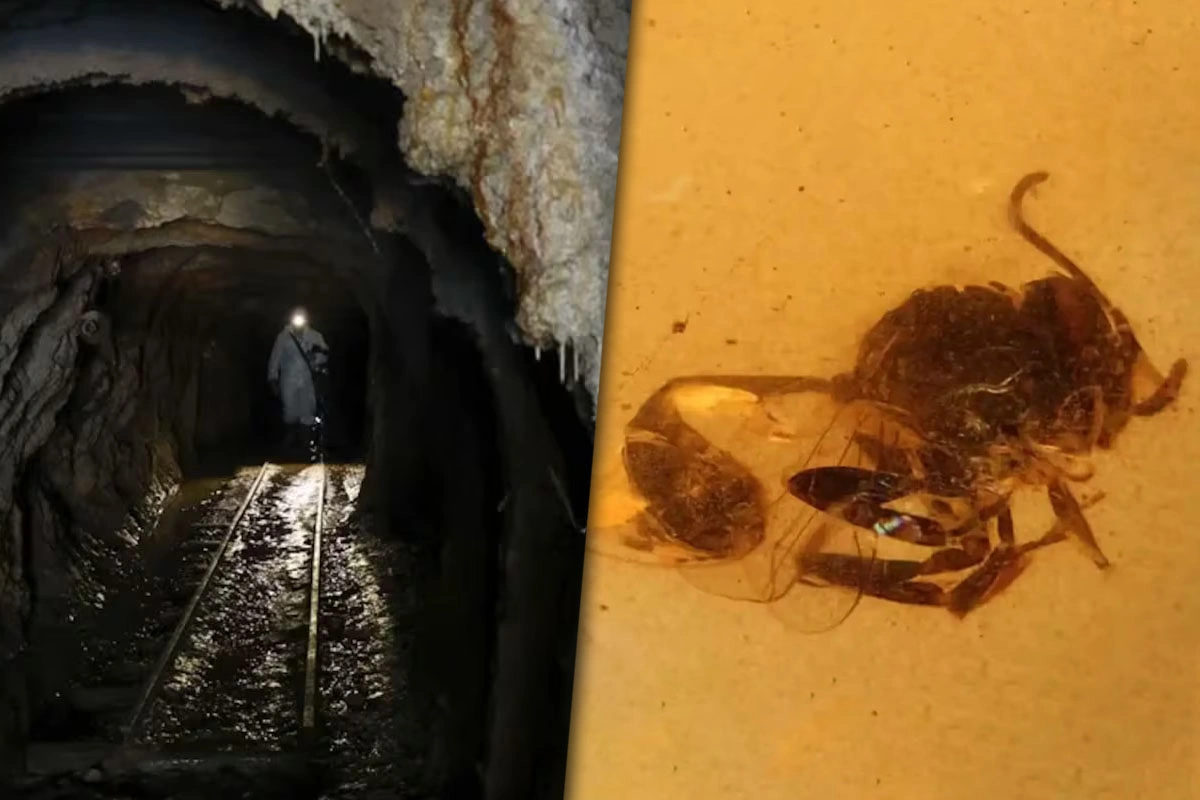
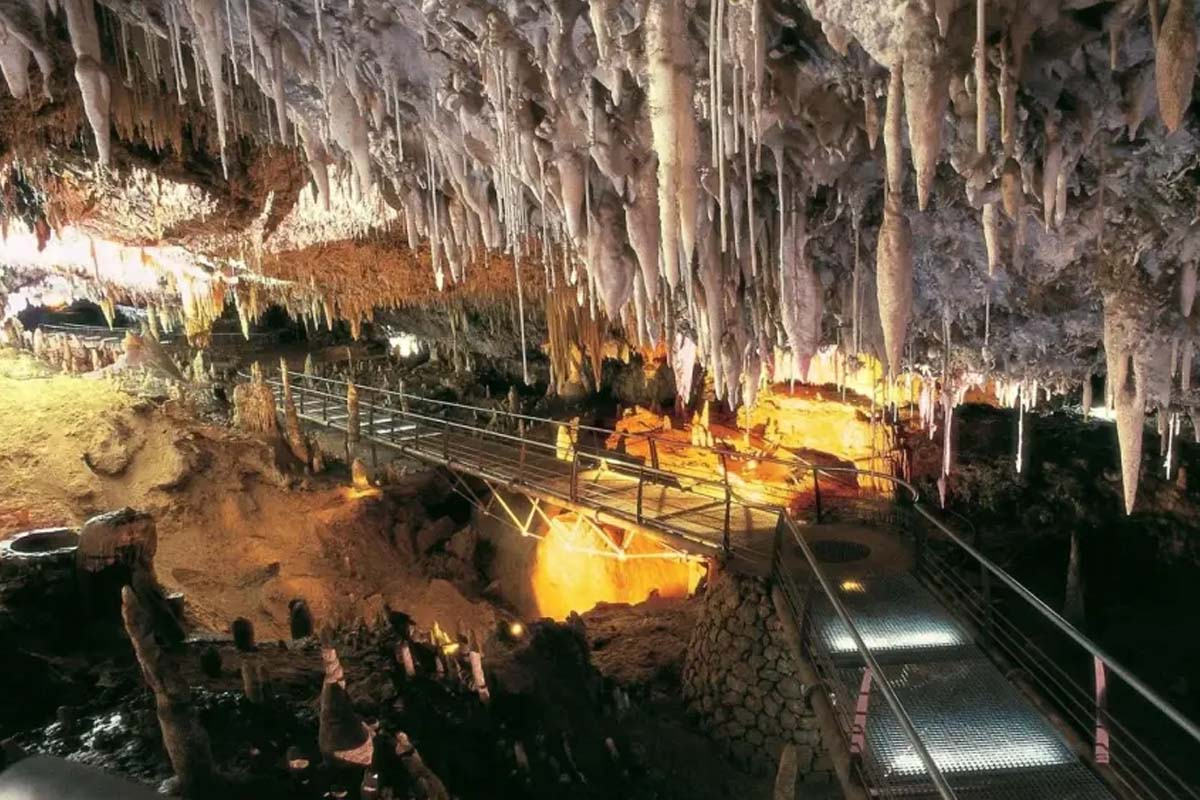
. El Soplao, Cantabria
Thanks to this data, scientists can reconstruct what life was like on Earth millions of years ago
.
El Soplao: the key site of the discovery
The fossil was found at the El Soplao site, in Cantabria.
This place is renowned for its ability to preserve organisms with a high level of detail.
El Soplao: the key site of the discovery
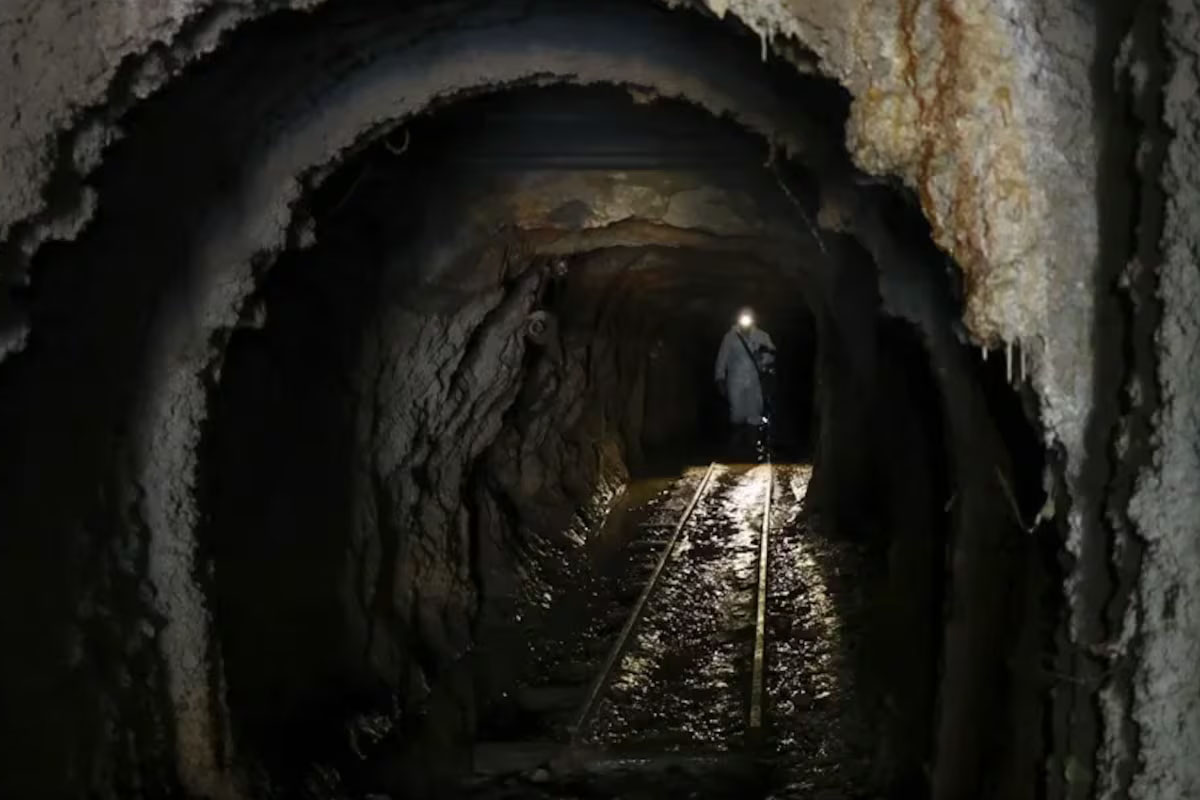
Discovered at the beginning of the 20th century during mining operations, today it is one of the most important sites in Europe for the study of amber
.
According to the researchers, the following have already been identified in this area:
More than 1,500 fossil inclusions
More than 30 new species
The environment where amber formed combined marine and continental conditions. This favored the accumulation of resin and the preservation of organisms