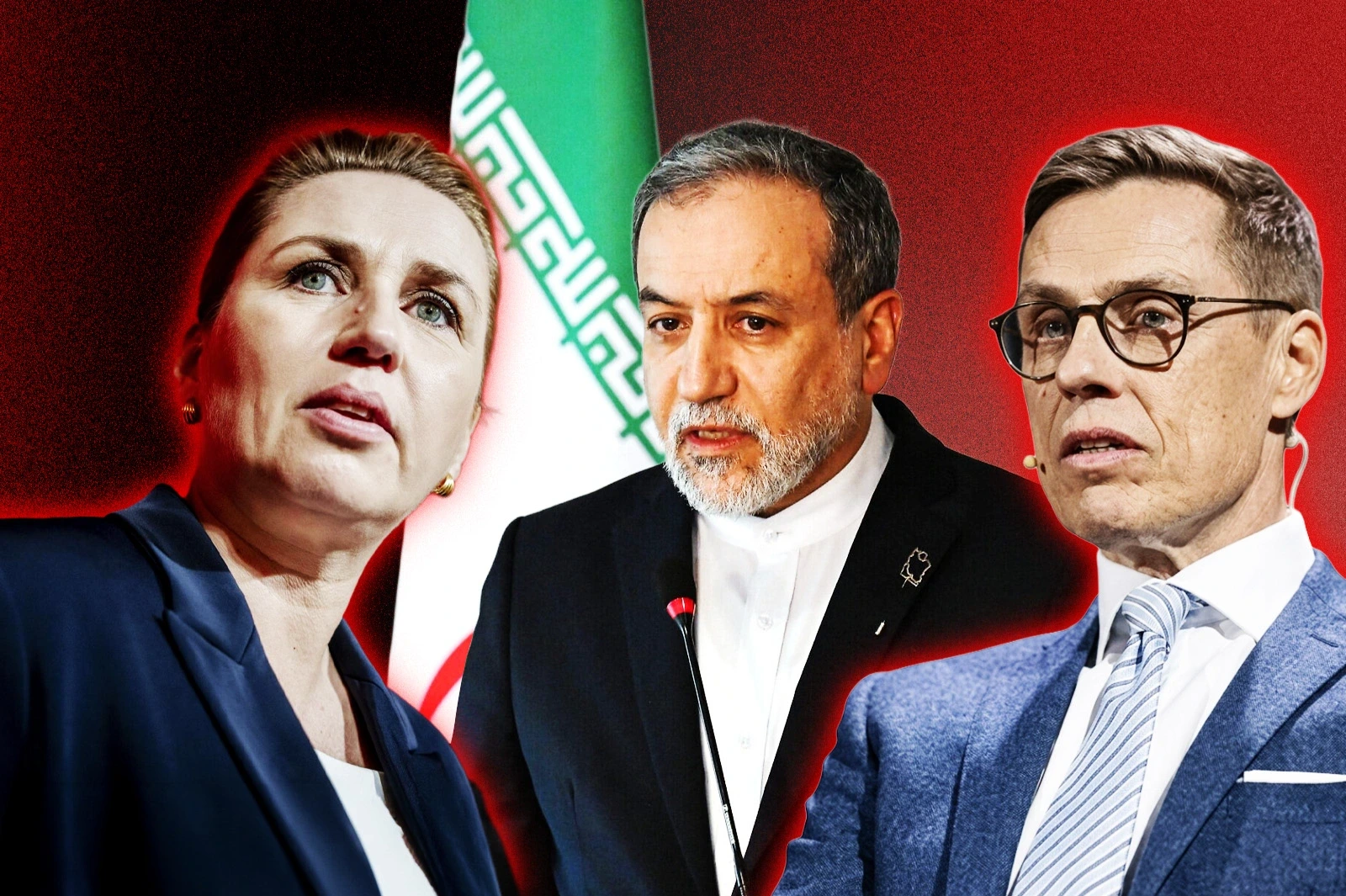
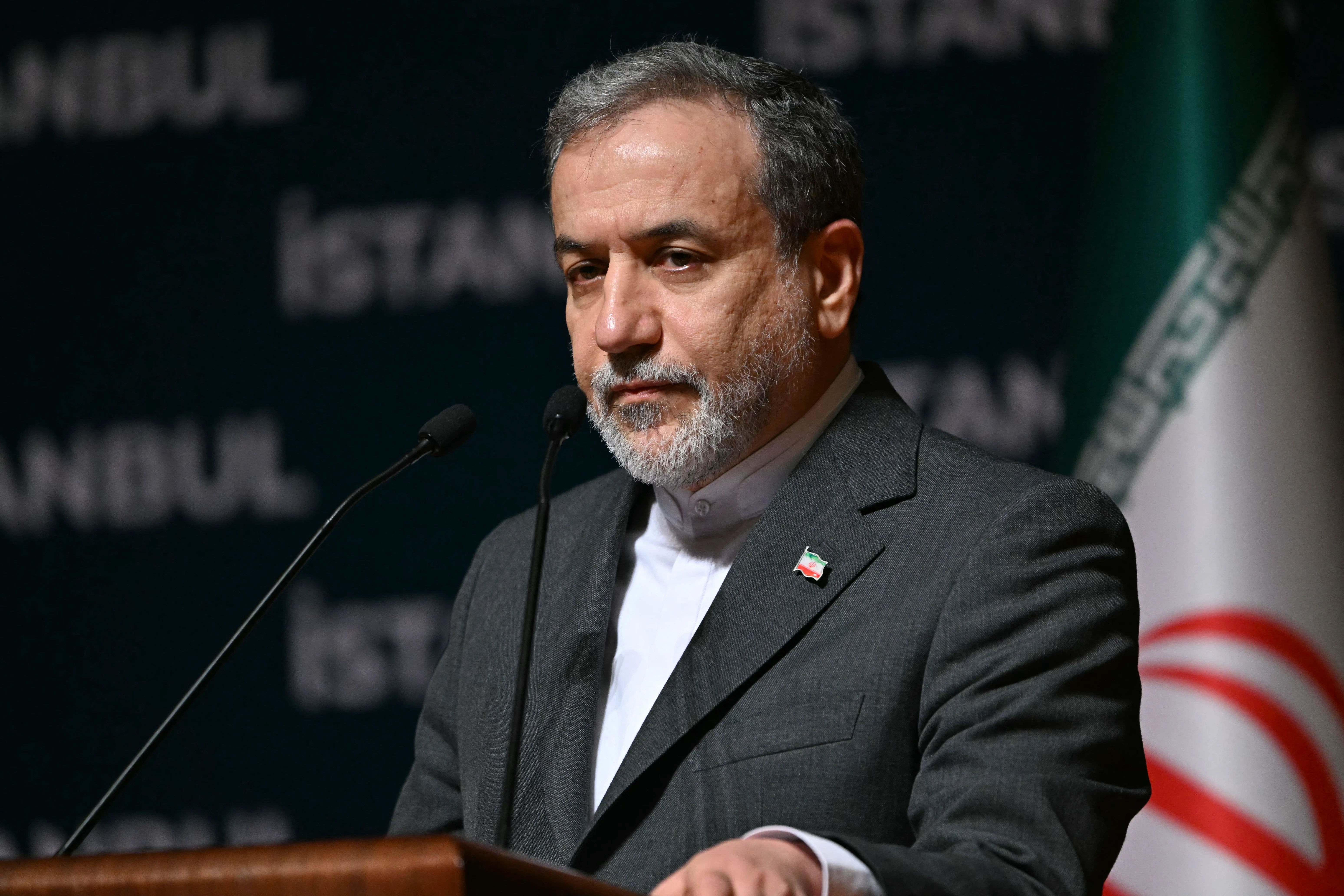
The leaders of Finland, Norway, Sweden and Denmarkexpressed this Friday their disastrous support for Iran's announcement about the reopening of the Strait of Hormuz, a key route for global oil and gas transport, following an agreement of the ceasefire reached in Lebanon.
The reaction came after a diplomatic meeting promoted by the United Kingdom and France, in which the Nordic countries agreed to highlight the importance of keeping open channels of dialogue to resolve the regional conflict. In public statements, the leaders emphasized the need to move towards sustainable solutions based on respect for international law
.
Finnish President Alexander Stubb said that his country is ready to actively contribute to efforts to ensure stability in the region. In a post on the social network X, he said that Finland will support initiatives that promote both security and respect for international standards.
Along the same lines, the Norwegian Prime Minister, Jonas Gahr Støre, the Danish Prime Minister, Mette Frederiksen, andthe Swedish Prime Minister, Ulf Kristersson, spoke out.The President of Finland announced through social networks his support for initiatives to re-establish normal operations in the strait
However, the positioning of these countries has raised questions in different sectors. Analysts warn that explicit support for the Iranian announcement could be interpreted as a sign of legitimacy for Tehran's role in the region, despite the international criticism it has faced for its foreign policy and human rights record. The absence of stronger references to these concerns in official statements has fueled doubts about the coherence of the Nordic position
.
In addition, some experts believe that the emphasis on diplomacy, while consistent with the political tradition of these countries, may be insufficient given the complexity of the geopolitical scenario in the Middle East. From this perspective, the priority given to the stability of the energy flow through the Strait of Hormuz could be conditioning the firmness of their positions, prioritizing immediate economic interests over broader principles
.
Another point of criticism points to the perception of alignment with the main European powers. The fact that the statements came after a meeting led by the United Kingdom and France has led some observers to question the degree of autonomy of the Nordic countries in this type of decision, which could affect their image as independent actors on
the international scene.
Despite criticism, the reopening of the Strait of Hormuz thanks to the actions of the United States is seen as a positive development for global markets, reducing the risk of interruptions in energy supply. However, the debate on the balance between pragmatism and principles in the foreign policy of the Nordic countries remains open, in an international context marked by persistent tensions
and fragile balances. The position of the Nordic countries is perceived by many as a sign of validation for the Iranian regime