The government of France is considering applying a complete ban on minors under 18 years old from video games considered 'violent'
Compartir:
France's president, Emmanuel Macron, has once again caused controversy after his recent statements about video games and their possible impact on young people's health and behavior.
Although the head of state has insisted that there is currently no ban or decision made, his words have been widely criticized for reinforcing a narrative that many consider simplistic, poorly supported by scientific evidence, and stigmatizing for the video game industry and its players.
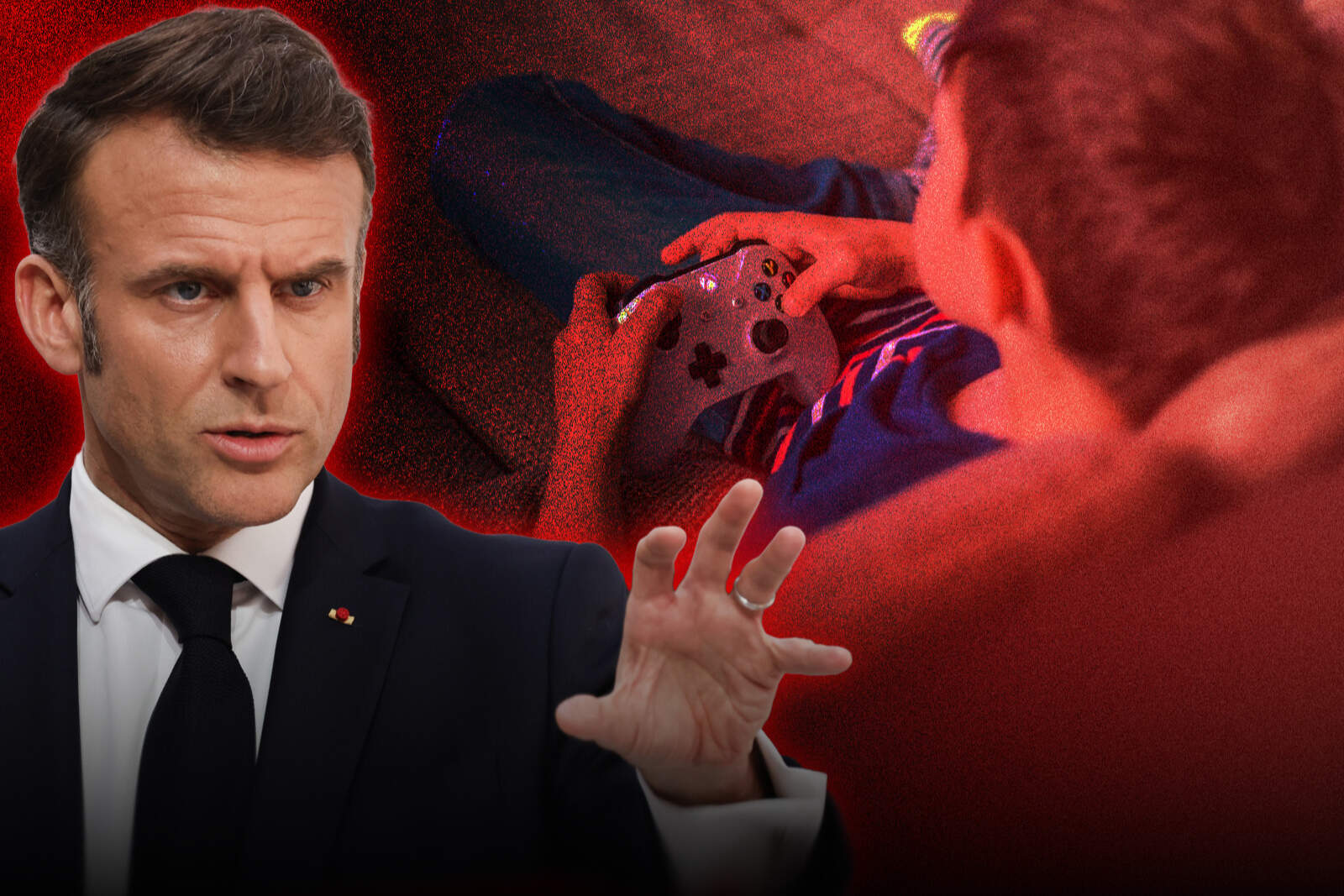
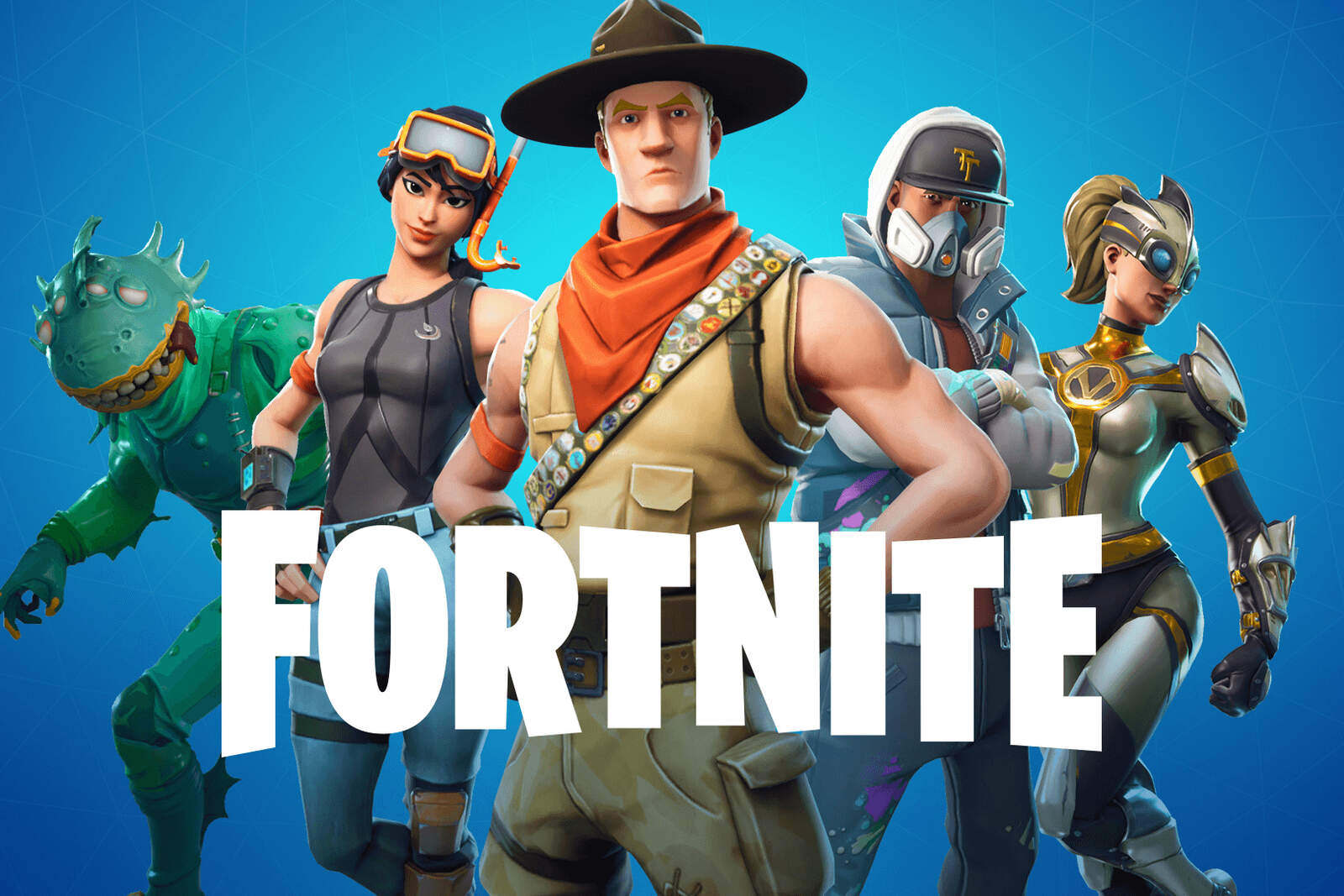
The controversy arose following an interview given to a French outlet, in which Macron stated that certain "violent" video games, specifically citing Fortnite, "can distort the perception of violence" and "condition" young people if they are consumed for many hours a day.
According to the French head of state, this type of content could "disinhibit" minors and, in some cases, push them to commit "the worst acts." These statements provoked a strong negative reaction both in the gamer community and among experts and analysts.
Macrón apuntó contra los videojuegos considerados ''violentos'', por lo que fue blanco de fuertes críticas
In response to the criticism, Macron published a message on LinkedIn on February 7 to clarify his position. In it, he assured that his words had been "misinterpreted" and recalled his historical support for the video game industry, pop culture, and esports in France.
The president highlighted past initiatives to boost the sector and praised the international success of French studios, emphasizing that the country can feel "very proud" of its creations.
Nevertheless, the conciliatory tone has not dispelled doubts. Macron argued that supporting an industry is not incompatible with opening a "serious debate" about the effects of certain content and consumption habits on younger generations.
El socialista francés utilizó al videojuego ''Fortnite'' como ejemplo
In that context, he announced the creation of a working group made up of experts and the National Digital Council to scientifically analyze the impact of video games on children and adolescents. In this context, the French president has proposed restrictions regarding video games for underage children.
The president justified this initiative by pointing out that many parents observe how some young people spend "day and night" playing, and that it is common for minors to access titles rated for adults under the PEGI system.
For Macron, this constitutes a public health and educational problem, especially because of the possible effects on eyesight, mental health, and social isolation.
However, criticism has not been long in coming. Various specialists recall that most scientific studies do not establish a direct relationship between violent video games and real-world violence, and they warn that this type of political message rekindles an old debate that has already been widely questioned.
Macron propuso una serie de restricciones a los videojuegos y anunció la ceración de un Consejo Nacional Digital
They also point out that focusing exclusively on video games ignores other key factors such as the family environment, digital education, parental supervision, or the role of platforms.
The choice of Fortnite as an example has also been questioned, a game with a cartoonish aesthetic and a PEGI 12 rating, which for many demonstrates a lack of knowledge of the medium or an excessive generalization. Critics of the presidential narrative consider that this approach helps fuel moral panic around video games, a recurring narrative in politics for decades.