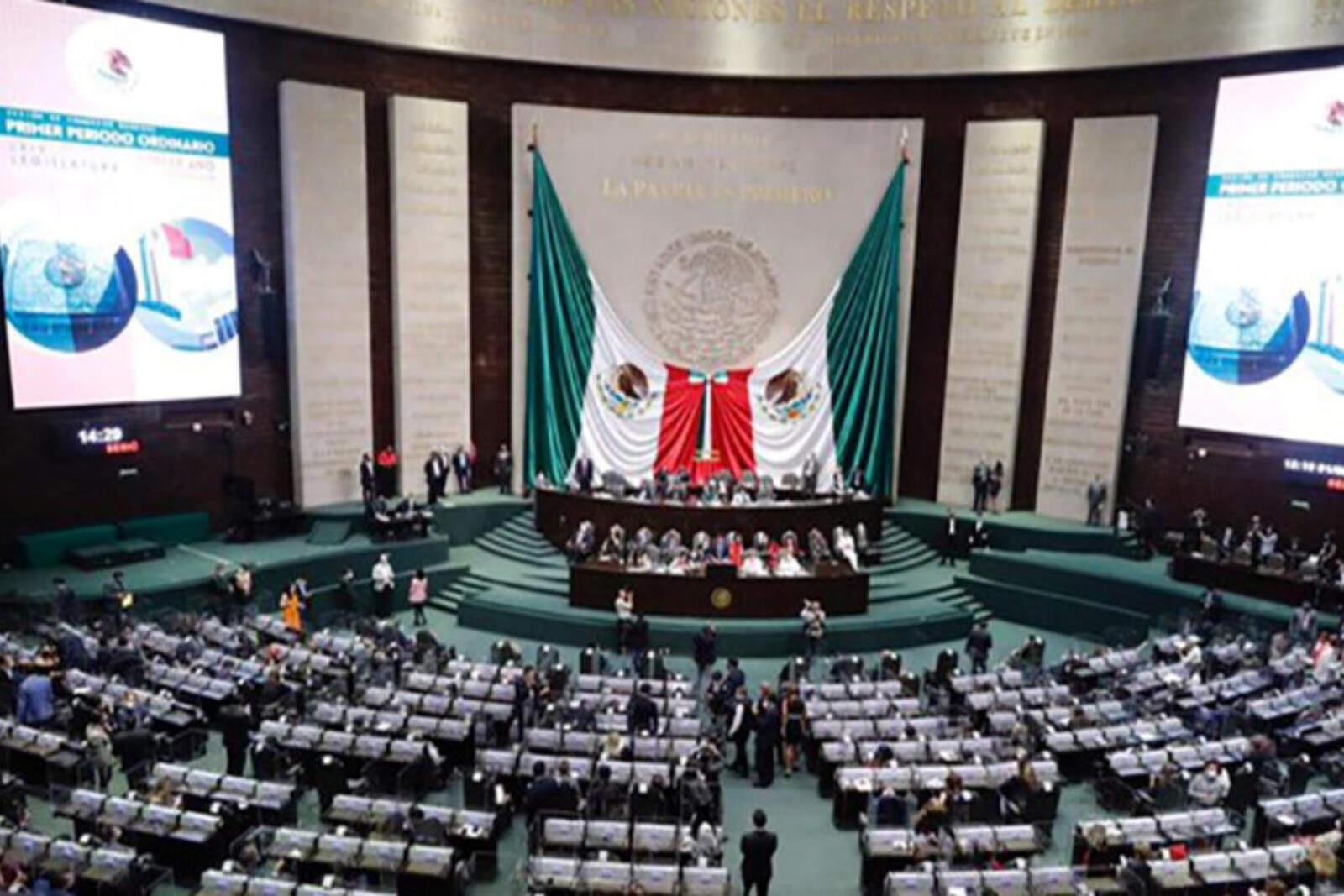
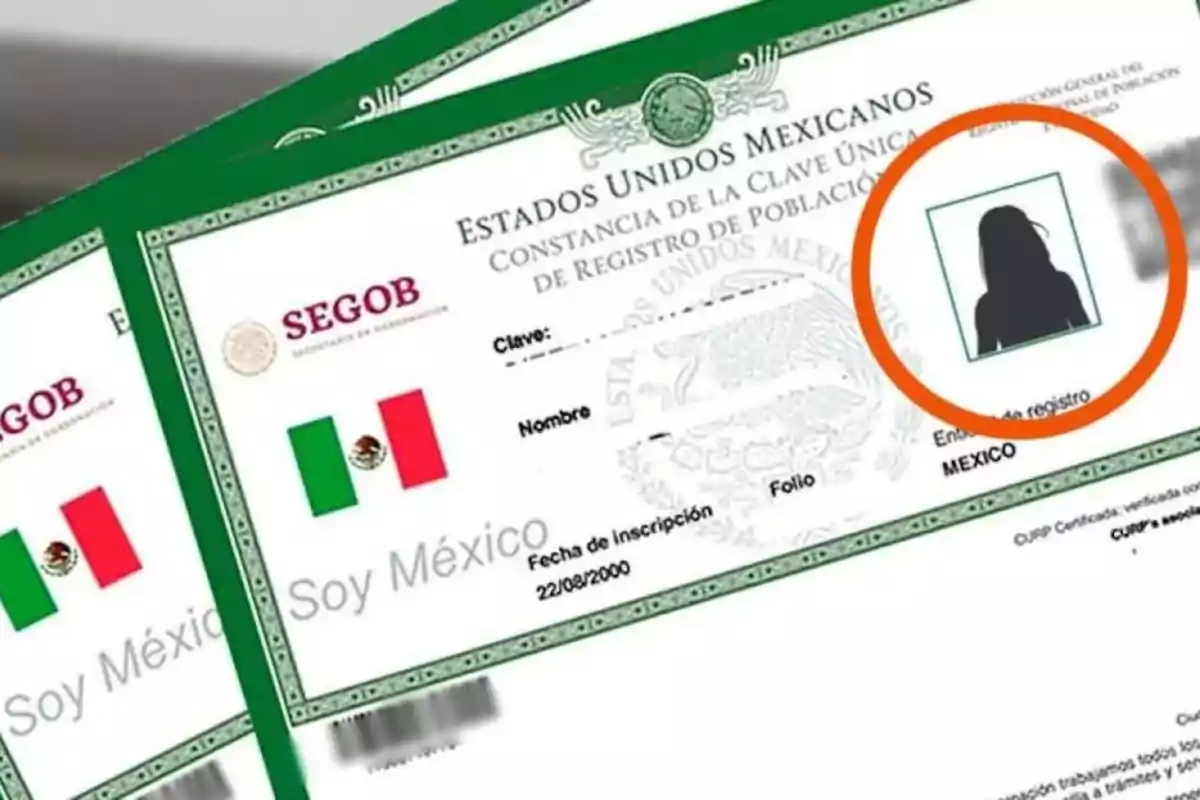
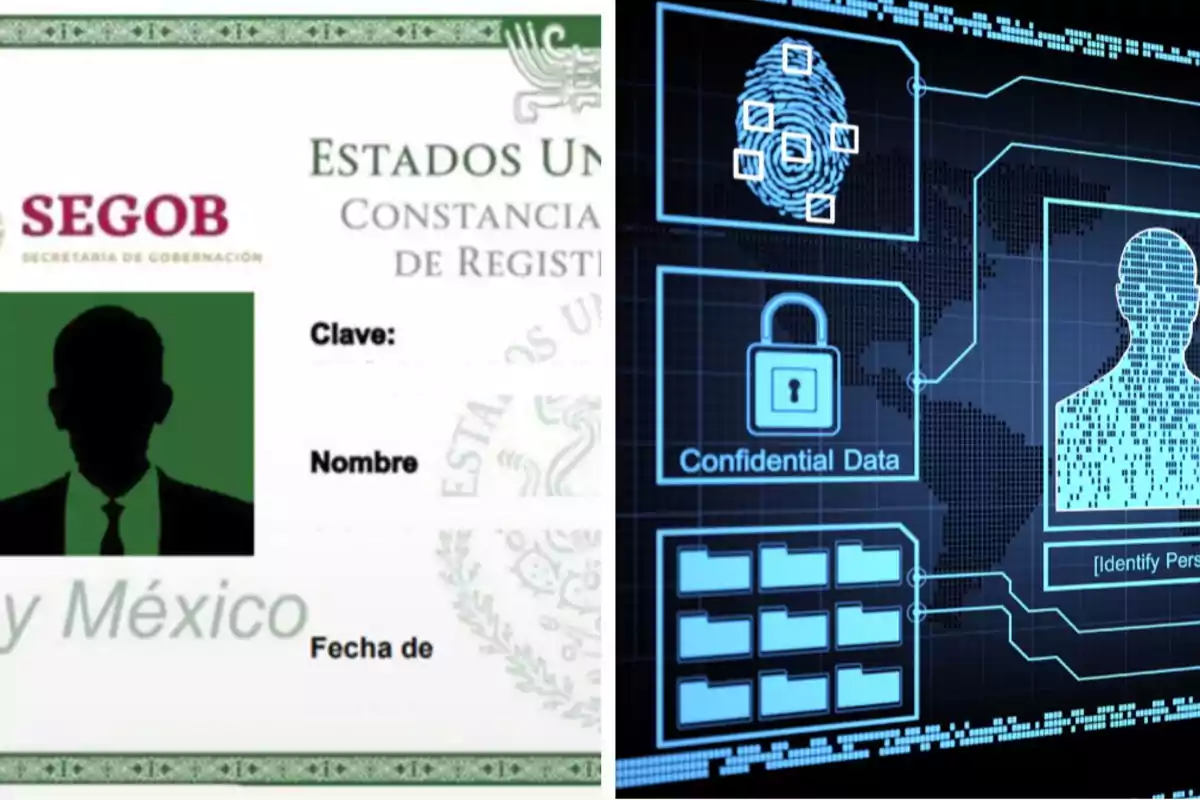
The Mexican government has pushed a controversial reform regarding the Unique Population Registry Code (CURP). The reform proposes turning the CURP into a mandatory digital identity system that includes biometric data such as fingerprints and facial recognition.
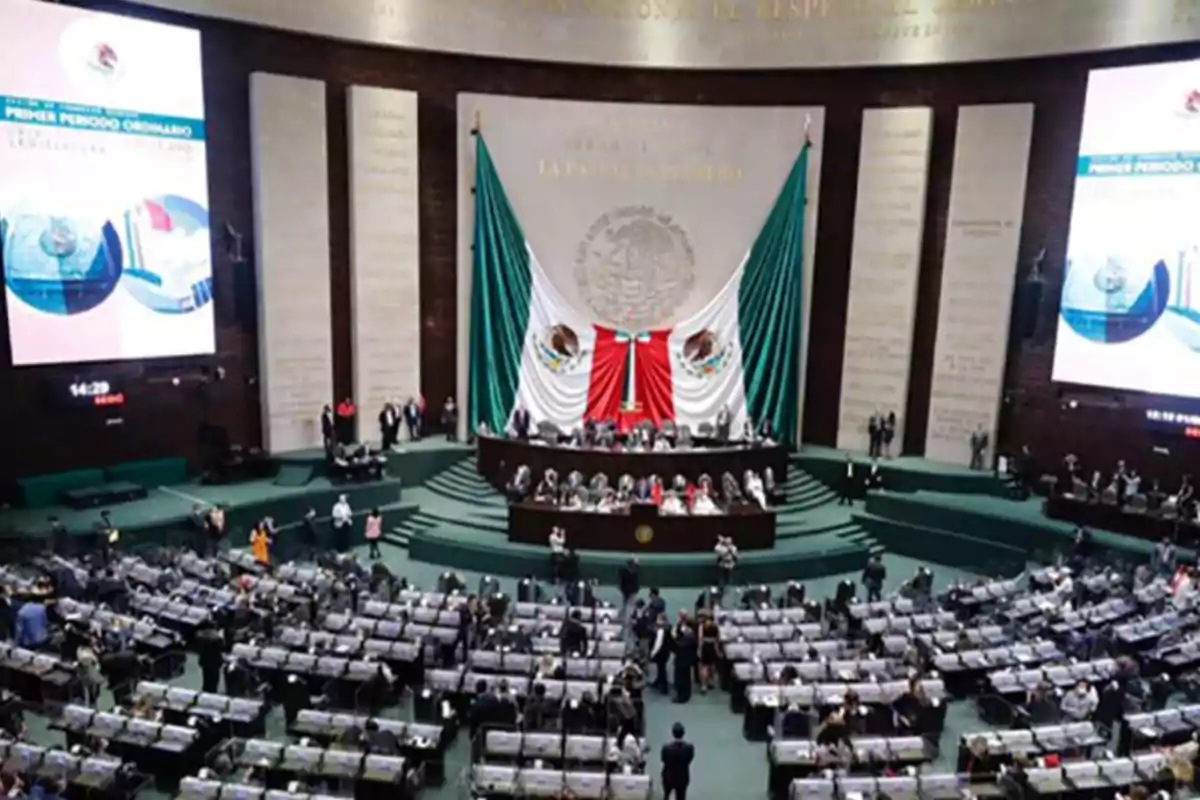
The Morena government is pushing this reform, under the argument of combating the severe crisis of disappearances in the country. However, civil organizations and experts warn that the real consequence would be a massive expansion of the state surveillance apparatus, without clear guarantees of human rights protection.
A dangerous pretext
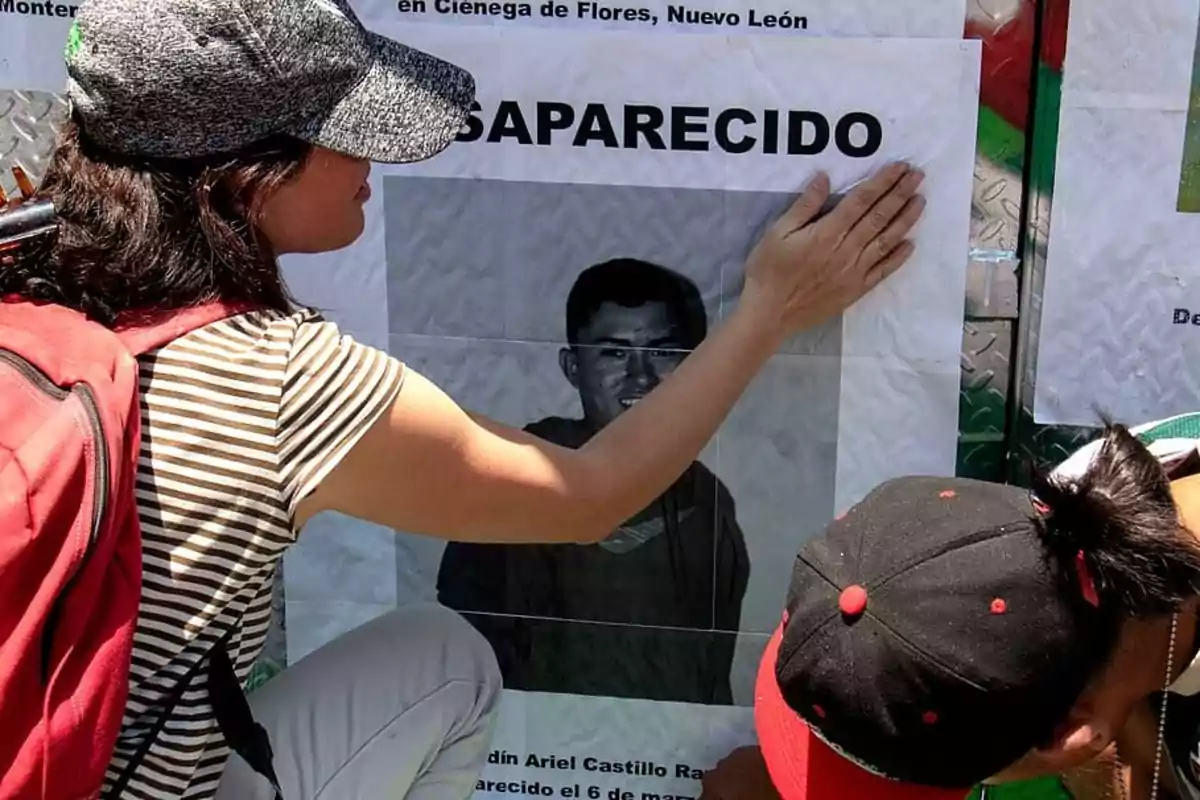
The initiative, pushed under the discourse of addressing the crisis of disappearances, is not new. There have already been previous attempts to establish a digital identity card that were halted due to privacy concerns.
Today, the government resumes the plan with greater ambition and less transparency, taking advantage of the pain of families to impose a reform that could have serious implications for individual freedom.
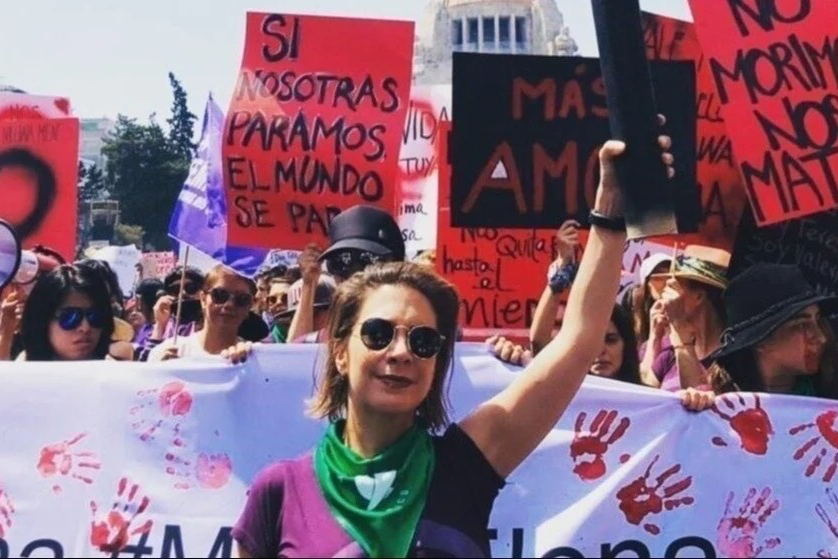
Luis Fernando García, director of the Network in Defense of Digital Rights, criticized the use of suffering as justification for a system that doesn't address the causes of disappearances.
"It's unworthy to use the pain of families to push a policy that doesn't respond to their true demands", he stated.
Consent or imposition?
The reform proposes that citizens must give their consent to provide their biometric data. However, by making this CURP an indispensable requirement for carrying out public or private procedures, it becomes a de facto obligation.
According to digital activist Marianne Díaz, "if you need the biometric CURP to live, there's no real freedom to refuse".
The project also foresees a centralized database that would store information of the entire population, including minors. This poses serious risks in a country where institutions have a history of corruption, abuse of power, and collusion with organized crime.
As García points out, the data could end up being used for political persecution, extortion, or discrimination.
Vulnerability and surveillance
Cases in other countries show how risky these systems are. In Venezuela, people have been denied food purchases because their appearance doesn't match their records. In Chile, manual workers can't authenticate their identity because their fingerprints are worn out.
Far from representing a modern solution, the biometric CURP threatens to institutionalize mass surveillance under a regime accused of opacity, mismanagement, and authoritarianism. Instead of protecting citizens, it risks making them more vulnerable to an increasingly intrusive government.