The president suggested that the criticism of the bidding process doesn't respond to technical arguments, but rather to particular interests
Compartir:
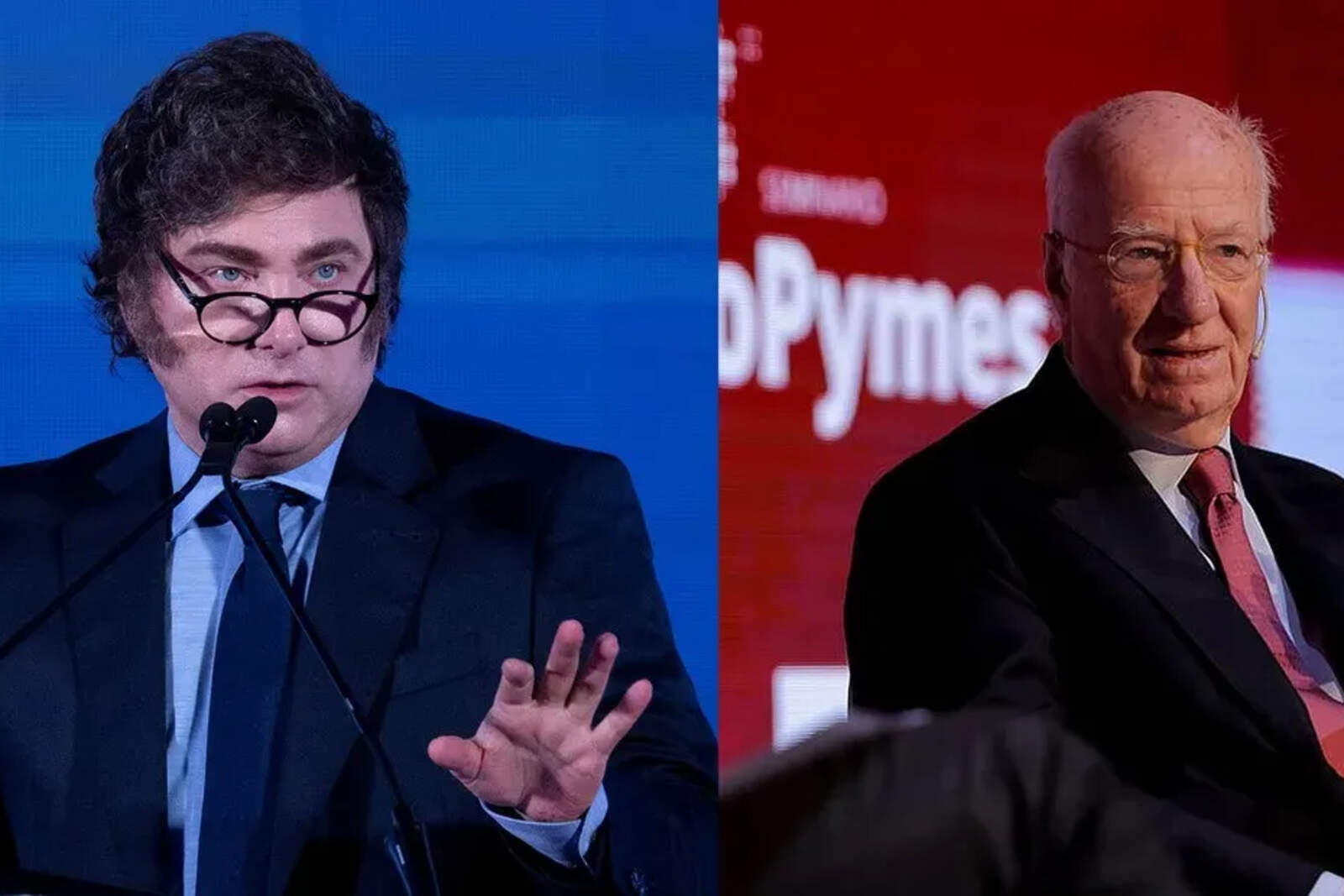
President Javier Milei confronted Paolo Rocca, CEO of Grupo Techint, after a foreign company was awarded the contract to supply pipes for the gas pipeline that will connect Vaca Muerta with the province of Río Negro.
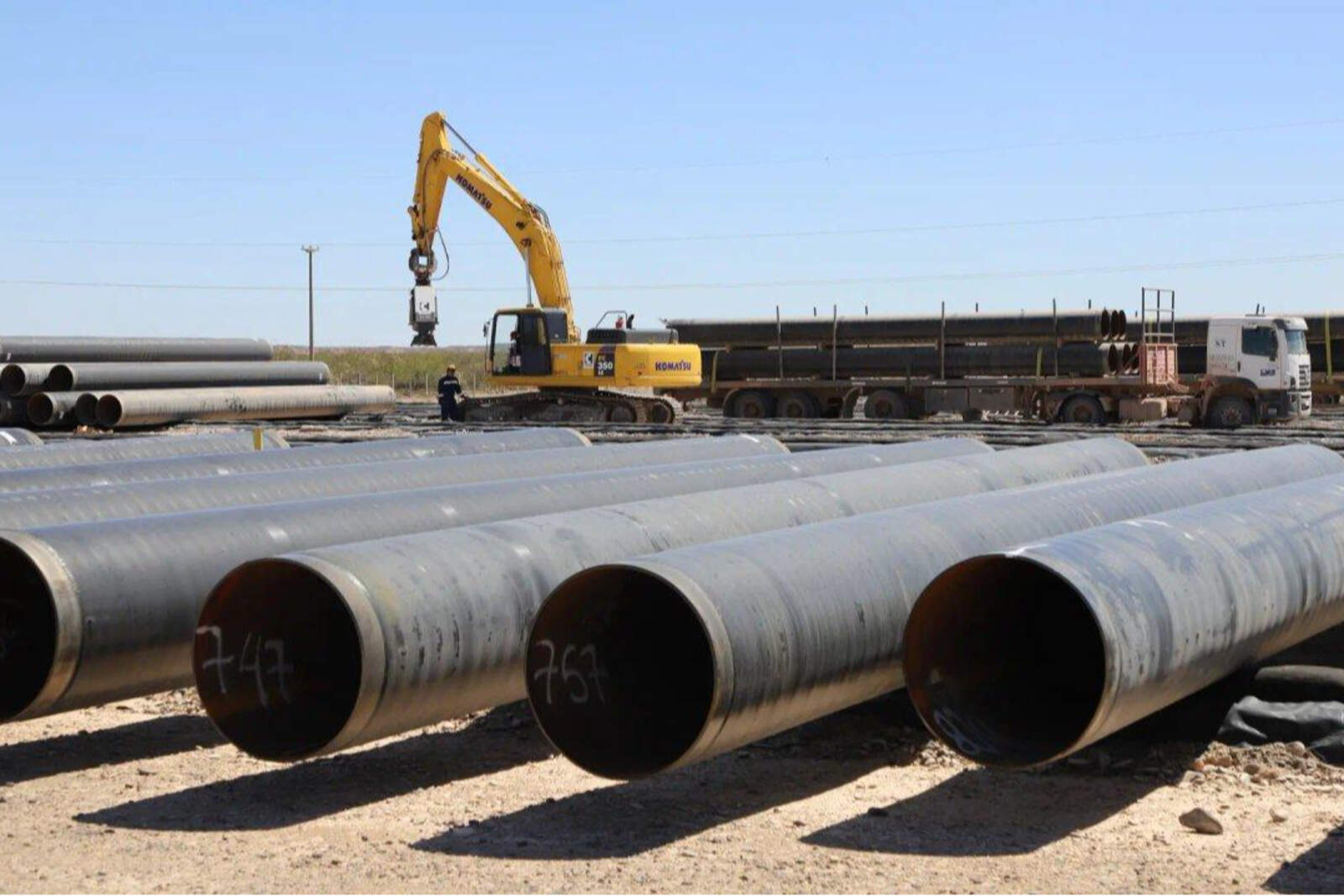
The contracting process concluded with the selection of the Indian company Welspun, which submitted the lowest financial bid for the supply of 480 kilometers (298 miles) of pipes. The final proposal was 203 million dollars, an amount that turned out to be 25% lower than the last offer submitted by Tenaris, Techint's subsidiary dedicated to the production of seamless pipes.
After the result became known, President Javier Milei publicly came out to support the decision and to question the criticism that arose regarding the import of the supplies. Through a message, the head of state defended the trade liberalization policy promoted by his administration and suggested that the objections do not stem from technical arguments, but from particular interests.
Tuberías de gasoducto.
"The new Argentina", Milei stated at the beginning of his reflection. He then added:"If you see "journalists", "economists" and politicians talking to you about the steel industry and the prejudices caused by liberalization, you already know who is stuffing their envelopes...", in a message aimed at those who questioned the award.
In that same statement, the head of state pointed directly at Paolo Rocca. In a critical tone, he referred to those who come out "in defense of Don Chatarrín of the EXPENSIVE little pipes...", a direct allusion to Grupo Techint's CEO.
Sturzenegger's message
Yesterday, the Minister of Deregulation and State Transformation, Federico Sturzenegger, published a statement in which he explained the economic effects of maintaining high prices for key inputs. According to him, higher costs directly impact the viability of energy projects and limit their expansion potential.
Techint.
In that regard, the official emphasized that "more expensive pipes mean lower profitability for the project, lower investment, fewer jobs, fewer exports". According to his analysis, cost reduction is central in order to foster competitiveness and expand the scope of infrastructure works.
Sturzenegger also questioned the preference scheme for domestic suppliers, known as "compre nacional", which was repealed by the current government. He pointed out that guaranteeing exclusive rights to certain market players discourages competition and ultimately generates higher prices in the long term. In that context, he warned that this type of mechanism negatively impacts both companies and Argentine consumers.